

From safety nets to pay checks: Jordan's holistic blueprint for workforce transformation
Pioneering reforms have enhanced social protection, boosted labour market transparency and enabled thousands to secure decent, formal employment in Jordan, with the European Union (EU) funding.
4 June 2025
AMMAN (ILO News) — A landmark five-year initiative by the International Labour Organization (ILO), supported by €14 million in EU funding, has achieved comprehensive reforms across Jordan's social protection system and labour market. The project has created tangible pathways to decent work for thousands of vulnerable Jordanians and Syrian refugees through an integrated approach combining policy innovation, skills development and systemic capacity building.
Revolutionizing social protection governance
At the heart of the project's achievements stands the establishment of Jordan's first Implementation Support Unit (ISU), a dedicated technical team that has fundamentally transformed how social protection programmes are monitored and coordinated. The ISU's development of an advanced Performance Management System and Dashboard now enables government stakeholders to track programme implementation against strategic priorities through real-time data visualization and analysis. This technological leap forward has been complemented by intensive capacity building, including two rounds of TRANSFORM training that equipped 40 professionals from national institutions with advanced skills in social protection governance, with particular attention to ensuring gender balance among participants. TRANSFORM is an innovative training initiative that strengthens individual and institutional capacity for the management of national social protection systems in Africa and in the Arab Region including Jordan and is implemented by the ILO, UNICEF, ESCWA, WFP and UNDP.
The project's commitment to evidence-based policymaking produced several groundbreaking analytical tools, most notably Jordan's first Statistical Bulletin on Social Protection developed in close collaboration with the Department of Statistics. This comprehensive document, the first of its kind in the Arab region, provides policymakers with unprecedented insights into coverage gaps and programme effectiveness. Perhaps most innovatively, the initiative conducted two rigorous Randomized Controlled Trials that generated actionable evidence on expanding social security coverage, testing both behavioural communication strategies and financial incentive models to identify the most effective approaches for reaching vulnerable workers.
Transforming labour market accessibility
The project's research component has significantly advanced understanding of Jordan's evolving labour market dynamics. A comprehensive study on platform work and the informal economy provided the first systematic analysis of challenges facing workers in non-traditional employment arrangements, while a formalization agenda mapping exercise identified opportunities for better aligning various government initiatives. These research efforts will directly inform policy discussions at both national and regional levels, including through a specialized workshop preparing Jordanian and Arab trade unions for the 113th session of the International Labour Conference negotiations on platform work standards.
Substantial investments in data systems have created lasting infrastructure for labour market analysis. The project's support for the 2024 Jordan Labour Market Panel Survey has yielded one of the region's most detailed datasets on employment trends, with particular focus on vulnerable groups including women, youth, and refugees. Simultaneously, efforts to enhance transparency resulted in the translation and formal certification of over 30 labour laws and regulations, making critical legal information more accessible to workers and employers across the kingdom.
Creating sustainable pathways to decent work
The initiative's most visible impacts emerge in its direct support to vulnerable workers transitioning to formal employment. Through innovative partnerships with employers, the ILO facilitated sustainable job placements for 1,221 beneficiaries of the National Aid Fund and UNHCR assistance programmes. These individuals received comprehensive support including three months of on-the-job training followed by guaranteed one-year employment contracts, with ongoing mentorship to ensure successful transitions.
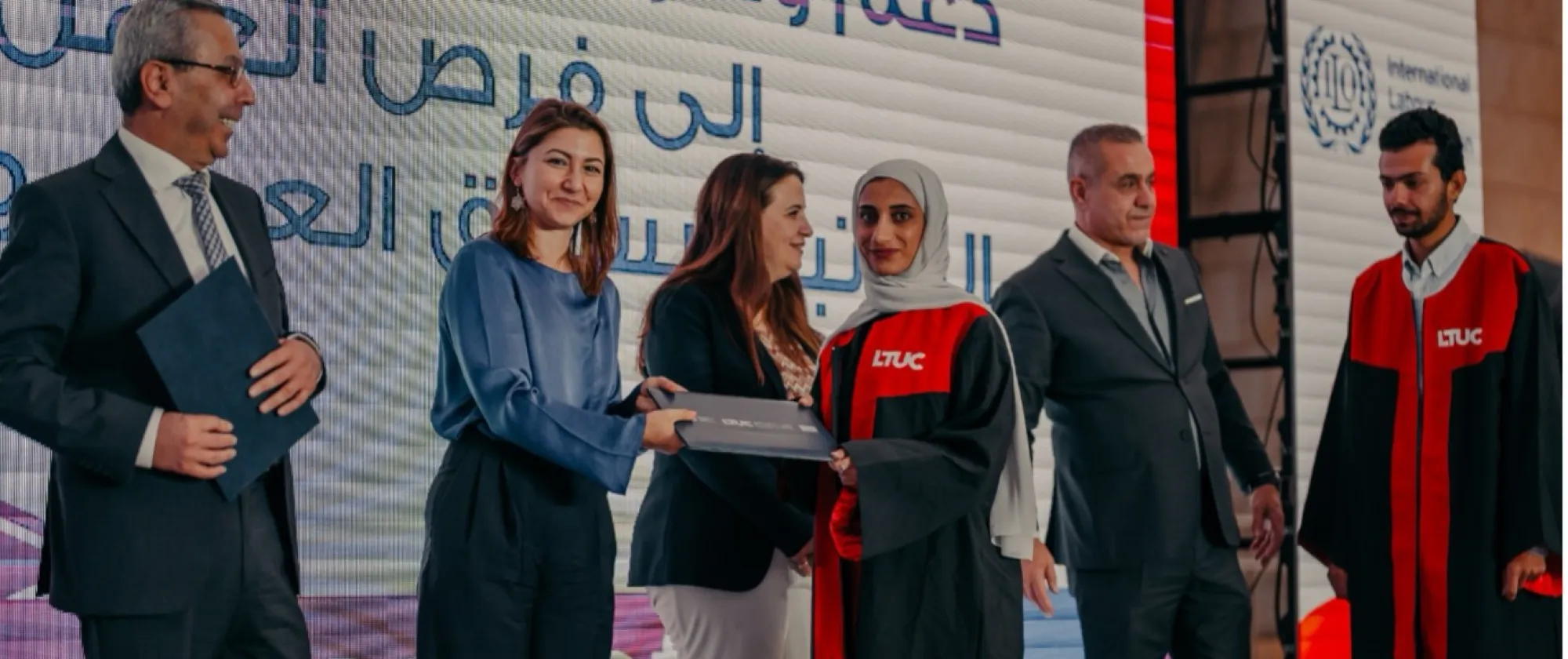
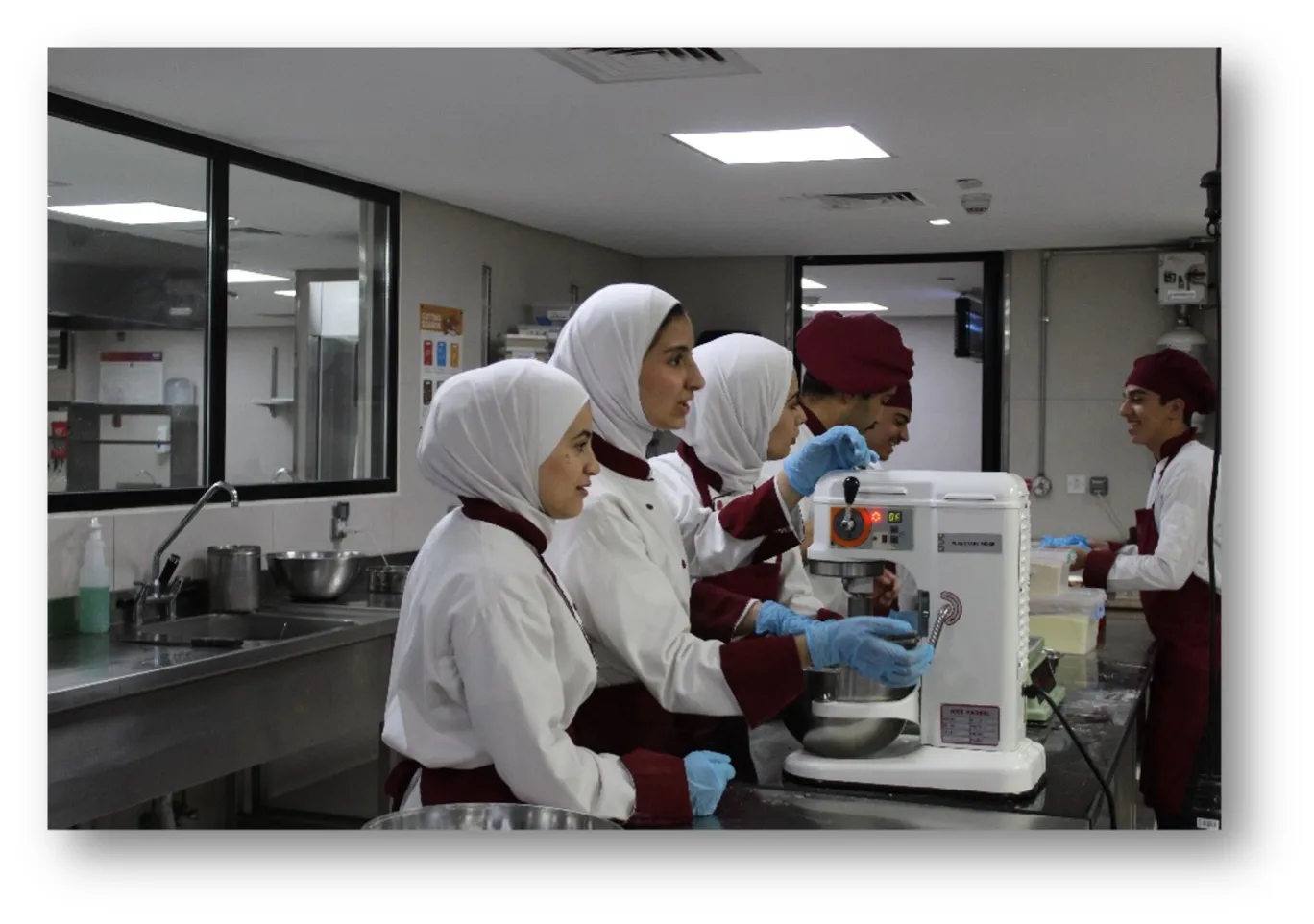
Vocational training programmes reached an additional 1,713 beneficiaries, equipping them with certified skills in high-demand sectors ranging from hospitality to digital services. The May 2025 graduation ceremony for over 400 trainees, including 12 persons with disabilities, showcased the transformative potential of these market-aligned training initiatives. The project's holistic approach also addressed structural barriers to employment, exemplified by the complete renovation of a nursery in the Al-Dulail Industrial Zone, which will provide quality childcare for up to 100 children of garment workers.
Building institutional capacity for lasting change
Beyond immediate outcomes, the project has strengthened fundamental systems for sustainable impact. Intensive workshops with government, worker and employer representatives have enhanced understanding and implementation of international labour standards, while the newly accredited cadre of TRANSFORM trainers ensures continued capacity for social protection governance. The Implementation Support Unit now serves as a permanent resource for evidence-based policymaking, and the project's research findings continue to inform national strategies on worker formalization and social protection extension.
As the initiative concludes, its legacy lives on through institutionalized systems and proven models that continue to create opportunities for Jordan's most vulnerable workers. The comprehensive approach - simultaneously strengthening social protection systems, labour market institutions, and workforce capabilities – offers valuable lessons for other nations facing similar challenges of refugee integration and informal employment.
Funding and partnerships
This €14 million initiative was funded by the European Commission's DG for Neighbourhood and Enlargement Negotiations through the EU MADAD Trust Fund, with UNICEF serving as co-implementer. Key national partners included Jordan's Ministry of Labour, Ministry of Social Development, National Aid Fund, Social Security Corporation, Department of Statistics, the Technical and Vocational Skills Development Commission, the Ministry of Planning and International Cooperation, and social partner organizations representing both workers and employers.
Related content

Project
Towards an inclusive national social protection system and accelerating decent job opportunities for Syrians and vulnerable Jordanians
Relevant projects
Project
Towards an inclusive national social protection system and accelerating decent job opportunities for Syrians and vulnerable Jordanians