

Senegal : Toward Real Social Protection for Agricultural Workers
July 29, 2025 – Saly, Senegal. A national dialogue was held from July 29 to 31, 2025, at the Palm Beach Hotel, bringing together key stakeholders from the agricultural sector and public institutions to discuss extending social protection to agricultural workers. Organized by the Ministry of Labor and the International Labour Organization (ILO), this workshop laid the groundwork for an ambitious reform aimed at including workers from the agro-sylvo-pastoral and fisheries sectors in a social security system tailored to their realities.
4 August 2025
Over three days, representatives from ministries, agricultural professional organizations, technical and financial partners, and social protection experts exchanged views on the issues, challenges, and prospects related to expanding social coverage for agricultural workers. The main objective of this meeting was to establish the foundations of a social protection system adapted to the realities of the agricultural world, particularly informal workers. Discussions were structured around technical presentations, participatory exchanges, and concrete proposals.
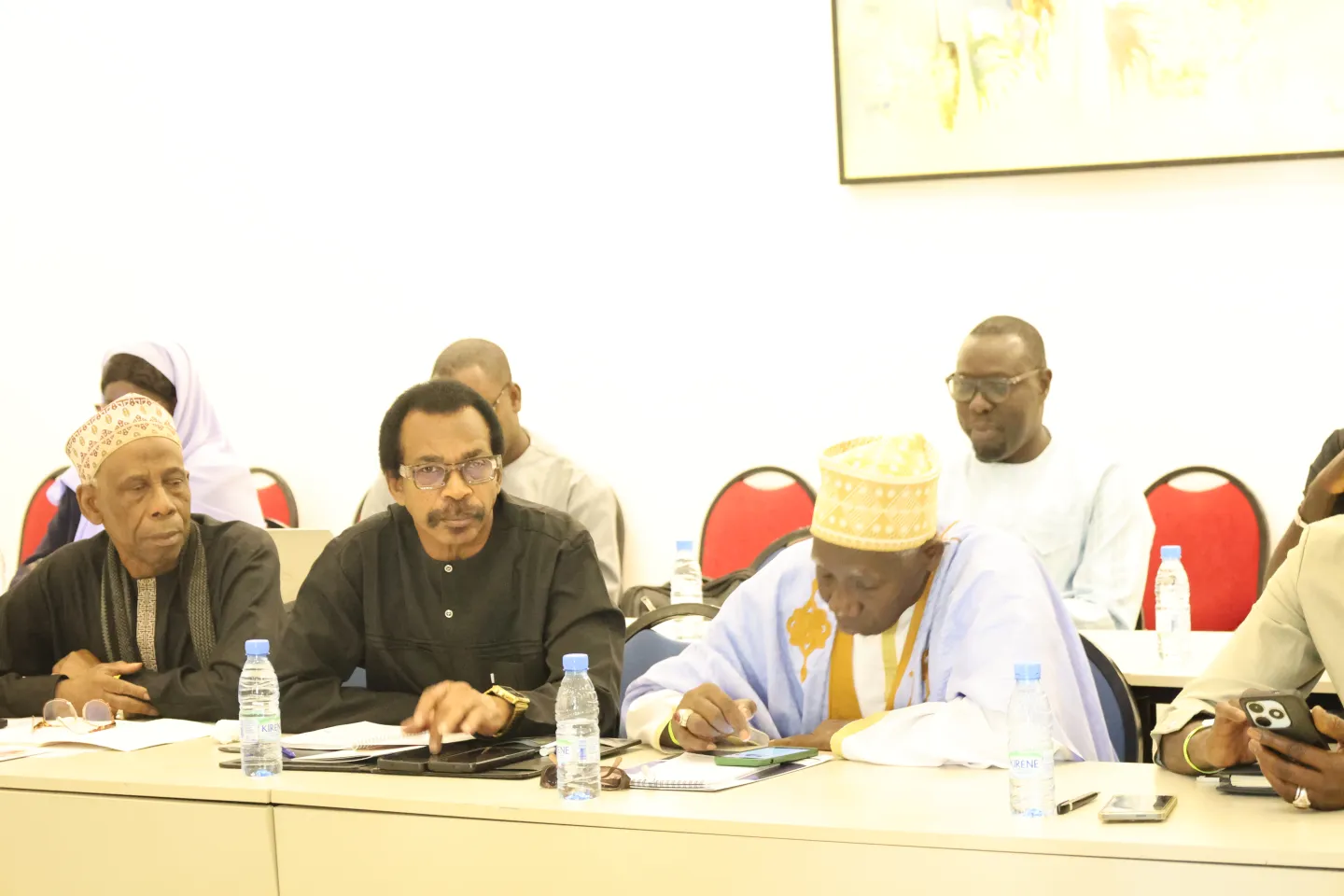
This national dialogue, led by the Ministry of Labor and the ILO, is part of a dynamic of social justice and recognition of the fundamental rights of rural workers. The first day featured foundational presentations on social protection, its models (Bismarckian and Beveridge), and disparities in coverage between urban and rural areas. ILO expert Moussa Dieng emphasized the importance of guaranteeing a universal social protection floor while addressing challenges related to the informal economy and income insecurity.

In this regard, Abass FALL, Minister of Labor, Employment and Relations with Institutions, stated:
"In Senegal, the informal economy accounts for more than 80% of the economy, with a strong predominance of the agricultural sector, yet its workers do not benefit from adequate social protection for themselves and their families. This can change with the adoption of the National Social Protection Strategy."
The discussions highlighted inspiring international examples, such as Brazil and Costa Rica, where systematic enrollment mechanisms have enabled effective coverage of agricultural workers. These models sparked great interest among participants, who debated how they could be applied in the Senegalese context.
The second day focused on consultations regarding the priority needs of informal agricultural workers. Participants stressed the need to cover all social risks, particularly illness and old age, and to consider the specificities of agricultural sub-sectors, including women, youth, fishers, and transhumant herders. Participatory governance, education, and awareness were identified as essential levers to ensure system adoption and sustainability.
El Hadji Thierno Cissé, Coordinator of the CNCR Technical Support Unit, emphasized:
"This dialogue allows us to engage with the Ministry of Labor and all concerned stakeholders on how to operationalize the social protection system for agricultural workers. Following this dialogue, we will convene a steering committee to maintain overall coherence between the initiators of the social protection scheme and the partners, with support from the ILO. We must now ensure that all actors remain mobilized to raise awareness among their members and that everyone is equally informed to facilitate implementation."
A key point of debate was the creation of a new mutual fund dedicated to the agricultural sector, rather than expanding the existing MSNAS. Speakers highlighted governance risks and the diversity of umbrella organizations, advocating for a tailored approach.
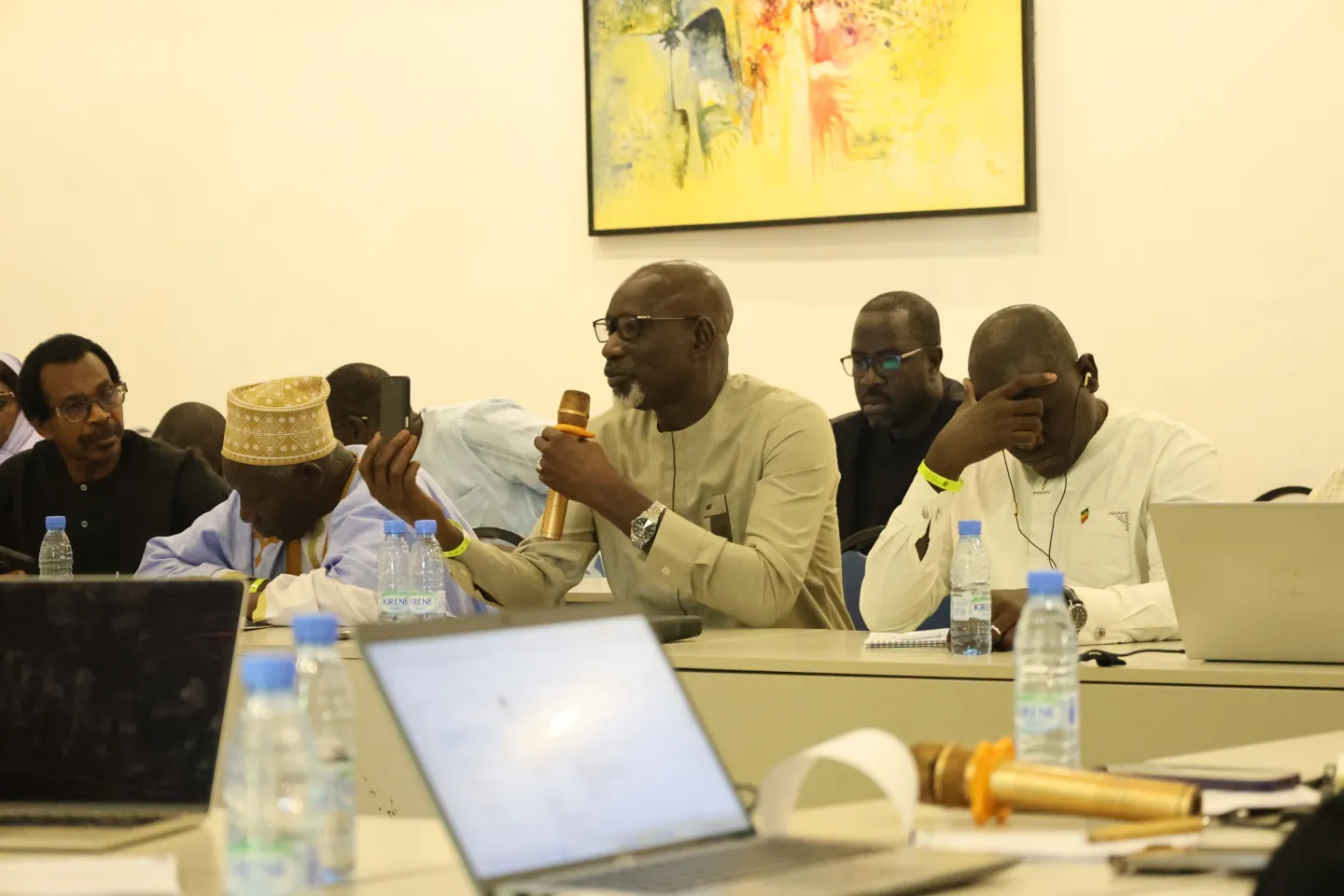
Constructive exchanges and strong recommendations
Participants noted the existence of farmer mutuals and stressed the need to align ongoing projects with reforms of the LOASPH and its implementing decree. Systematic enrollment was widely discussed, with some advocating for automatic deduction mechanisms to avoid the inefficiencies of voluntary participation.
Governance, awareness among professional organizations, involvement of local authorities, and consideration of agricultural income specificities were central to the discussions. Speakers also emphasized the importance of interoperability, oversight, and coordination among existing schemes.
A focus on the needs of agricultural workers
The meeting helped identify the priority needs of informal agricultural workers. Participants recalled past initiatives, including the 2003 decree that provided for a contribution of 3,500 FCFA per producer and a state subsidy of 9,500 FCFA. They advocated for coverage of social risks, particularly illness and old age, and for participatory governance.
The specificities of sub-sectors (agriculture, livestock, fishing, forestry) were highlighted, with particular concerns for women, youth, and transhumant herders. The creation of a new mutual fund dedicated to the agricultural sector was proposed, instead of expanding the MSNAS, to avoid governance issues.
Ismaila SOW, President of the National Council of Livestock Farmers of Senegal, also welcomed the initiative:
"I am very pleased with this dialogue approach as it considers the concerns of agricultural sector stakeholders. Now more than ever, agricultural workers need to think about their social protection because we must protect ourselves and our families. Information and awareness should be prioritized to encourage all stakeholders to join this promising initiative. I will share all the information with the council members."

A collective commitment to sustainable transformation
The workshop concluded with strong commitments from ministry representatives, the ILO, and professional organizations. All praised the initiative and expressed their willingness to contribute to the success of the project, which represents a historic opportunity to realize the social rights of agricultural workers.
This national dialogue laid the foundation for an inclusive social protection system, adapted to the realities of the rural world, and promoting social equity and sustainable development.