

News
Paving the path: towards a responsible and sustainable electronics value chain in Asia
Electronics Industry and Trade Union Leaders Unite for Cross-Country Dialogue on Responsible Business and Decent Work in Asia.
5 March 2025
TOKYO (ILO News)—As companies increasingly face expectations to uphold human and labour rights, addressing the challenges and opportunities for achieving decent work in supply chains is crucial.
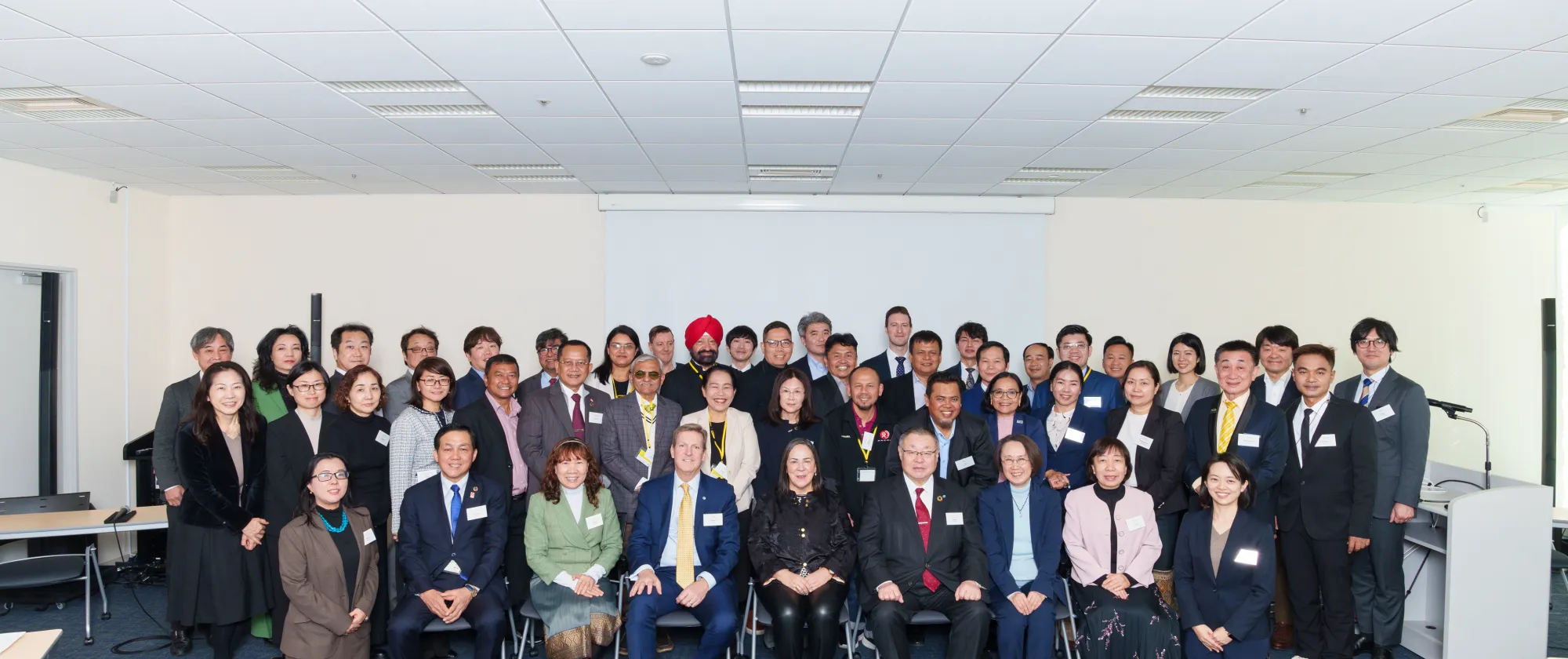
To promote coordinated action beyond individual companies, twenty-seven representatives from trade unions, employers’ organizations and stakeholders in Japan gathered in Tokyo, Japan, on February 5, 2025. The dialogue emphasized collaboration and the sharing of best practices among different stakeholders.

To open the dialogue, Ms Savita Sawant, from the Confederation of the Indian Industry (CII), introduced the situation of the electronics industry in India and presented the opportunities, challenges, and efforts being undertaken to overcome these challenges by the government and industry, including shortages of skilled workforce and supply chain disruptions. Savita also highlighted the efforts on responsible business conduct, including reporting based on Indian National Guidelines for Responsible Business Conduct Labour laws, efforts undertaken by industry through ‘Corporate Social Responsibility’ and promotion of diverse workforce representation. She noted: ‘These efforts not only promote inclusivity but also enhance the overall productivity and innovation within the industry.’
Mr Eduard Parsaulian Marpaung from the Confederation of Indonesian Prosperity Trade Union (KSBSI) pointed out the difficulty of having a social dialogue in small and medium enterprises (SMEs). He said national-level efforts are essential to raise awareness of Human Rights Due Diligence (HRDD) and Responsible Business Conduct (RBC).
Maria Helena André, Director of the ILO Bureau for Workers’ Activities, raised the fundamental issue: “Who should take the lead in identifying risks? How should responsibilities be distributed among different actors?”
She continued: “They are ones we must address together. Today’s dialogue is a meaningful exchange of ideas and a crucial step in advancing social dialogue, which remains at the core of our work.”
The emphasis at the dialogue on the value of social dialogue was clear. Adam Greene, deputy director of the ILO Bureau for Employers, said:” Through this collaborative approach, social partners can identify priority actions and promote sustainable and inclusive development.” He also stressed, “Responsible business conduct and due diligence cannot replace the rule of law and good governance.”
The participants came from India, Indonesia, Lao People's Democratic Republic, Malaysia, Thailand, Vietnam, and Japan. Representatives from workers’ and employers’ organizations shared the understanding for the need of continued bipartite dialogue, awareness raising and capacity building, as well as building trust among different stakeholders to make their dialogue more effective and sustainable.
Related content

Project
Building Responsible Value Chains in Asia through the Promotion of Decent Work in Business Operations (Phase II)