

Millions of Lao workers lack social security despite eligibility, ILO report finds
With 90 per cent of workers uninsured, barriers such as complex registration and limited awareness hinder access to the National Social Security Fund, particularly among informal laborers.
28 February 2025
VIENTIANE, the Lao People’s Democratic Republic (ILO News) – 9 out of 10 workers in the Lao People’s Democratic Republic are not enrolled in social security, despite 52 per cent of the labour force having the potential to contribute to the National Social Security Fund (NSSF) according to recent research by the International Labour Organisation (ILO). Workers in the informal sector are also significantly less likely to be insured than those in formal enterprises.
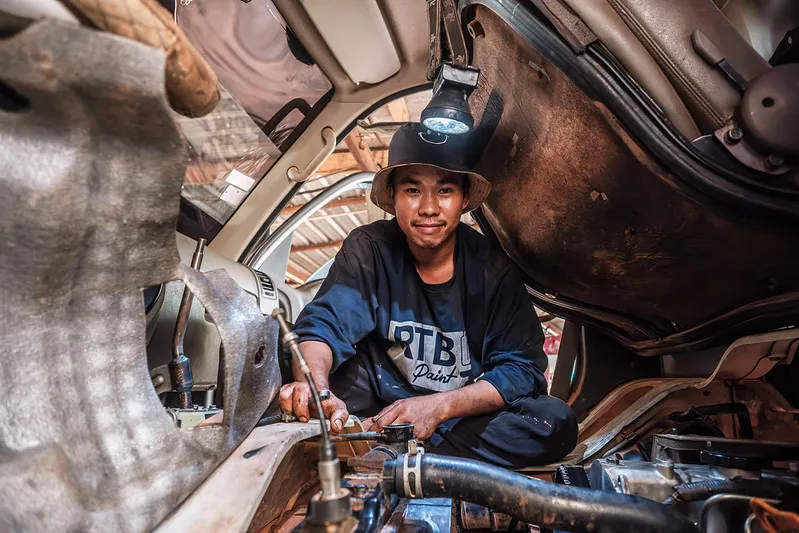
The ILO report “Understanding Informality and Expanding Social Security Coverage in the Lao PDR” provides a detailed picture of the Lao labour market and enterprise landscape, with emphasis on the barriers that informal workers face in accessing social security. The analysis of the country’s informal labour force is designed to assist policy makers and development partners to explore tailored policies and actions to expand social security coverage in the Lao People’s Democratic Republic and to increase formality within the labour market.
The agriculture, fishing and forestry sector is the largest economic sector in the Lao People’s Democratic Republic. Workers in this sector tend to be among the poorest members of society with 98 per cent working informally. Of these workers, 95 per cent are uninsured, with little recourse when they face illness, injury, maternity, unemployment, or old age.
With women earning less than men in both the formal and informal sectors, women’s ability to make contributions to social security is constrained relative to men.
“I want to participate in the national social security scheme,” said Phone Sivilaithong, “but my main occupations are farming and weaving. I don’t have enough money some months to pay the contributions.”
According to the research findings, an estimated 52 per cent of Lao employees could potentially afford to contribute the maximum possible amount under the NSSF’s voluntary scheme, showing that lack of coverage is not just an affordability question. However, the registration process, consisting of filling out forms and submitting identification and other documents and travelling long distances to the offices, can be difficult.
“Access to social security offices is a barrier,” explains Nikki Akkhahad of the Lao Social Security Organization. “We have to go to the villagers. When we conduct campaigns, it is hard for people to understand in the beginning. We have to come to provide the information regularly, so that they can access information and understand over time.”
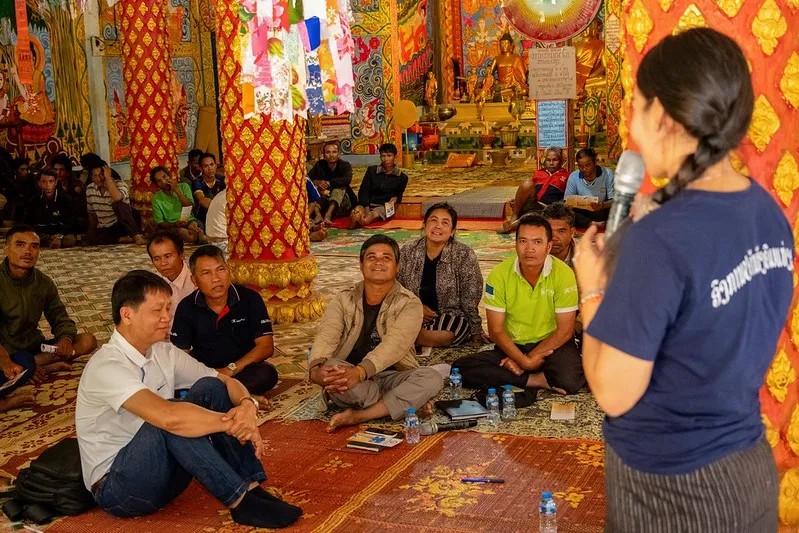
The report also highlights how civil society and membership-based organizations of informal workers play an important role in increasing access to social security. Monladee Suvanlasy of the Informal Worker Advancement Association explains: “We start by setting up worker groups, then we strengthen the group leader’s management capacity. We observe the group’s needs and difficulties and then prioritize what they need for joining the National Social Security Fund.”
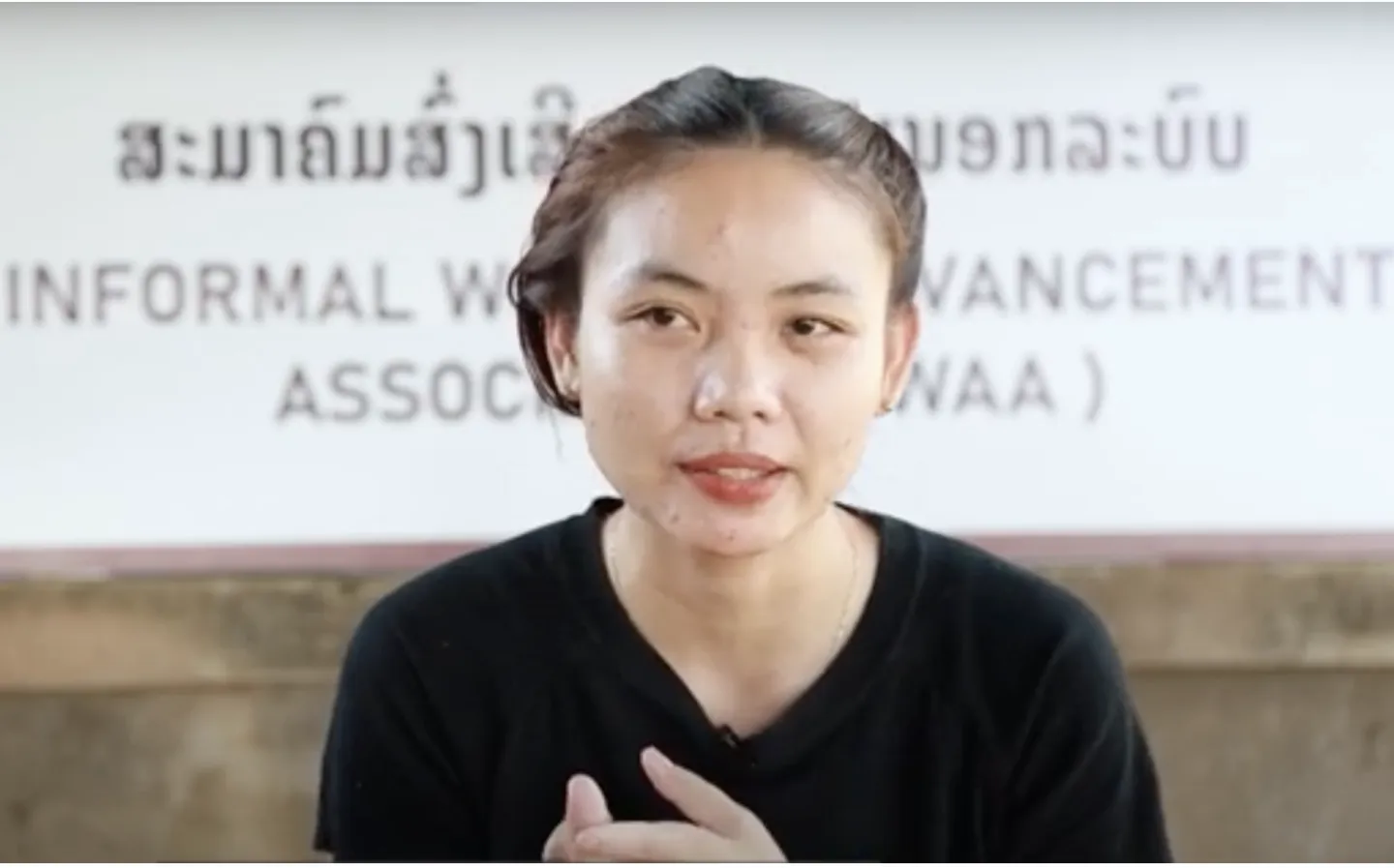
Once they overcome these barriers, workers who are registered can access benefits such as reduced expenses at hospitals. Wanna Leuanglid, a farmer in Vientiane shared her experience, “My husband was operated on at a hospital. Over seven months, it cost a lot of money, around 20 million Kip. But it was fully covered by the National Social Security Fund. The Fund is very good.”
The report provides recommendations for enhanced coordination across government sectors. It also calls for an upgrade of systems and processes, and simultaneous efforts to expanding social insurance as well as investment in social assistance.
Related content
Social protection
Accelerating Universal Social Protection for Achieving the SDGs and Ending Poverty
Relevant projects
Social protection
Accelerating Universal Social Protection for Achieving the SDGs and Ending Poverty