

International Year of Cooperatives
Measures to strengthen cooperatives and their role in sustainable development showcased at UN Headquarters
At a high-level event for the International Year of Cooperatives, governments, the ILO, and representatives of the cooperative movement shared recent policies, financing schemes and education initiatives, alongside new data and international perspectives on how cooperatives contribute to the 2030 Agenda.
1 August 2025
NEW YORK (ILO News) – National representatives and international partners presented measures to strengthen cooperatives and their role in advancing sustainable development at a commemorative event for the 2025 International Year of Cooperatives, held at United Nations (UN) Headquarters in New York on 28 July. The event, “Cooperatives and sustainable development: Maintaining momentum and exploring new avenues”, was convened by the Permanent Mission of India, in partnership with the Permanent Missions of Kenya and Mongolia, which co-sponsored the UN General Assembly resolution proclaiming 2025 as the International Year of Cooperatives (A/RES/78/289).

Speaking on behalf of the ILO, Cynthia Samuel-Olonjuwon, Special Representative to the UN and Director of the ILO Office for the United Nations, underlined that cooperatives are already active across the six key transitions to achieve the Sustainable Development Goals (SDGs): food systems, energy, digital transformation, education, jobs and social protection, and climate and biodiversity action. She noted the Promotion of Cooperatives Recommendation (No. 193), 2002 as a normative foundation for cooperative law and policy in more than 120 countries, and highlighted the ILO’s work with constituents, including on cooperative governance, care cooperatives, and harmonized statistics.
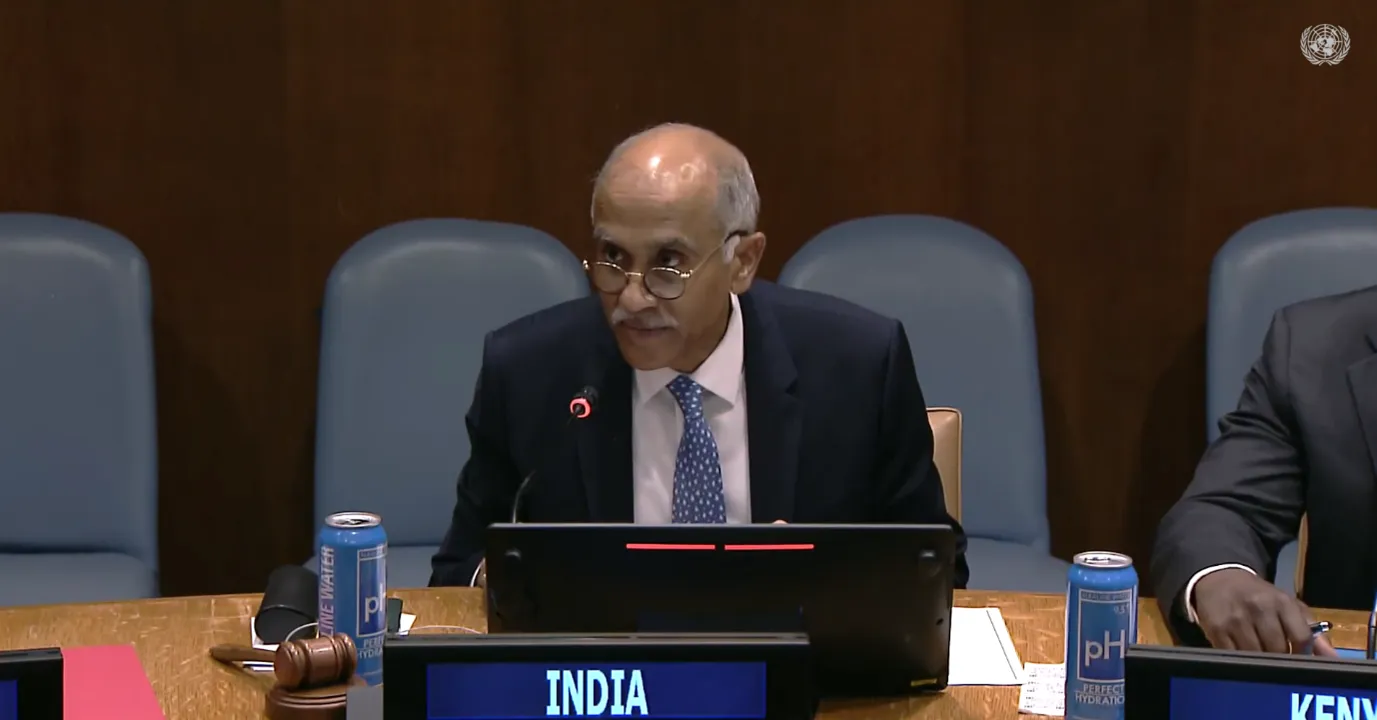
Parvathaneni Harish, Permanent Representative of India to the United Nations, drew on the UN Secretary-General’s latest report on cooperatives in social development. He highlighted their global scale, noting around 3 million cooperatives employ about 10 per cent of the world’s workers. He added that the 300 largest generate more than US$2 trillion in revenue. Emphasizing the relevance of cooperative values to sustainable development, he called for better data, stronger legal frameworks, improved digital access and more professional training.

Amit Shah, Minister of Cooperation of India, recalled the scale of India’s cooperative movement, with more than 800,000 cooperatives and 300 million members, with women accounting for over 60 per cent. He highlighted recent progress on realizing the vision of prosperity through cooperation, including the creation of a Ministry of Cooperation in 2021, the adoption of a new National Cooperation Policy in 2025, and the establishment of India’s first national-level cooperative university, Tribhuvan Sahkari University in Gujarat.
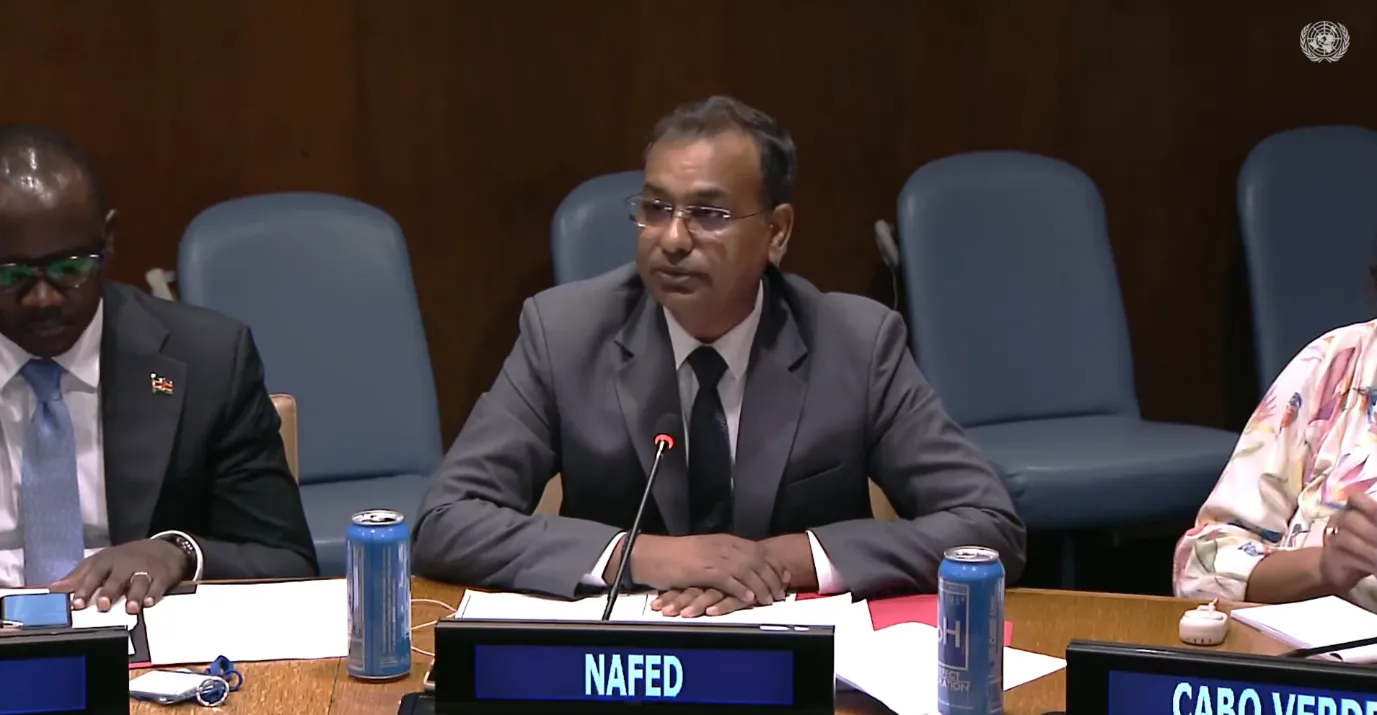
Deepak Agarwal, Managing Director of the National Agricultural Cooperative Marketing Federation of India (NAFED), explained how NAFED contributes to fairer and more robust supply chains. In the past year, it procured 4.2 million tonnes of food grains directly from farmers and transferred nearly US$80 million through digital payments. The federation earned US$56 million in annual profit, of which 15 per cent was paid to its members, about 800 state level cooperative societies. He called for establishing a Global Cooperative Innovation Fund and a Global Knowledge Exchange Platform for Cooperatives.
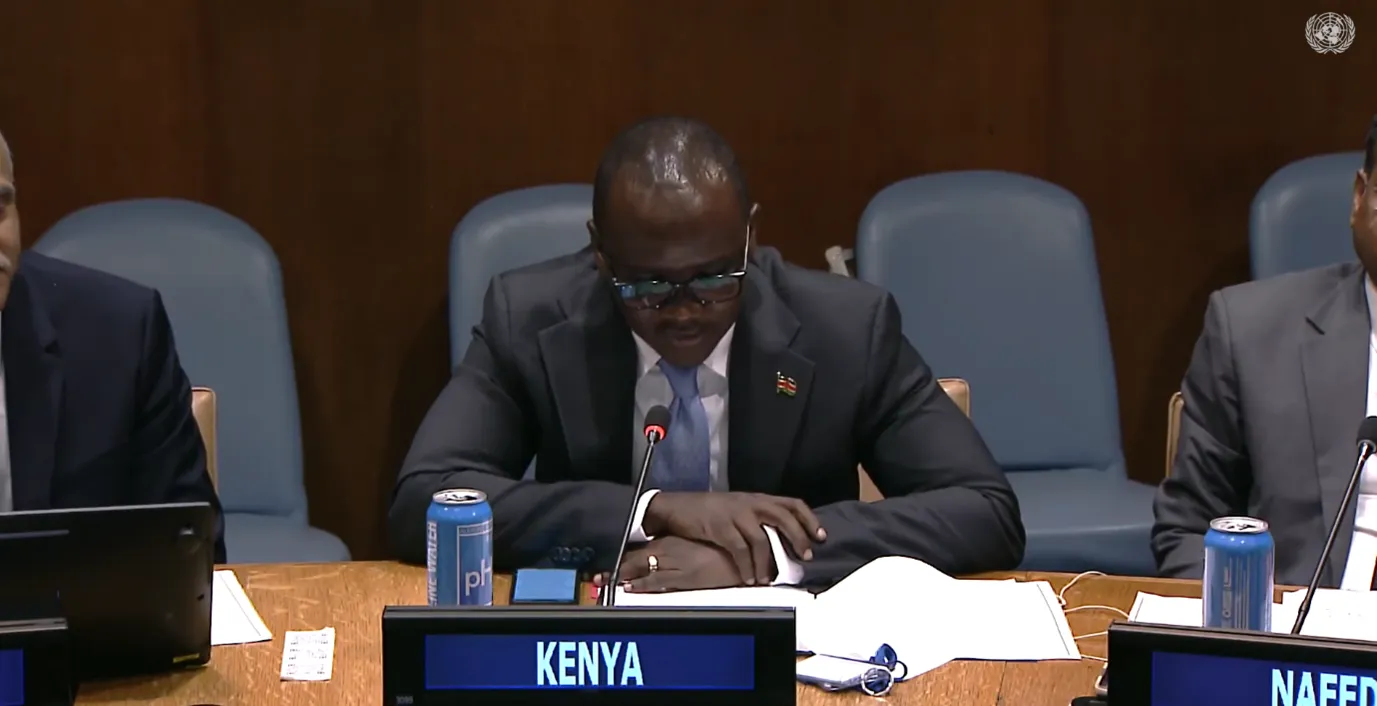
Erastus Ekitela Lokaale, Permanent Representative of Kenya to the United Nations, described cooperatives as institutions “for the people and by the people” that are central to national development. He noted that cooperatives contribute more than 30 per cent of GDP in Kenya and mobilize around US$9 billion through savings and credit cooperatives, while institutions such as the Cooperative Bank of Kenya and the Cooperative University of Kenya further demonstrate their reach. Moreover, he recognized that cooperative members achieve better social and economic outcomes than the national average.
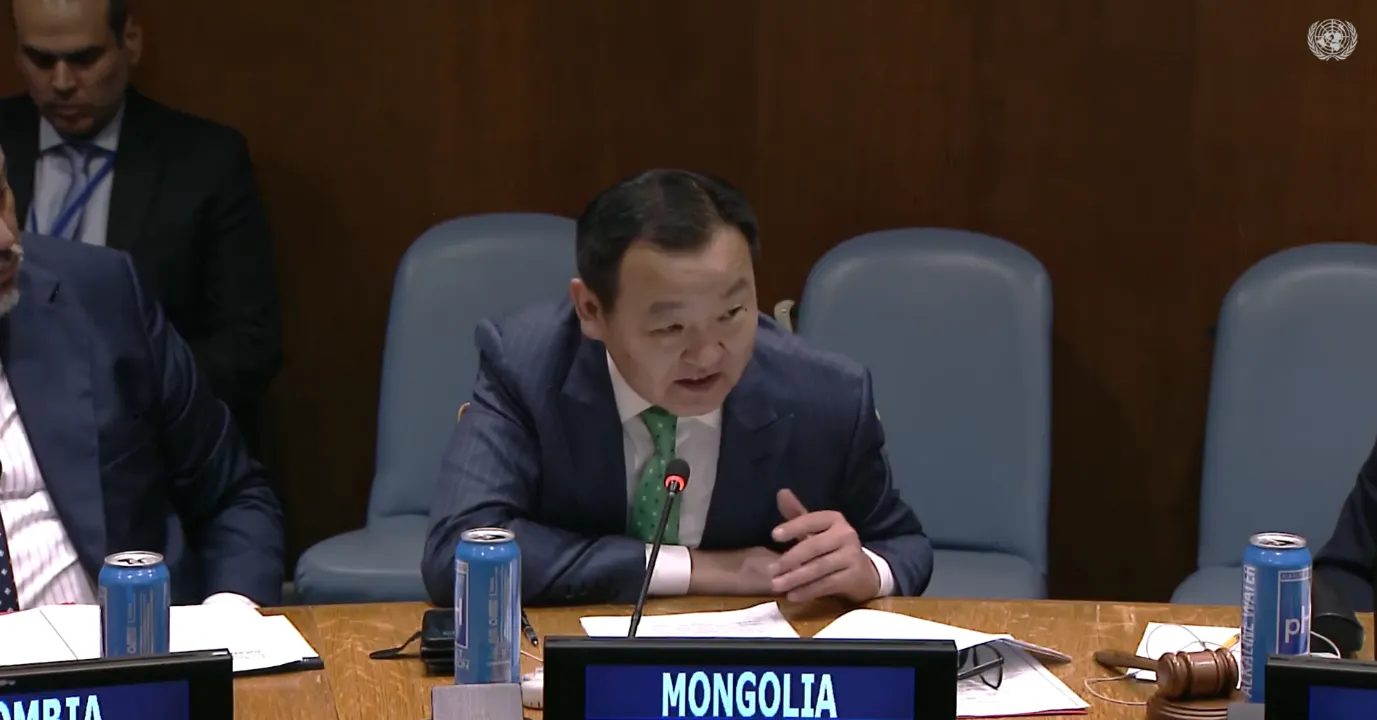
Ankhbayar Nyamdorj, Permanent Representative of Mongolia to the United Nations, highlighted more than 4,700 cooperatives in the country, mostly in agriculture and livestock, and presented cooperatives as a key vehicle for youth employment, SME stabilization and climate adaptation. He described blockchain programmes for herder communities and a new soft-loan facility under climate legislation that will channel around US$1.4 billion to cooperative members by 2029. He also called for efforts to address barriers such as limited resources, inadequate infrastructure, and gaps in long-term strategies on data and cyber security.
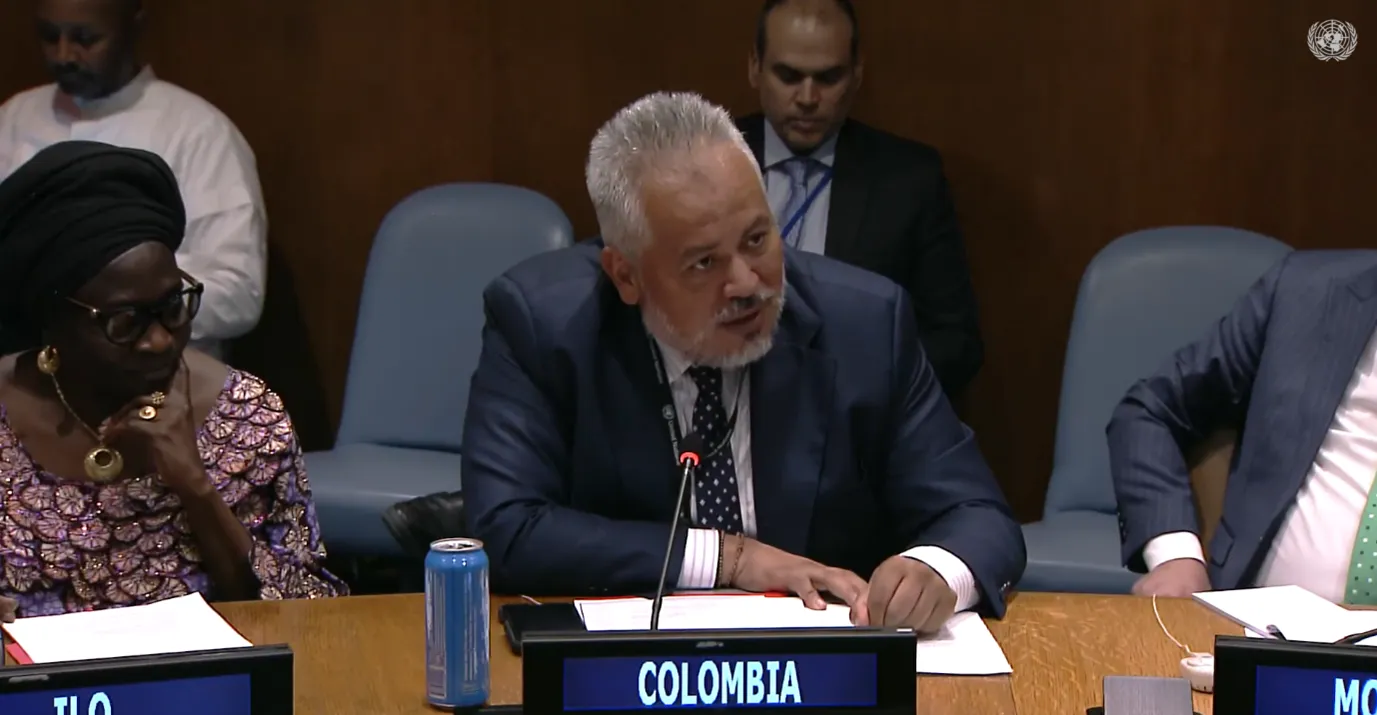
Raúl Esteban Sánchez Niño, Deputy Permanent Representative of Colombia to the United Nations, described cooperatives as “drivers of peace,” supporting 4.4 million members and forming part of the government’s National Development Plan through recognition of the popular economy. He underlined their role in expanding financial inclusion for the country’s 5.8 million largely informal micro-enterprises through microloans and affordable services and drew attention to cooperative education initiatives in schools and universities to foster solidarity and democratic governance.

Tania Serafim Yvonne Romualdo, Permanent Representative of Cabo Verde to the United Nations, emphasised the importance of cooperatives for resilience in small island developing states. Referring to cooperatives as “social anchors rooted in solidarity and mutual responsibility”, she described their role in fisheries, agriculture, artisanal crafts and women-led micro-enterprises. She emphasized her government’s commitment to strengthening the cooperative movement as part of the broader strategies for resilience, youth and women empowerment, and inclusive green and blue transformation.
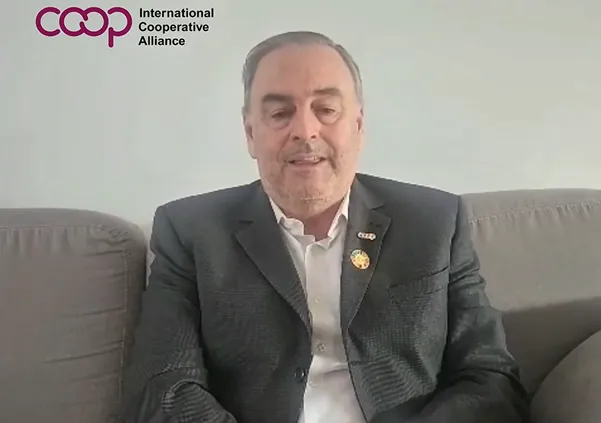
Ariel Guarco, President of the International Cooperative Alliance, recalled the cooperative movement’s long-standing contributions to decent work, resilience and sustainable development. Inviting governments and partners to work side-by-side with cooperatives throughout the International Year, he emphasized the importance of ensuring that cooperatives are explicitly recognized in the political declaration of the Second World Social Summit.
The event marked a mid-point in the International Year of Cooperatives, offering a moment to take stock of achievements, share lessons across countries and reaffirm the cooperative model’s relevance for accelerating the 2030 Agenda, as attention turns to the upcoming World Summit for Social Development in Doha.
The recording of the event is available here.
You may also be interested in

International Day of Cooperatives
Cooperatives: Collective solutions for a just and sustainable future

Advancing statistical frameworks of cooperatives and the wider social and solidarity economy: ILO presents progress at global research...

Op-Ed
Cooperatives in the Caribbean: A proven path to decent work and sustainable development

Arizmendiarrieta Social Economy Think Tank Forum
ILO highlights transformative power of the social and solidarity economy at a global forum in Spain