


Latin America and the Caribbean chart pathways toward formality at tripartite forum
Representatives of governments, employers’ and workers’ organizations from 16 countries met in Lima to exchange experiences and explore innovative approaches to promote the transition toward formal labour practices and business operations in the region.
29 November 2024
Lima (ILO News) From 27-29 November, the Regional Office of the International Labour Organization (ILO) for Latin America and the Caribbean organized the Tripartite Regional Knowledge Sharing Forum: Innovative Approaches to Promote the Transition to Formality. This event, held in person and virtually from Lima, brought together representatives of governments, employers' and workers' organizations from 16 countries, reaffirming the tripartite commitment to address informality in the region.
With half of its labour force in the informal sector, Latin America and the Caribbean face an urgent challenge. The forum provided a platform to share experience, discuss strategies and propose innovative initiatives to move towards labour and business formalization, promoting social justice and decent work.
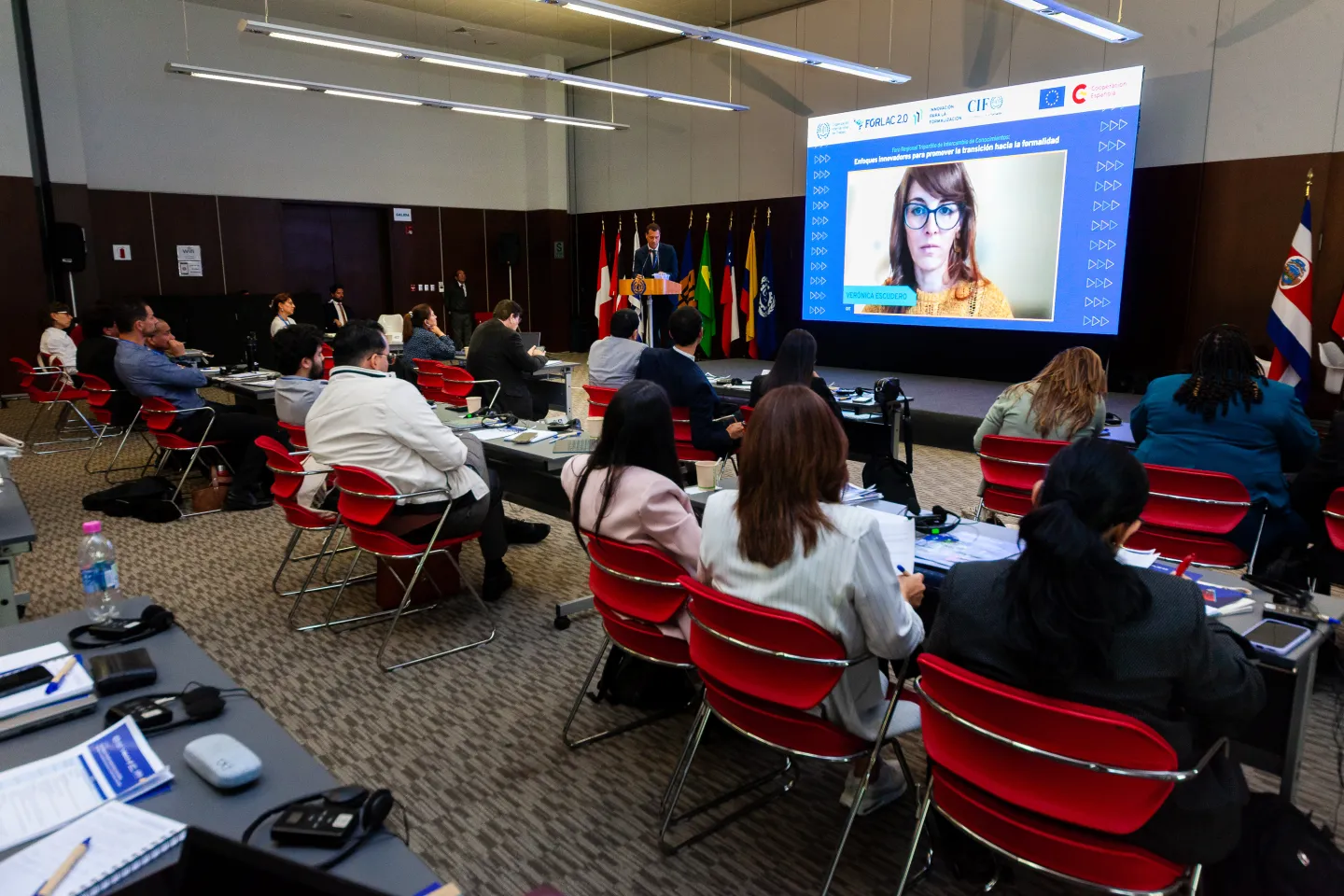
The forum's programme was developed along three axes:
- Day 1: Analysis of the relationship between productivity, formalization, and decent work, establishing a conceptual foundation.
- Day 2: Exploring innovation and digital technologies as key tools for formalization.
- Day 3: Examining sectoral approaches for the transition to formality, emphasizing social dialogue and inter-institutional coordination.
The results of the discussions held at the Forum will provide key inputs for the General Discussion at the International Labour Conference in June 2025, which will focus on the implementation of ILO Recommendation No. 204 on the transition from the informal to the formal economy.
"While informality is a common challenge in the region, each country faces its own unique circumstances. We need effective public policies that include traceability, impact measurement and support to consolidate formalization. It is also essential to make our youths aware and nurture a culture of formality," said Mylene Cano, from Coparmex as representative of the employers' organizations.
Guido Bajaña, Vice Minister of Public Service of Ecuador, highlighted the role of governments and the promotion of tripartite social dialogue:"The State has a fundamental role in establishing clear rules and fostering social dialogue with respect and sensitivity, ensuring an inclusive transition to formality."
The Forum stressed the importance of an inclusive approach, integrating the perspectives of 33 tripartite representatives and international experts, to establish sustainable policies that promote the formalization of enterprises, the use of digital technologies, sectoral approaches, and the improvement of productivity of those small and medium-sized enterprises in transition toward formality.
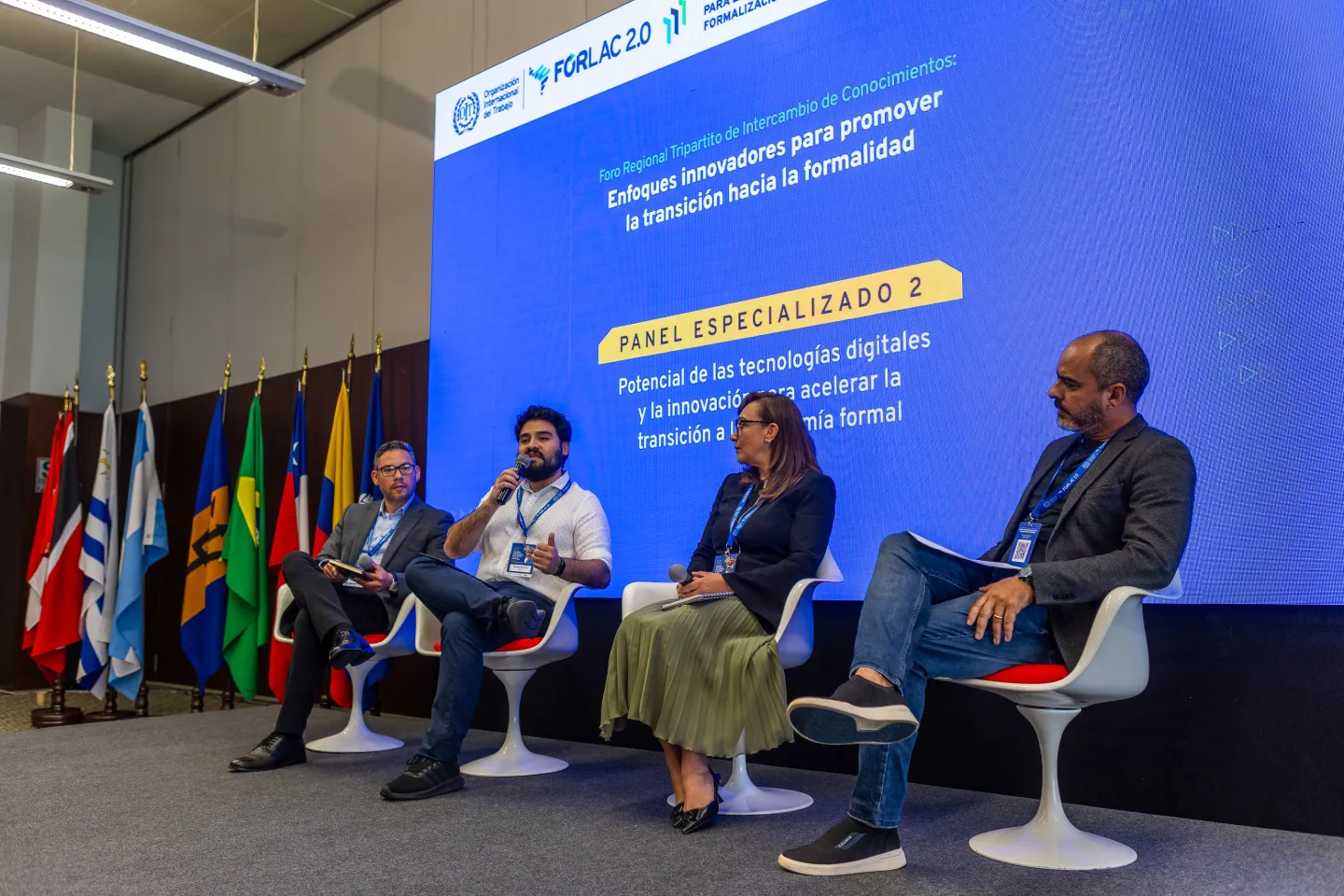
Ana Virginia Moreira, ILO Regional Director for Latin America and the Caribbean, highlighted: "Through the Forum and FORLAC 2.0, we reaffirm our commitment to decent work, with tripartite social dialogue and international labour standards at its core. We continue to promote actions aligned with the objectives of the General Discussion of the International Labour Conference and the principles of the Global Coalition for Social Justice, promoting decent work, strengthening regional capacities and advancing towards inclusive social justice.
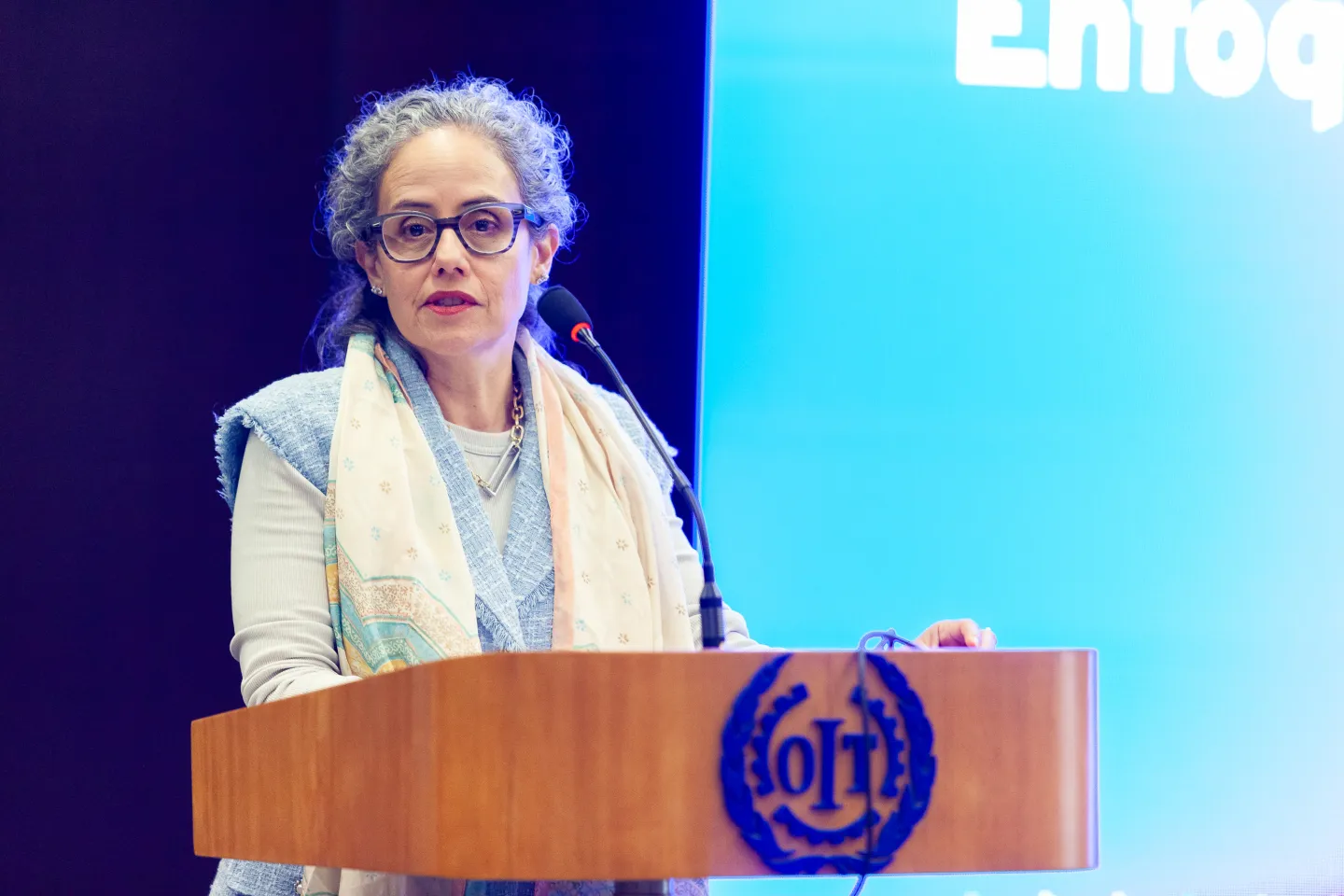
In addition, Frédéric Lapeyre, Director of the ILO's Priority Action Programme for Formalization, emphasized the region's valuable contribution: "This forum has highlighted the initiatives, challenges and innovative approaches in Latin America and the Caribbean to move towards the formal economy. We have highlighted the role of political commitment, social dialogue and digital tools to modernize key sectors, such as agriculture and SMEs, by outlining effective routes to formality.”
Daniel Jorajuría, representative of the Trade Union Confederation of the Americas, highlighted the relevance of collective work: "The FORLAC 2.0 strategy allows us to move towards the solution of a problem that affects half of the working class of the region. It is urgent to change the productive model, strengthen labour rights and generate decent jobs to build a more just and supportive society."
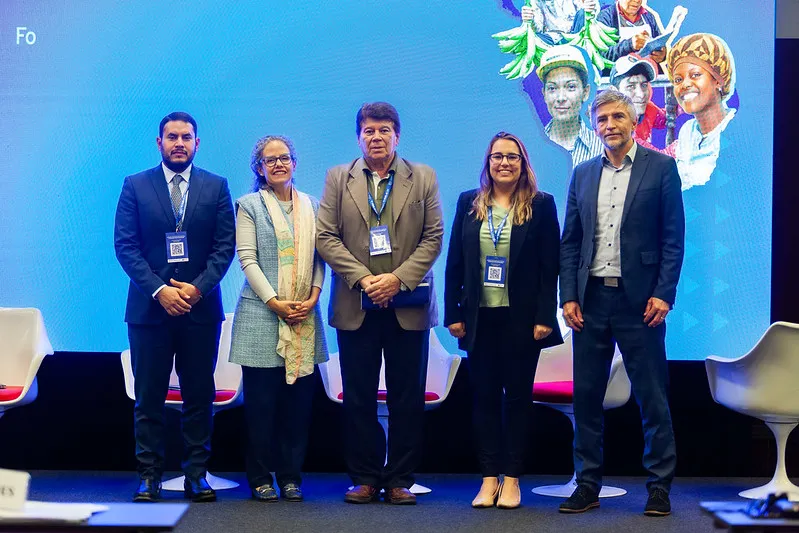
The Forum was held within the framework of the Formalization Strategy for Latin America and the Caribbean FORLAC 2.0, the ILO's Innovative Solutions for Formalization in Latin America and the Caribbean project, co-financed by the European Union and the Action Programme for Formalization (AP/F).
The event was also supported by strategic allies such as the European Union, the United Nations Economic Commission for Latin America and the Caribbean (ECLAC), the Spanish Agency for International Development Cooperation (AECID), the International Labour and Employment Relations Association (ILERA) and Hacer Perú, whose support bolsters efforts to foster synergies to build a fairer and more equitable future in the region.
Reflections
| What are the key lessons from the Tripartite Forum in Latin America and the Caribbean? | How does Latin America and the Caribbean contribute to the global labour formality debate? |
|
|
|
Related content
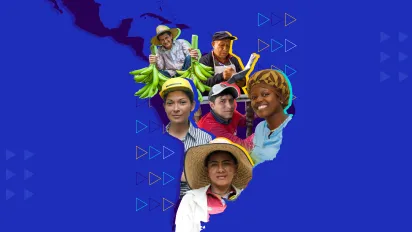
Tripartite Regional Knowledge Sharing Forum

Innovative Solutions for Formalization in Latin America and the Caribbean (FORMALIZATION)