

World day for safety and health at work 2026
Kazakhstan conference examines AI and workplace safety
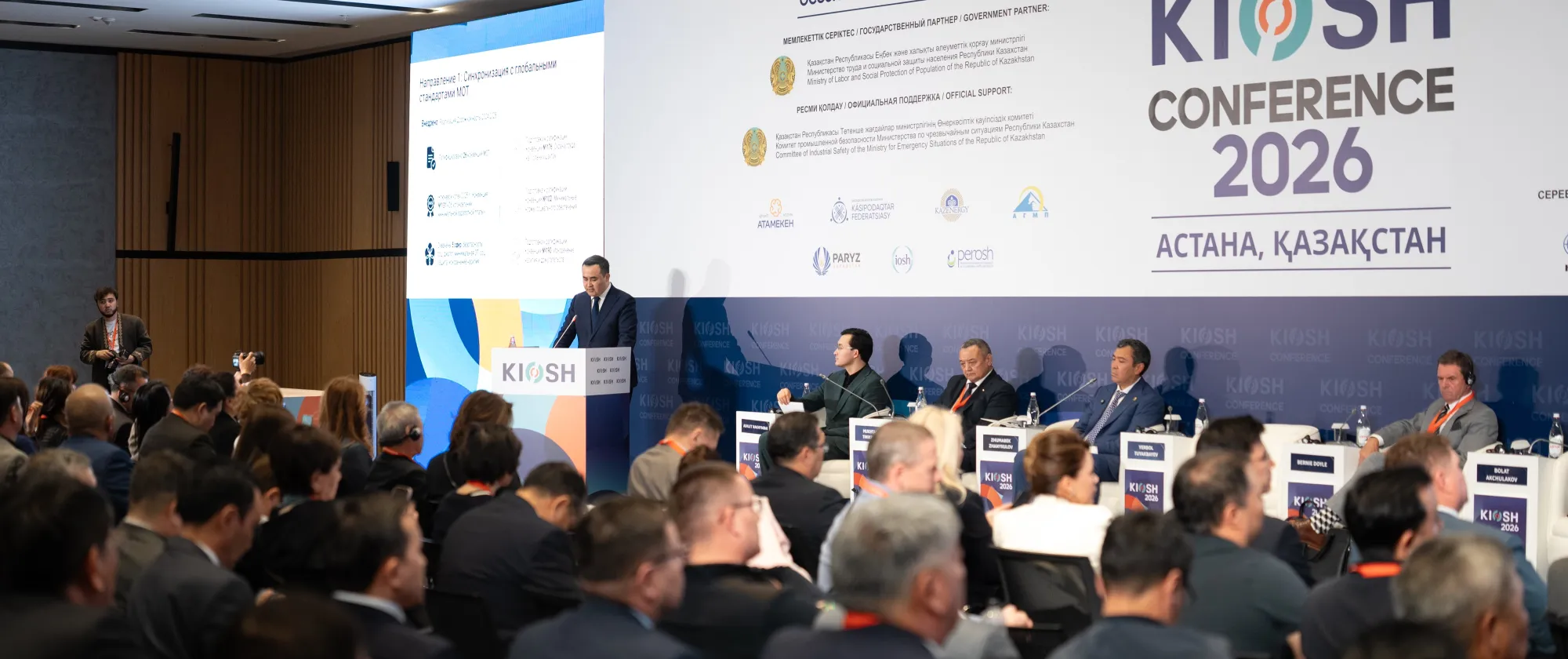
KIOSH 2026 in Kazakhstan brought together governments, employers, workers and ILO experts to discuss digitalization, psychosocial risks and workplace safety.
28 April 2026
ASTANA (ILO News) – Digitalization and artificial intelligence (AI) are reshaping occupational safety and health, requiring a stronger focus on prevention and worker well-being, experts said at the Kazakhstan International Conference and Exhibition on Occupational Safety and Health KIOSH 2026, held from 28 to 30 April in Astana. The event, which marked the World Day for Safety and Health at Work, focused on the role of intelligent technologies in transforming occupational safety and health (OSH) systems.
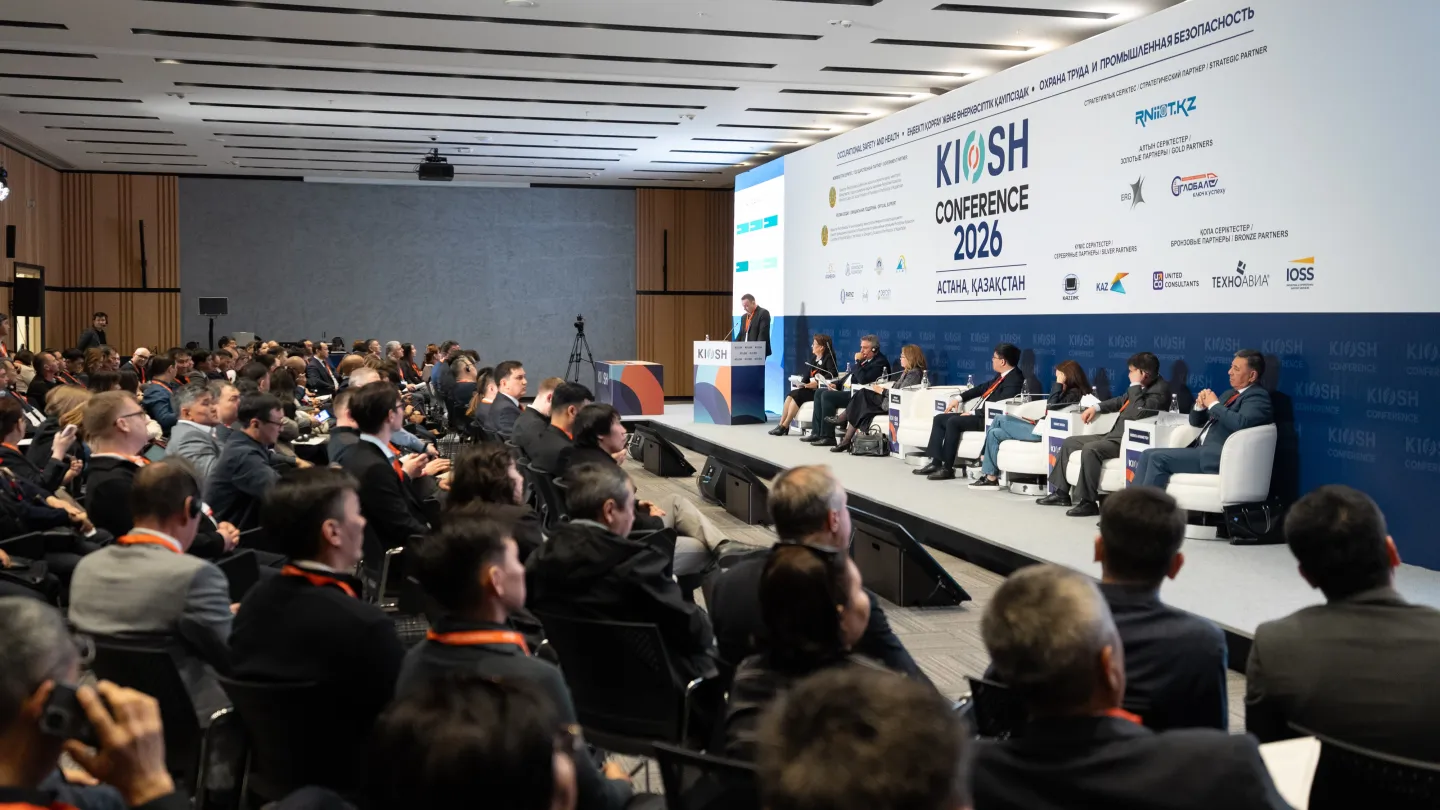
Since 2012, KIOSH Conference has become a leading regional platform for dialogue on OSH, bringing together governments, employers and workers to exchange experience and discuss emerging challenges. This year’s conference focused on the impact of digital transformation and intelligent technologies on the world of work, including their implications for workplace safety and health.
“Digitalization is no longer just a tool, but the foundation of a new occupational safety and health system,” said First Vice-Minister of Labour and Social Protection of the Population Yerbol Tuyakbayev, addressing participants. He noted that despite progress in reducing workplace injuries, continued joint efforts by all social partners remain essential.
Experts highlighted a shift towards more proactive and preventive approaches to occupational safety and health, supported by digital tools and strengthened labour inspection systems. Discussions also emphasized the importance of integrating psychosocial risks into OSH frameworks, promoting effective social dialogue and ensuring that the use of new technologies remains human-centred and reflected in workplace practices and collective agreements.
“Every person has the right to safe and healthy working conditions,” said Mikhail Pouchkin, Director of the ILO Office for Eastern Europe and Central Asia, in his video address, noting that new technologies must “serve human well-being, not undermine it.”
During the conference, the ILO presented the global report The psychosocial working environment: Global developments and pathways for action. Participants discussed the growing impact of how work is designed, organized and managed on workers’ health and safety. The findings point to the need for governments, employers and workers to integrate psychosocial risks into OSH frameworks, strengthen regulation, build capacity and promote a human-centred approach to ensure safe and healthy work for all.

The event also featured the presentation of E-Collab.OSH, a digital platform aimed at strengthening knowledge-sharing and promoting a culture of prevention in OSH. The platform facilitates collaboration among practitioners, institutions and social partners and supports access to good practices in the field.
The conference outcomes, reflected in the KIOSH 2026 resolution, underline the need to strengthen occupational safety and health systems through digitalization, risk-based approaches and improved labour inspection. They also emphasize reinforcing social dialogue and aligning national frameworks with international labour standards.
Related content

World day for safety and health at work 2026

World Day for Safety and Health at Work 2026
840,000 deaths a year linked to psychosocial risks at work

Development Cooperation Project
Promoting occupational safety and health through social dialogue in mining sector in Kazakhstan

Topic portal
Artificial intelligence
Relevant projects
Development Cooperation Project
Promoting occupational safety and health through social dialogue in mining sector in Kazakhstan