

Iraq advances towards a National Strategy for the Transition to the Formal Economy
National Steering Committee brings together government, workers’ and employers’ representatives to support an integrated national approach to formalization.
2 September 2026
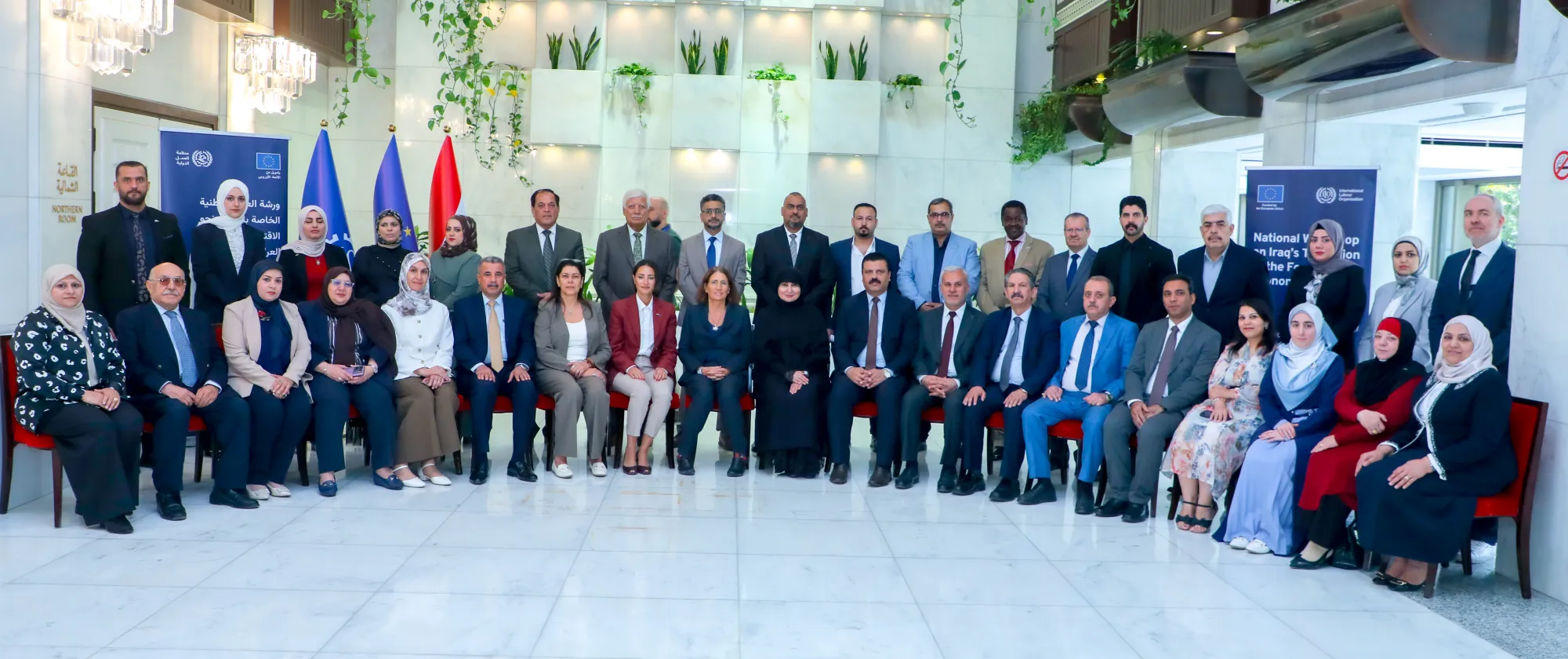
BAGHDAD (ILO News) –Iraq has taken an important step towards developing a National Strategy for the Transition to the Formal Economy with the convening in Baghdad of the first national workshop of the National Steering Committee for the Transition to the Formal Economy (Integrated Policies and Follow-up Mechanisms). The workshop brought together 39 representatives of government institutions, workers and employers, alongside experts from the International Labour Organization (ILO).
The workshop marked a key milestone in translating the mandate of the National Steering Committee into a structured national process for developing the Strategy. Chaired by the Ministry of Planning, the Committee brings together relevant government institutions and representatives of workers and employers, with the ILO serving as technical adviser. At its first meeting, held on 6 August 2026, the Committee endorsed in principle its mandate and a roadmap for the development of the National Strategy.
The Committee’s membership reflects the multidimensional nature of the transition to the formal economy. It brings together representatives of the Ministries of Planning; Labour and Social Affairs; Trade; Finance; Construction, Housing and Public Municipalities; Industry and Minerals; and Agriculture, as well as the Authority of Statistics and Geographic Information Systems, the Central Bank of Iraq, and the High Commission for Coordination among Provinces. It also includes the Private Sector Development Council, representatives of employers’ organizations, including the Federation of Iraqi Chambers of Commerce and the Iraqi Federation of Industries, and representatives of workers’ federations and trade unions. This broad composition brings together economic and social policies, the labour market and social protection, private sector development, finance, statistics, local development, and the perspectives of workers and employers within a single national process.
The workshop was jointly organized by the Ministry of Planning and the ILO under the EU–UN Joint Programme on Social Protection in Iraq, with support from the European Union. It also brought together ILO expertise from Iraq, the Regional Office for Arab States and ILO Headquarters.
The high-level opening session included Dr Hanaa Ismail Al-Asadi, Deputy Minister of Planning for Administrative Affairs; Claire Courteille-Mulder, ILO Deputy Regional Director for Arab States; Sarah Mokri, Cooperation Attache of the Delegation of the European Union to Iraq; Dr Sabah Jundi Mansour, Chair of the National Steering Committee for the Transition to the Formal Economy; and Ruby Alsalem, ILO Country Coordinator for Iraq. Ian Orton, ILO Social Protection Specialist at the Regional Office for Arab States, also facilitated key technical discussions, together with Vaibhav Raaj, Project Manager of the Social Protection Programme in Iraq, and the program team. Several ILO specialists from headquarters and the Arab Region presented the integrated policy framework of Recommendation No. 204 and joined the thematic discussions online.
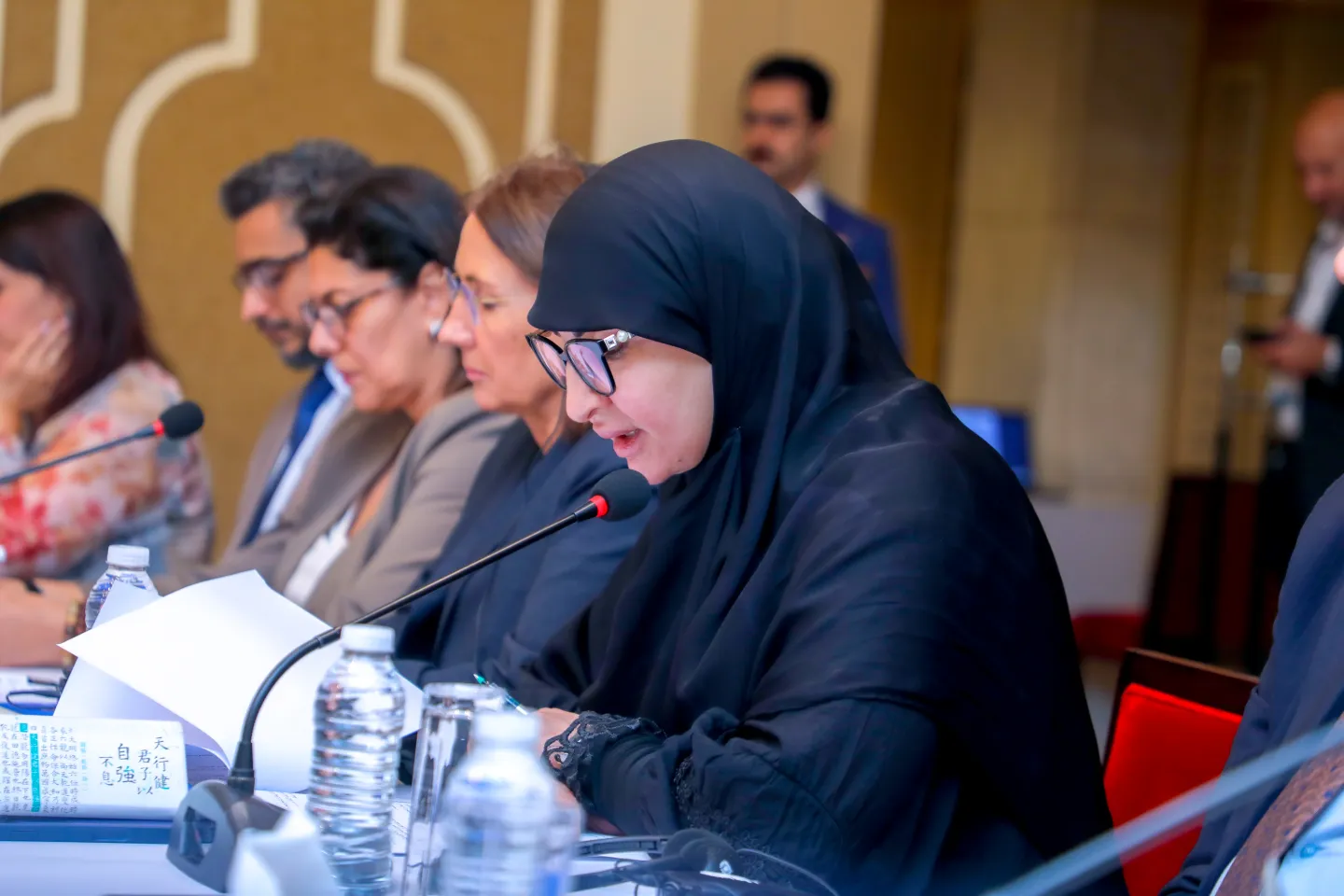
In her opening remarks, Dr Hanaa Ismail Al-Asadi emphasized that the transition to the formal economy goes beyond regulatory and procedural dimensions and constitutes an integrated reform process. She noted that the Ministry of Planning views the transition as part of a broader national reform process involving State institutions and the private sector, contributing to the development of Iraq’s economic structure, the advancement of sustainable development, and the creation of a more enabling environment for work, investment and production.
“The transition to the formal economy should not be viewed as a regulatory process aimed at imposing additional obligations on economic actors, but rather as an integrated reform process aimed at creating an environment that enables enterprises to grow, facilitates doing business, improves access to finance and markets, strengthens social protection, and increases the productivity of the national economy,” she said.
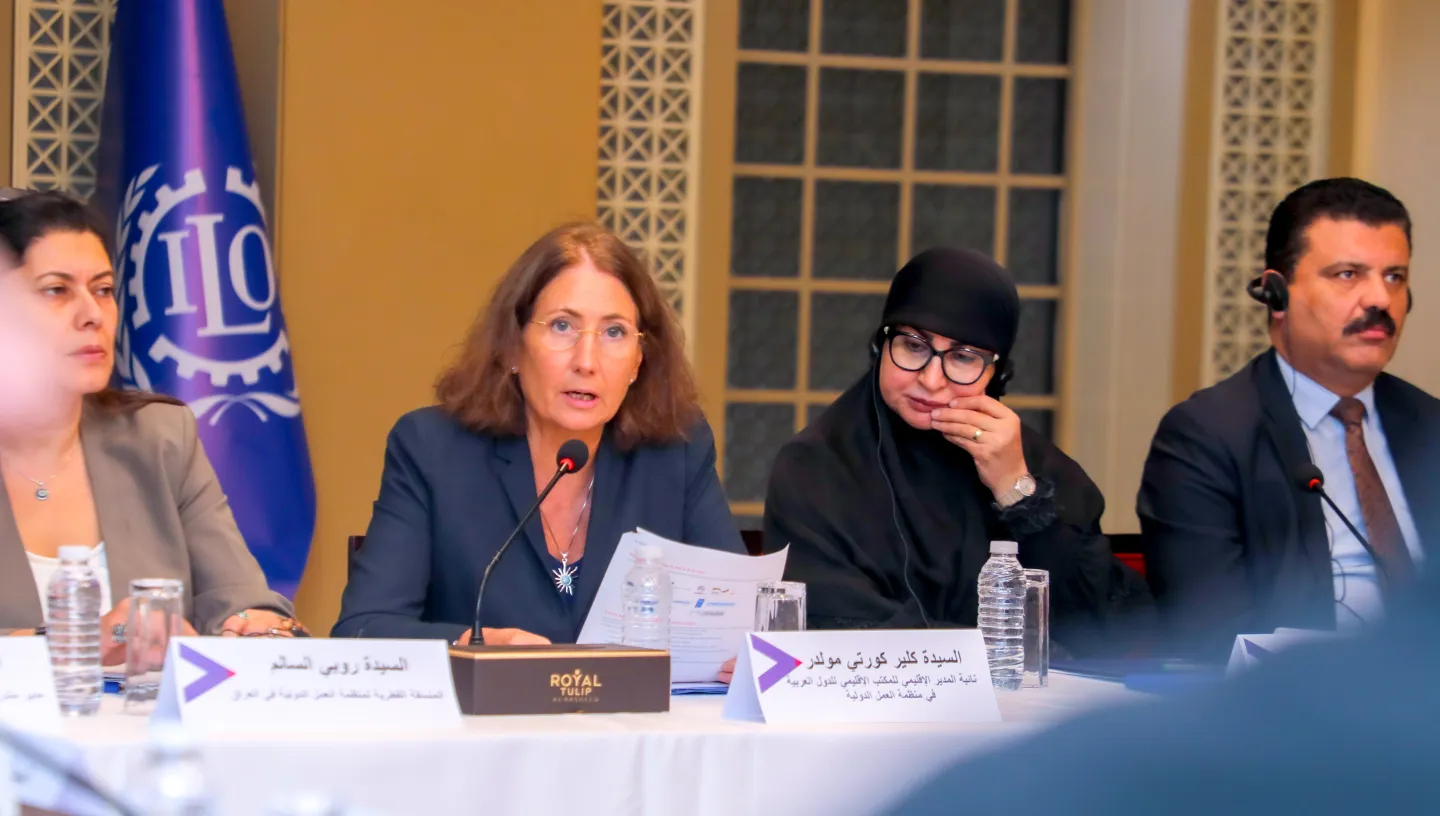
Claire Courteille-Mulder highlighted the importance of the Committee’s collective work and its role in supporting private sector development, reaffirming the ILO’s readiness to continue supporting the Committee’s efforts, including through expertise, data and technical dialogue.
“The transition to the formal economy is not the result of a single intervention. It requires an integrated approach that brings together social protection, the business environment, workers’ rights, enterprise development, and economic and social policies. The ILO will continue to support Iraq on this path by mobilizing its expertise at country, regional and global levels,” she said.
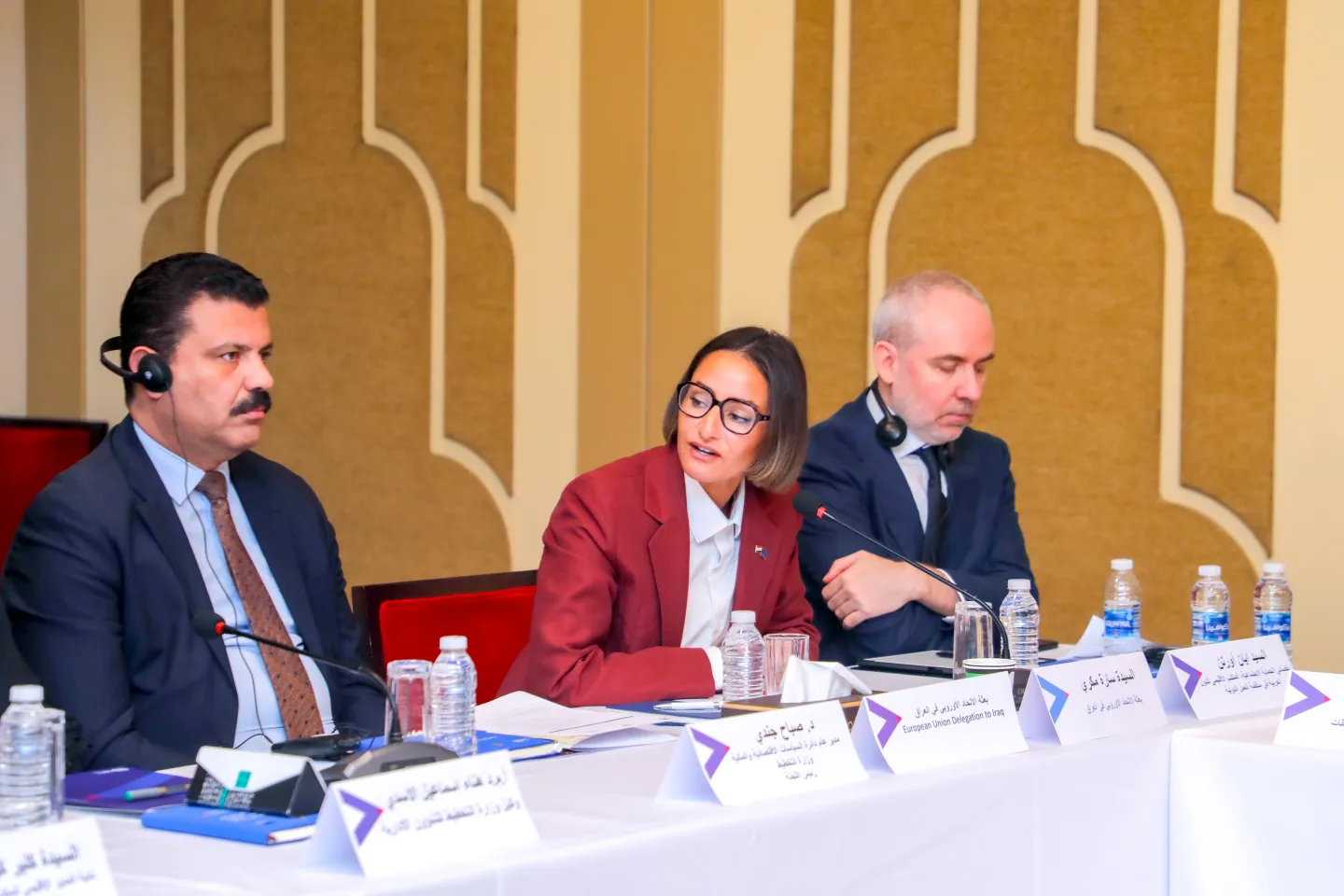
Sarah Mokri welcomed the work of the Committee and reaffirmed the European Union’s commitment to continuing its partnership with Iraq in support of the country’s development efforts, stressing the importance of joint and collective action in advancing the Committee’s objectives.
Dr Sabah Jundi Mansour, Chair of the National Steering Committee for the Transition to the Formal Economy and Director-General of the Economic and Financial Policies Department at the Ministry of Planning, stressed that the workshop represented an important milestone in an ongoing national process to organize economic activities, strengthen the business environment, protect workers’ rights, expand social protection and strengthen the evidence base needed for policymaking.
“The transition to the formal economy is not simply an administrative process of registering enterprises or regulating employment. It is an integrated economic, institutional and social transformation linked to the efficiency of the national economy and its ability to create jobs, protect workers, increase productivity, improve the business environment, and strengthen the State’s capacity for planning and evidence-based policymaking,” he said.
The workshop helped establish a shared conceptual and normative foundation for Iraq’s transition to the formal economy, grounded in ILO Recommendation No. 204 concerning the Transition from the Informal to the Formal Economy, the fundamental principles and rights at work, international labour standards, and relevant experience.
The workshop was held under the EU–UN Joint Programme on Social Protection in Iraq, funded by the European Union and implemented in partnership with the Government of Iraq.
Related content
Country Portal
Iraq
Relevant projects

Project
Building Equitable and Inclusive Transformation (BEIT): Towards Decent Work and Affordable Housing in Iraq