

Labour migration
Indonesia strengthens its gender responsiveness fair recruitment and inspection mechanisms for migrant workers
The ILO joins forces with its social partners to improve private placement agencies’ compliance with fair, gender-responsive recruitment and inspection mechanisms at national and subnational levels to better protect Indonesian migrant workers.
1 July 2025
JAKARTA, Indonesia (ILO News) - The ILO and the Ministry for the Protection of Indonesian Migrant Workers (KP2MI) have agreed to collaborate on the application of ILO instruments—such as the Strategic Compliance Planning (SCP)—to improve working conditions, promote decent work, and prevent the exploitation of Indonesian migrant workers through gender-responsive recruitment and inspection practices. This agreement was formalized during an online meeting held on 23 June.
The meeting also covered the implementation of a series of training programmes throughout July for national and subnational government bodies and key stakeholders in four provinces: North Sumatera, East Nusa Tenggara, East Java, and Lampung. By applying the ILO's SCP framework—which identifies potential risks and introduces preventative measures—these training programmes aim to strengthen private placement agencies’ compliance with gender-responsive, fair recruitment and inspection mechanisms for the enhanced protection of Indonesian migrant workers.
These series of the training programmes are conducted by the ILO and KP2MI in collaboration with Migrant Worker Network (JBM) and the Indonesian Employers’ Association (APINDO). APINDO recently established a Committee on Migrants to support the improvement of labour standards among private placement agencies.

This online meeting served as a follow-up to the previous Tripartite Workshop titled “Strengthening the Gender-Responsive and Inclusive Inspection System for the Placement and Protection of Indonesian Migrant Workers at National and Subnational Levels,” jointly organized last May by the ILO in partnership with BP2MI, JBM and APINDO.
As a key regulator, Ministry will strengthen licensing, monitoring, inspection and enforcement mechanisms for private service providers, including private placement agencies... to prevent forced labour, human trafficking and exploitation of Indonesian migrant workers.
Rinardi, Director General of Protection at KP2MI
In his remarks, Rinardi, Director General of Protection at KP2MI, stated that the Ministry has established a dedicated Directorate for the Prevention, Inspection and Enforcement of Indonesian Migrant Workers’ protection. The Ministry also plans to develop a comprehensive system to safeguard the rights and welfare of Indonesian migrant workers.
“As a key regulator, Ministry will strengthen licensing, monitoring, inspection and enforcement mechanisms for private service providers, including private placement agencies. These efforts aim to ensure the effective implementation of fair and ethical recruitment practices to prevent forced labour, human trafficking and exploitation of Indonesian migrant workers,” he said.
Simrin Singh, ILO Country Director in Indonesia, emphasized the importance of applying international labour standards as a framework for stakeholders to recognize the needs of migrant workers and to develop robust labour protections consistent with internationally recognized human rights and labour standards.
“The ILO is pleased with the Indonesian government's initiative to apply ILO instruments in developing a strategic implementation plan for gender-responsive and effective inspection systems at both national and subnational levels for the placement and protection of Indonesian migrant workers,” Simrin added.

Colin Fenwick, Senior Labour Administration and Social Dialogue Specialist from the ILO’s Regional Office for Asia and the Pacific, further elaborated on the SCP instrument. This proactive approach to labour law compliance involves a multi-faceted strategy that goes beyond traditional enforcement, focusing on stakeholder engagement, root cause analysis and targeted interventions. Its goal is to improve working conditions, promote decent work and prevent the exploitation of migrant workers.
The ILO is pleased with the Indonesian government's initiative to apply ILO instruments in developing a strategic implementation plan for gender-responsive and effective inspection systems at both national and subnational levels for the placement and protection of Indonesian migrant workers.
Simrin Singh, ILO Country Director in Indonesia
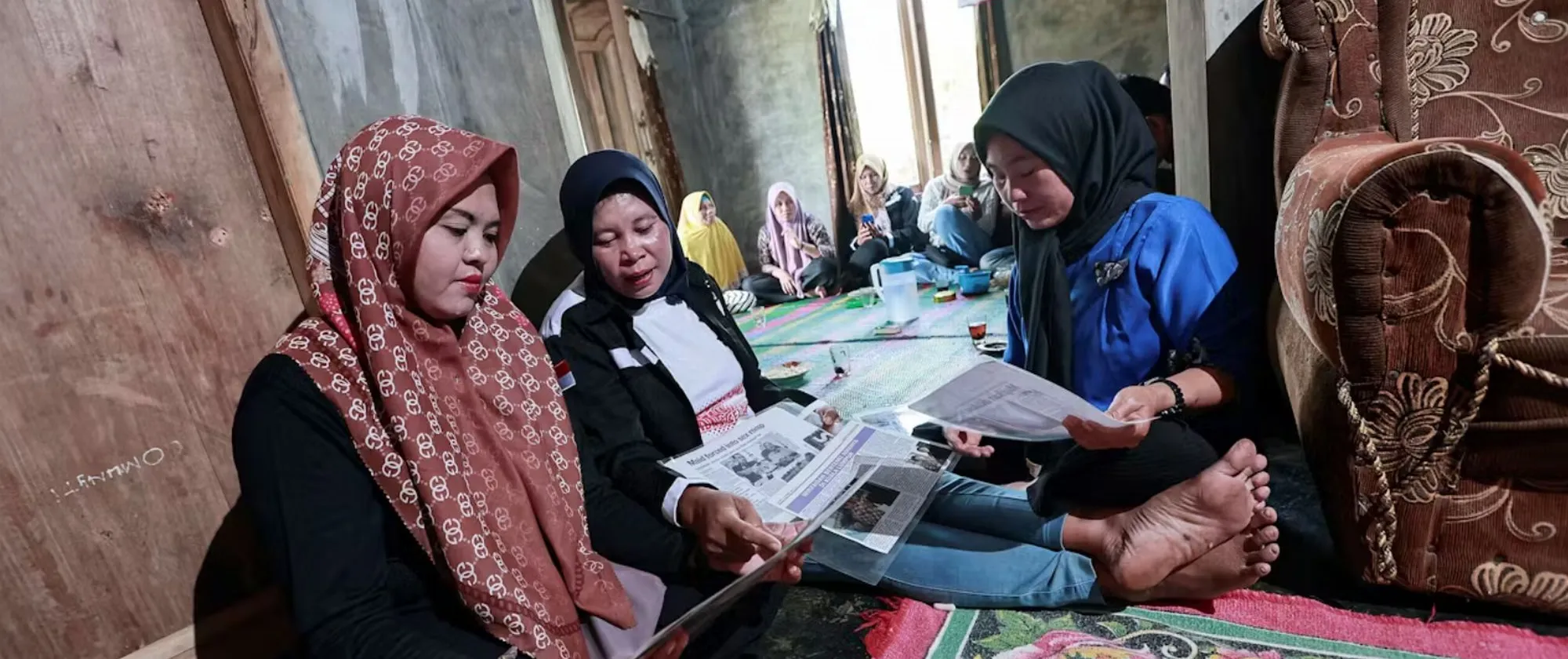
Despite their significant contributions, women migrant workers—particularly those in informal and domestic sectors—remain vulnerable to violence, trafficking, sexual harassment, labour violations and unpaid wages. Unsafe and unfair recruitment practices, including mistreatment by private agencies during recruitment and pre-departure phases, impose additional socioeconomic burdens and reduce their chances for meaningful progress.
The ILO supports this initiative through its PROTECT project, which is funded by the European Union. The project promotes decent work and reduces vulnerabilities among at-risk populations by upholding labour rights and preventing—and responding to—violence against women and children, human trafficking and migrant smuggling.
Related content
Labour migration
Ensuring Decent Work and Reducing Vulnerabilities for Women and Children in the Context of Labour Migration in South-East Asia (PROTECT)
Relevant projects
Labour migration
Ensuring Decent Work and Reducing Vulnerabilities for Women and Children in the Context of Labour Migration in South-East Asia (PROTECT)