


Indonesia achieves 60 per cent sustainability in Decent Work Programme Review
The ILO and its tripartite constituents jointly review progress on the three priority areas of Indonesia’s Decent Work Country Programme (DWCP) for the 2020–2025 period.
18 August 2025
JAKARTA, Indonesia (ILO News) - Sixty percent of the outcomes from Indonesia’s Decent Work Country Programme (DWCP) 2020–2025 were found to be sustainable, continuing to deliver impact long after project completion. Nearly half (47%) led to major reforms, while 38 per cent contributed to incremental improvements and 15 per cent to transformative changes, clear signs of the programme’s enduring and transformative influence, as highlighted in the ILO’s Country Progress Review.
Launched in 2020 to respond to the fast-evolving landscape of work, DWCP Indonesia set out to tackle shifting employment regulations through three strategic priorities: 1. Effective social dialogue that promotes sustainable business and workers’ welfare; 2. Job creation and youth employment; and 3. Enhancing protection for vulnerable groups of workers.
The ILO’s Progress Review revealed that of the 212 total outcomes achieved, 94 were aligned with Priority 1, 68 with Priority 2 and 50 with Priority 3, highlighting a balanced and targeted approach to advancing decent work across the country.
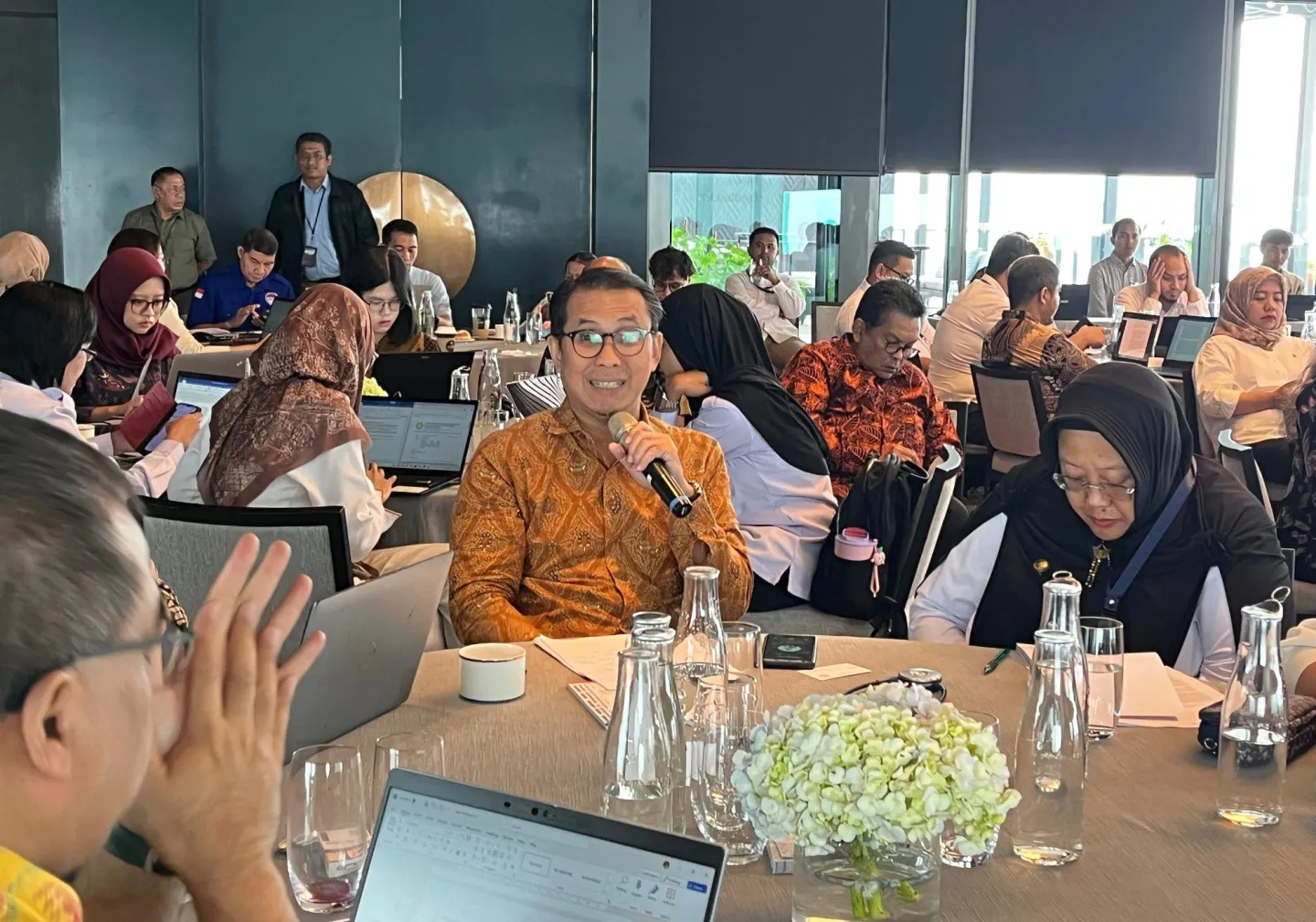
Looking ahead, we must prepare for emerging challenges, including political dynamics, climate change, and the rapid development of technology, to build a more adaptive and resilient world of work.
Chairul Saleh, Director of Manpower Productivity at the Coordinating Ministry for Economic Affairs
Held in Jakarta on 12 August, the Progress Review highlighted that the most significant changes were driven by the government, accounting for 45 per cent of the total, while workers’ and employers’ organizations contributed 14 per cent. Despite these advances, key challenges remain. Priority 1 faced limited bipartite and tripartite engagement, while Priority 2 saw no tangible progress in developing a future skills-oriented labour market information system. Additionally, Priority 3 was hindered by the absence of a unified strategy among stakeholders, leading to fragmented efforts and potential duplication across outcomes.
Chairul Saleh, Director of Manpower Productivity at the Coordinating Ministry for Economic Affairs (CMEA), commended the ILO and its tripartite partners for the comprehensive progress review and its encouraging results. He noted that the outcomes align closely with CMEA’s key performance indicators.
“Looking ahead, we must prepare for emerging challenges, including political dynamics, climate change, and the rapid development of technology, to build a more adaptive and resilient world of work. At CMEA, we are currently exploring opportunities in the green jobs sector, with a particular focus on identifying and developing the skills needed to support its growth,” said Chairul.
While the outcomes are certainly encouraging and inspiring, they also highlight areas where we must work together to make further improvements. These efforts that should be carried forward into the next DWCP cycle.
Simrin Singh, ILO Country Director for Indonesia and Timor-Leste
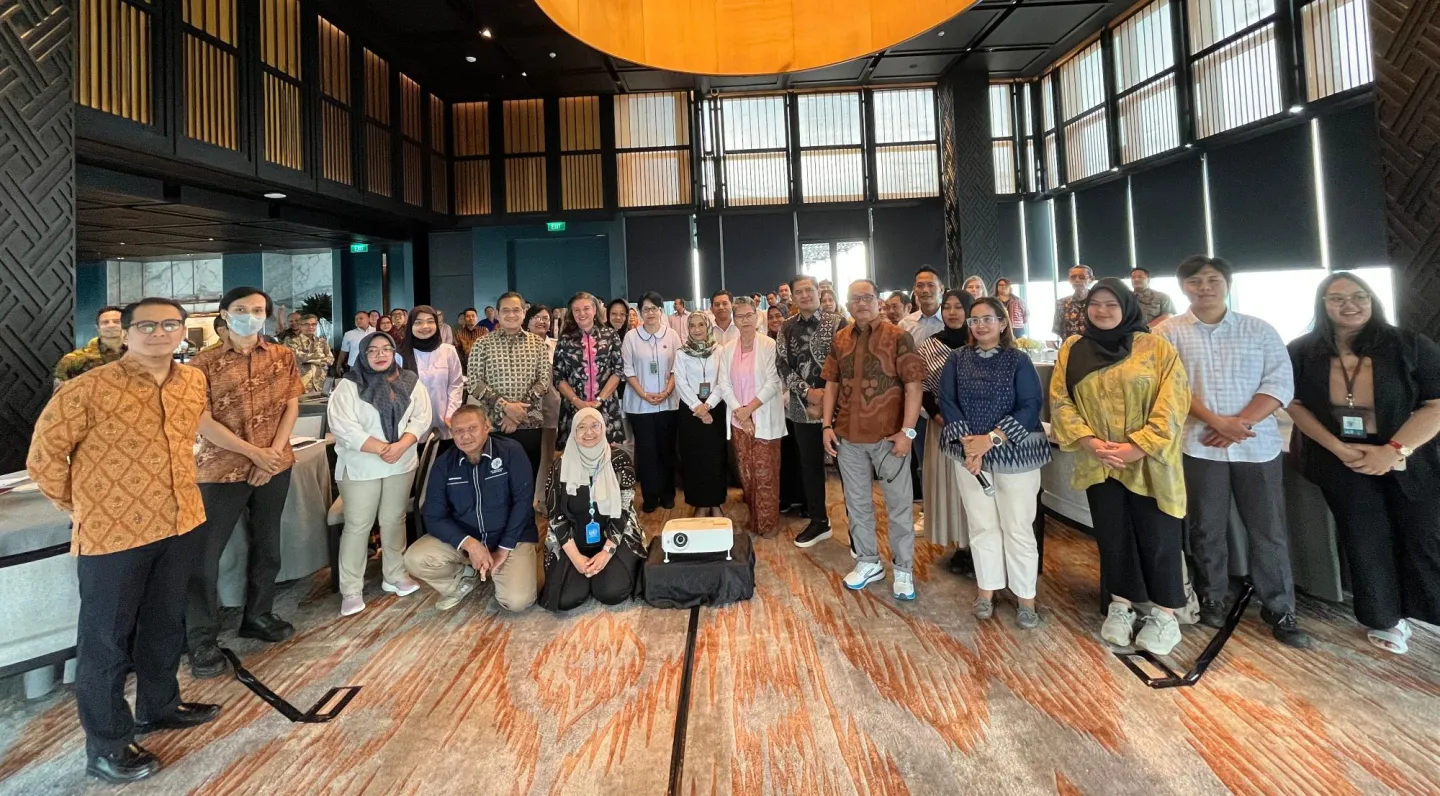
Feedback from approximately 70 participating tripartite constituents highlighted several key concerns: the need to translate outcomes into tangible improvements in people's daily lives, persistent gaps in coordination with regional governments, the importance of concrete follow-up actions to sustain progress, existing working conditions that require workers to multitask and ensuring that all outcomes align with long-term development planning frameworks.
Simrin Singh, ILO Country Director for Indonesia and Timor-Leste, praised the spirit of collaboration reflected in the Progress Review. She emphasized, “The DWCP is Indonesia’s national programme, with the ILO serving only as a facilitator. While the outcomes are certainly encouraging and inspiring, they also highlight areas where we must work together to make further improvements. These efforts that should be carried forward into the next DWCP cycle.”
Related content
ILO works hand in hand with its tripartite constituents to document evidence-based progress of DWCP in Indonesia