

The ILO successfully organized a study visit by the Chinese delegation to Singapore on skills development and lifelong learning
From 26 to 30 May 2025, the ILO Quality Apprenticeship and Lifelong Learning in China Project Phase 2 successfully organized a study visit by a Chinese delegation to Singapore on apprenticeship and lifelong skills development. 11 Chinese delegates from project partners and pilot institutions had in-depth exchanges with Singaporean policymakers and skills experts during the one-week study visit, learning about good practices and further exploring strategies to strengthen Chinese lifelong vocational training in line with the evolving labour market.
31 May 2025
Singapore (ILO news)- From 26 to 30 May 2025, the ILO successfully organized a study visit by a Chinese delegation to Singapore in collaboration with the Institute of Technical Education (ITE) in Singapore. This study visit was a key international exchange activity of Quality Apprenticeship and Lifelong Learning in China Project Phase 2. The Chinese delegation consisted of 11 policymakers and practitioners from Ministry of Human Resources and Social Security (MOHRSS), Municipal Bureaux of Human Resources and Social Security of project pilot cities, pilot enterprises and TVET institutions. The study visit aimed to deepen the delegates’ understanding of Singaporean lifelong skills development system, identify best practices, and explore pathways to improve China New Apprenticeship and lifelong vocational training.
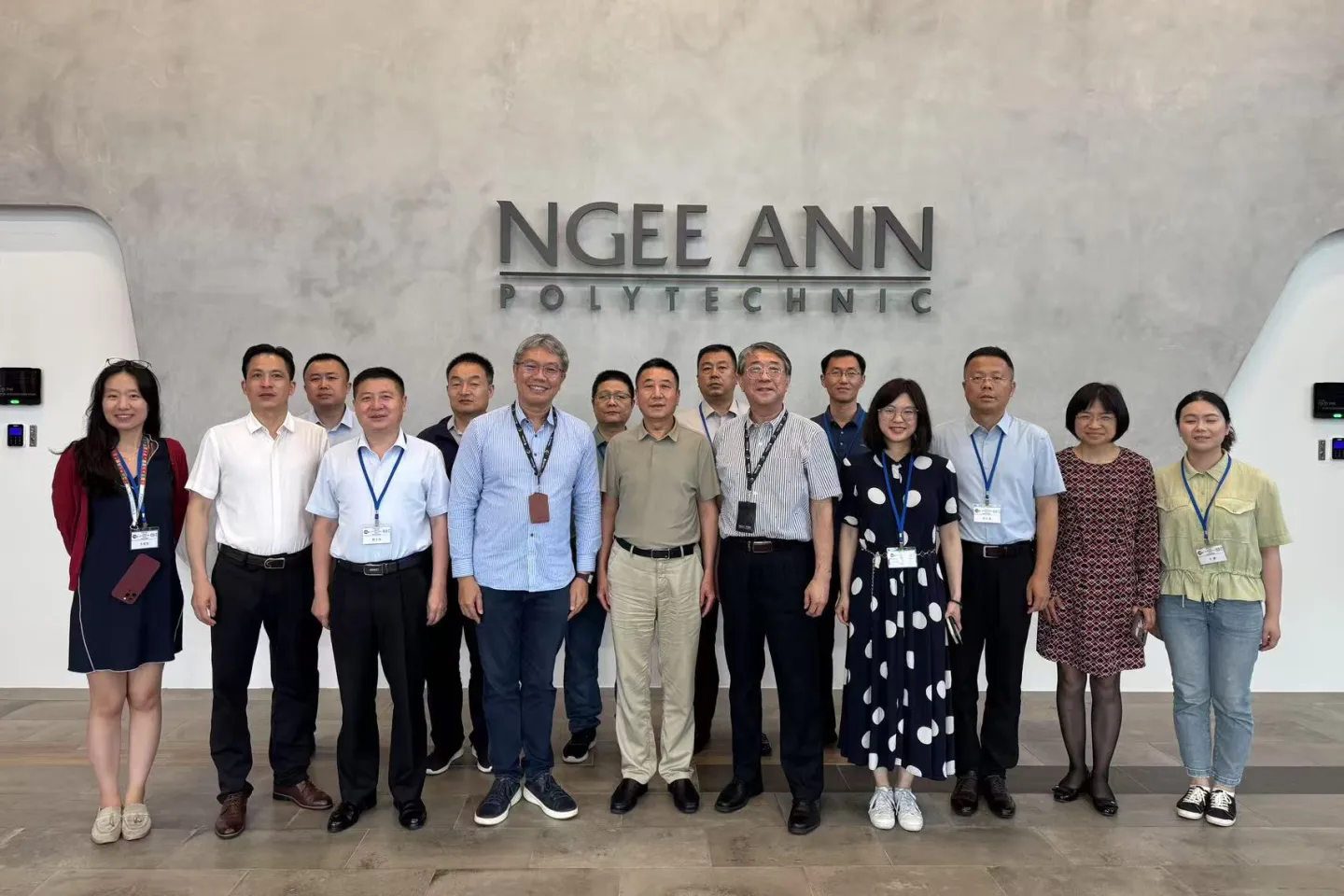
The study visit in Singapore combined expert seminars with on-site visits. 11 thematic seminars were delivered by Singaporean senior specialists in various fields of skills development and lifelong learning. The seminars covered the formulation of policies and standards to promote lifelong vocational training, the application of new technologies and methods for skill needs analyses, industry-training integration and work-study programmes, competency development of TVET trainers, upskilling and reskilling in the era of AI advancement and green transition, etc. Through informative seminars and fruitful discussions with specialists, the Chinese delegates gained valuable insights on the Singaporean skills development ecosystem.
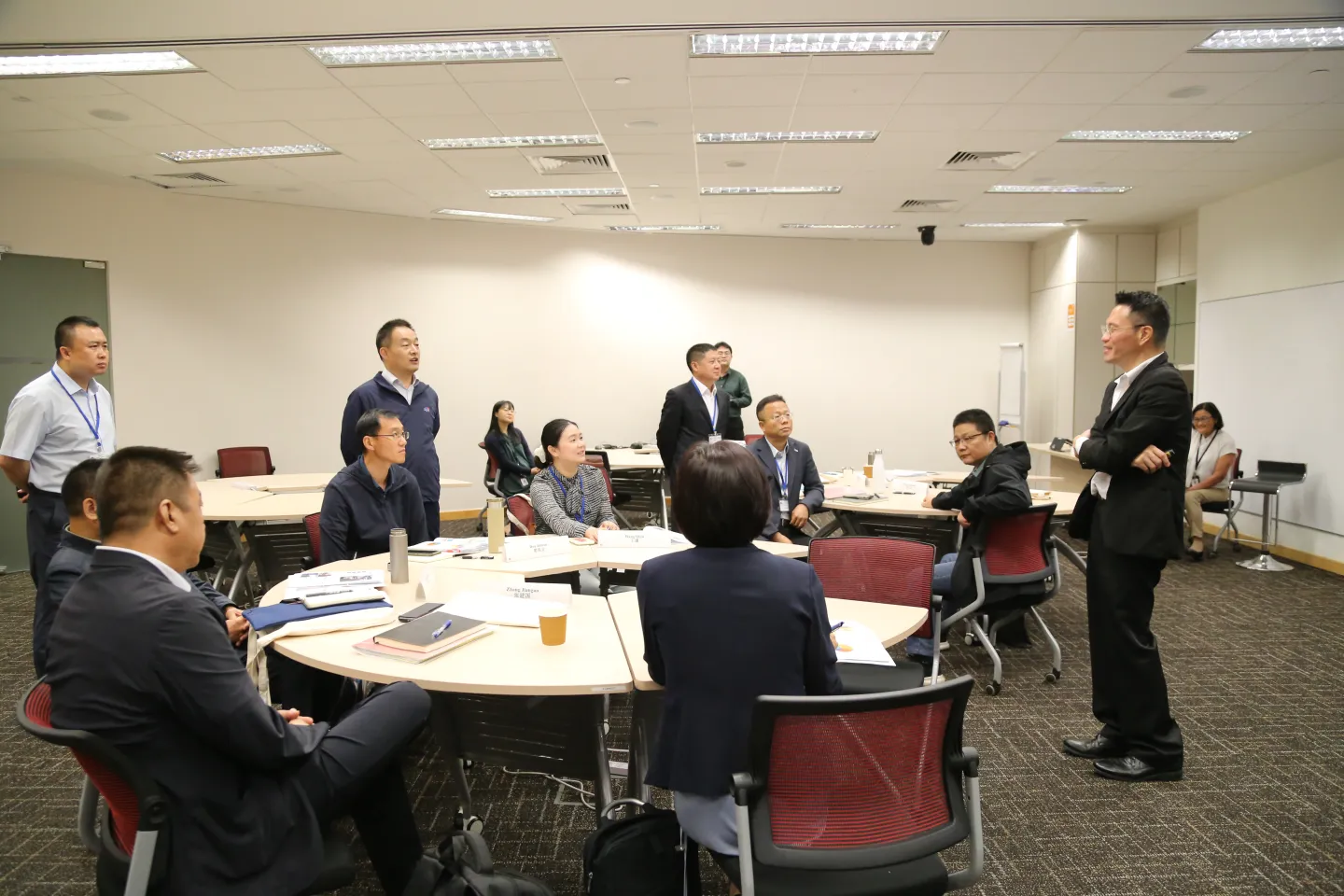
Singapore's successful experience demonstrates that by fully motivating workers' willingness and engagement, and aligning training contents with their career development needs, can we genuinely enhance the effectiveness and attractiveness of vocational training. This provides valuable inspirations for us to advance our lifelong vocational training system in future.
Mr. Shengwen XIANG, Director of Department of Vocational Capacity Building of MOHRSS
Singapore's apprenticeship model reflected by its 'Work-Study Diploma' offers valuable insights for our technician college in cultivating high-quality skilled talents and supporting local economic development. Its methodologies on skill needs analyses, training and assessments of vocational teachers, as well as work-study curriculum development and update, serve as exemplary practices that we can learn for local adaptation.
Mr. Jinwen DOU, Deputy Dean of Intelligent Manufacturing Department of Rizhao Technician College, Shandong Province
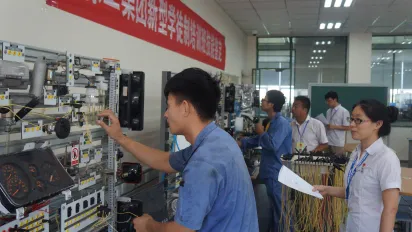
Complementing the expert seminars, on-site visits offered the Chinese delegation first-hand observations and practical experience. The Chinese delegates visited training bases of various occupations across ITE, Ngee Ann Polytechnic and Yamazaki Mazak Singapore. They engaged in productive exchanges with frontline experts involved in skills framework formulation, curriculum development, and on-the-job training. The delegates enhanced their understanding of aligning skills development with labour market demands. On the last day, the ILO organized a concluding workshop, during which all Chinese delegates shared their gains from the study visit and thoughts on how to integrate what was learned into their future work.
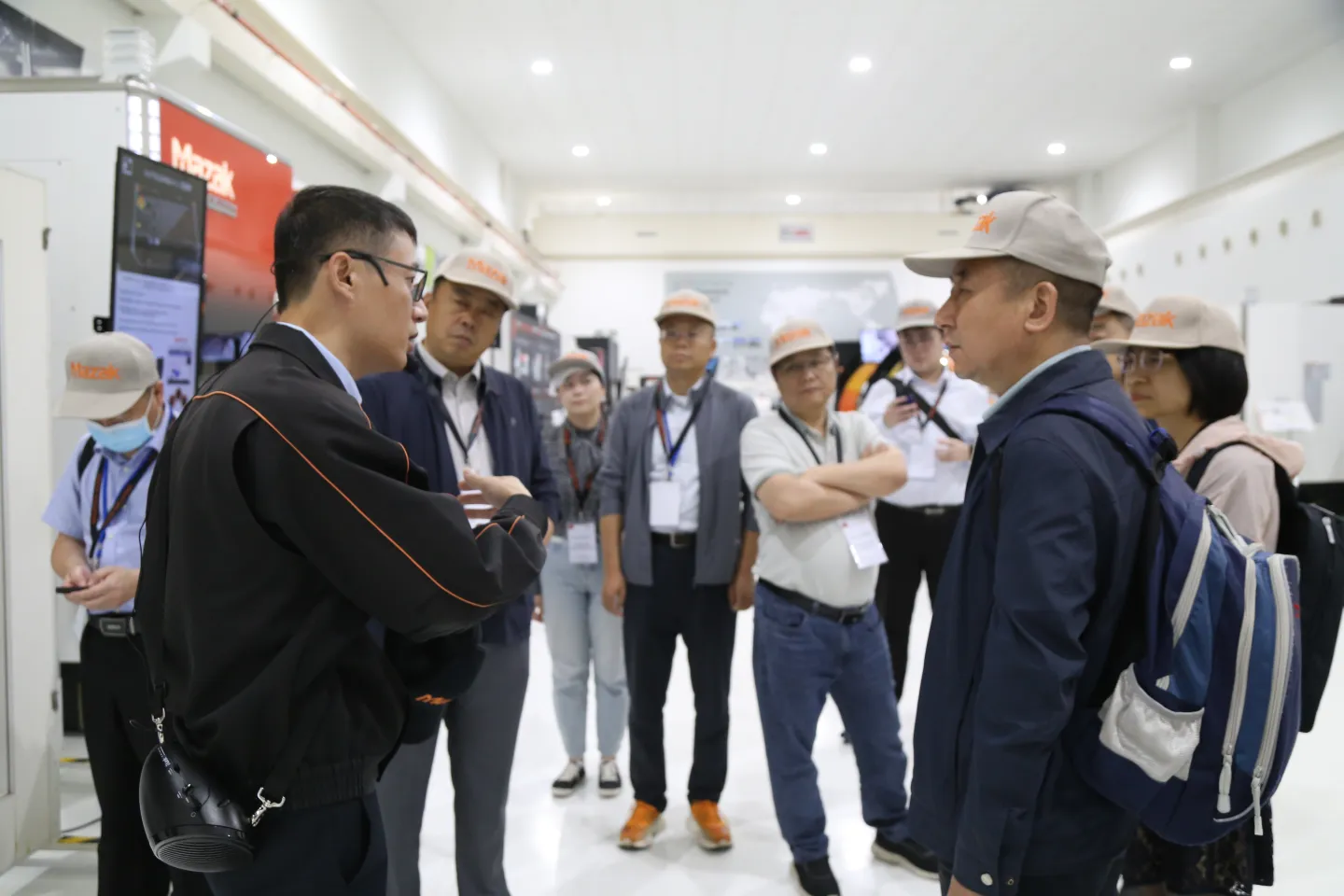
Enterprises should deeply engage in the vocational training process by jointly formulating training plans and standards with TVET institutions, assigning enterprise technical experts to teach and guide students, and providing hands-on work opportunities. This can make students easier to meet skill requirements by enterprises upon their graduation.
Mr. Yufeng LIANG, Senior Engineer of Jilin Petroleum and Chemical Corporation
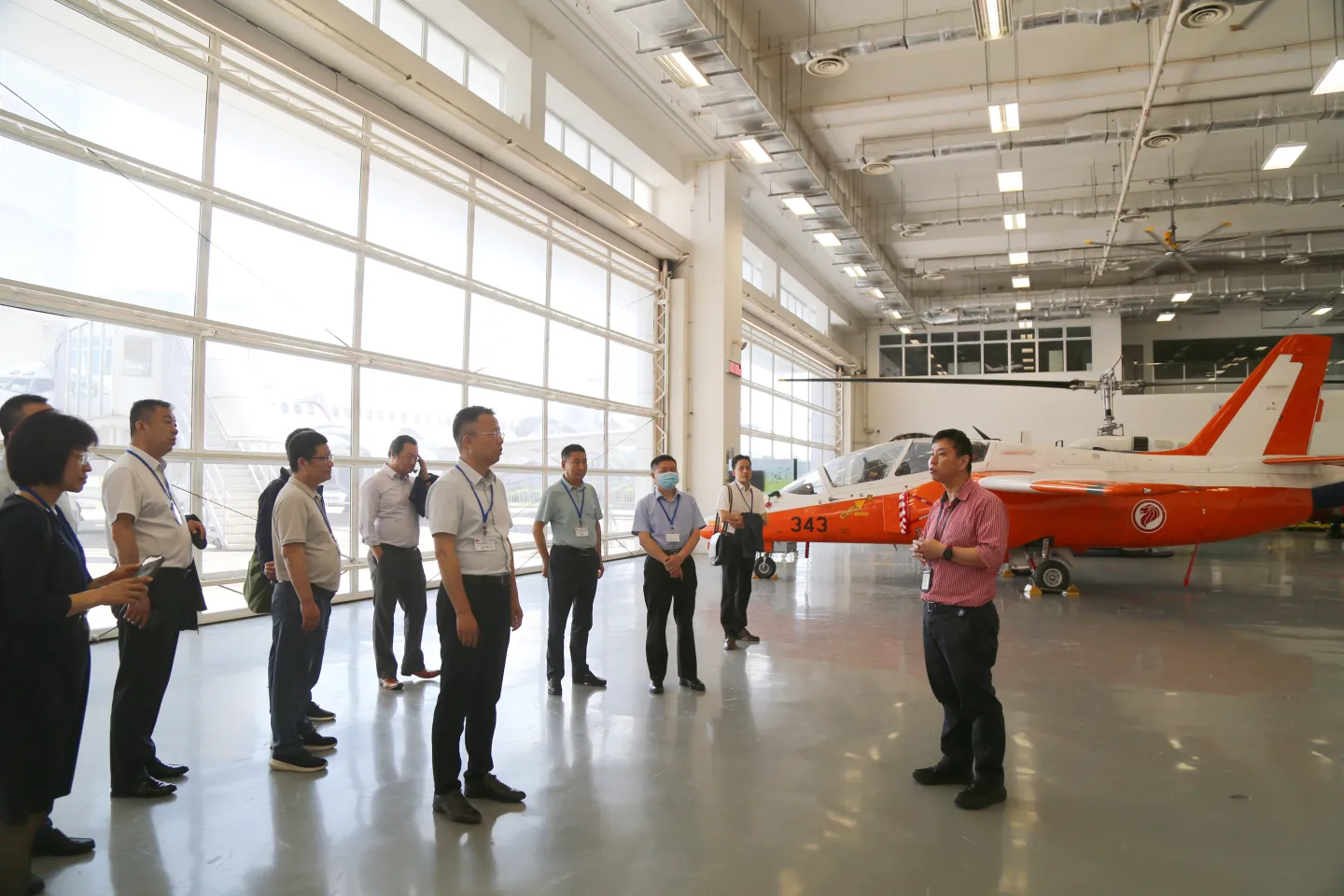
The study visit to Singapore is an essential component of Quality Apprenticeship and Lifelong Learning in China Project Phase 2. The project aims to promote international exchanges on skills development and lifelong learning, enabling Chinese policymakers and practitioners to learn about global experience and proactively explore innovative approaches tailored to the national labour market trends.
Related content
Quality Apprenticeship and Lifelong Learning in China – Phase 2
Relevant projects
Quality Apprenticeship and Lifelong Learning in China – Phase 2