


ILO and partners establish official recognition of prior learning system in Jordan, expanding pathways to decent work
The pilot initiative helped Jordanians and Syrian refugees turn skills and experience into recognized qualifications and pathways to future employment, laying the basis for the RPL system institutionalization
2 October 2026
AMMAN, Jordan (ILO News) – The International Labour Organization, together with national partners, marked the completion of a two-year Recognition of Prior Learning (RPL) initiative that will now help workers across the country gain formal recognition of skills and experience acquired through work and non-formal and informal learning, supporting their access to decent work, and strengthening Jordan’s national system.
The initiative, “Strengthening National Institutional Capacities to Implement the Recognition of Prior Learning System in Jordan,” was implemented under the ILO’s PROSPECTS Partnership, with funding from the Kingdom of the Netherlands, and in partnership and coordination with the Accreditation and Quality Assurance Commission (AQAC), the Jordan River Foundation (JRF), and the Ministry of Digital Economy and Entrepreneurship (MoDEE).
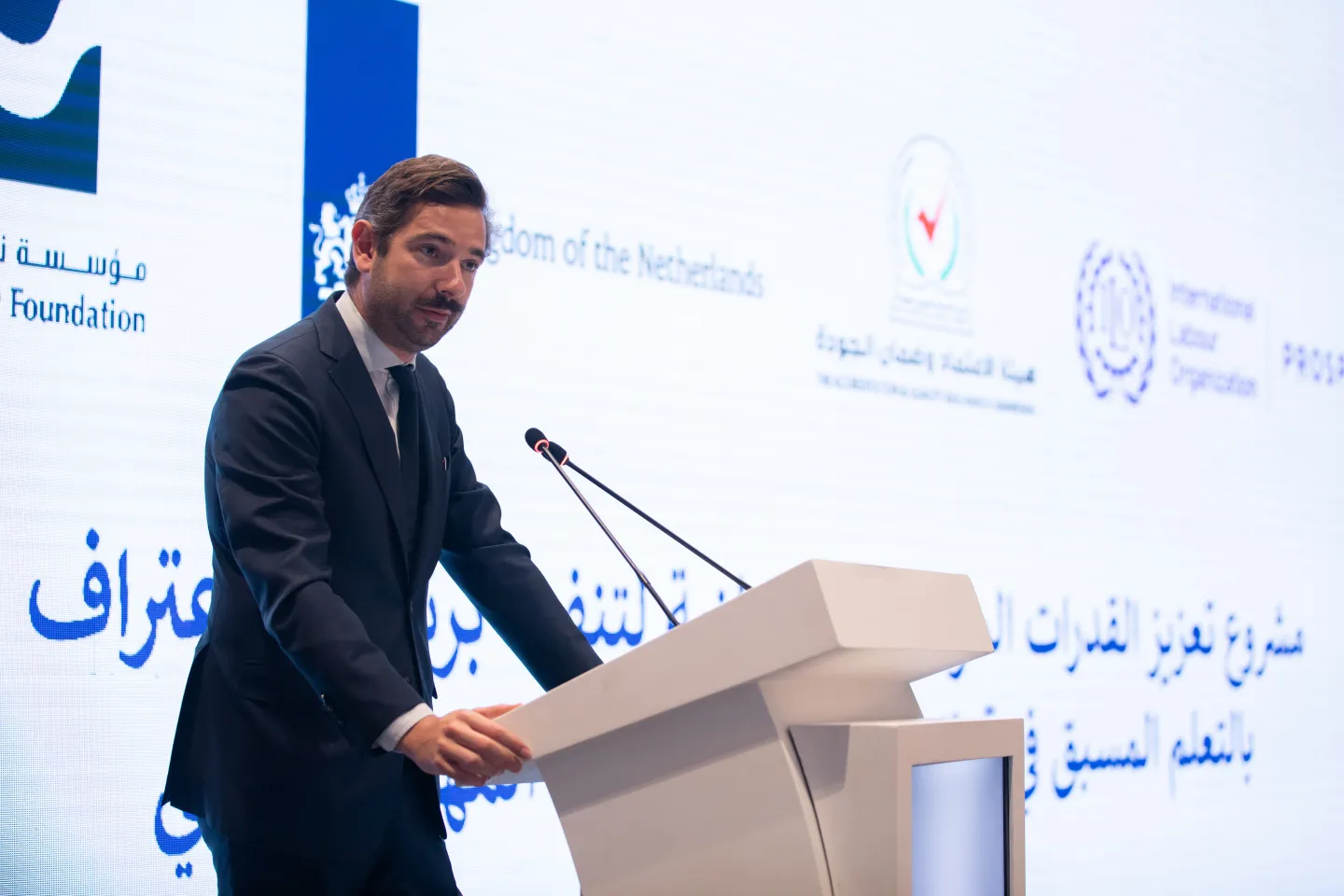
“We are pleased to support this Jordanian-led, nationally anchored system, which contributes directly to Jordan’s development objectives, particularly in quality education and decent work, while aligning closely with the Netherlands’ priorities on self-reliance and resilience for refugees and host communities,” said Joost de Vries, First Secretary at the Embassy of the Kingdom of the Netherlands.
“Recognition of Prior Learning is not a technical detail; it is a tool for dignity.”
Joost de Vries, First Secretary at the Embassy of the Kingdom of the Netherlands.
The pilot targeted 1,000 Jordanians and Syrian refugees, providing an opportunity to test the RPL system in practice and generate lessons to inform its future development and expansion.
“Recognition of Prior Learning is about ensuring that the skills people have gained through work and experience are visible, valued and formally recognized,” said Dahlia Roque, ILO PROSPECTS Jordan Project Manager. “The completion of this project is not the end of the journey, but an important step towards a sustainable national system that can expand opportunities for employment, lifelong learning and decent work.”

For Syrian refugees who may choose to return to Syria, formal recognition of their skills and experience can also provide documentation of their competencies, supporting their access to decent work and helping them rebuild their livelihoods in their home country.
“This partnership has laid a strong foundation for implementing RPL in Jordan’s Technical and Vocational Education and Training sector,” said Yousef Al-Abdalat Assistant President of the Accreditation and Quality Assurance Commission. “By bringing together national institutions and partners and drawing on international best practices, we have developed a model that can be strengthened and expanded to other sectors in the future.”
The new RPL system sought to translate previous skills into formal qualifications, enabling individuals to have competencies assessed against Jordan’s occupational standards, supporting their access to certification, employment and professional development.
Working closely with AQAC, the project also supported the development of assessment and guidance tools and strengthened the capacities of practitioners involved in implementing the RPL system. The Commission played a central role in accreditation, quality assurance and embedding the system within Jordan’s national framework.
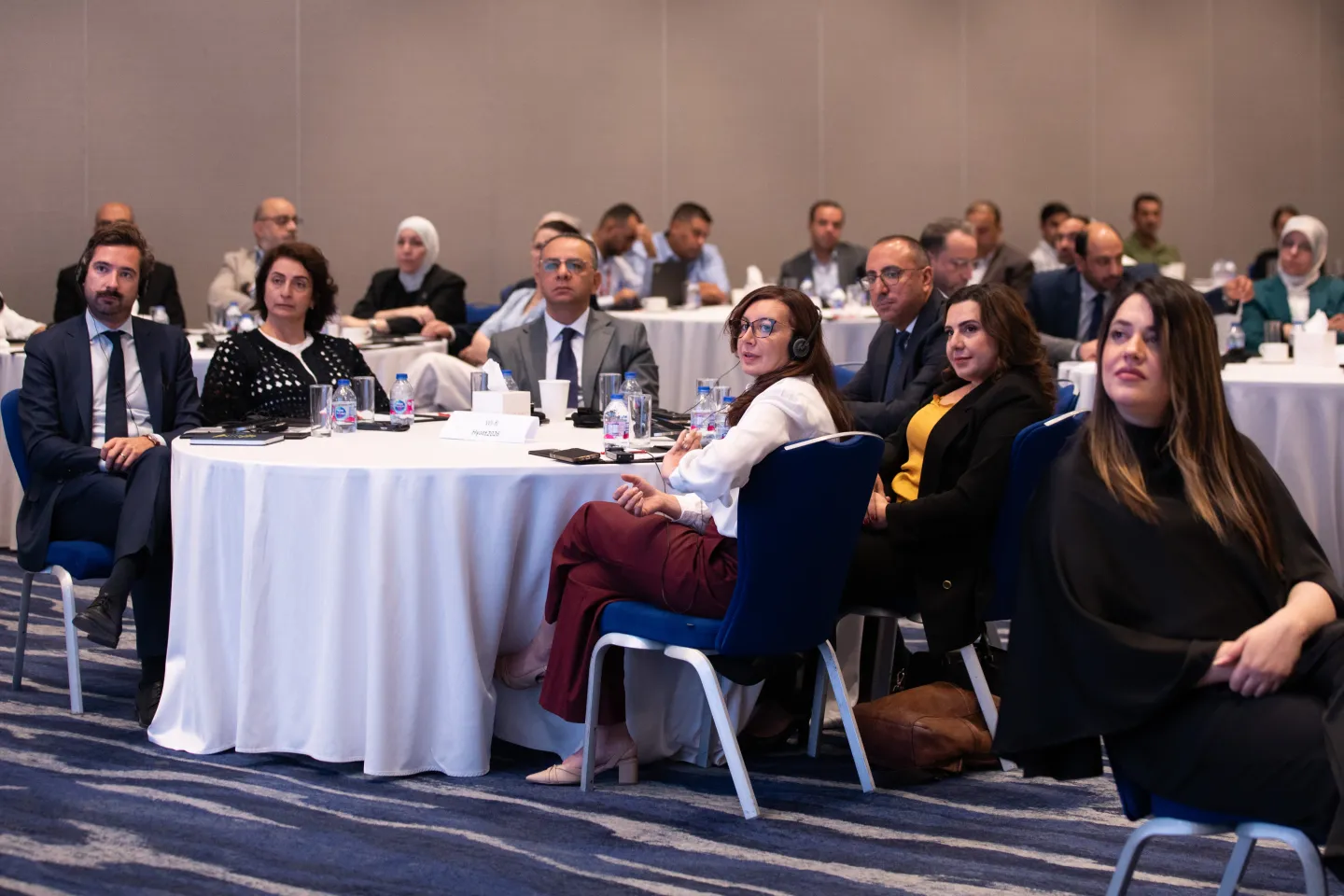
Meanwhile, the Jordan River Foundation played a key role in reaching beneficiaries and supporting implementation at the community level, helping connect individuals with RPL services and opportunities.
“This project demonstrates how recognizing people’s existing skills and experience can translate into recognized qualifications and better economic opportunities,” said” Mahmoud Al-Karaki, JRF Programs Division Director. “At JRF, we are committed to working with our partners to expand pathways to sustainable livelihoods and economic empowerment for communities across Jordan.”
The project also supported the development of digital tools to facilitate access to RPL services. The Ministry of Digital Economy and Entrepreneurship has supported this effort by hosting the online portal within Jordan’s national digital infrastructure, contributing to its longer-term sustainability.
Beyond the pilot, the initiative has focused on strengthening national ownership of RPL and laying the foundations for a system that is responsive to labour market needs, trusted by workers and employers, and supported by sustainable arrangements for quality assurance and implementation.
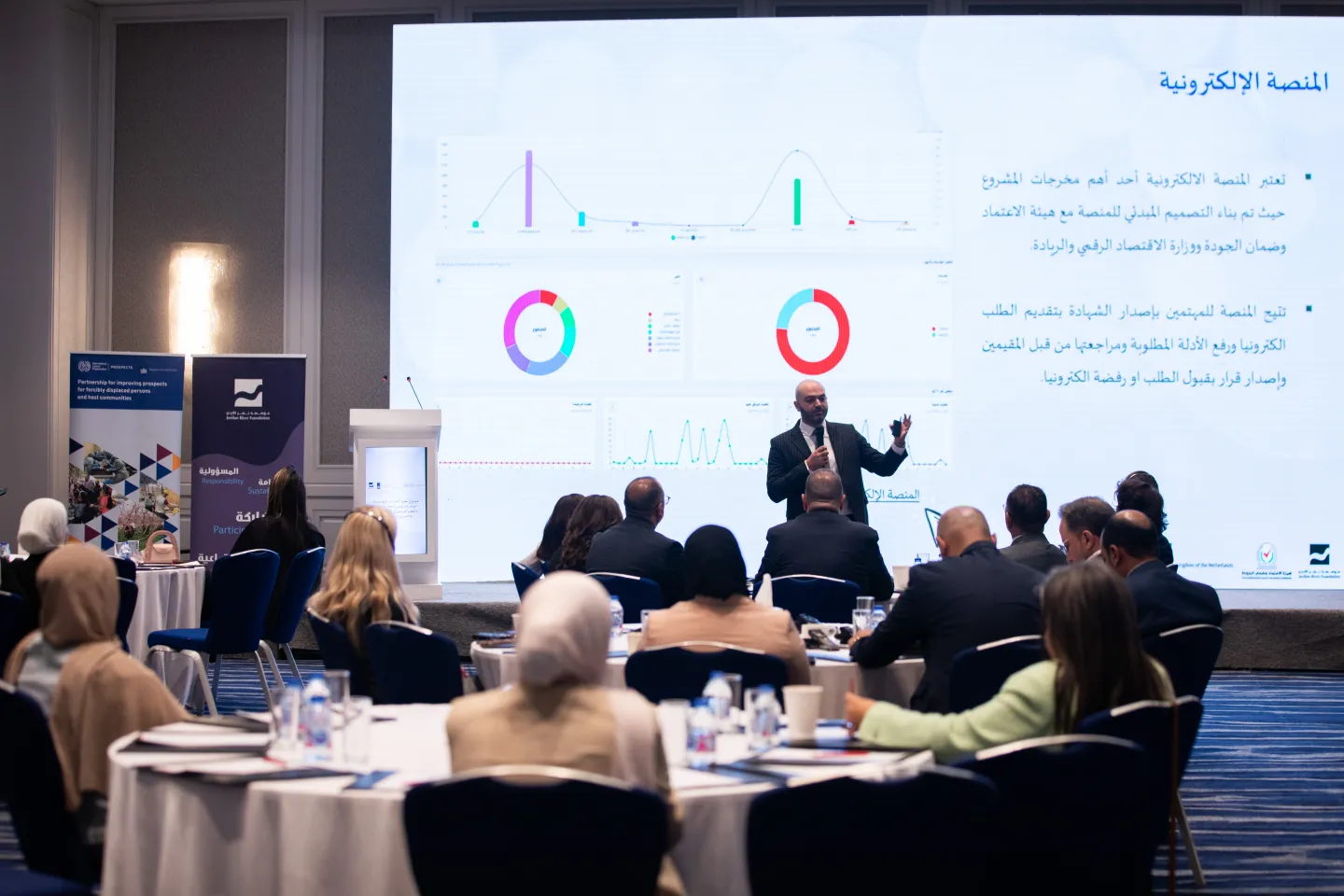
A sustainable national RPL system can help workers turn skills and experience gained through different learning pathways into recognized qualifications, while enabling employers to better identify and verify skills available in the labour market.
The initiative also contributes to Jordan’s efforts towards Sustainable Development Goal 4 on quality education and lifelong learning and Sustainable Development Goal 8 on decent work and economic growth.
Related content

Video series
ILO’s Recognition of Prior Learning programme in Jordan

Recognition of Prior Learning
Skills
Recognition of Prior Learning (RPL): Learning Package

Research Brief: Findings of a tracer study of RPL beneficiaries in Jordan
Relevant projects

ILO-Netherlands Partnership
Partnership for improving prospects for forcibly displaced persons and host communities (PROSPECTS) in Jordan
Programme
Partnership for improving prospects for forcibly displaced persons and host communities (PROSPECTS)