

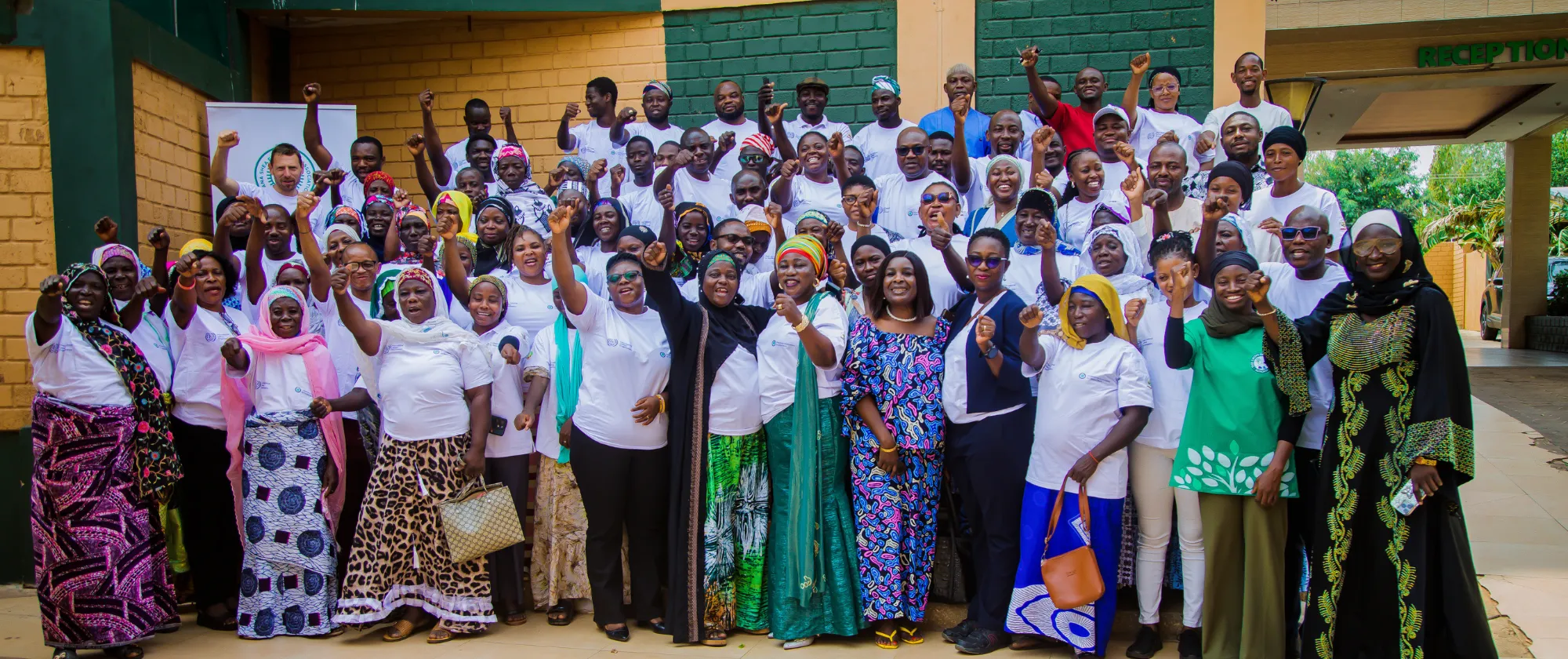
Ghana’s shea sector signs landmark collective bargaining agreement
The Ghana Shea Employers Association and the Ghana Shea Workers Union have signed their first Collective Bargaining Agreement, advancing decent work, productivity, and social justice across the shea value chain.
25 March 2026
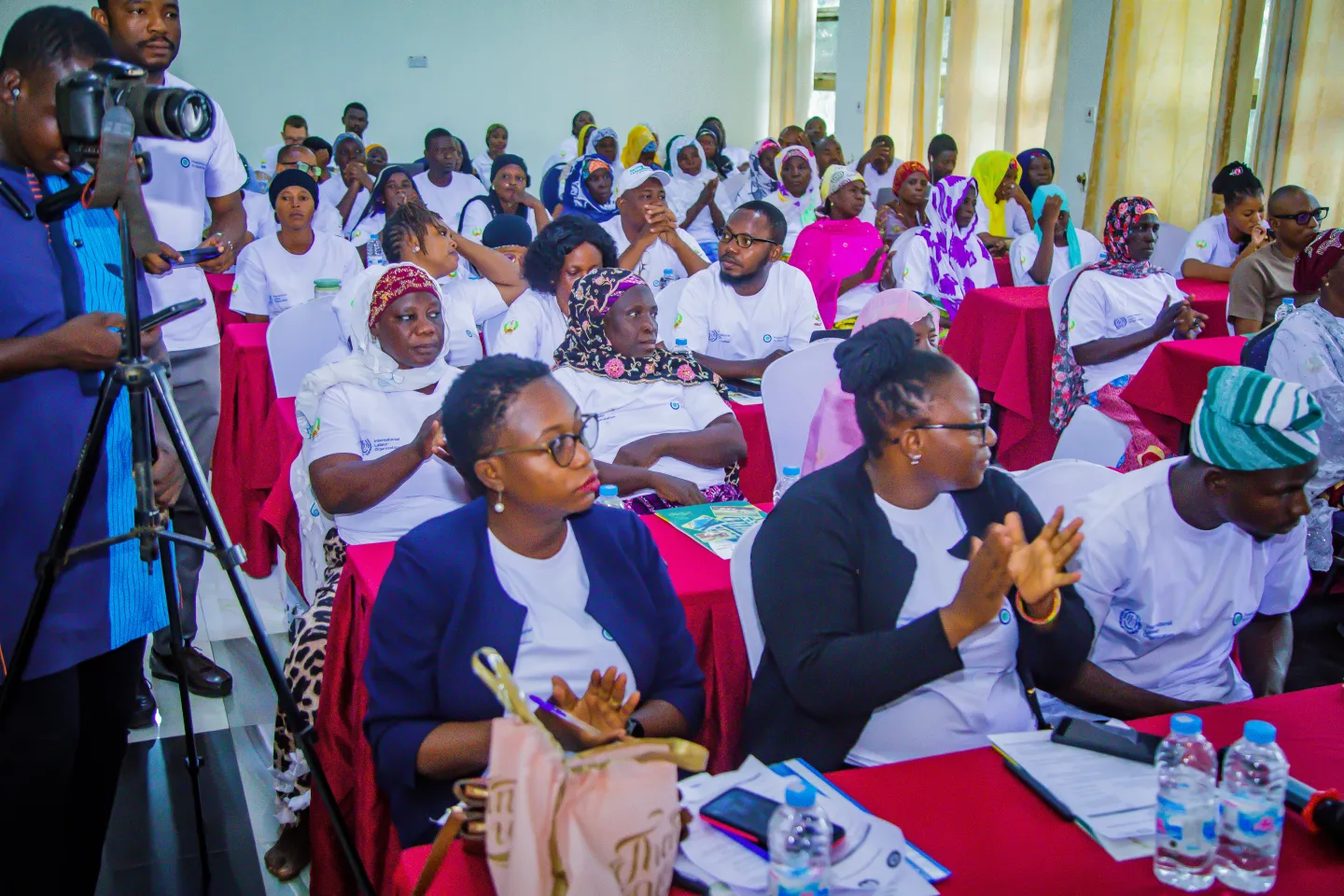
TAMALE, GHANA (ILO News) – In a historic step towards improving working conditions and strengthening industrial relations, the Ghana Shea Employers Association (an affiliate of the Ghana Employers Association) and the Ghana Shea Workers Union (affiliated with the General Agricultural Workers Union of the Trades Union Congress, Ghana) have signed the sector’s first-ever Collective Bargaining Agreement (CBA). The agreement was developed with technical support from the International Labour Organization (ILO) under the Productivity Ecosystems for Decent Work Project, marking a significant milestone in formalizing labour relations within Ghana’s shea sector.
The agreement follows sustained bipartite dialogue initiated after the release of a Productivity and Decent Work position statement by the social partners. These discussions were aimed at tackling long-standing decent work deficits in the shea sector, which has historically been characterized by informality and vulnerability
Workers in the sector have faced challenges including low wages, long working hours, limited job security, inadequate occupational safety and health protections, and restricted access to social protection schemes. The newly signed CBA directly addresses these issues by establishing clear standards and protections, creating a more equitable and structured work environment.
The Collective Bargaining Agreement introduces a comprehensive framework governing labour relations in the shea sector. Key areas covered include Fair wage determination systems, with emphasis on linking productivity and performance to sustainability of enterprises; defined working hours and leave entitlements that promote work-life balance; improved occupational safety and health standards that reduce workplace risks; enhanced access to social protection, including pathways toward social security and health coverage; and clear employment categories and job security provisions that foster stability for workers
The agreement holds great Benefits for Workers by enhancing improved wages and more predictable income, safer and healthier working environments, greater job security and protection from unfair labour practices, and recognition of workers’ rights and stronger collective voice.
The benefits for Employers include more stable and productive workforce, clear labour standards that reduce disputes and enhance industrial harmony, improved efficiency through performance-linked wage systems and strengthened sustainability and competitiveness of enterprises
This agreement reflects the power of social dialogue in advancing decent work and social justice. It sets a strong example for other sectors.
Ms. Inviolata Chinyangarara - ILO Workers’ Specialist (Speaking on behalf of the ILO Country Office Director for Nigeria, Ghana, Liberia, Sierra Leone, and the ECOWAS Liaison Office, Dr Vanessa Phala)
The Secretary-General of the General Agricultural Workers Union, Mr. Andrew Addoquaye Tagoe, described the agreement as “a milestone in the history of collective bargaining, particularly in a sector dominated by informality.” From the employers’ perspective, Mr. Kingsley Laar of the Ghana Employers Association emphasized the importance of aligning wages with productivity to ensure enterprise sustainability. Additionally, Mr. Mustapha Alhassan, Regional Labour Officer, reaffirmed the government’s commitment to supporting implementation through regular workplace inspections to promote safety and industrial harmony.
The agreement is expected to directly benefit approximately 2,000 shea workers across 11 cooperatives and 160 processing centres, significantly improving livelihoods and working conditions. For workers like Joana Naab, the impact is immediate and personal. “Finally, from now on we can work with safety, get breaks and earn decent pay… my hands will heal.”
Beyond individual benefits, the agreement contributes to transforming the shea value chain into a more productive, inclusive, and resilient sector, supporting broader national goals of economic development and social justice.

To ensure effective implementation, the ILO will continue to support the social partners by strengthening bipartite capacity, enhancing compliance and monitoring mechanisms and promoting continuous social dialogue. These efforts will help sustain the gains achieved and ensure that the agreement delivers lasting benefits for both workers and employers.
Find out more:
- The ILO Productivity Ecosystems for Decent Work Project supports enterprises and workers in building productive, inclusive, and sustainable work environments through strengthened social dialogue and improved labour practices.
- The project is funded by the Swiss State Secretariat for Economic Affairs (SECO) and the Norwegian Agency for Development Cooperation (NORAD).
Related content
Productivity ecosystems for decent work
Relevant projects
Productivity ecosystems for decent work