

Care economy
Four working groups established to strengthen Indonesia’s care economy programmes
Following their inauguration, the four Care Economy Working Groups initiated their coordination activities through a mapping-oriented Focus Group Discussion.
30 June 2025
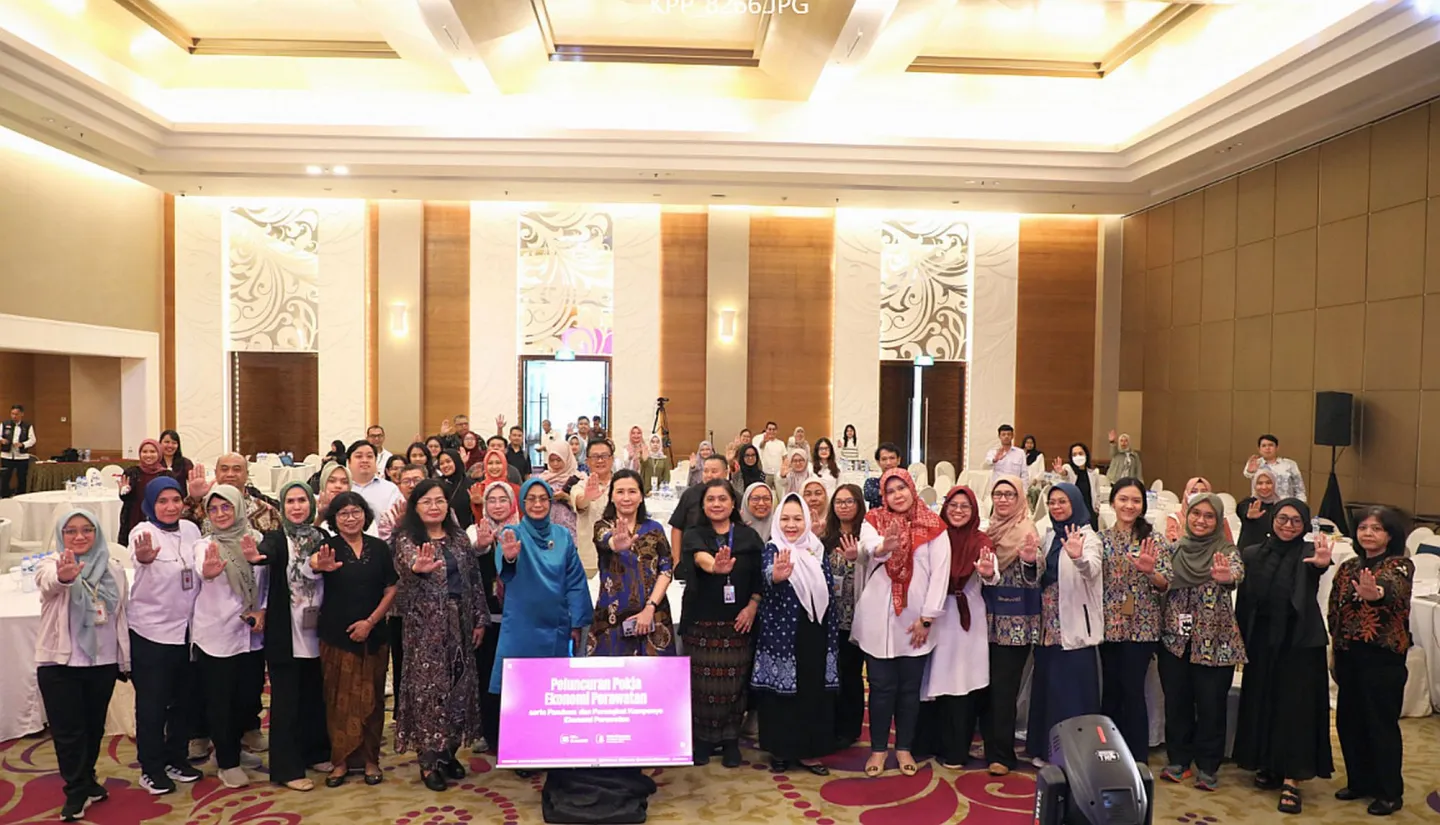
JAKARTA, Indonesia (ILO News) - In recent years, the global discourse on economic development has increasingly recognized the critical role of care work—both paid and unpaid—in fostering inclusive growth, gender equality, and social resilience. In alignment with this paradigm shift, Indonesia has taken a major step forward through the launch of the Care Economy Working Group, a collaborative initiative led by the International Labour Organization (ILO) and the Ministry of Women’s Empowerment and Child Protection. This milestone marks a pivotal moment in the nation’s commitment to building a sustainable and equitable care economy.
As part of this initiative, the first Mapping Focus Group Discussion (FGD) was held after the inauguration, setting the stage for collaborative action and policy development. The session aimed to introduce the structures and briefs of four newly formed Working Groups and to gather inputs from relevant stakeholders on the draft Action Plan.
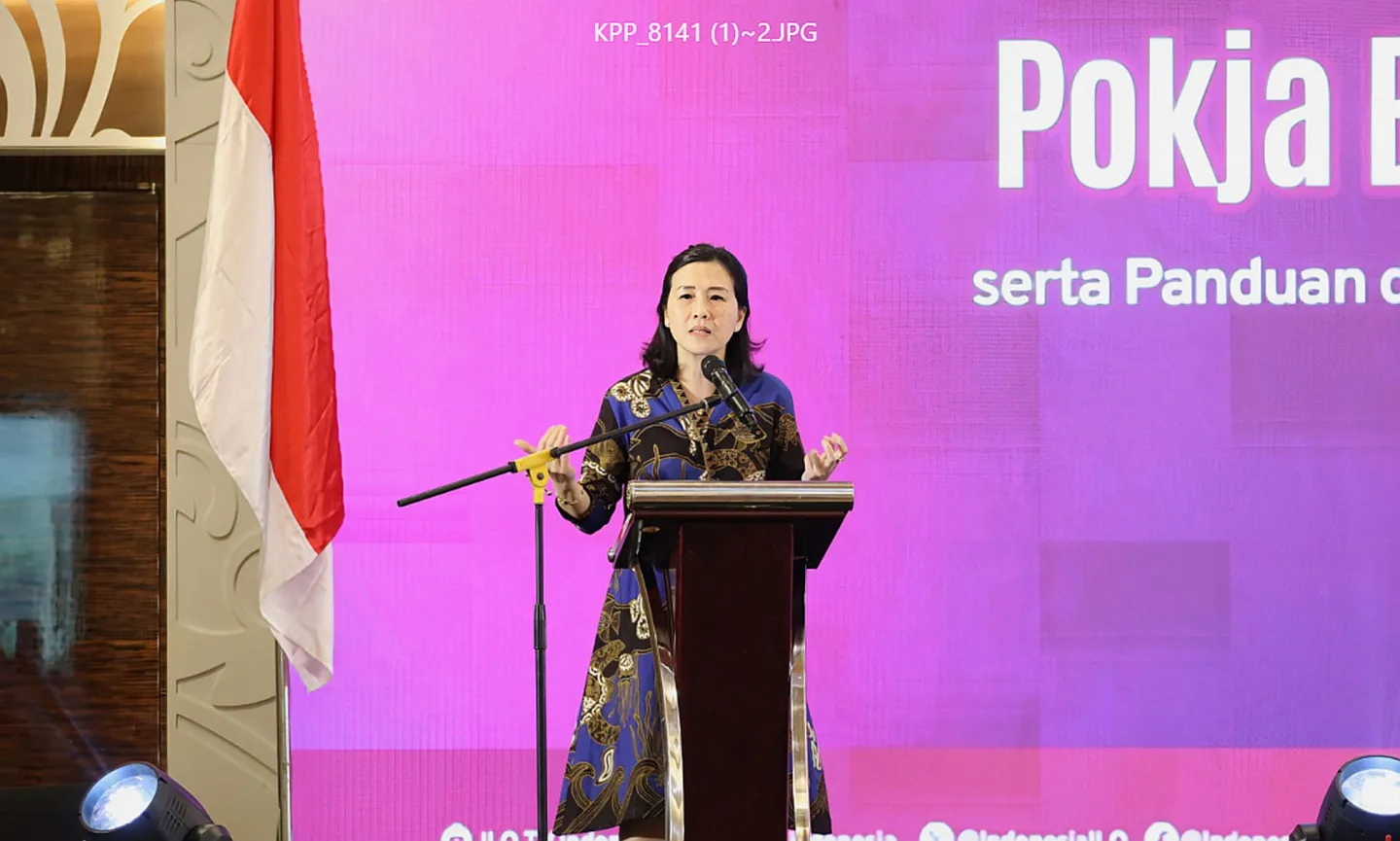
Veronica Tan, Deputy Minister at the Ministry of Women’s Empowerment and Child Protection, expressed her hope that the Care Economy Working Group would become a driving force in shaping policies that prioritize vulnerable groups—especially women, children, the elderly and persons with disabilities.
“The Ministry of Women’s Empowerment and Child Protection holds high hopes for synergy and collaboration with ministries and institutions, so that the care economy is integrated into the national development roadmap. The key word is cooperation,” she stated. “Therefore, each ministry, as a member of the working group, is expected to identify which targets in the care economy action plans align with their respective core mandates and synchronize them to achieve the first five-year targets of the care economy roadmap.”
As a next step, the Ministry of Women’s Empowerment and Child Protection, together with the Coordinating Ministry for Human Development, will lead the working group in holding regular coordination meetings. These meetings aim to build a comprehensive understanding of the care economy, identify priorities and relevant targets based on core mandates, implement corresponding actions and coordinate data collection and progress reporting.
Early Dewi Nuriana, ILO’s Programme Coordinator on Care Economy, emphasized that aligning existing core mandates is essential to ensure implementation efforts build upon the strengths of each participating ministry. She also noted that ILO’s support to the government will focus on providing technical assistance to the working group, particularly in developing a stronger financial framework for the care economy in Indonesia.
The four Care Economy Working Groups are as follows:
Working Group 1: Daycare Services and Inclusive Childcare
- Focus: Integrated care services for children with disabilities and other vulnerable conditions, aiming to strengthen Indonesia’s early care system and ensure accessible, responsive support.
- Chairs: Ministry of Education (Early Childhood, Basic and Secondary Education); Ministry of Women’s Empowerment and Child Protection (Deputy for Fulfilling Children’s Rights).
- Members: 17 from various ministries and institutions.
Working Group 2: Elderly Care and Inclusive Empowerment
- Focus: Long-term, sustainable care for elderly people, persons with disabilities, and vulnerable groups through inclusive and integrated programmes.
- Chairs: Ministry of Social Affairs (Social Rehabilitation); Ministry of Health (Continuing Health).
- Members: 16 from various ministries and institutions including CSOs.
Working Group 3: Maternity Services and Men’s Involvement in Care
- Focus: Improves access to quality maternity services and promotes men’s involvement in caregiving during pregnancy, childbirth, breastfeeding and childcare.
- Chairs: Ministry of Manpower (Industrial Relations and Social Protection); Ministry of Internal Affairs (Regional Development).
- Members: 14 from various ministries and institutions including CSOs and trade union organizations.
Working Group 4: Recognition of Care Workers and Social Protection on Care Economy
- Focus: Advocating formal recognition, protection and equitable welfare for paid and unpaid care workers, promoting care work as a strategic investment in Indonesia’s future.
- Chairs: Ministry of Manpower (Placement and Employment Opportunity); Ministry of Women’s Empowerment and Child Protection (Deputy for Gender Equality).
- Members: 33 from various ministries and institutions including CSOs, academician and trade union confederations.
Related content
Project
The Care Economy in Indonesia
Press release
Ministry of Women’s Empowerment and Child Protection and ILO launch Care Economy Working Group to advance Indonesia’s care system
Relevant projects
Project
The Care Economy in Indonesia