

Child labour
Egypt strengthens child labour protection through ILO project
More than 4,400 children and 2,200 families benefited from a project combining child protection, education, social protection and economic empowerment while strengthening national systems to address child labour.
20 September 2026
Cairo (ILO News)– An International Labour Organization (ILO) project in Egypt has helped protect children from child labour, support their return to education and strengthen national mechanisms for identifying, referring and assisting children at risk. Among the children reached, 1,739 were protected from or withdrawn from child labour and 1,022 were referred to protection services.
A further 1,754 returned to education or improved their school attendance, 2,002 completed the ILO’s Supporting Children’s Rights through Education, the Arts and the Media (SCREAM) programme and 316 received training and apprenticeship opportunities.
At the family level, 2,201 families benefited from project activities, including 423 that received economic empowerment support. A total of 305 income-generating projects were established or further developed.
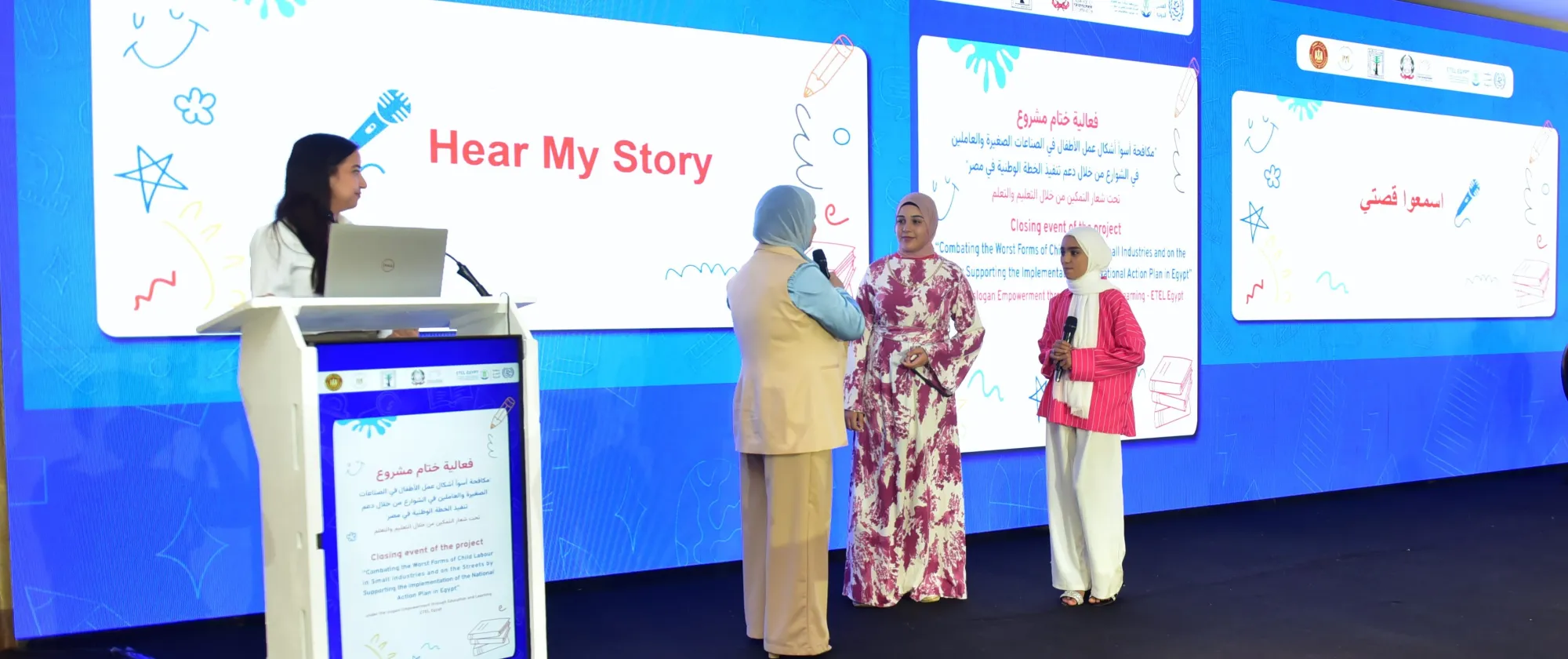
These results were highlighted at the closing event of the project “Combating the Worst Forms of Child Labour in Small Industries and the Streets through Supporting the Implementation of the National Action Plan in Egypt- Empowerment through Education and Learning (ETEL)”.
Implemented by the ILO in cooperation with the Government of Egypt and the social partners, with support from the Government of Italy through the Italian Agency for Development Cooperation (AICS), the project combined support for children and families with measures to promote decent work and compliance with labour legislation.
Strengthening national systems
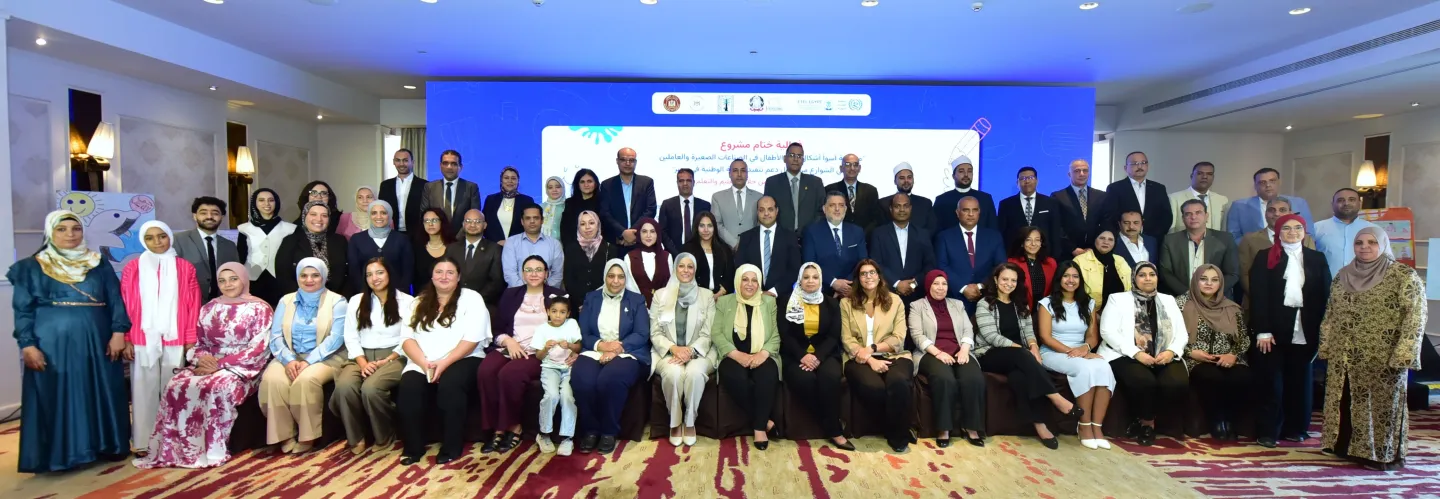
A key milestone highlighted at the event was the launch of Egypt’s National Child Labour Monitoring and Referral System, led by the National Council for Childhood and Motherhood.
The system aims to identify children engaged in or at risk of child labour, monitor their cases, refer them to appropriate services and follow up on their situation, connecting children and their families with protection, education and social support services.
Hassan Radad, Minister of Labour, stressed the importance of building on the national systems and mechanisms established to protect children. He emphasized that addressing child labour requires coordinated national action, stronger capacities for inspection, monitoring, referral and protection, as well as measures to address the economic and social factors that may lead families to depend on children’s income.
Raddad also highlighted the preparation of the second generation of the National Action Plan for Combating the Worst Forms of Child Labour and Supporting Family 2026- 2030 as an opportunity to build on national experience and lessons learned from the previous phase.
Eric Oechslin, Director of the ILO Cairo Office, said that eliminating child labour requires an integrated national response that goes beyond withdrawing children from work. It must also help children remain in education, strengthen protection and referral systems, support families most at risk and provide adults with opportunities for decent and productive work.
Addressing the root causes of child labour
Giuseppe Papalia, Deputy Head of Mission of Italy in the Arab Republic of Egypt emphasized the human dimension of child labour and the importance of addressing its underlying causes.
"Behind every figure and every statistic related to child labour, there is a child, a family and a whole story," Papalia said.
"The project is particularly important because it addresses one of the underlying causes of child labour by helping create the conditions that enable families to find sustainable alternatives, allowing children to remain in education while providing adults with opportunities for decent work and sustainable incomes," he said.
The event also highlighted the importance of linking action against child labour with compliance with labour legislation, international labour standards and responsible business practices. These efforts can contribute to protecting the rights of children and workers, promoting decent working conditions and supporting Egyptian enterprises in meeting labour requirements relevant to regional and global markets and supply chains.
Protecting children in work-based learning
The event also marked the launch of the “Child Rights in Egypt’s Dual Education and Training System” toolkit, developed by the ILO in cooperation with the Deutsche Gesellschaft für Internationale Zusammenarbeit (GIZ).
The toolkit aims to support the protection of the rights of children and young people in education, training and work-based learning environments.
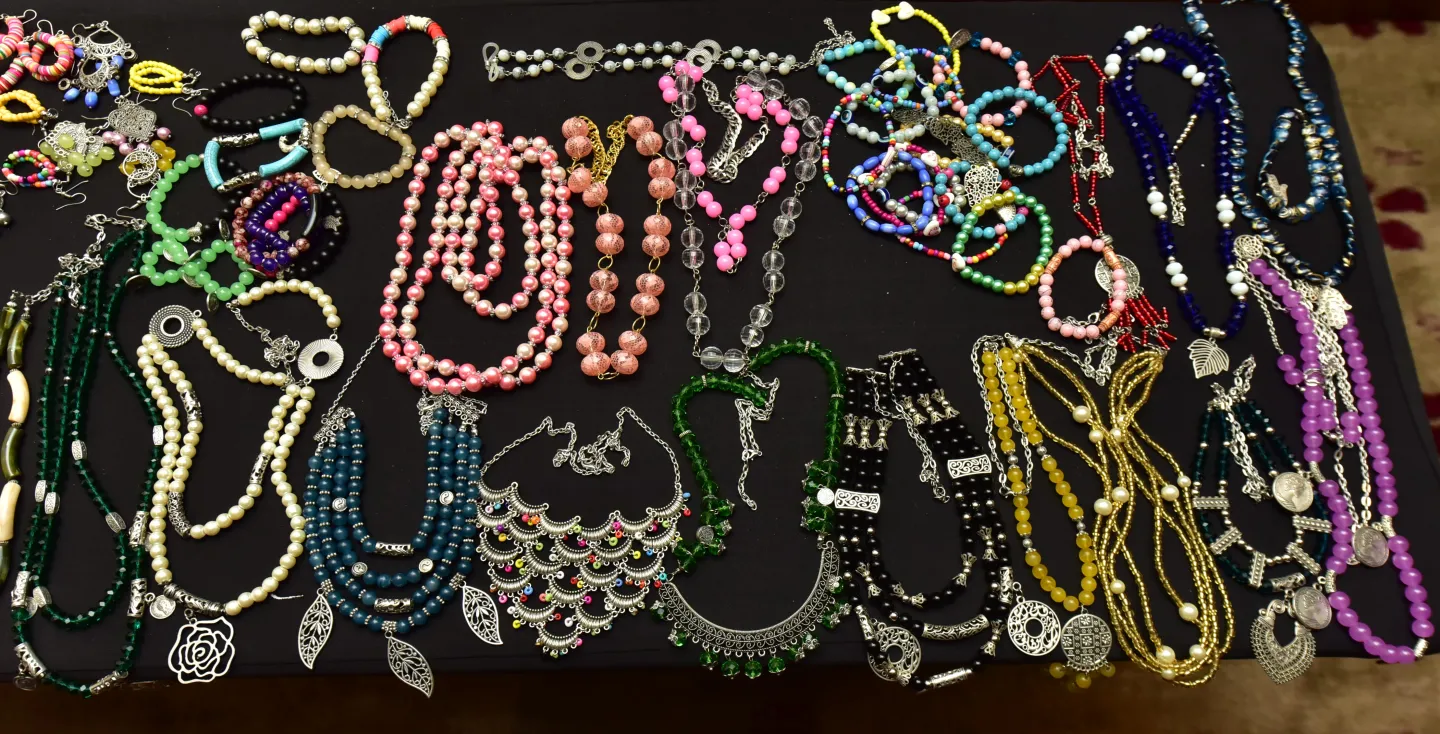
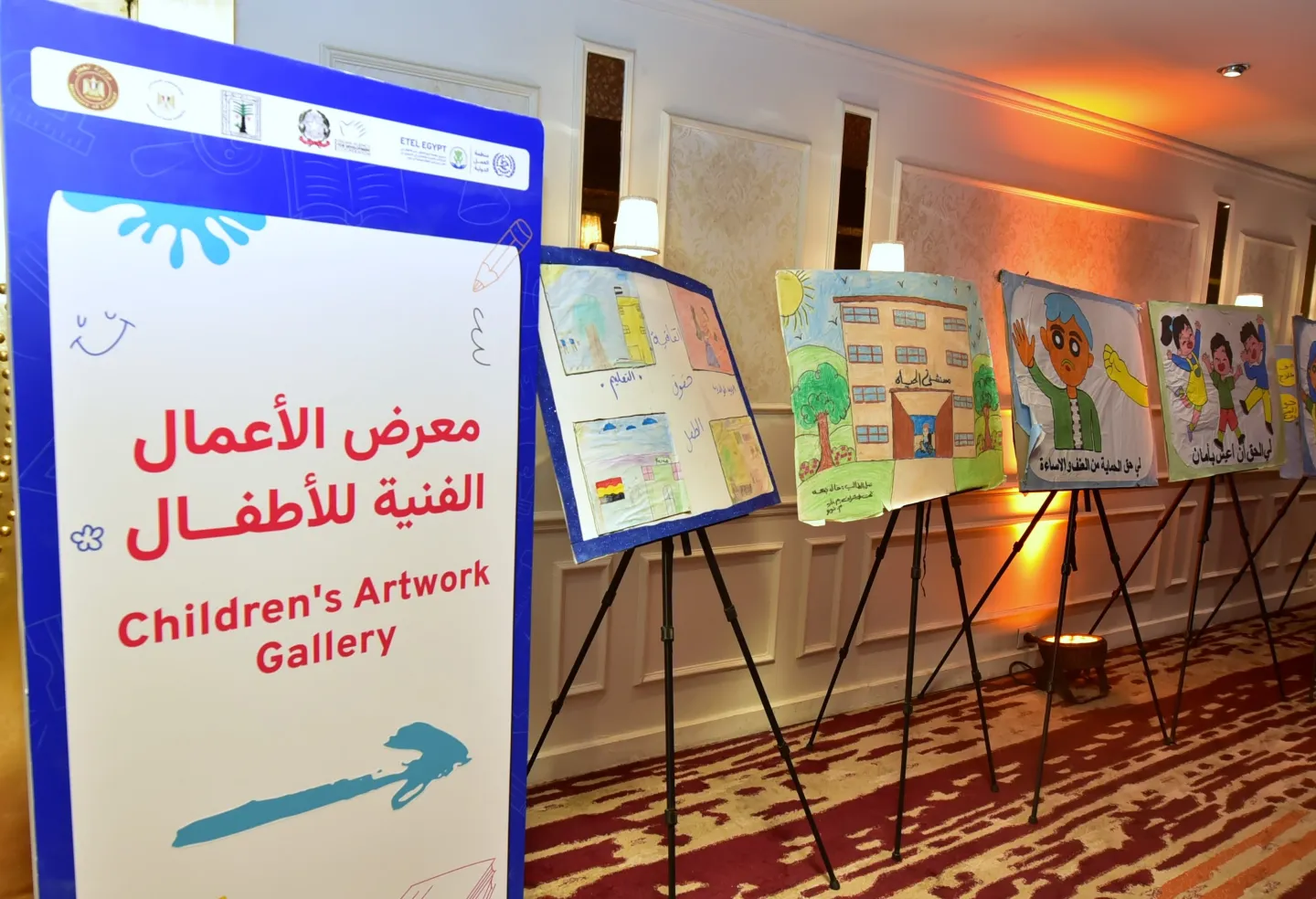
Children and families who participated in the project shared their experiences during the event, which also featured a documentary on the project, products made by beneficiaries, children’s artwork and photographs documenting project activities and results.
Building on results
As Egypt moves into the next phase of national action to combat child labour, the systems, capacities and partnerships strengthened through the project provide a foundation for continued action, including through the second generation of the National Action Plan for 2026- 2030.
The ILO remains committed to working with the Government of Egypt, employers’ and workers’ organizations, development partners and civil society to advance national efforts to eliminate child labour and promote decent work.
Relevant projects

ETEL project
Combating the worst forms of child labour through the implementation of the National Action Plan