

Child labour
Digital child labour monitoring empowers communities in Cotabato
A digital initiative to monitor and prevent child labour enables communities, villagers and students to collect and report data to help reduce child labour, including in agriculture and armed conflict.
16 October 2024
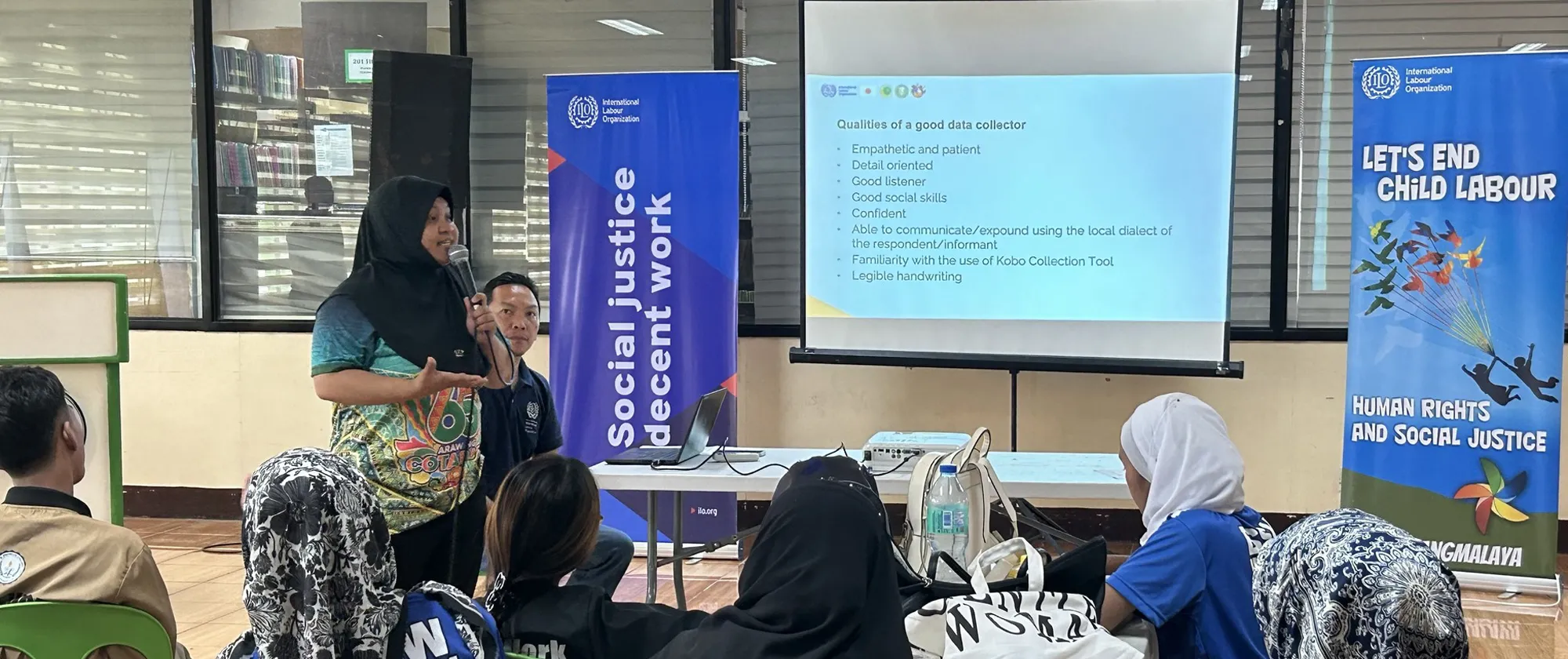
COTABATO, Philippines (ILO News) – Villagers, community members, and social work students in Cotabato City have gained the necessary skills to gather digital data on child labour, which is a key step toward ending the worst forms of child labour. This effort has the potential to play a crucial role in designing effective programmes aimed at preventing child labour, particularly in agriculture and armed conflict.
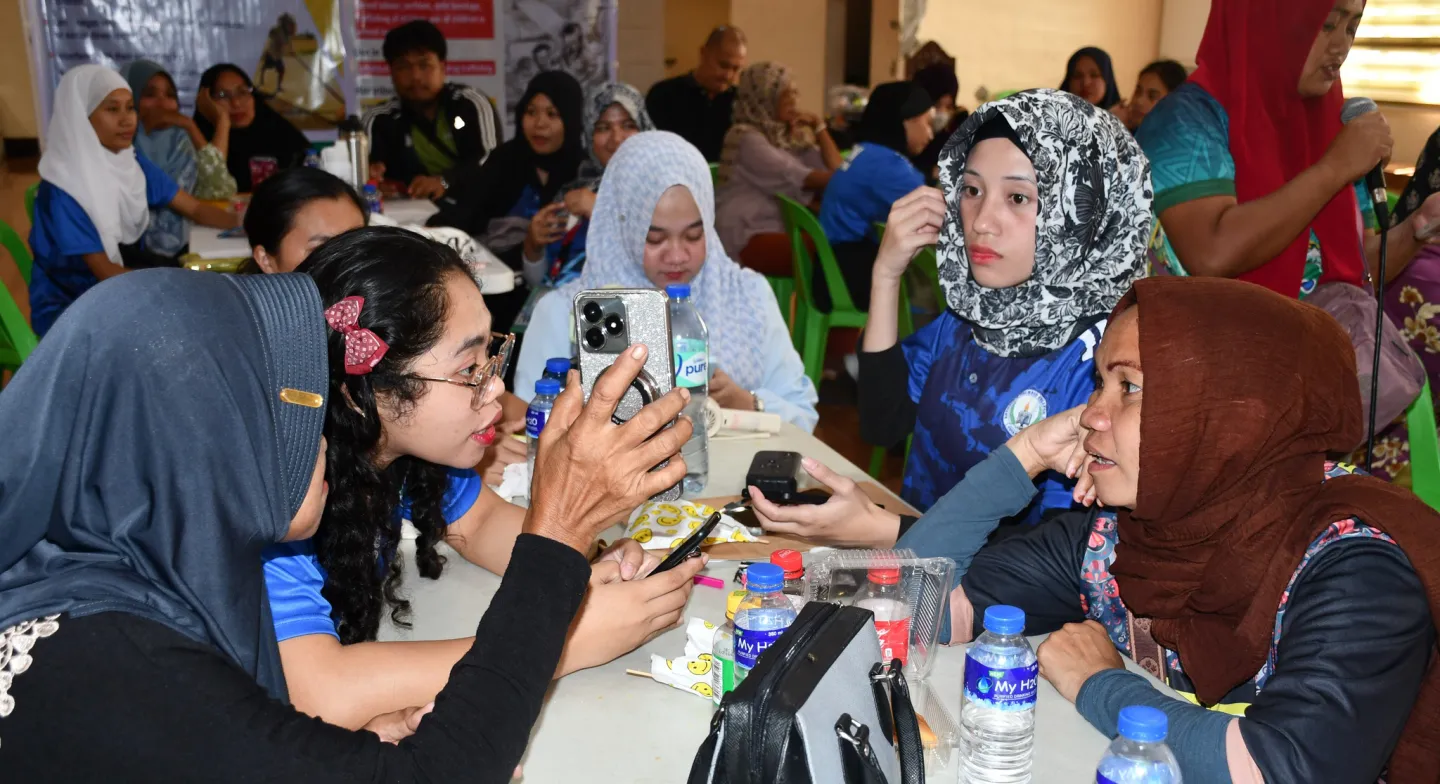
Over 50 community leaders from Barangay Poblacion 9 and students from AR Pacheco College participated in the Community-based Child Labour Monitoring System (CLMS) workshop, held on 15-16 October 2024. Officials from the International Labour Organization (ILO), the Ministry of Labor and Employment-Bangsamoro Autonomous Region in Muslim Mindanao (BARMM), and the Cotabato City Social Welfare Office facilitated the workshop. This initiative is part of the ILO’s Achieving reduction of child labour in support of education (ARISE) project, funded by the Government of Japan.
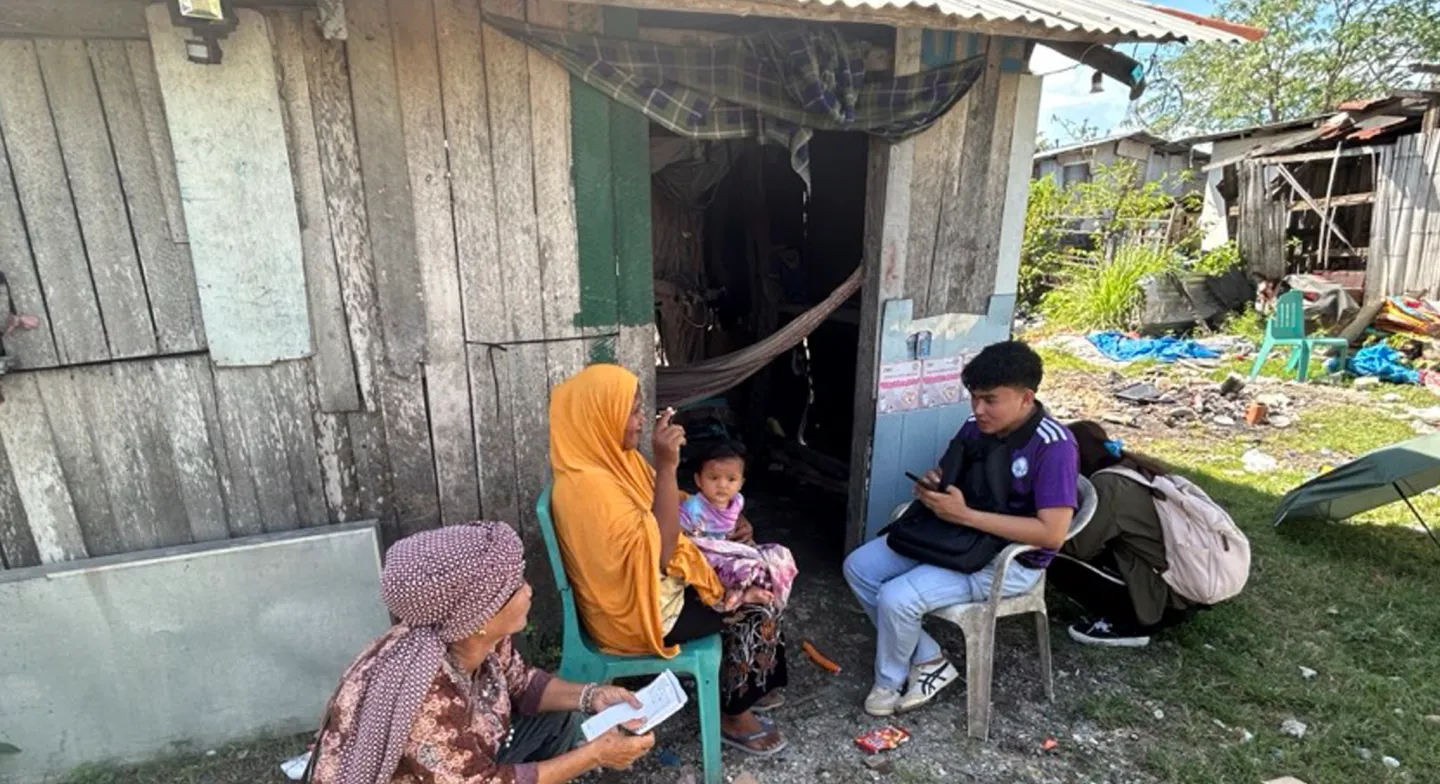
The digital community-based CLMS being piloted in BARMM is a hybrid, robust, cost-effective, and sustainable monitoring system. It empowers communities and holds duty bearers accountable. By leveraging technology and fostering community ownership, this model enables communities to conduct surveillance and identify working children, passing this critical information to various levels of governance for action.
Child labour remains a pressing issue in some areas of BARMM, driven by poverty and underdevelopment resulting from decades of armed conflict. The CLMS adopts a bottom-up strategy, comprehensively covering every vulnerable household in the pilot sites. This approach is envisioned to contribute to good governance and sustainable development.
To encourage community participation in data collection and monitoring, Community Social Infrastructure Programs (CSIPs) will be implemented at the pilot sites. These programmes have the potential to sustain the monitoring system and empower communities to manage local economic development processes in partnership with public and private stakeholders.
This initiative can have a huge impact. By equipping communities with the tools and knowledge to monitor and report child labour, the programme not only addresses immediate concerns but also lays the groundwork for long-term solutions. The data collected will inform the design of targeted interventions, ensuring that resources are effectively allocated to areas most in need. Moreover, the involvement of local communities fosters a sense of ownership and accountability, essential for the sustainability of these efforts.
The CLMS in Cotabato City is a big step forward in the fight against child labour. By empowering communities and leveraging technology, this initiative promises to create a safer, more equitable environment for children, free from the burdens of child labour in agriculture and armed conflict.
Relevant projects

Reduction of child labour in Myanmar
Achieving Reduction of Child Labour in Support of Education (ARISE): Programme to reduce the worst forms of child labour in agriculture

Child labour
Achieving reduction of child labour in support of education