

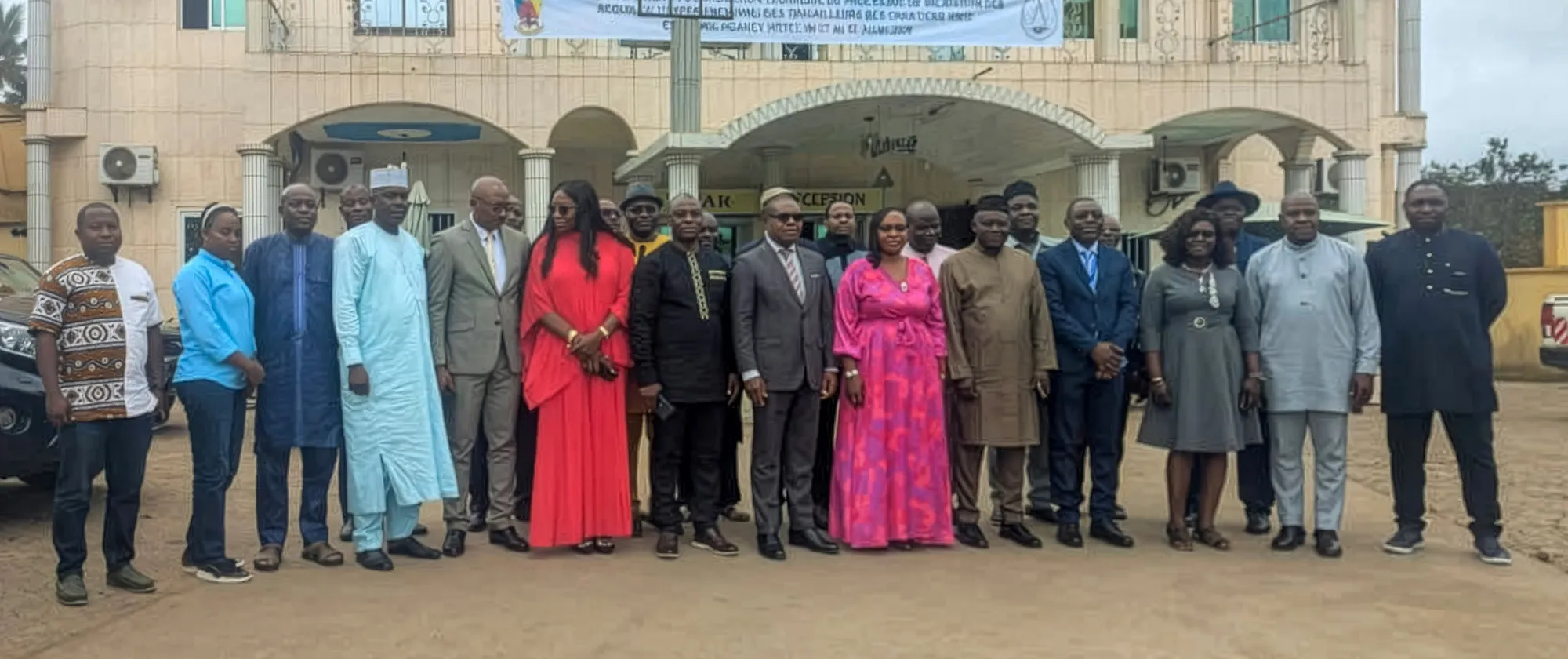
Cameroon lays foundation for recognizing skills gained through labour-based public works
Cameroon has taken an important step towards establishing a system to recognize skills gained through labour-based infrastructure programmes, paving the way for future certification and improved employment opportunities.
4 August 2026
EBOLOWA (ILO News) – Cameroon has taken an important step towards establishing a system that will eventually recognize skills gained through labour-based infrastructure programmes, following the validation of key technical tools and implementation mechanisms for a sector-specific Recognition of Prior Learning (RPL) framework. Once fully established and operational, the framework is expected to improve employability, strengthen labour mobility and expand access to decent work.
For many years, labour-based infrastructure programmes have played an important role in creating jobs, reducing poverty and supporting local development across Cameroon. Through road maintenance, community infrastructure and other public works programmes, thousands of workers have developed practical skills in construction and related trades. However, because these competencies were acquired outside formal training systems, many workers have faced challenges in demonstrating their skills within the formal labour market.
Formal recognition of these skills could eventually help experienced workers demonstrate their competencies to employers, improve their employment prospects and access better job opportunities.
To address this challenge, the Government of Cameroon is developing a sector-specific Recognition of Prior Learning (RPL) framework for the building and construction sector. The framework will provide the institutional, technical and regulatory basis for formally identifying, assessing and validating competencies acquired through workplace experience, paving the way for future certification arrangements.
The framework is being developed through collaboration between the Ministry of Economy, Planning and Regional Development (MINEPAT), the Ministry of Employment and Vocational Training (MINEFOP) and the Ministry of Secondary Education (MINESEC), with technical support from the International Labour Organization (ILO).
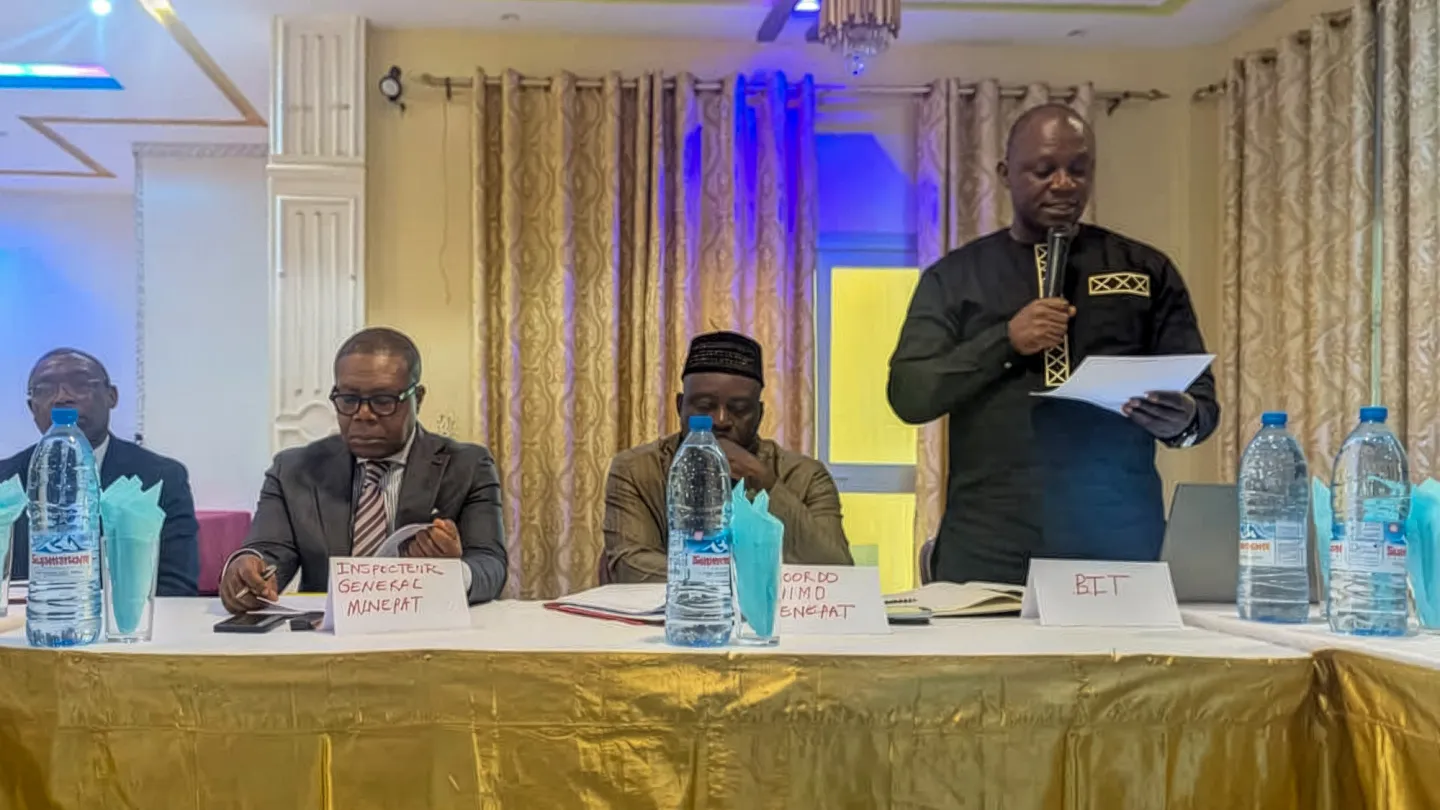
An important milestone was reached during a technical review and validation workshop held in Ebolowa from 28 to 31 July 2026. The workshop brought together representatives of key government ministries, public institutions, development programmes and technical partners to review and validate the occupational standards, training standards, assessment procedures, candidate portfolios and draft regulatory provisions required to support the future implementation of the RPL system in the building and construction sector.
"The validation of these tools and mechanisms marks an important milestone towards establishing a system that can formally recognize competencies acquired through labour-based infrastructure programmes," said Kouatchou Médard, Head of the Employment Intensive Investment (HIMO) Unit at the Ministry of Economy, Planning and Regional Development (MINEPAT). "This initiative lays the foundation for a more inclusive skills recognition system that can enhance employability and increase the long-term impact of public investments."
During the workshop, participants refined the technical instruments that will underpin the future RPL system, including occupational standards, training standards, assessment procedures, candidate portfolios and draft regulatory provisions. Together, these elements will support future certification processes that are aligned with national qualifications and responsive to labour market needs.
Once the framework and supporting institutional arrangements are fully operational, workers in the building and construction sector will have pathways for the formal recognition of competencies acquired through work experience. Over time, the system is expected to improve labour mobility, strengthen the credibility of labour-based public investment programmes and contribute to greater socio-economic inclusion.
The International Labour Organization participated in the workshop at the invitation of MINEPAT, reaffirming its commitment to supporting Cameroon in strengthening national skills systems and expanding opportunities for workers whose competencies have been acquired through non-formal and informal learning.
"Recognizing skills acquired through practical work experience is an important step towards improving employability and creating more inclusive labour markets," said Etienne Tah Tayong, National Project Coordinator, representing the Director of the ILO Office in Cameroon. "The work undertaken through this initiative is helping establish the basis for a system that will eventually enable workers to have their competencies formally assessed, recognized and, where applicable, certified. This will contribute to a more inclusive and responsive national skills system."

The initiative reflects the Government of Cameroon's broader commitment to modernizing the national skills development system and ensuring that workers are not disadvantaged because they acquired their competencies outside formal education or training institutions. By creating pathways for recognizing skills gained through experience, the framework will help bridge the gap between informal learning and formal employment opportunities.
The next phase will focus on finalizing and adopting the regulatory framework, piloting assessment and recognition mechanisms, strengthening the capacity of assessors and institutions, and mobilizing the resources required for implementation before the certification process can become operational.
The International Labour Organization will continue working with the Government of Cameroon and national partners as the framework moves towards implementation, helping ensure that skills gained through work are progressively recognized and translated into greater opportunities for decent and productive employment.
Related content

Recognition of Prior Learning