

Brazil: Tripartite dialogue advances occupational safety and health in the coffee sector
Government, employer and worker representatives in Brazil validated research findings on how occupational safety and health can strengthen social dialogue and collective bargaining in the coffee sector.
10 September 2026
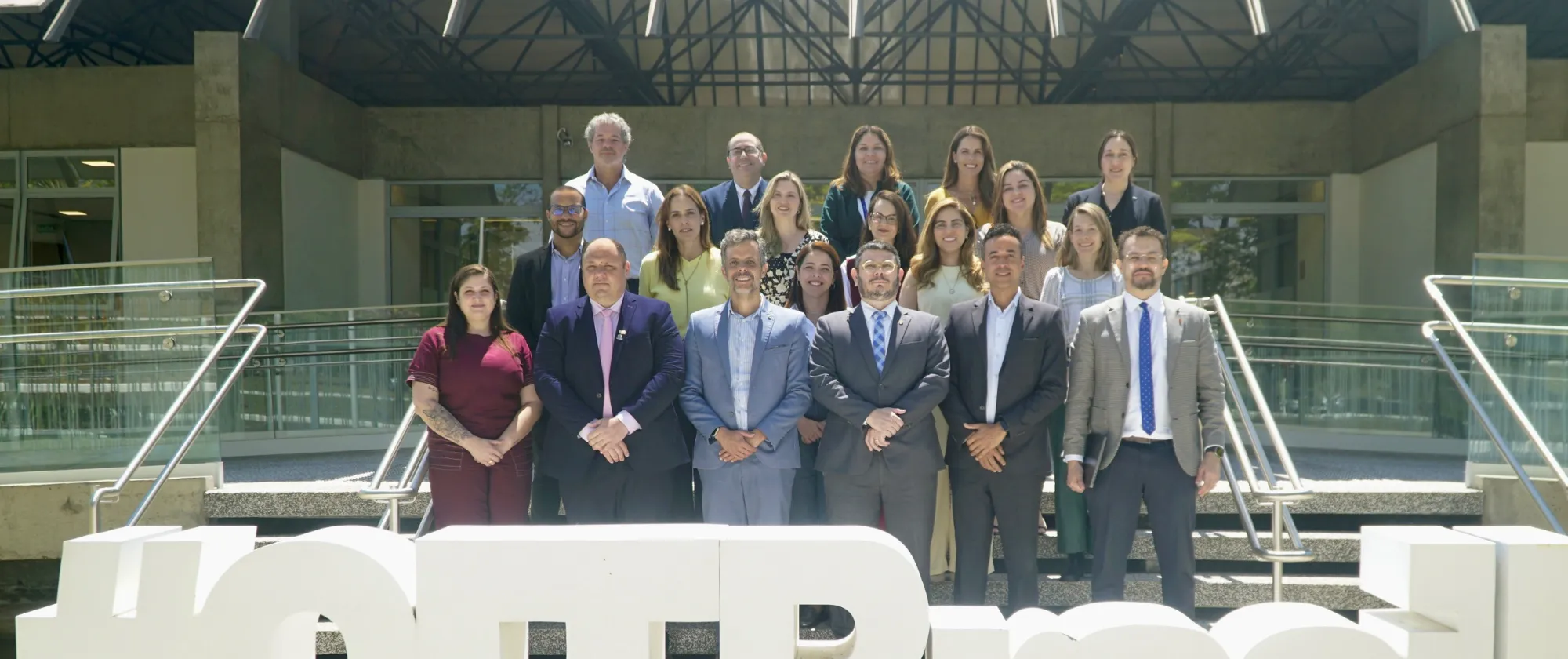
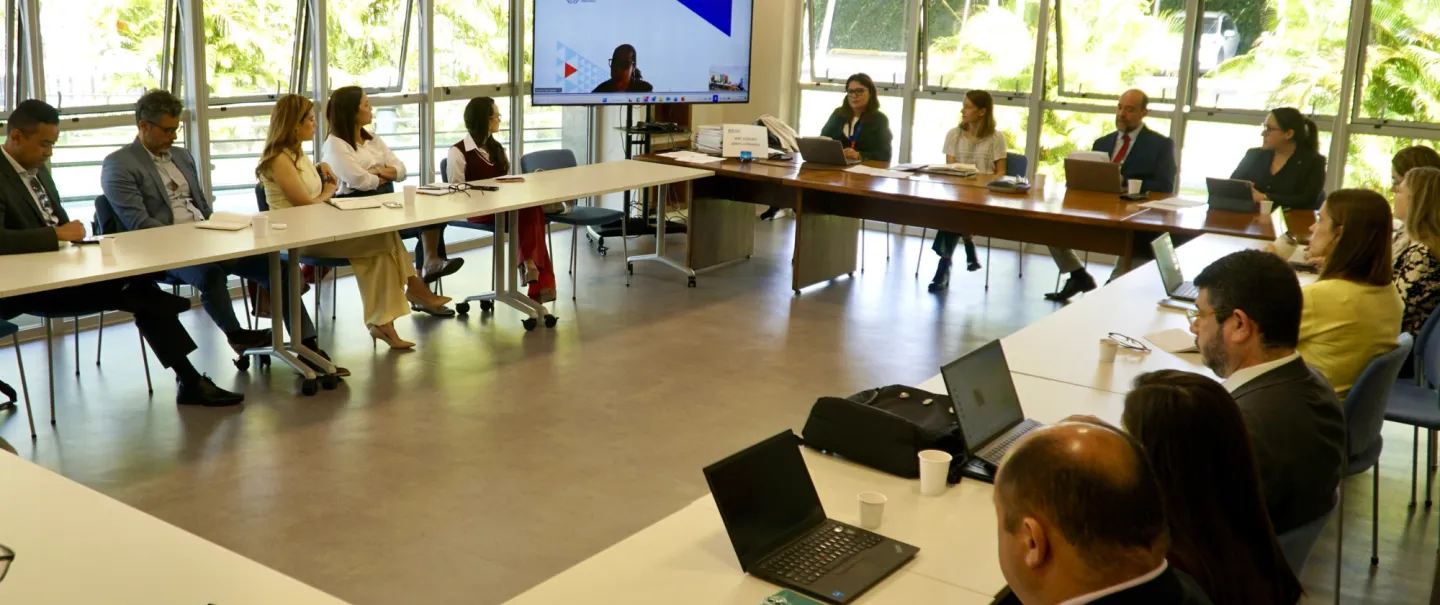
BRASÍLIA (ILO News) – Representatives of Brazil’s government, employers and workers validated research findings on 9 September on how occupational safety and health (OSH) can help strengthen social dialogue and collective bargaining in the country’s coffee sector. The tripartite workshop, organized by the International Labour Organization (ILO) through the Vision Zero Fund (VZF), also gathered input for the Fund’s next phase in Brazil.
The research examines whether occupational safety and health (OSH) can provide common ground for strengthening collective bargaining in the coffee sector. Participants reviewed the preliminary findings and provided input to further refine the study.
The analysis also considers factors that may facilitate or hinder OSH’s potential to serve as an enabler of collective bargaining, including territorial and production-related differences, institutional capacities and challenges related to the prevention of occupational risks.
Opening the meeting, Vinícius Pinheiro, Director of the ILO Office for Brazil, highlighted the potential for occupational safety and health to serve as an entry point for social dialogue in the coffee supply chain.
“While collective bargaining can help strengthen risk prevention, the OSH agenda can also broaden participation, build capacities and create conditions for more effective dialogue,” Pinheiro said.
Occupational safety and health in Brazil’s coffee sector
The discussions examined characteristics of Brazil’s coffee sector, including the presence of family farming and small-scale producers, seasonality, migrant labour and varying levels of mechanization.
Participants also considered OSH issues related to machinery and equipment, exposure to chemicals and heat, working time arrangements, training and transportation.
The meeting brought together representatives of the Labour Inspection Secretariat of the Ministry of Labour and Employment (MTE), the Brazilian Confederation of Agriculture and Livestock (CNA), the National Coffee Council (CNC), and the National Confederation of Rural Wage Workers (CONTAR).
The workshop provided an opportunity for government, employer and worker representatives to complement, question and further refine the preliminary research findings, contributing to the final version of the study.
Tripartite representatives also provided input on supply chains, territories, risks and opportunities that may help guide the next activities of the Vision Zero Fund in Brazil.
Strengthening prevention through social dialogue
The ILO Global Strategy on Occupational Safety and Health 2024–30 places prevention, social dialogue, gender and participation among its guiding principles. Since 2022, the right to a safe and healthy working environment has been part of the ILO’s Fundamental Principles and Rights at Work, alongside freedom of association and collective bargaining, the elimination of forced labour and child labour, and the elimination of discrimination.
Co-funded by the European Union, the Vision Zero Fund is a global ILO initiative that seeks to strengthen sustainable prevention mechanisms and support ILO constituents and other relevant stakeholders in promoting the right to a safe and healthy working environment in global supply chains.
In Brazil, the Fund supports efforts to strengthen the capacities of ILO constituents and other relevant stakeholders to promote the right to a safe and healthy working environment in the coffee supply chain.
Related content

Vision Zero Fund