

Enterprise digitalization
Bangsamoro enterprises to benefit from first Digital Transformation Centre
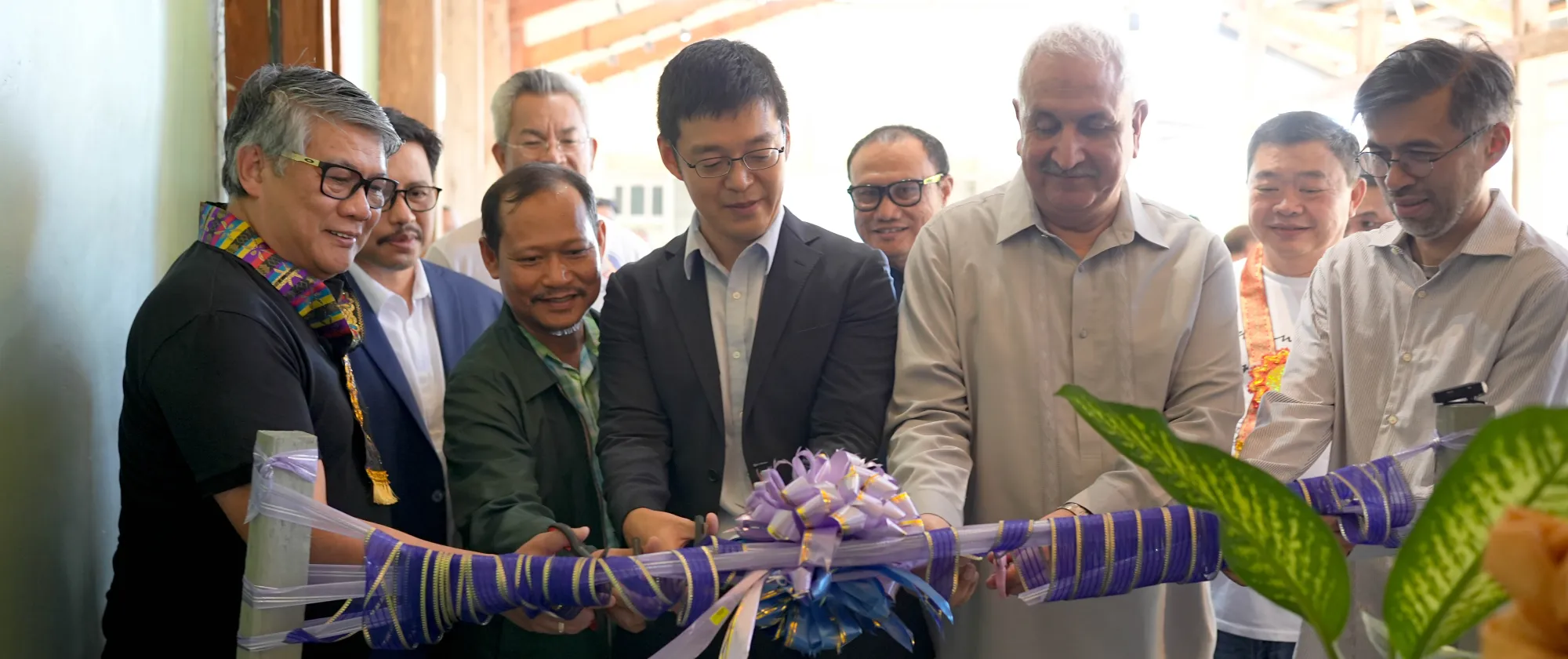
The ILO, Japan and the Department of Information and Communications Technology launch the Digital Transformation Centre to support enterprises in the Bangsamoro Autonomous Region in Muslim Mindanao.
6 June 2024
COTABATO, Philippines (ILO News) – The International Labour Organization (ILO), the Department of Information and Communications Technology (DICT), and the Embassy of Japan join hands in the launch of another Digital Transformation Centre (DTC) on 30 May 2024 in Cotabato City. The DTC will support digitalization among micro-, small, and medium-sized enterprises (MSMEs) and other stakeholders in the Bangsamoro Autonomous Region in Muslim Mindanao (BARMM).
Along with the recently inaugurated DTC in Dau, Mabalacat, Pampanga, the new facility was constructed with support from the ILO project “Bringing Back Jobs Safely Under the COVID 19 Crisis in the Philippines: Rebooting Small and Informal Businesses Safely and Digitally (BBJS Project)” funded by the Government of Japan. It will cater to the training needs of the general public in BARMM, particularly MSMEs seeking to improve their operations using digitalization as a way of achieving business sustainability.
By providing access to digital resources and training, the DTC is set to enhance the competitiveness of local businesses and foster job creation, thereby contributing to the sustainability of peace efforts and economic development in BARMM. The centre’s establishment in the area underscores the concerted efforts of government and development partners in advancing technological capabilities and supporting the vital role of MSMEs.
In his message during the launch, Director Khalid Hassan of the ILO Country Office for the Philippines stressed the importance of addressing the economic realities of micro and small and medium enterprises (MSMEs), which contribute close to 40 per cent of jobs worldwide and play a crucial role in efforts to implement the 2030 Agenda for Sustainable Development and achieve the Sustainable Development Goals. He noted that despite their economic importance, MSMEs often remain trapped at low levels of performance and growth, many remaining informal and rendered vulnerable to economic shocks such as that caused by the COVID-19 pandemic.

Meanwhile, DICT Assistant Secretary for Consumer Protection Wilroy Ticzon emphasized that the Digital Transformation Center (DTC) is a labour of commitment and high hope envisioned for the future. That these capacity-building efforts towards infrastructure assistance in the form of expansion of innovation hubs will contribute a lot in improving workers in micro, small and medium enterprises (MSMEs).
This will also be a venue where unreachable possibilities are now reachable and accessible to all. This facility will be an access to continuously foster the culture of learning and growth as we maximize the potential of this facility, to take this as your advantage and edge in transgressing with the ICT advancement and set to enhance the competitiveness of local businesses and foster job creation.
The statement from the Embassy of Japan emphasized that while the project was initiated owing to the COVID-19 pandemic, the project’s promotion of occupational safety and health and digitalization of business operations prove to be very important even beyond a health crisis. The Embassy is hopeful that the fruits of everyone’s hard work in this endeavour will reach more people in the years to come, way beyond the project’s term.

The ILO, through the BBJS Project has contributed towards improving safety and health of workers in MSMEs and informal businesses while enhancing their capacity to mitigate the negative socio-economic impact of the COVID 19 crisis through improved business operations using digital tools. In addition to the construction of the DTCs in Dau and Pampanga, its partnership with the DICT includes provision of computers and satellite-based internet connectivity in locations identified to have connectivity challenges.
In BARMM, these equipment were provided to the Tech4ED Centers in Upi, Parang, and Buldon as well as in the Region 12 Tech4ED center in M’lang CeC and in Region 9 Liloy Tech4ED Center. Meanwhile, ILO worked with partners such as the European Chamber of Commerce of the Philippines (ECCP) – CRESCENT Project and the Ministry of Trade, Industry and Tourism (MTIT) in BARMM toward developing a pool of 50 trainers on Start and Improve Your Business (SIYB) with a strong focus on enhancing the capacity of small enterprises to use digital tools in business operations.
Related content

COVID-19 response
Bringing back jobs safely under the COVID-19 crisis in the Philippines: Rebooting small and informal businesses safely and digitally: Fact...
Bringing Back Jobs Safely: A presentation at the ILO Japan project launch
Relevant projects

Safety + Health for All
Bringing Back Jobs Safely under the COVID-19 Crisis in the Philippines: Rebooting Small and Informal Businesses Safely and Digitally