

Press release
Asia and Pacific: Unions develop common strategies in shaping a new social contract
Representative of Unions, employers, governments and academia across Asia and Pacific meet in Manila, Philippines, to discuss on macroeconomic policies for economic development and fundamental principles and rights at work, including collective bargaining and freedom association; as key components of a new social contract.
10 December 2024
MANILA, (10 December 2024, ILO News) Philippines hosts a regional conference to reflect on how to shape the design and implementation of the new social contract at national and regional levels.
Organized by the ILO’s Bureau for Workers’ Activities (ACTRAV), the Conference aims to provide a platform for regional dialogue on the evolving social contract in the context of changing economic, social and environmental impacts, with a particular focus on macroeconomic policies for economic development and fundamental principles and rights at work, including collective bargaining and freedom of association.
During two days, participants will exchange best practices and lessons learned with regards to the role trade unions play in influencing policy making, and to discuss strategies on recent economic and social challenges.
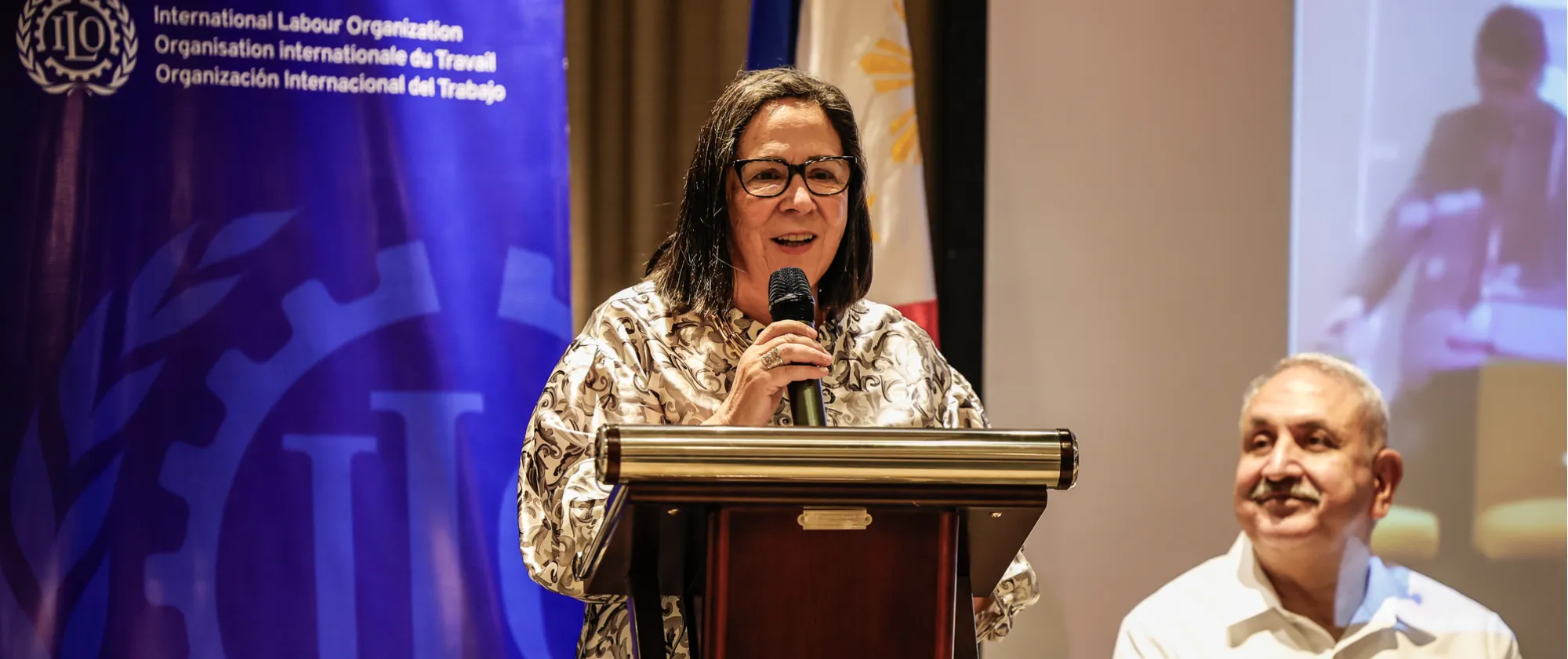
“Trade unions have a crucial role to play in shaping the new social contract. However, to effectively play this role, trade unions need to adapt to the changing world of work and to strengthen their capacity to represent and protect workers in non-standard forms of employment. This conference will be an opportunity for trade unions to strengthen their collective voice in shaping the future of work, towards the Second World Summit for Social Development in 2025. It is an ample opportunity to evaluate the involvement of the labour movement in the agenda 2030, and to discuss the way forward, including their continued participation in the multilateral system to shape public policies for renewing the social contract, through initiatives such as the Global Coalition for Social Justice.”, said Maria Helena ANDRE Director of ACTRAV.
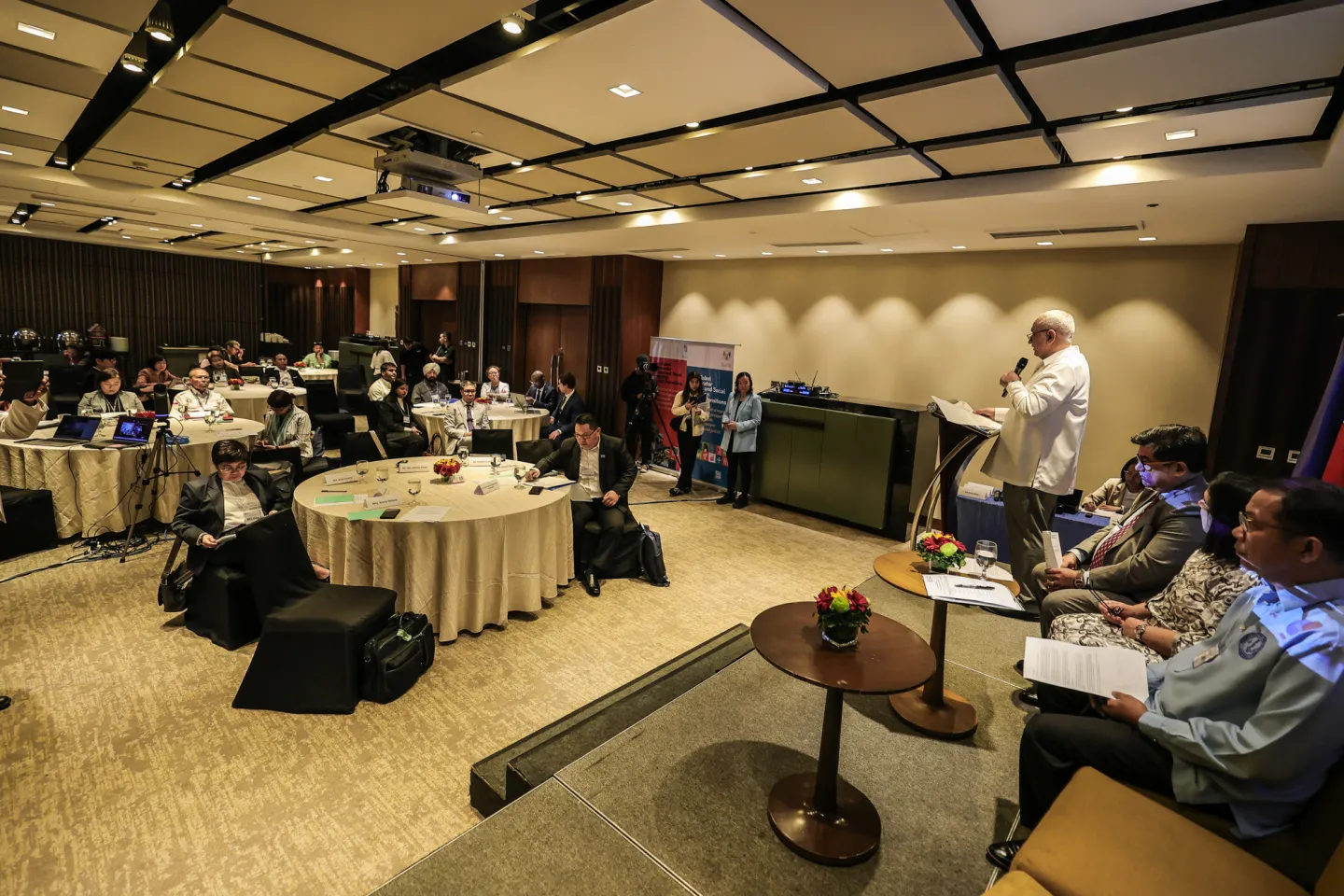
“The Philippines is a member of the Global Coalition for Social Justice and a pathfinder country for the Global Accelerator on Jobs and Social Protection for Just Transition. With the strong engagement of the tripartite constituents, the Philippines will pave the way to the Global Coalition and Global Accelerator. The new social contract will create an enabling environment for the Philippines to lead and pave the way to achieve its priorities and commitments”, explained Khalid Hassan, Director, ILO Country Office for the Philippines.
The Conference will feature thematic sessions on the impacts of macroeconomic policies on the world of work, the growing array of barriers to the ILO fundamental principles and rights at work, the importance of policy coherence and social dialogue in shaping the new social contract.
The event is a part of the series of regional discussions organized by ACTRAV around the globe to prepare trade unions contributions towards the upcoming debate at the Second World Summit for Social Development in 2025.
About the New Social Contract
The world is undergoing a significant transformation, driven by changing patterns in globalisation, rapid technological change and the ever-present climate crisis. These changes are profoundly affecting the world of work, threatening sustainable economic development and social cohesion in many countries, particularly in Asia and the Pacific. This has challenged the capacity of many governments to provide adequately for its people and to honour its social contract, given the fact that regulatory systems, structural reforms and other public policies are oftentimes not keeping up with changes in the world of work.
The concept of a "new social contract" emerges as a framework to redefine state-society relations. It provides an opportunity to take stock of the existing social contract between the state and its people, and to assess whether it is on the one hand adapting to the transformation changes, and on the other is inclusive enough to cover all, particularly those in vulnerable situations.
Thus, this new social contract should aim to ensure social progress, justice, and inclusivity in all aspects of social and economic life. It should conceivably emphasize the crucial role of the labour market in aligning economic, social, and employment priorities to ensure everyone benefits from economic development through decent work and social protection.
For more information, please contact:
Ariel Castro,
Regional Desk Officer for Asia and Pacific
Email: [email protected]
Mamadou Kaba SOUARE, Head of Communications and Publications, ILO ACTRAV
Email: [email protected]
Relevant projects

Project
Support for labour law and industrial relations reform in Malaysia