

Skills development
Africa Skills Week 2025 launches new strategy and partnerships for skills development
Africa Skills Week 2025 brought together continental partners to launch a new Technical and Vocational Education and Training (TVET) strategy, expand public–private partnerships, and kick off a major work-based learning initiative. The event spotlighted financing innovations and partnerships to boost youth employability and enterprise productivity.
20 October 2025
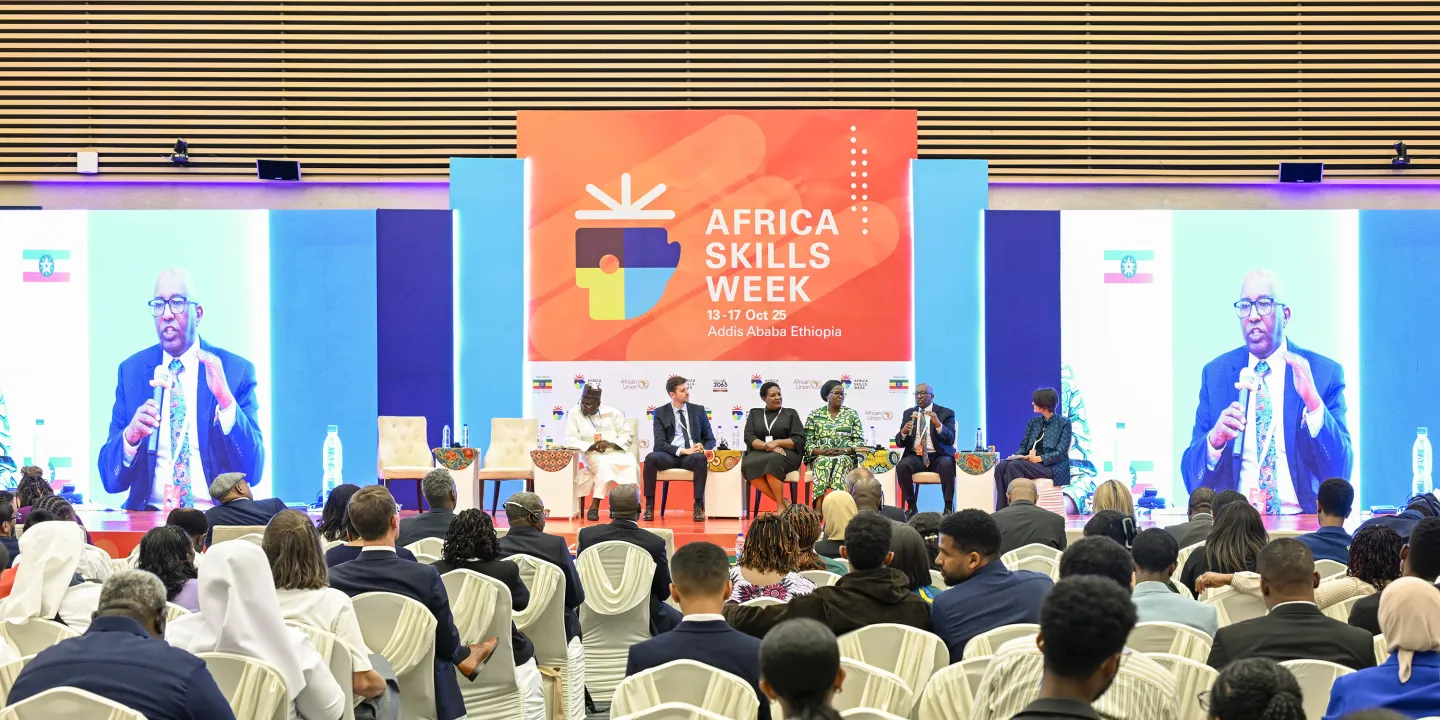
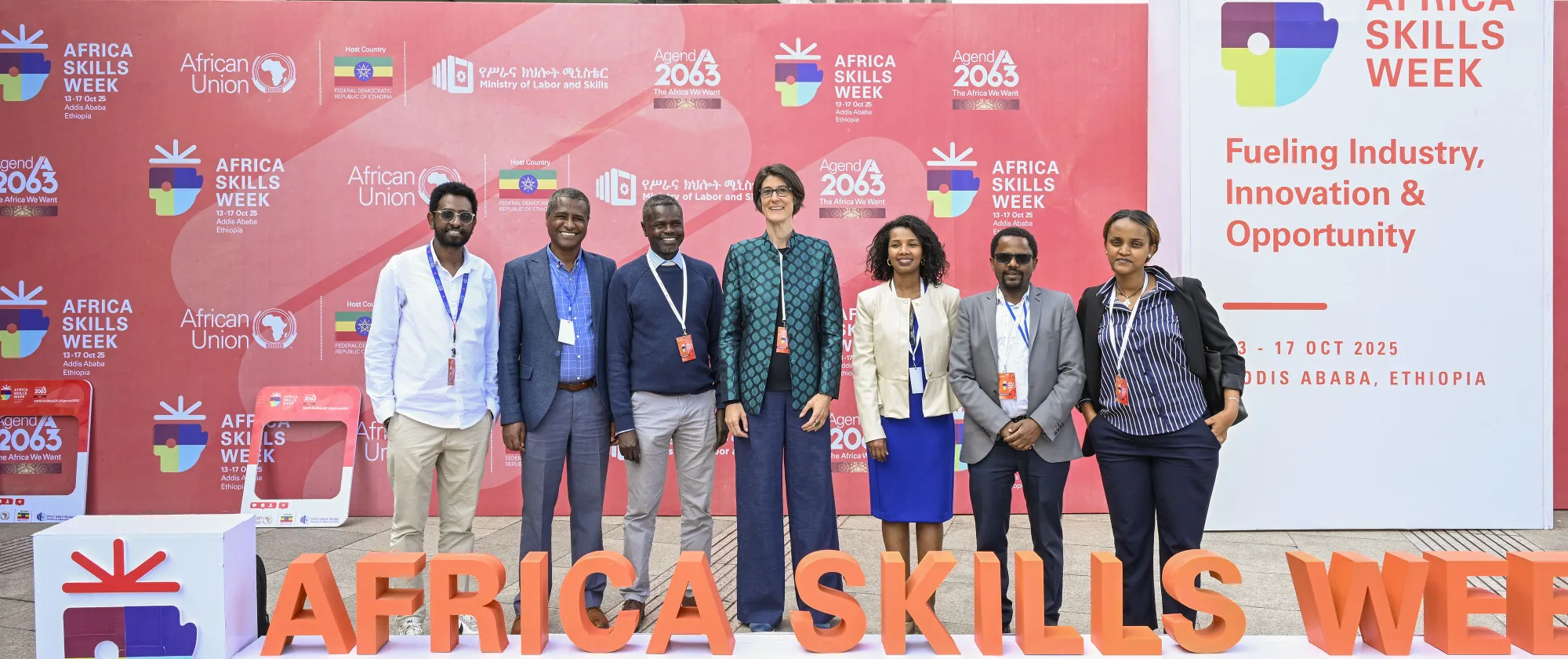
ADDIS ABABA (ILO News) – The 2025 edition of Africa Skills Week, held from 13–17 October in Addis Ababa, brought together government leaders, employers, workers, regional networks, and development partners to spotlight innovations and opportunities in vocational education and training across the continent.
Hosted by the African Union Commission in collaboration with the International Labour Organization (ILO), the week-long event featured the official launch of the Continental TVET Strategy 2025–2034, alongside high-level sessions addressing financing, skills intelligence, and work-based learning.
With strong participation from the private sector and training institutions, the event underscored the importance of aligning skills development with enterprise productivity, economic transformation, and youth employability.
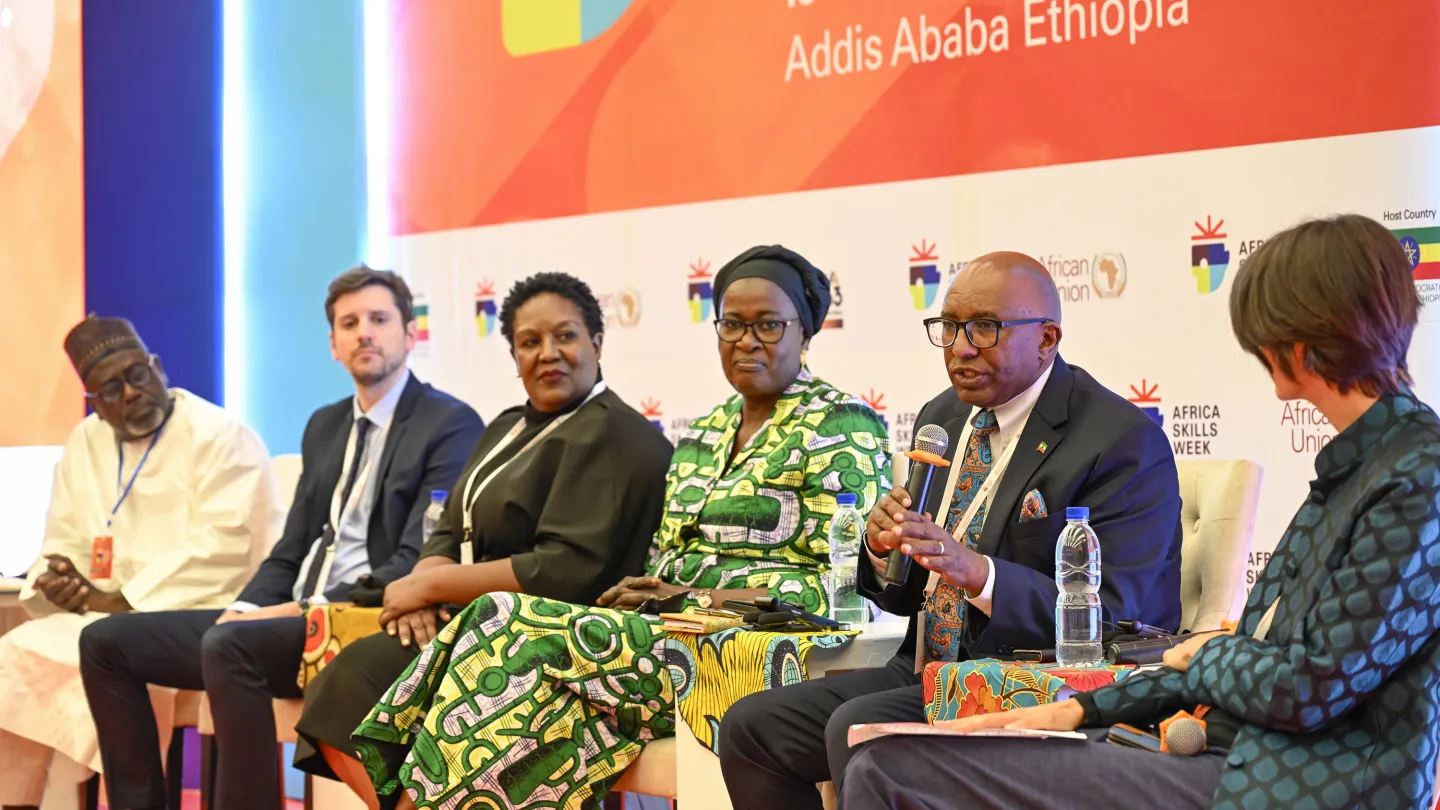
“We take this opportunity to invite other countries that are not yet part of RAFPRO to join the network,” said Dr. Phillipe N’dri, President of the African Network of Vocational Training Institutions and Funds (RAFPRO), during the event. “Pooling our expertise and resources will allow us to strengthen national skills systems, improve enterprise competitiveness, and better support young people entering the labour market.”
New strategy and stronger partnerships
The central highlight of the week was the symbolic launch of the Continental TVET Strategy for Africa 2025–2034, a 10-year plan developed by the African Union Commission (AUC) in partnership with the African Union Development Agency (AUDA-NEPAD), with support from the ILO. The implementation strategy was validated during ministerial and technical sessions, with strong engagement from member States.
In parallel, the ILO and partners launched the Strategic Skills Partnership Initiative – Africa (SSPI-Africa), a new platform to support excellence in work-based learning across the continent. The initiative connects social partners, including the International Organisation of Employers (IOE) and ITUC-Africa, with TVET networks such as ADEA, ATUPA, SASASNET, and the UNEVOC Africa Network. The initiative is supported by the Government of Germany under the Global VET Agenda.
Focus on financing and enterprise engagement
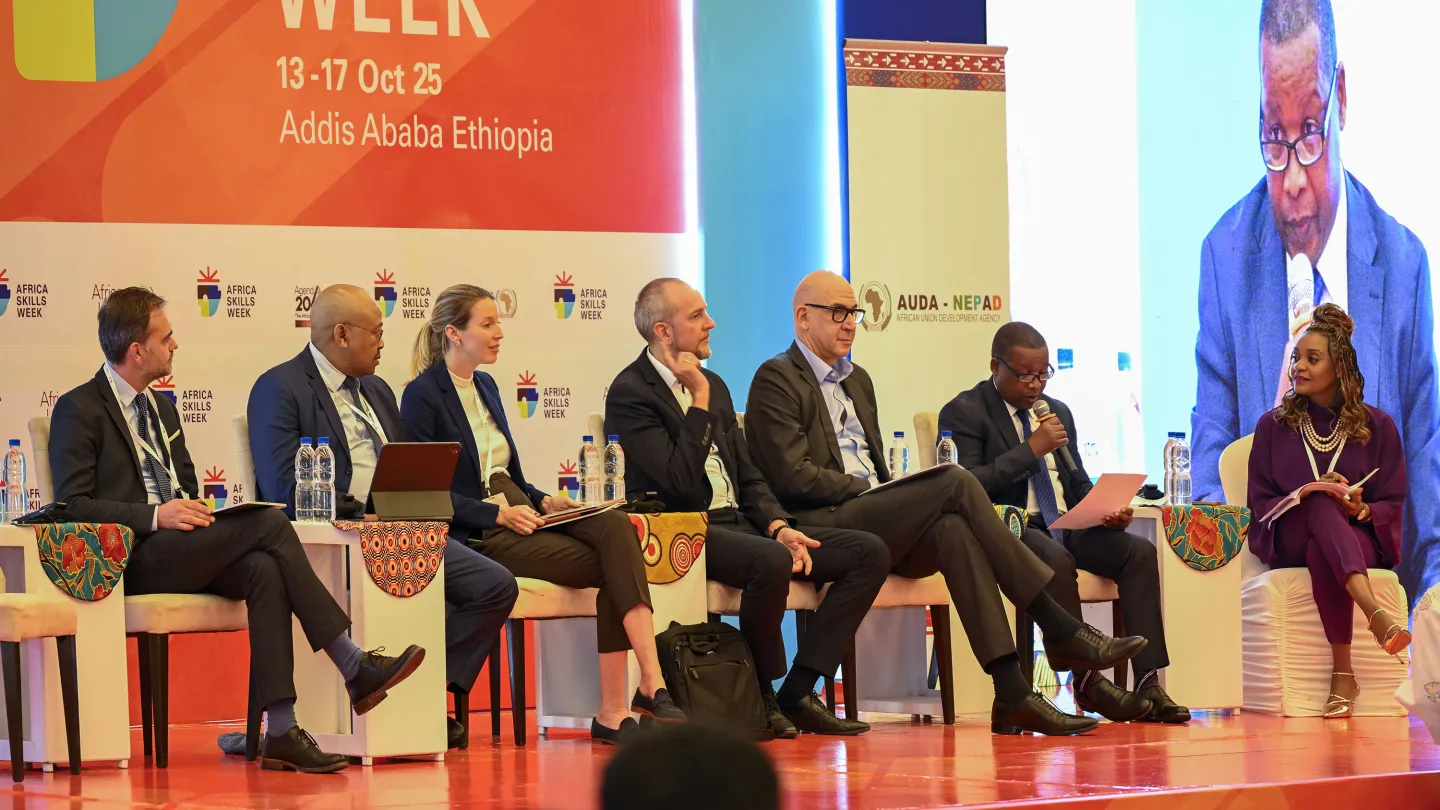
Technical sessions organized by the ILO addressed sustainable financing mechanisms for TVET, with a focus on employer-led training funds and public–private partnerships. The discussions highlighted the role of RAFPRO in fostering South–South cooperation, and the need for broader participation, especially from Anglophone countries.
Alexis Hoyaux of the European Commission’s Directorate-General for International Partnerships (DG INTPA), who participated in the session on financing, emphasized: “If we are to deliver results, employer engagement and sustainable funding must be at the core of skills development systems. Platforms like RAFPRO are vital to build local ownership and regional exchange.”
Making apprenticeships work for all
The session on work-based learning affirmed the role of informal apprenticeships across Africa, while also calling for greater recognition and quality assurance. Participants endorsed a rights-based approach, improved assessment systems, and stronger linkages between informal and formal training ecosystems. These efforts are aligned with the ILO’s Recommendation No. 208 on quality apprenticeships.
A jointly developed ILO-GIZ think piece on apprenticeships in Africa was shared during the event and validated through a multi-stakeholder panel.
Looking ahead to RAFPRO’s next gathering
Building on the momentum from Africa Skills Week, the African Network of Vocational Training Institutions and Funds (RAFPRO) will host its next regional workshop in Abidjan on 9-10 December 2025. Under the theme “Artificial intelligence and vocational training: Challenges and opportunities for skills, employability, and enterprise competitiveness”, the event will explore how AI is reshaping the skills landscape and examine its implications for training systems, workforce development, and productivity across the continent.
Related content

ILO Global Skills Programme

ILO's Africa Skills Hub