

‘AI Skilling for Chinese TVET Trainers Toolkit’ Practitioner Consultative Workshop successfully held in Baoji
On 18 and 19 December 2024, the International Labour Organization (ILO) and the Ministry of Human Resources and Social Security (MOHRSS) jointly held the ‘AI Skilling for Chinese TVET Trainers Toolkit’ Practitioner Consultative Workshop in Baoji, Shaanxi Province. Over 100 participants attended the Workshop to discuss and enrich the AI Skilling for Chinese TVET Trainers Toolkit developed by the ILO and Microsoft. On 20 December, the ILO supported the second national expert workshop on the development of green skills guide series.
18 December 2024
Baoji (ILO News)-From 18 to 19 December 2024, the International Labour Organization (ILO) and the Ministry of Human Resources and Social Security of China (MOHRSS) successfully organized the ‘AI Skilling for Chinese TVET Trainers Toolkit’ Practitioner Consultative Workshop in Baoji city of Shaanxi Province, with valuable technical support by Microsoft. Over 100 participants attended the Workshop in person and online, including senior officials from MOHRSS and Baoji Municipal People's Government, global and national technical experts on digital technology and AI, and representatives of project pilot institutions from eight pilot cities and two pilot sectors. The workshop aimed to discuss how AI can empower TVET trainers and further promote the digitalization of national vocational training. On 20 December, with the support of the ILO, around 20 national technical experts from various sectors discussed the on-going development of green skills guide series.

The Consultative Workshop is an important digital skills component of the Quality Apprenticeship and Lifelong Learning in China Project Phase 2. It is one of the activities of the project ‘AI-VIBES Series’ in Core Skills for NextGen Trainers Initiative with the technical support from Microsoft. The Workshop aimed to enhance the understanding and capacities of TVET trainers on the AI application in vocational training. During the Workshop, the draft ‘AI Skilling for Chinese TVET Trainers Toolkit’ developed by the ILO, Microsoft and national experts was also introduced. Participants shared their suggestions and best practices through interactive exchanges, which will further help improve the toolkit.
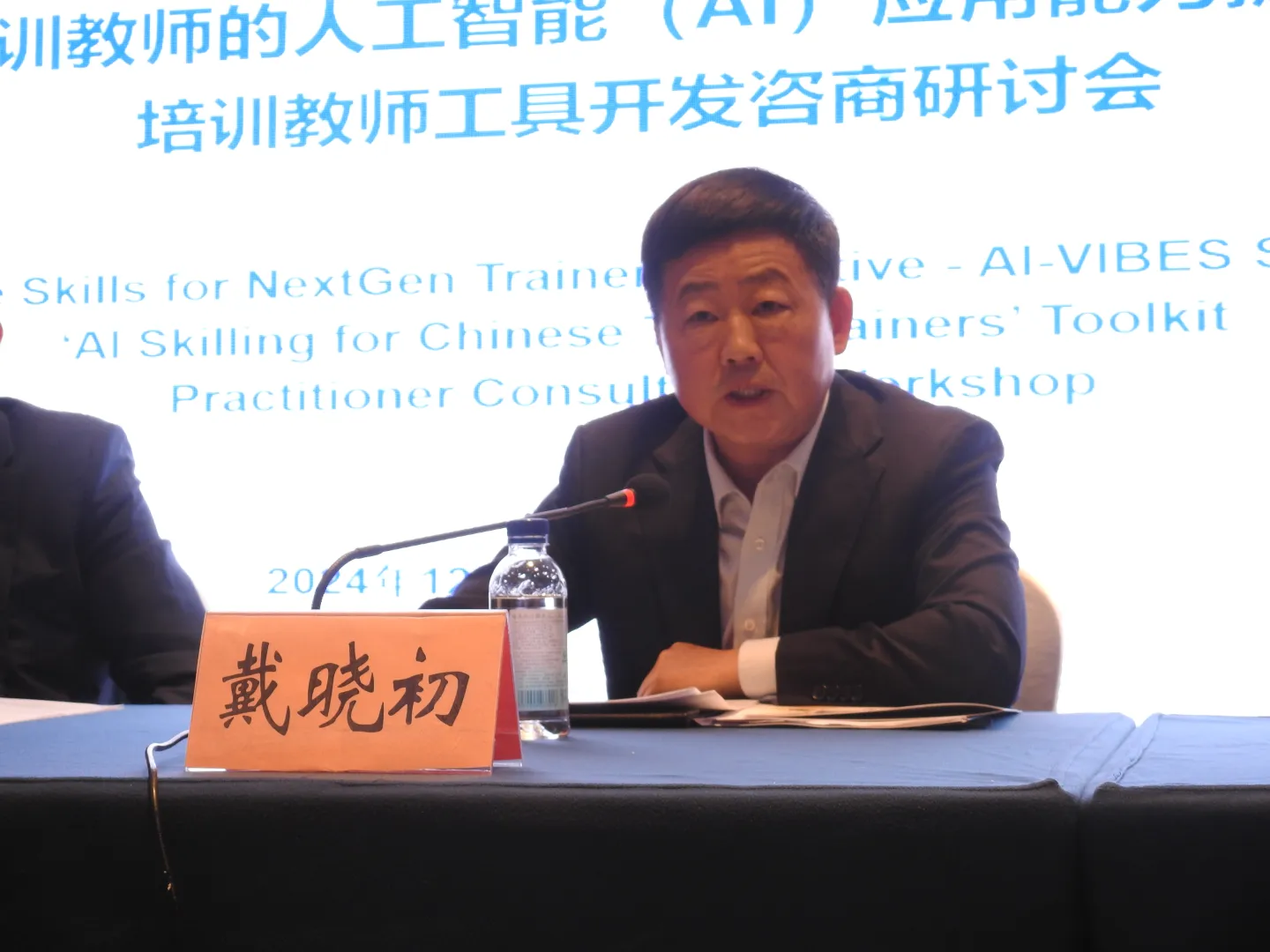
In the opening remarks, Deputy Director of ILO Country Office for China and Mongolia, Xiaochu DAI expressed that it is crucial that TVET trainers, as a key player in vocational training, should effectively utilize AI technology in order to cultivate skilled workforce for the 21st century. Mastering AI may become an indispensable core skill for TVET trainers in near future. Trainers should not only know how to use AI but also deeply understand how to effectively integrate it into various scenarios of vocational skills development, so as to improve training outcomes and inspire trainees’ motivation.
The fast-evolving AI technology is being integrated into TVET at an unprecedented pace. Globally, many countries are exploring how to leverage AI to empower vocational training, enhance teaching quality, optimize learning experience and cultivate skilled talents for the 21st century. Upskilling trainers on AI is not only a need in transforming TVET but also an inevitable trend for social development.
Mr. Xiaochu DAI, Deputy Director of ILO Country Office for China and Mongolia
Director of International Cooperation Department of MOHRSS, Si GAO expressed in his opening remarks that it is of great significance to empower vocational training by AI. It promotes the deep integration of advanced technologies with traditional industries and fosters effective pathways for the development of new quality productive forces. The ILO has already conducted forward-looking research on AI and collaborated fruitfully with China in this regard. He encouraged participants to actively learn in this workshop to advance vocational training.
The Vice Mayor of Baoji Municipal People’s Government, Mingquan LI highlighted in his opening remarks that Baoji places great importance on vocational skills development as a key approach of industrial upgrading. This workshop serves as an opportunity to learn good experience and explore creative pathways for the cultivation of skilled talents by TVET schools and enterprises.
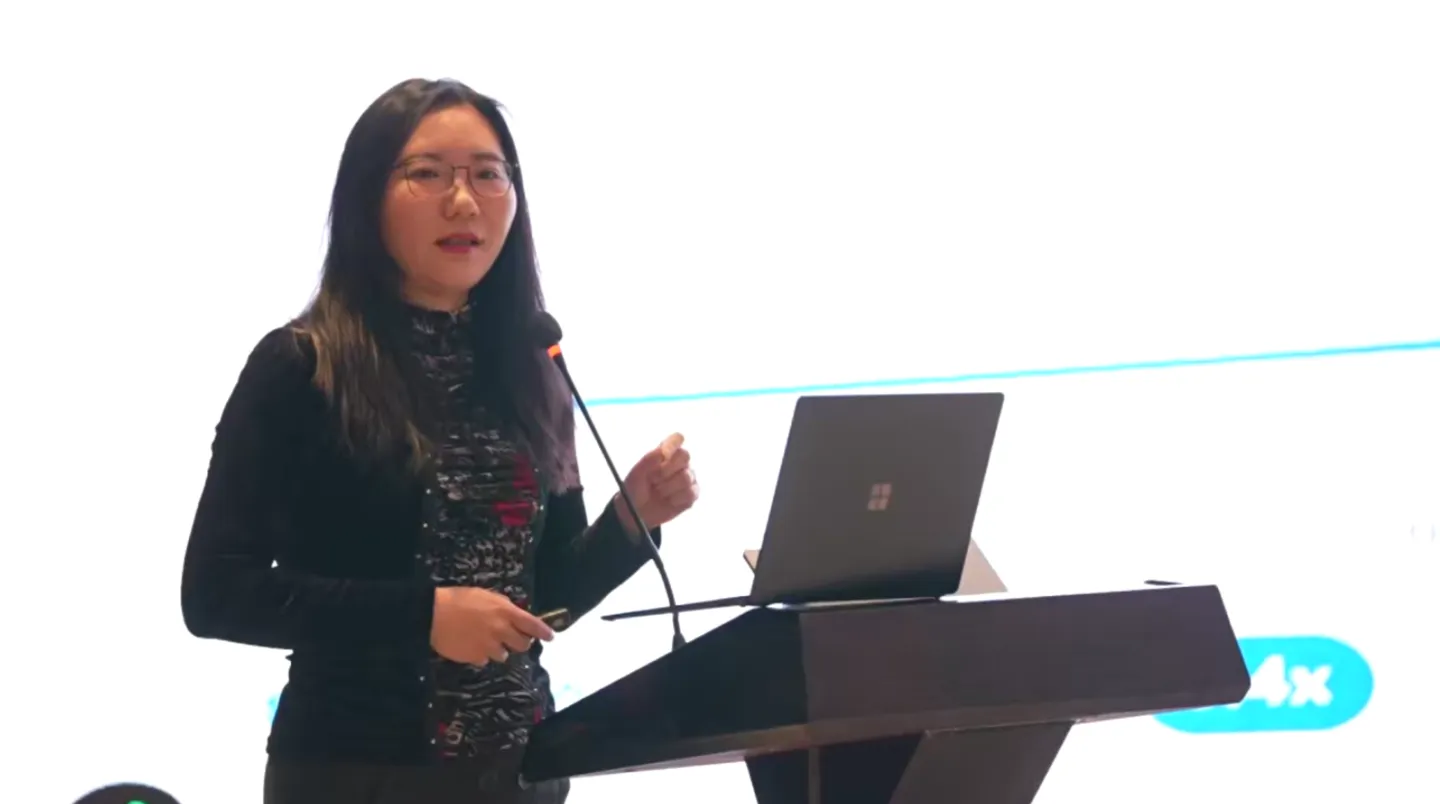
At the workshop, the ILO Skills Digitalization Specialist, Juan Ivan Martin LATAIX introduced the positive role AI can play in the field of skills development, including anticipating future skills, improving training efficiency and quality, enhancing inclusiveness and promoting lifelong learning. He also emphasized the potential of AI in innovative training, aligning training contents with international standards, and data-driven decision-making. Microsoft Asia Lead of Employee Engagement, Crossing WANG systematically presented relevant learning resources and tools that can help trainers better utilize AI, including the simplified Chinese version of AI Trainer Toolkit translated by Microsoft and the ILO.
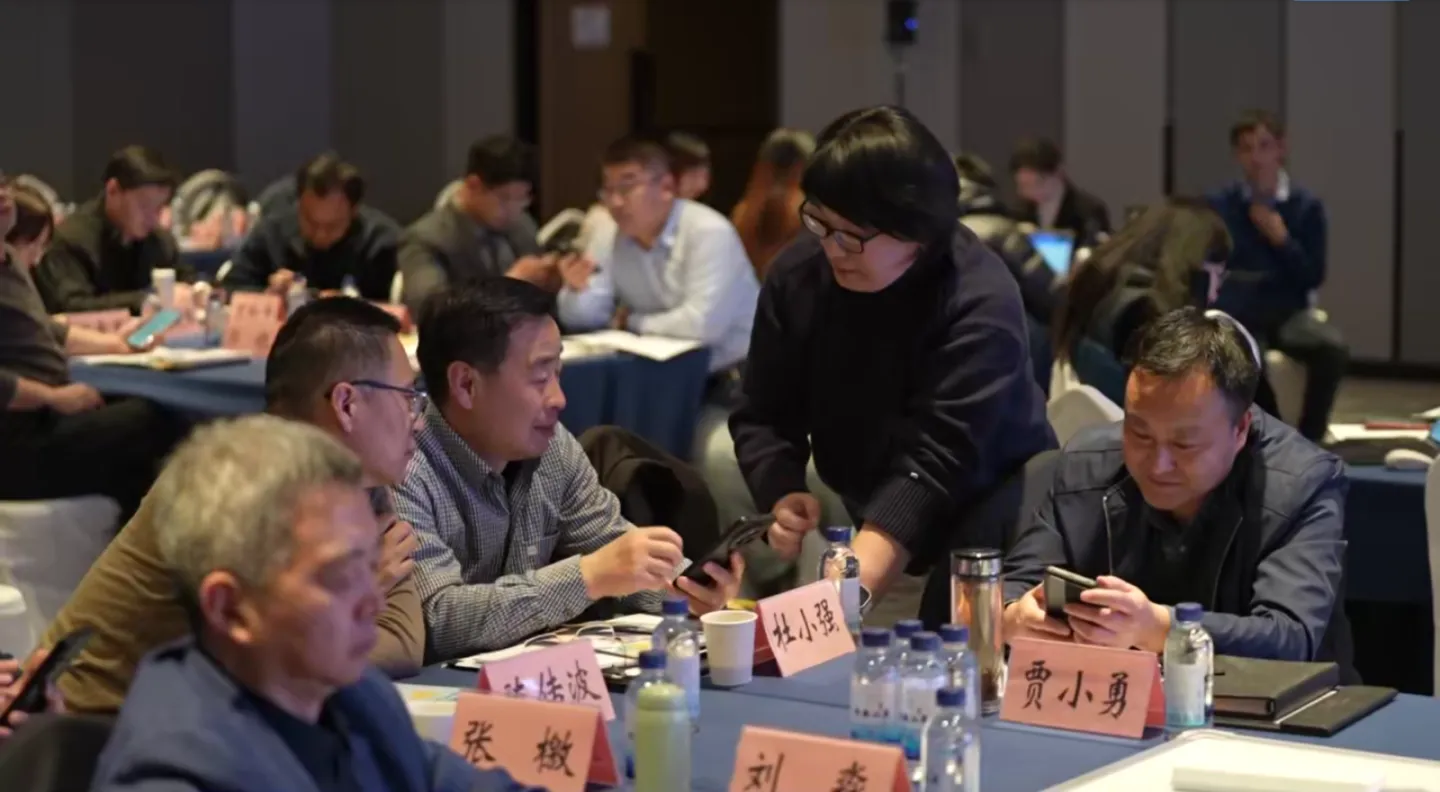
Associate Professor at Nanjing Open University and a digital skills expert with ILO and Microsoft, Le LU comprehensively introduced the draft of ‘AI Skilling for Chinese TVET Trainers Toolkit’ specifically designed for the national context. Through interactive practices, the participants provided their thoughts and suggestions to the toolkit content. Trainers from pilot TVET schools and enterprises also shared their effective applications of AI in different stages of vocational training.
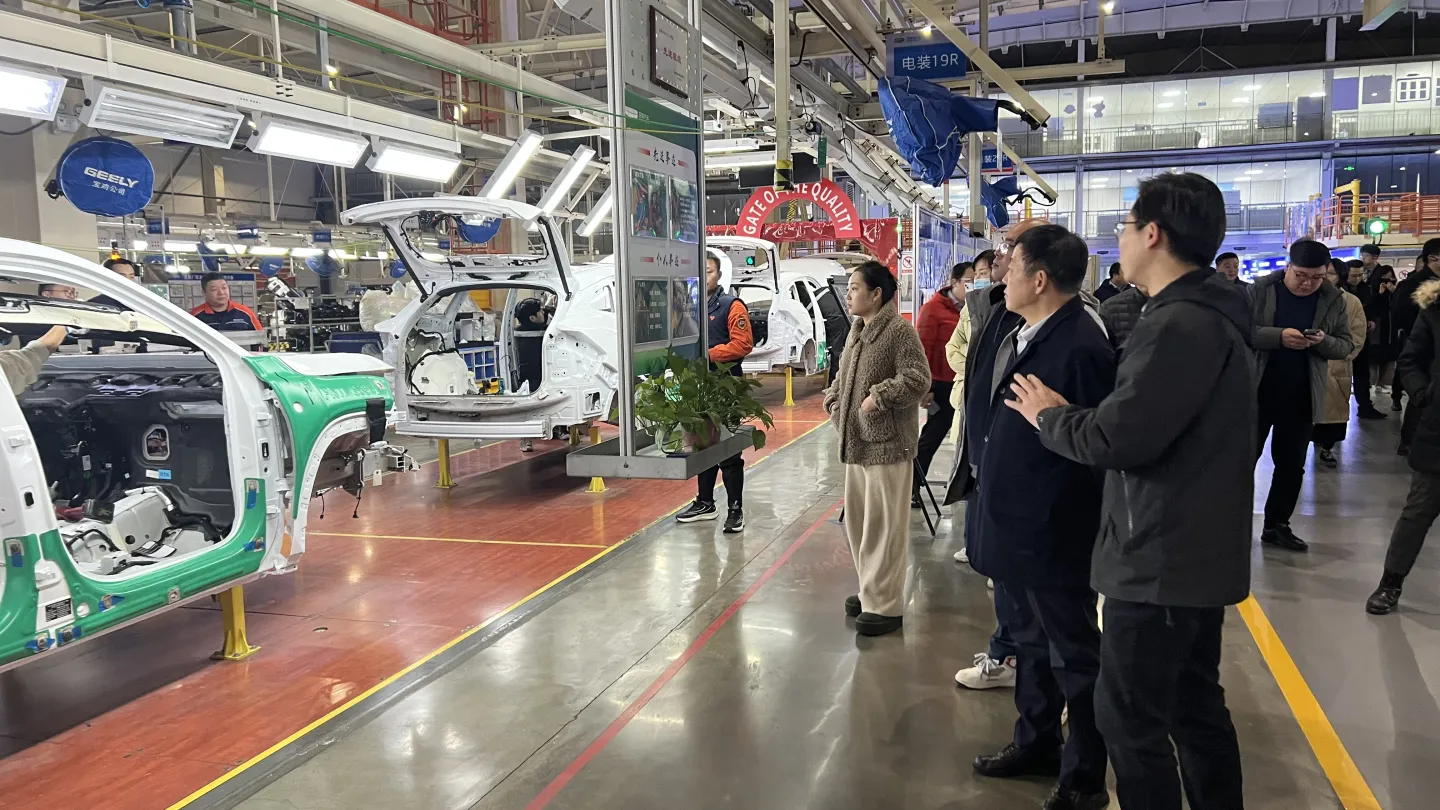
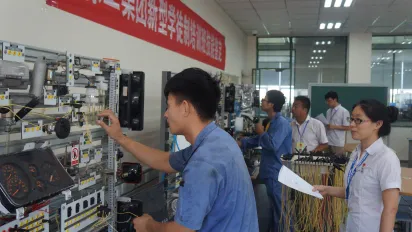
After the Consultative Workshop, the participants visited Shaanxi Baoji Petroleum Machinery Co., Ltd. and Baoji Geely Automobile Co., Ltd. for an on-site study, where they gained an in-depth understanding of smart factories and VR training.
On 20 December, with the support of the ILO, around 20 national technical experts from various sectors discussed the on-going development of green skills guide series. Chief Editor of Vocational Training Material Development Office of the MOHRSS, Xiaolong DENG presented the overall outlines for this series. National Project Manager of the ILO Country Office for China and Mongolia, Xian GUAN introduced the ILO’s definition of skills for the green economy and ILO’s work in this area. Experts from construction, agriculture, logistics, energy, etc. elaborated baseline research results, proposed outlines and sample chapters for the series. Participants from the government, industrial associations, enterprises, TVET schools and research institutes offered insights on how to further improve the content of the series.
Related content
Quality Apprenticeship and Lifelong Learning in China – Phase 2
Relevant projects
Quality Apprenticeship and Lifelong Learning in China – Phase 2