

Photo timeline
The fight for women’s rights in the workplace – an ILO history
Take a look back at the ILO's contribution towards gender equality in the workplace.
25 February 2014
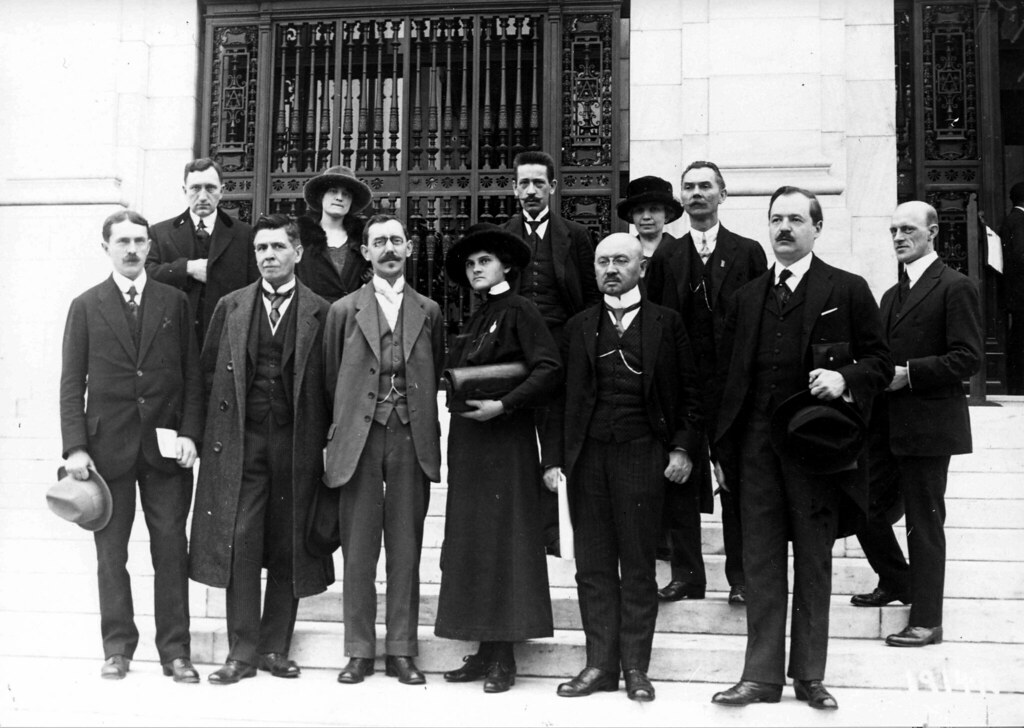
- Delegates of the 1st Session of the ILC, Washington DC, 1919
1919Women workers' rights have been critical to the ILO's mandate to promote social justice, since its founding in 1919. The Maternity Protection Convention (No. 183) was adopted in the same year - one of the first acts of the inaugural International Labour Conference (ILC).
- ILO experts on women's employment, 1956
1951 and 1958The Equal Remuneration Convention (No. 100)established the right to equal pay for work of equal value - a landmark in ILO's history and for women's rights worldwide, which has been almost universally ratified by member States. The Discrimination (Employment and Occupation) Convention (No.111) went further than the issue of equal wages to encompass broader discrimination.
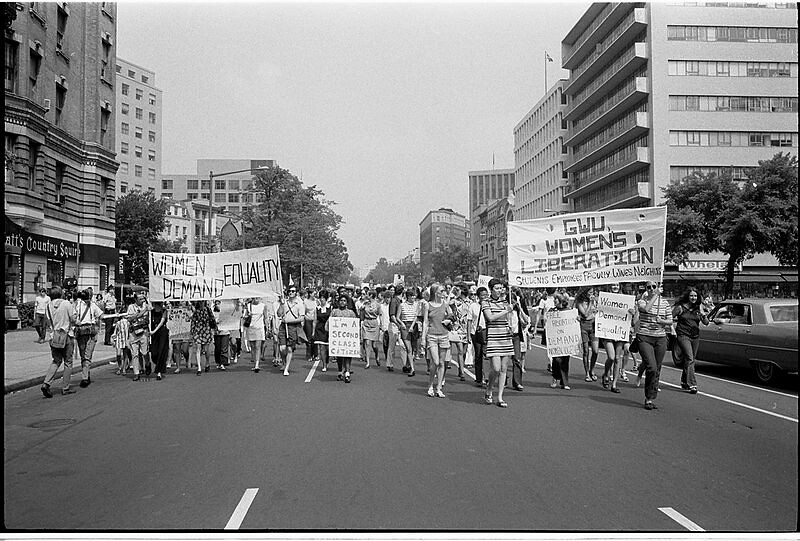
- Women's liberation march, Washington DC, 1970 © Warren K. Leffler 2014
1979 and 1981In the years leading up to the adoption of the UN Convention on the Elimination of all Forms of Discrimination against Women (CEDAW) in 1979, a wave of protests calling for equal pay and equal rights took to the streets. Often known as the international bill of rights for women, CEDAW included reference to ILO standards. Two years later, ILO went a step further by adopting the Workers with Family Responsibilities Convention (No. 156), which aims to ensure equal opportunities and treatment for men and women workers.
- Factory worker, Lebanon © J.Maillard/ILO 2014
1998The 1998 ILO Declaration on Fundamental Principles and Rights at Work committed member States to respect and promote principles and rights in four categories, whether or not they had ratified the relevant Conventions. One of these concerned the elimination of discrimination relating to employment and occupation.
- Brickyard worker with her young child, Pakistan © M.Crozet/ILO 2014
2000The Maternity Protection Convention (No. 183) is the most up-to-date international labour standard on maternity protection. It deals with a range of topics, including health protection, maternity leave and benefits, employment protection, non-discrimination and breastfeeding.
- Breaking through the glass ceiling: woman CEO, Argentina © J.Maillard/ILO 2014
2008The Declaration on Social Justice for a Fair Globalization is one of the major statements of principles and policies adopted by the ILO. It expresses a contemporary vision of the ILO’s mandate in the era of globalization and embraces gender equality and non-discrimination as cross cutting issues.
- Joyce Banda, President of Malawi, Geneva, ILC 2013 © Pouteau & Crozet/ILO 2014
2013Over the last 90 years, the ILO has adopted four key gender equality Conventions (No. 100, 111, 156 and 183) and a number of others relating to women at work, such as the Domestic Workers Convention (No. 189). However, there is still a long way to go. During the last ILC, in 2013, thePresident of Malawi, Joyce Banda, told delegates that it was time for women “to take their rightful position in society.”
-
Delegates of the 1st Session of the ILC, Washington DC, 1919
1919Women workers’ rights have been critical to the ILO’s mandate to promote social justice, since its founding in 1919. The Maternity Protection Convention (No. 3) was adopted in the same year – one of the first acts of the inaugural International Labour Conference (ILC).
-
Meeting of Experts on Women's Employment, ILO Governing Body, Geneva, 1956
1951 and 1958The Equal Remuneration Convention (No. 100) established the right to equal pay for women and men for work of equal value - a landmark in ILO’s history and for women’s rights worldwide, which has been almost universally ratified by member States. The Discrimination (Employment and Occupation) Convention (No.111) went further than the issue of equal wages to encompass broader discrimination.
-
Women's liberation march, Washington DC, 1970© Warren K. Leffler 2014
1979 and 1981In the years leading up to the adoption of the UN Convention on the Elimination of all Forms of Discrimination against Women (CEDAW) in 1979, a wave of protests calling for equal pay and equal rights took place. Often known as the international bill of rights for women, CEDAW included reference to ILO standards. Two years later, ILO went a step further by adopting the Workers with Family Responsibilities Convention (No. 156), which aims to ensure equal opportunities and treatment for men and women workers.
-
Factory worker, Lebanon© J.Maillard/ILO
1998The 1998 ILO Declaration on Fundamental Principles and Rights at Work committed member States to respect and promote principles and rights in four categories, whether or not they had ratified the relevant Conventions. One of these concerned the elimination of discrimination relating to employment and occupation.
-
Brickyard worker with her young child, Pakistan© M.Crozet/ILO
2000The Maternity Protection Convention (No. 183) is the most up-to-date international labour standard on maternity protection. It deals with a range of topics, including health protection, maternity leave and benefits, employment protection, non-discrimination and breastfeeding.
-
Breaking through the glass ceiling: woman CEO, Argentina© J.Maillard/ILO
2008The Declaration on Social Justice for a Fair Globalization is one of the major statements of principles and policies adopted by the ILO. It expresses a contemporary vision of the ILO’s mandate in the era of globalization and embraces gender equality and non-discrimination as cross cutting issues.
-
Joyce Banda, President of Malawi, Geneva, ILC 2013© Pouteau & Crozet/ILO
2013Over the last 90 years, the ILO has adopted four key gender equality Conventions (No. 100, 111, 156 and 183) and a number of others relating to women at work, such as the Domestic Workers Convention (No. 189). However, there is still a long way to go. During the last ILC, in 2013, the President of Malawi, Joyce Banda, told delegates that it was time for women “to take their rightful position in society.”



Related content

7 March 2014
ILO 2014 International Women's Day celebrations
International Women’s Day 2014
Women at work – where we are, where we want to be