

Our impact, their voices
Towards sustainable and inclusive palm oil companies and plantations in the heart of East Kalimantan
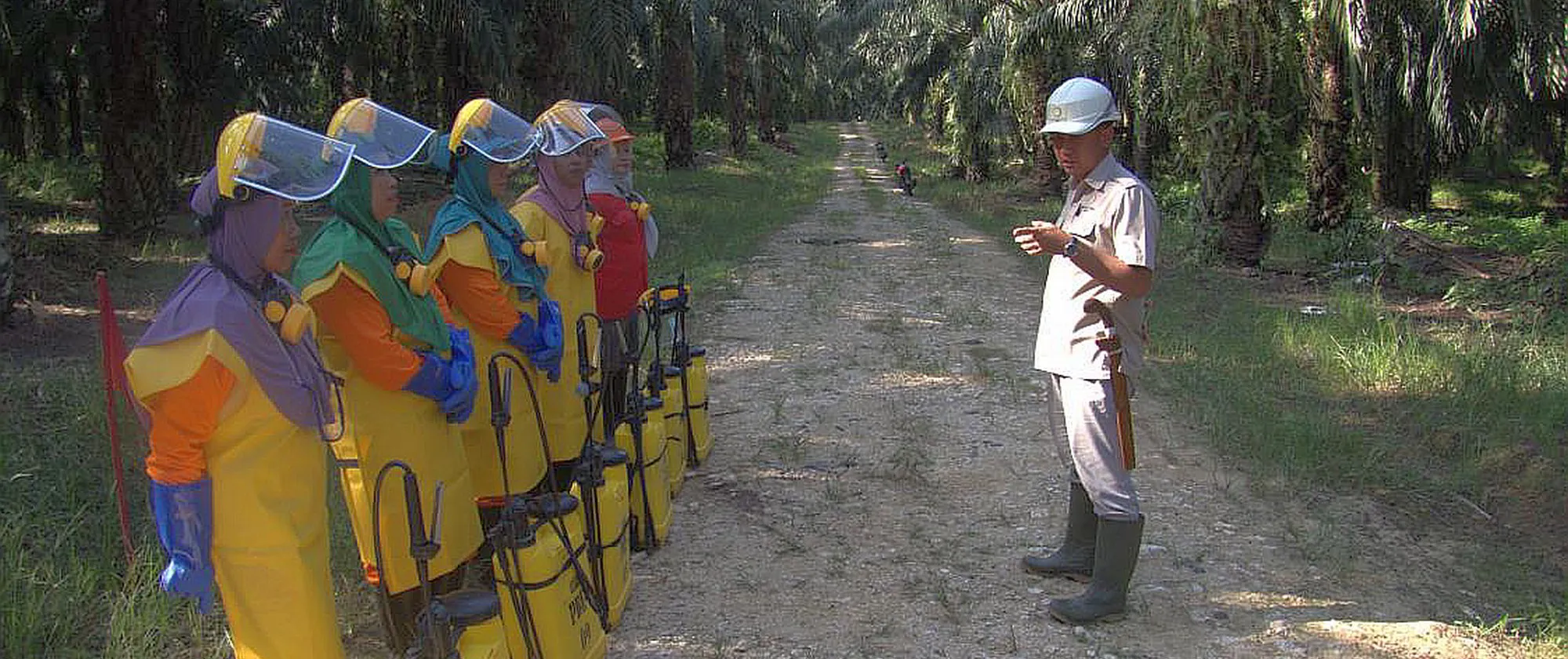
Since the early 2000s, various palm oil companies have pioneered the largest economic developments in East Kalimantan. Now, the focus is on the ongoing improvement of occupational safety and health (OSH) in the palm oil sector for all workers and surrounding communities.
11 April 2025
SAMARINDA, East Kalimantan, Indonesia (ILO Story) - In the heart of East Kalimantan, over sixteen thousand hectares of palm oil plantations contribute significantly to the province's economic growth. By managing its abundant natural resources, these plantations export fresh fruit bunches and produce crude palm oil (CPO).
One notable company is PT Telen, a subsidiary of PT Teladan Prima Agro, which has been operating in East Kutai Regency since 2005. PT Telen is one of two palm oil plantation companies participating in a pilot programme by the Indonesian Palm Oil Association (GAPKI), supported by the ILO.
The GAPKI-ILO programme aims to strengthen the palm oil industry's role in meeting social, labour and gender mainstreaming standards. Since mid-2023, participating companies have engaged in workshops and socialization activities to expedite the fulfilment of these standards in the palm oil supply chain.
Abdul Fatah, Head of the Human Resources Business Partner Section at PT Telen, welcomed this opportunity, as he has long sought ways to implement labour, OSH policies, and gender mainstreaming for the company's 3,006 employees.
We also have installed information boards about anti-sexual harassment and child labour policies and provided employee suggestion boxes.
Abdul Fatah, Head of the Human Resources Business Partner Section at PT Telen
In August 2023, PT Telen took a proactive role in empowering the palm oil sector community by leading training programmes focused on labour standards and gender mainstreaming. The company partnered with GAPKI and the ILO to participate in a series of workshops held in Samarinda city. The training was rolled out in two key phases: the first aimed at boosting productivity and competitiveness by ensuring compliance with labour and gender standards, and the second provided hands-on technical training in OSH and guided participants in developing improvement plans at the company level.
After these training sessions, PT Telen reassessed its internal resources and processes. Management considered establishing an OSH Advisory Committee (P2K3), which requires authorization from the Provincial Manpower Office. The P2K3 is responsible for gathering and analyzing OSH data to improve preventive measures while promoting effective communication, coordination, and collaboration between workers, their representatives, and employers to ensure safe working conditions and support employees' physical and mental well-being. The P2K3 was officially established in April 2024.
Conversely, PT Telen acknowledged the necessity of revitalizing the largely dormant Bipartite Cooperation Institution (LKS Bipartit). As part of this revitalization programme, management and workers now meet regularly to discuss various issues and improvements aimed at fostering workplace harmony. These discussions occur during monthly LKS Bipartit meetings, which have been ongoing since November 2023. The discussions have led to an agreement that each plantation will establish its own LKS Bipartit and appoint a dedicated OSH expert.
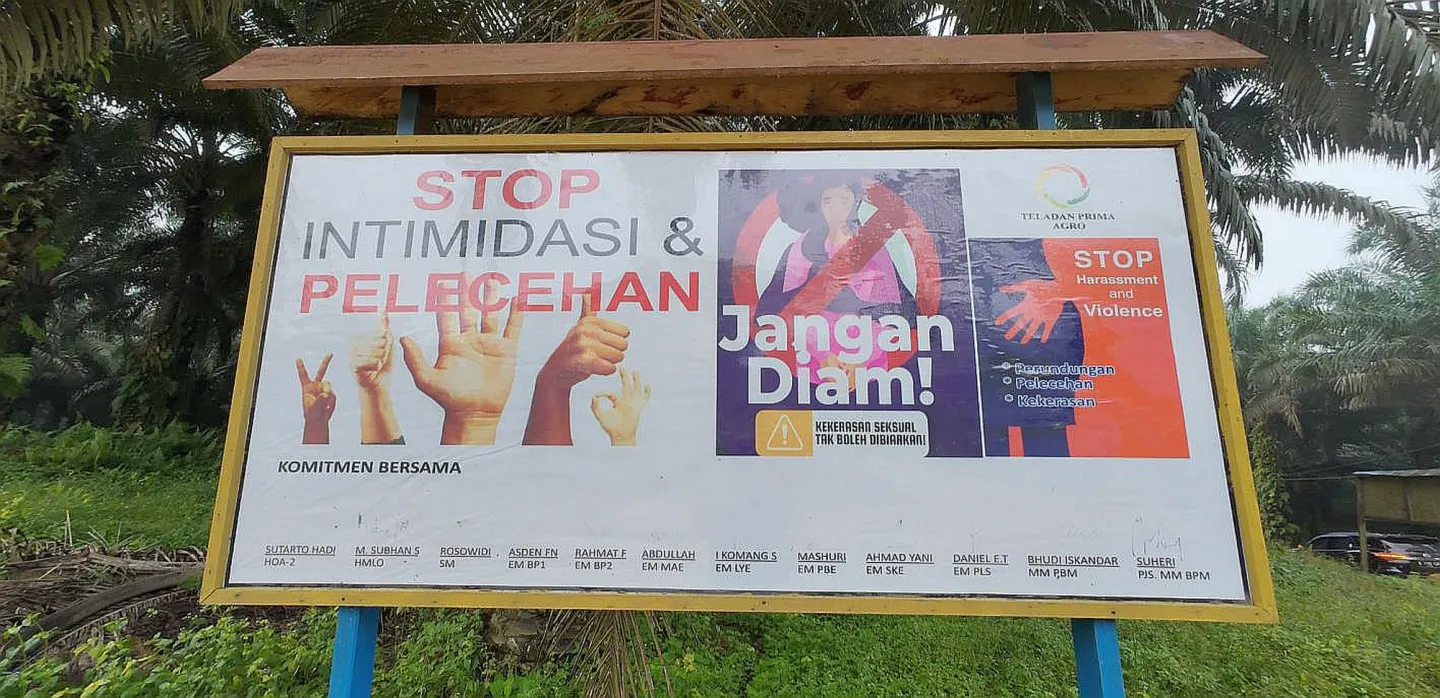
Following training, the company has also formed a gender sub-committee to promote equality in the workplace. It was also agreed that each plantation will have personnel responsible for handling gender issues, with clear procedures and mechanisms.
“We also have installed information boards about anti-sexual harassment and child labour policies and provided employee suggestion boxes,” added Fatah.
Efforts to improve the work environment are also being made in the warehouse area by implementing the 5S methodology, a work culture that originated in Japan, aimed at creating a safe work environment. The warehouse space, as a result, has been expanded, reorganized, and is now cleaned regularly. As a result, the warehouse operates with optimal efficiency, ensuring the safety of over 3,000 workers.
The 5S improvement cycle—Sort, Set in Order, Shine, Standardize, and Sustain—has helped foster a work culture cantered on employee participation, improved visual management, continuous improvement and a strong focus on OSH.
Internal evaluations at PT Telen over the 10 months of assistance have been positive, with the initiatives recommended for continuation. Abdul Fatah is confident that these good practices will be implemented across all company plantations and mills. He hopes the programme’s outcomes will be shared with other companies in East Kalimantan and neighbouring provinces through GAPKI’s platform and network.
This project is a valuable initiative for PT Telen and other participating companies. By taking part in the GAPKI-ILO programme, they can adapt best practices to their specific contexts, creating a wider positive impact across the palm oil industry.
Funding is provided by the United States Department of Labor under cooperative agreement number IL‐35632-75-K. 100 per cent of the total costs of the project are financed with federal funds, for a total of 11 million dollars. This material does not necessarily reflect the views or policies of the United States Department of Labor, nor does mention of trade names, commercial products, or organizations imply endorsement by the United States Government.
Related content
Our impact, their voices
Championing a culture of respect and OSH at workplace in Maluku
Our impact, their voices
From isolation to empowerment: Mama Abu and the rise of the Tuna Besty Group

Our impact, their voices
A palm oil company partners with its trade union to improve the local community