

Our impact, their story
Reclaiming our future: A village fight against child labour
Discover the inspiring journey of Kuchiko-Camp, a Nigerian village once an agricultural community, today is transformed by artisanal gold mining and child labour. With the support of ACCEL Africa, the community is making a change—moving children from hazardous mining sites back into classrooms and embracing education as the key to a better future.
28 February 2025

Joseph Hassan, Mai Angwa (Village Head) of Kuchiko-Camp, Nigeria: Kuchiko-Camp is a quiet farming village about 100 km from Minna, the Niger State capital. For years, life in the community was simple. Our people grew yam and maize, and in 1996, we welcomed a new government school. It started with three classrooms and later expanded. We believed education would secure a better future for our children.
But things changed, one day miners from Zamfara State began arriving in our community. They had experience in gold mining and started operations here, paying royalties to landowners. Suddenly, they could afford things we only dreamed of—motorbikes, new clothes, expensive goods.
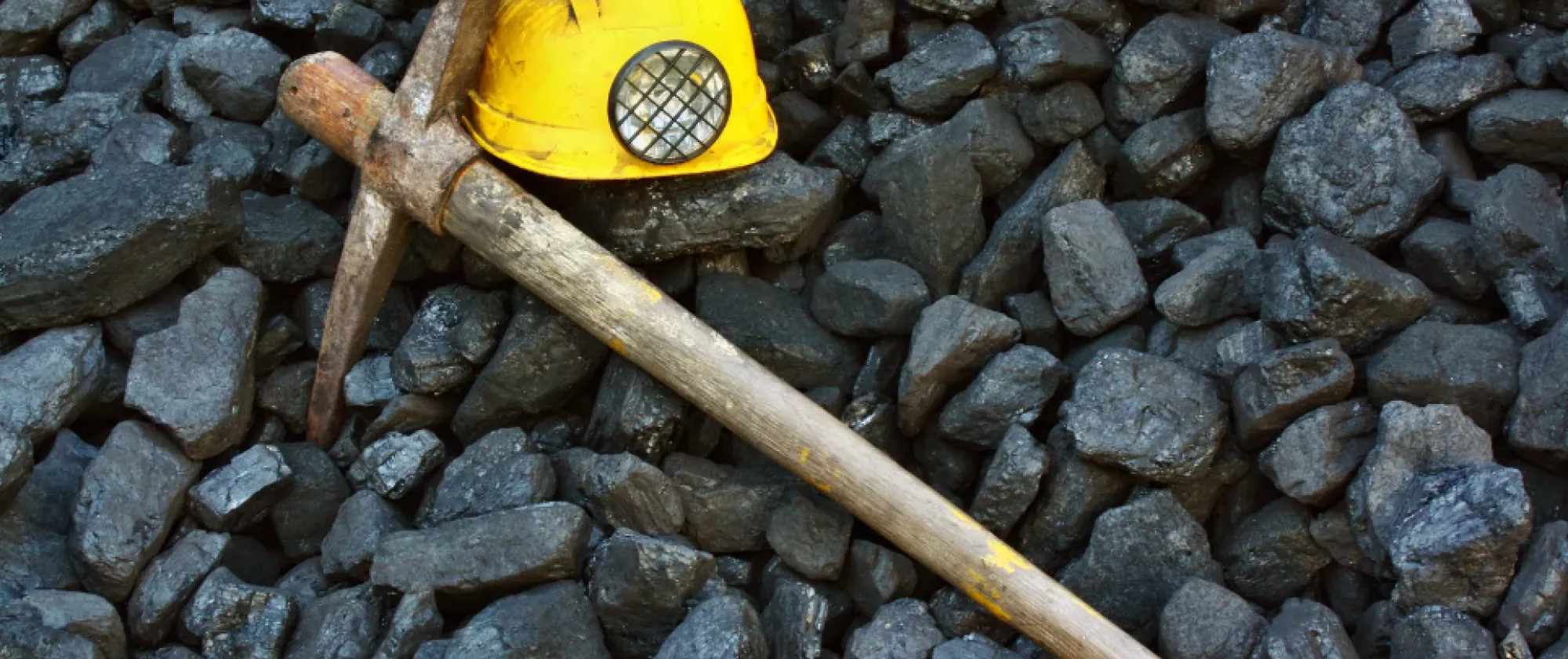
Looking at the lives of these miners, our people slowly decided to abandon their farms and took up mining. Children left school to join their parents at the mining sites. It seemed like a shortcut to a better life. But mining was informal and dangerous. Children worked without protection. They earned money and became independent too soon, with some of them rushing into early marriages, as work made them feel like adults.
After almost 30 years of us having a school, our village has not seen a university graduate, only eight residents have completed college and unfortunately our village remains poor. Our gold has not built roads or brought electricity! We can even see that communities without gold mines are doing better than us.
To add to our issues, larger mining companies took interest in our land. As I am the Mai Angwa, it is the custom, that I sign documents as a witness when land is sold in our village. One day, a mining company brought papers for me to sign, weeks later, loud explosions shook our village -houses cracked, including mine. We were shocked to find the blasts came from the company I had signed for.
I demanded answers and they showed me the documents I had signed. I did not understand the terms, I had given them permission without realising! When I complained to the Emir - head of all the village, heads of suleja local government-, it was too late. They continued blasting our village.
At that moment, ACCEL Africa, a project by the International Labour Organisation (ILO), funded by the Government of the Netherlands, came to our community. They brought a message: education and decent work for a better future!
When the ILO started working we did not fully understand the concept of child labour, in our way of life, children always helped their parents and earned money. But the project helped us see the cycle of poverty we were trapped in. We learned why our children looked older than their age, why our community lacked representation, and why things had not improved.
With ACCEL Africa’s support, we established a Community Child Labour Monitoring Committees (CCLMC). Most members had little formal education but understood what was at stake, together, we raised awareness about the dangers of child labour within our community and we now encourage all parents to send their children back to school.
It wasn’t easy, but we succeeded! Now, parents are enrolling their children back in school, like never happened before. Some are even choosing private schools for a better education.
Besides, parents are also adopting safer mining practices and keeping their children away from dangerous sites.
Government ministries and agencies have also taken interest in us. We feel safer, we understand our rights. Although mining companies are still endangering our community, we can no longer be misled by unclear documents taking advantage of us!
There is still much to do, but we are hopeful. We are working to build a future that the next generation will be proud of.
We hope our story inspires others to work for a better future through education!
Find out more:
- The Kuchiko Community is one of 16 project communities in Niger, Ondo, and Osun States benefiting from ACCEL Africa’s efforts to eliminate child labour in the cocoa and artisanal small-scale gold mining (ASGM) supply chains.
- Through two targeted capacity-building programmes, the project established and strengthened Community Child Labour Monitoring Committees (CCLMCs) to lead local action.
- Each CCLMC is composed of seven key community representatives—including traditional leaders, women, youth, farmers, and educators—empowered to identify, monitor, and prevent child labour.
- Members received comprehensive training on child protection, occupational safety and health (OSH), social protection, and the risks of child labour. They were also equipped to engage in advocacy, report cases, and create linkages with the Federal Ministry of Labour and Employment and other child protection actors.
- The committees developed and validated Community Action Plans (CAPs) to guide their efforts. These CAPs are now recognized at local, state, and national levels, ensuring government support and stakeholder buy-in.
- By strengthening community-led monitoring and response systems, ACCEL Africa is increasing local capacity to eliminate child labour and its worst forms across agricultural and mining sectors.
- ACCEL Africa is funded by the Ministry of Foreign Affairs of the Netherlands.
Relevant projects
Accelerating action for the elimination of child labour in supply chains in Africa (ACCEL Africa)