

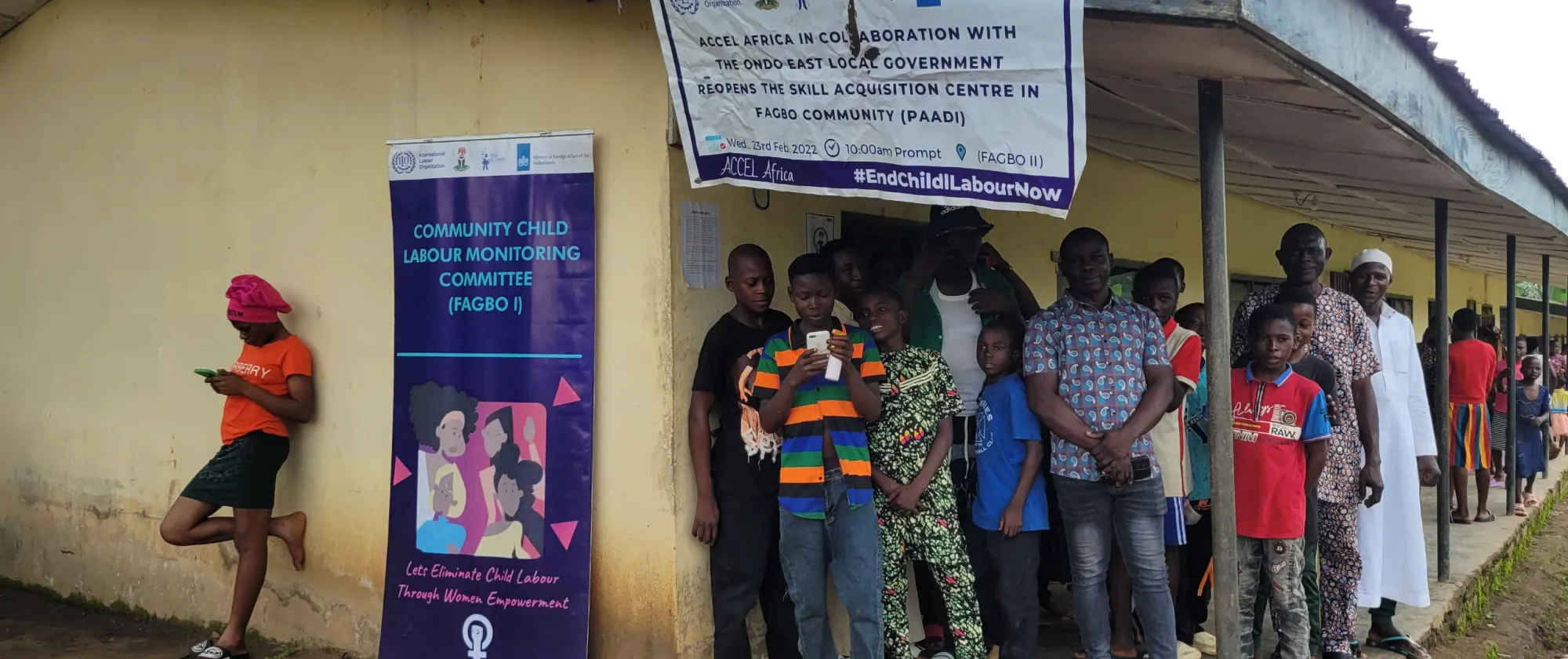
Rebuilding futures: The collaborative effort behind the reopening of Fagbo skills acquisition centre
20 September 2024
FAGBO, Ondo State, Nigeria (ILO News) - After lying dormant for more than 15 years, the Fagbo skills acquisition centre has been revitalized, marking a new chapter of hope and development for the local youth. thanks to the collaborative efforts of the ACCEL Africa project, Kids & Teens Resource Centre, local government and key community stakeholders, the centre is once again equipping youth with essential skills to foster self-reliance, combat child labour, and boost local economies.

The ACCEL Africa project, initiated to empower youth and address the root causes of child labour, identified the lack of accessible training centres as a significant barrier to success. Many communities simply did not have the facilities to support skill development. During the exploratory phase, the Fagbo Skills Acquisition Centre was pinpointed as an ideal location. However, the center had been closed for over a decade and required extensive repairs and re-engagement with local stakeholders to bring it back to life.

Re-opening the center: A collaborative effort
Recognizing the potential of the Fagbo centre, community leaders, including the local government chairman, were approached by ACCEL Africa and its partner the Kids & Teens Resource Centre on behalf of the Community Child Labour Monitoring Committees (CCLMC), who saw the value in reopening the center. With their support, the necessary repairs were completed, and long-unused equipment was restored, allowing the facility to once again serve its community.
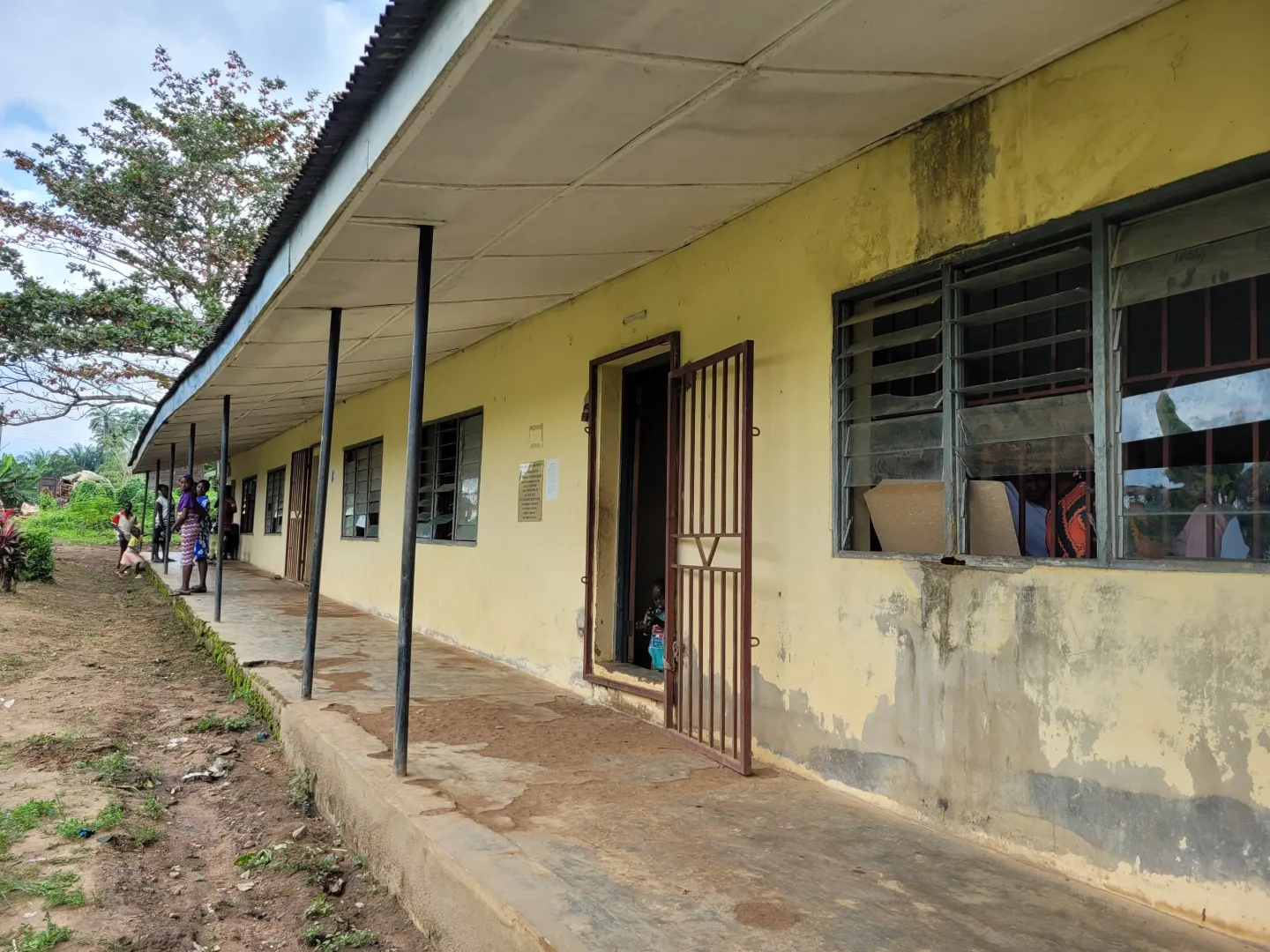
On the day of its reopening, the local authorities emphasized the local government’s commitment to the project, ensuring that the centre would have all the necessary support, including adequate security and infrastructure. Local authorities highlighted the importance of providing the community with continued access to skill development resources in order to create a sustainable future for the community.
Training and empowerment
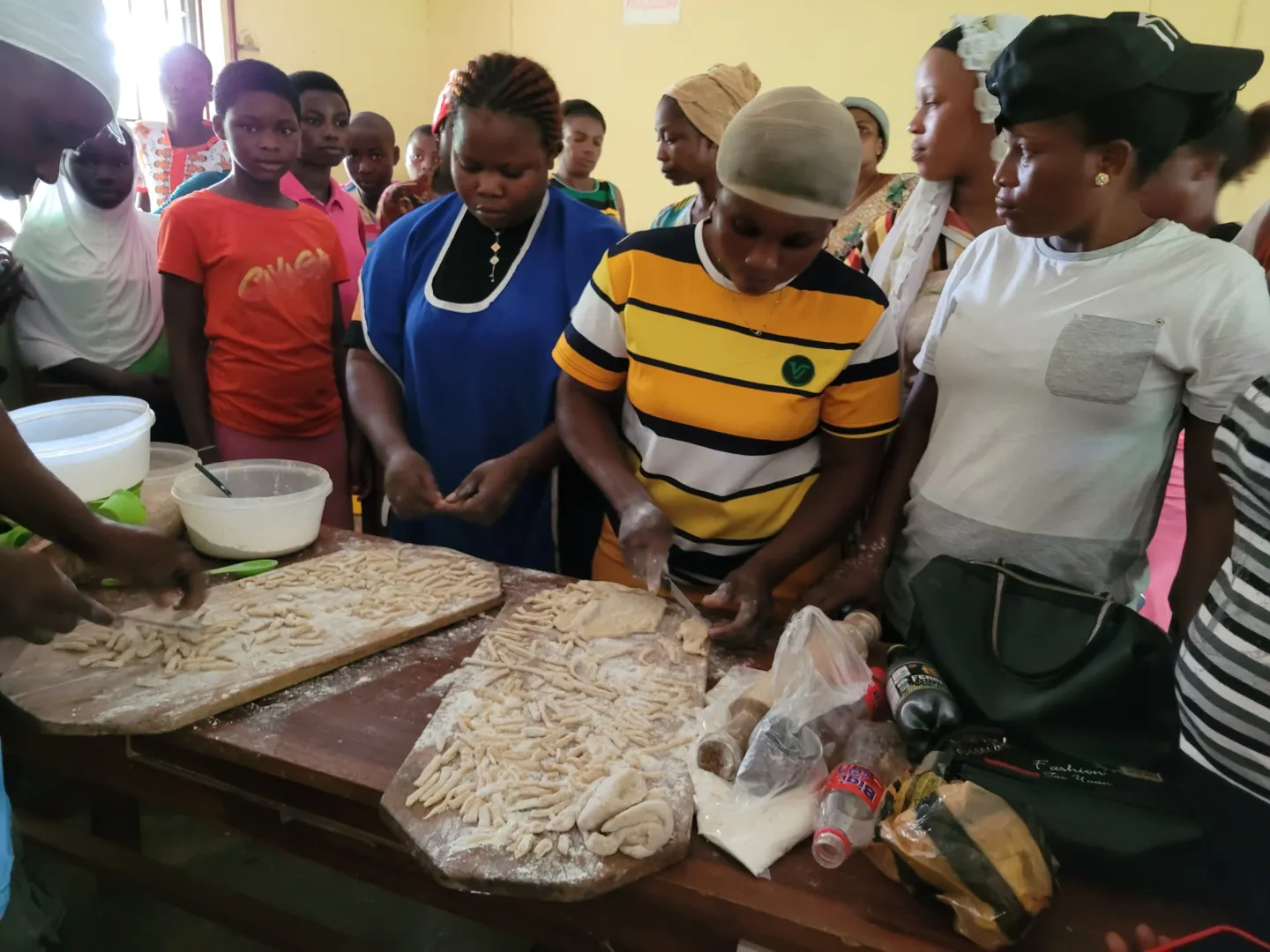
The revitalized Fagbo centre became a beacon of opportunity for young people between the ages of 15 and 17, especially those at risk of or engaged in child labour. These youth were enrolled in the center and trained in trades such as tailoring, catering, hairdressing, and mechanized farming. The centre operated on a job-training model, where participants learned through observation and hands-on practice rather than formal curricula, ensuring they developed real-world skills.
Alongside the skill training provided at the centre, the project has also worked with families to remove barriers to education. Parents received farming tools and start-up kits, which enabled them to improve their economic situation and send their children to school. The CCLMC played a vital role in monitoring attendance, ensuring that children who had previously dropped out of school were now regularly attending classes.
The leadership of the Skills Acquisition Center shared successful stories “some trained tailors started making uniforms for local schools, while catering trainees were paid to prepare food at community events”. These skills not only provided the youth with income but also contributed to the local economy and community development.
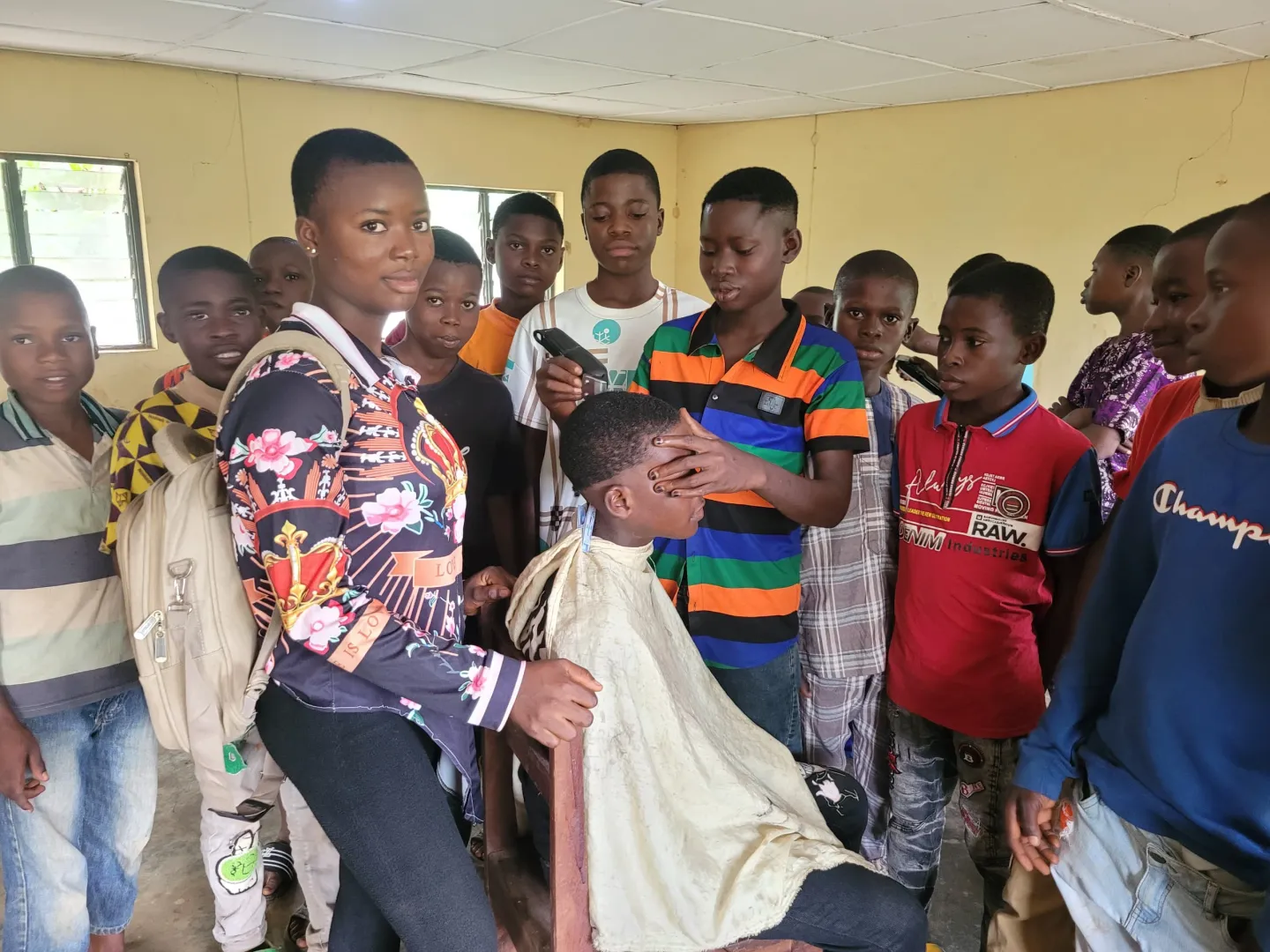
The trained youth appreciate the practical, hands-on nature of the training, which allowed them to learn skills quickly and effectively. However, several expressed a desire for official certification, which would further enhance their job prospects: "We learned so much, but getting a certificate would make it easier to find decent work, especially outside our community," one student remarked. The call for certification has been noted by the project’s leaders as a key area for improvement in future phases.
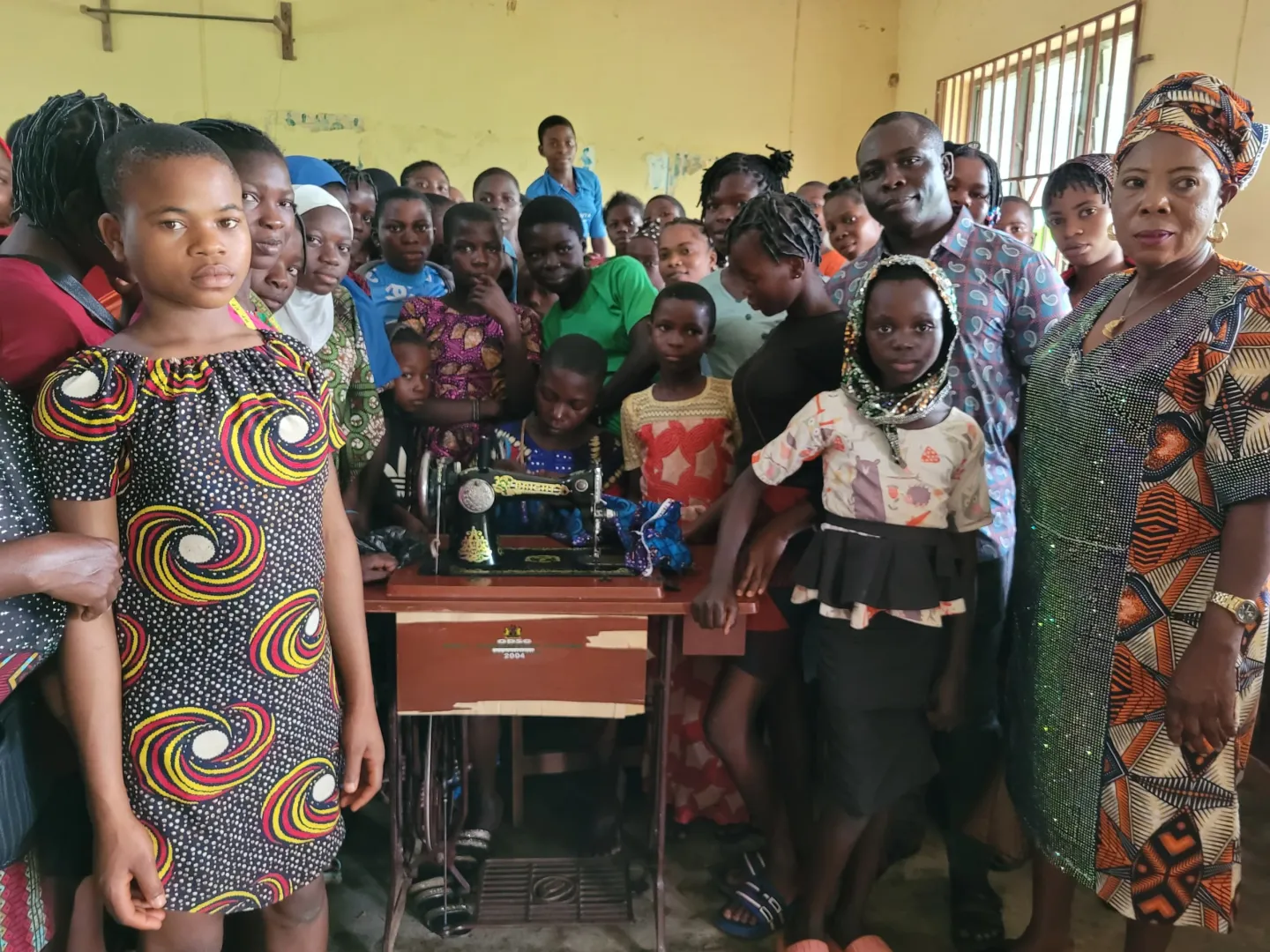
Adults in the community have also noticed the significant improvements brought about by the Skills Acquisition Centre. One parent, whose child received training in tailoring, expressed relief: "This project has been a blessing for our family. My child now has a skill, and I can focus on my farm knowing that they have a future. It has also helped me because the project gave us farm tools, which have made our work easier." The community-wide impact has been profound, with many parents feeling a sense of pride in watching their children contribute to the family and the local economy.
Sustainability and ownership
The local government continues to be dedicated to ensuring the long-term sustainability of the skills acquisition centre. A year after the project component has closed, community members have stepped up to offer their expertise as trainers, and even trainees of the first cohort have now become trainers.

The reopening of the Fagbo Skills Acquisition Centre stands as a result from collaboration and strategic use of existing resources.
Looking forward, the ACCEL Africa project aims to continue growing, offering even more opportunities for youth and families to break free from poverty and child labour, while fostering a stronger, more resilient community.
Relevant projects

Feasibility study and design of an impact bond to reduce child labour in Côte d’Ivoire