

Social Protection
Nakuru advances inclusive social protection
Nakuru County is enhancing social protection for workers in the informal and rural economy through a collaborative process supported by the ILO and national partners. A Social Protection Extension Action Plan with priority interventions, coordination, and financing needs was developed.
17 June 2026
NAKURU (ILO News) - Most workers in Kenya earn their livelihoods in informal or rural settings and remain without access to essential social protection coverage. As this gap continues to widen, counties are stepping up to design practical solutions that meet people where they are. With more than 80 per cent of the workforce operating within the informal sector, and therefore lacking consistent access to health insurance, pension systems, and other social security benefits, the urgency for inclusive, people‑focused social protection has never been greater. Nakuru County has taken an important step toward strengthening social protection for workers in its informal and rural economy, marking the latest in a series of county-level initiatives following similar efforts undertaken in Kisumu, Busia, and Mombasa.
This progress is being supported through the ILO People’s Republic of China-funded project on Extending Social Protection Coverage to Workers in the Informal Economy in Lao PDR and Kenya and Leveraging Digital Transformation through South–South Cooperation and the UN Joint Programme on Child Protection and Social Protection. Through these efforts, the ILO is supporting the Government of Kenya through the National Social Protection Secretariat (NSPS) to ensure that vulnerable groups, particularly those in the informal economy, are included in national social protection systems. The development of this localized action plan forms part of a wider national commitment to implement the Strategy for the Extension of Social Protection to Workers in the Informal and Rural Economy, launched in 2023.
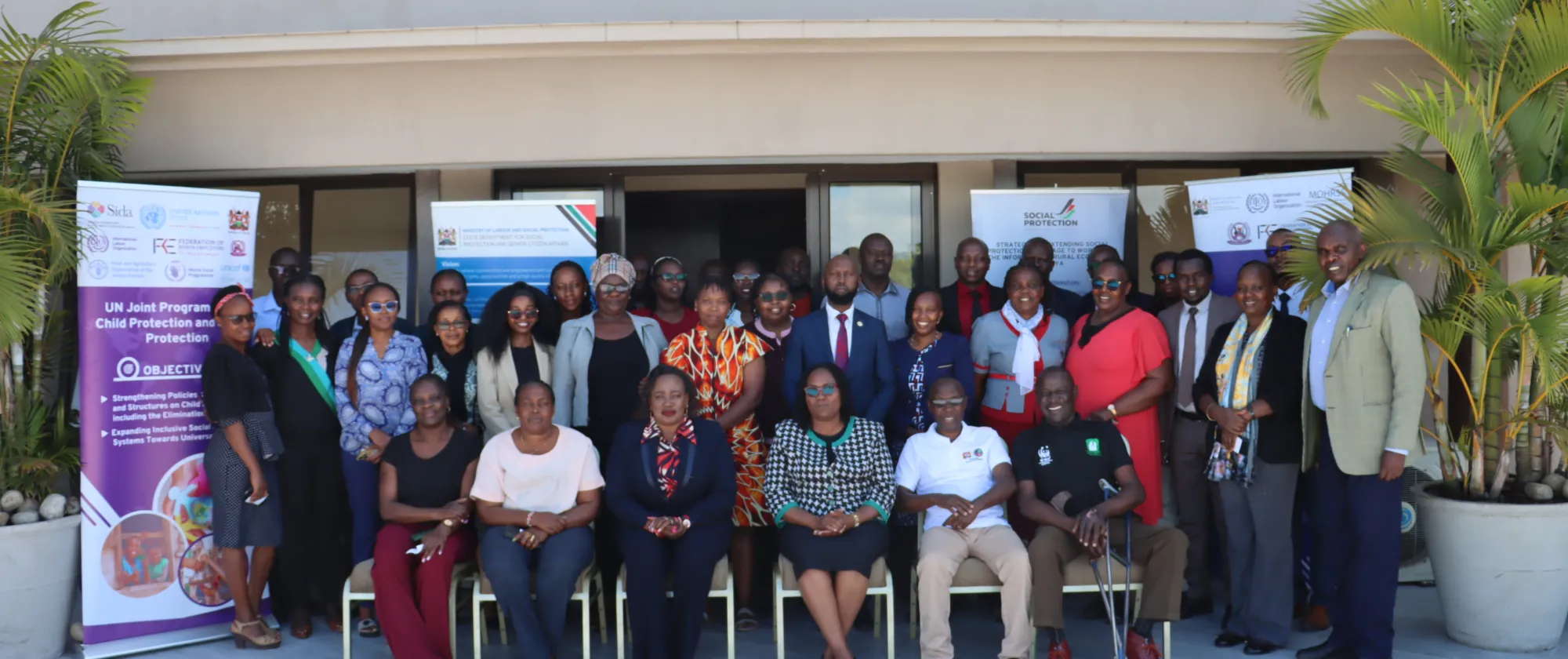
In Nakuru, the process began with collaborative consultations between county leadership and national stakeholders, guided by the NSPS. These engagements involved courtesy visits to the Deputy Governor, the County Commissioner, Federation of Kenya Employers, Kenya Plantation and Agricultural Workers Union, the National Social Security Fund (NSSF), the Social Health Authority (SHA), the Directorate of Occupational Safety and Health Services (DOSHs), the Micro and Small Enterprise Authority (MSEA), and other civil society actors. The aim was to foster alignment and shared ownership of the national vision while identifying real challenges faced by workers within the informal sector.
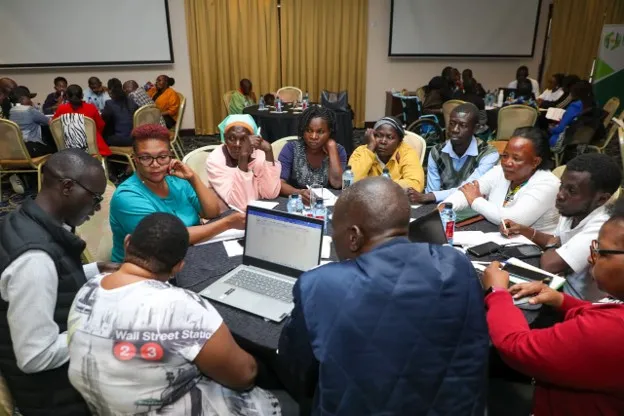
Speaking during a courtesy meeting with the technical team, Nakuru County Deputy Governor David Kones underscored the centrality of the informal workforce in the county’s economic landscape.
The informal sector is the primary driver of Nakuru’s economy. Securing the future of this workforce through health and pension coverage is not just a social duty, but an economic priority,” he said, emphasizing the county’s commitment to building social protection systems that strengthen coverage, livelihoods and foster dignity for all workers.
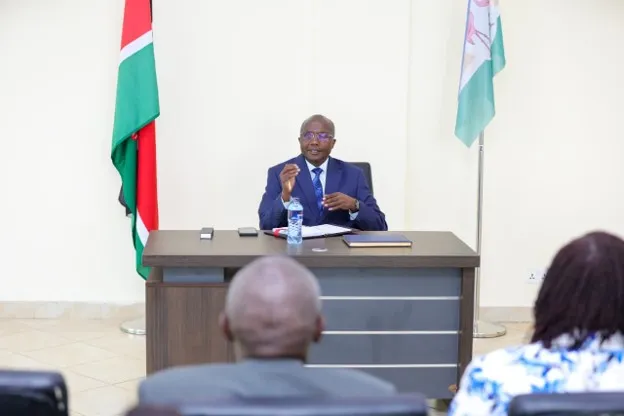
Following the high-level consultations, a multi-stakeholder workshop was convened at the Sarova Hotel, Nakuru, bringing together groups of workers from the informal sector, national agencies, county officials, employers, and workers’ representatives. Participants engaged in open dialogue on the lived realities of market vendors, domestic workers, small-scale producers, gig workers, farmers, and persons with disabilities. The discussions revealed not only the vulnerabilities these groups face but also opportunities for Nakuru County to design tailored solutions that enhance equity, inclusion, and resilience.
A significant share of Kenya’s workforce, especially small-scale farmers and workers in the informal economy, still lacks access to social protection. Through this collaborative effort with national and county governments, we are building systems that ensure every worker, regardless of where they live or what job they do, has access to social protection.” ILO Senior Programme Officer, Hellen Magutu Amakobe.
A key outcome of the workshop was the establishment of a dedicated Technical Working Group (TWG) comprising representatives from county and national governments, informal and rural economy associations, employers’ and workers’ organizations, organization of persons with disabilities and key social protection agencies. Building on this collaborative platform, the TWG has already developed a comprehensive Social Protection Extension Action Plan for Nakuru County to guide the practical and phased rollout of the national strategy at the local level.
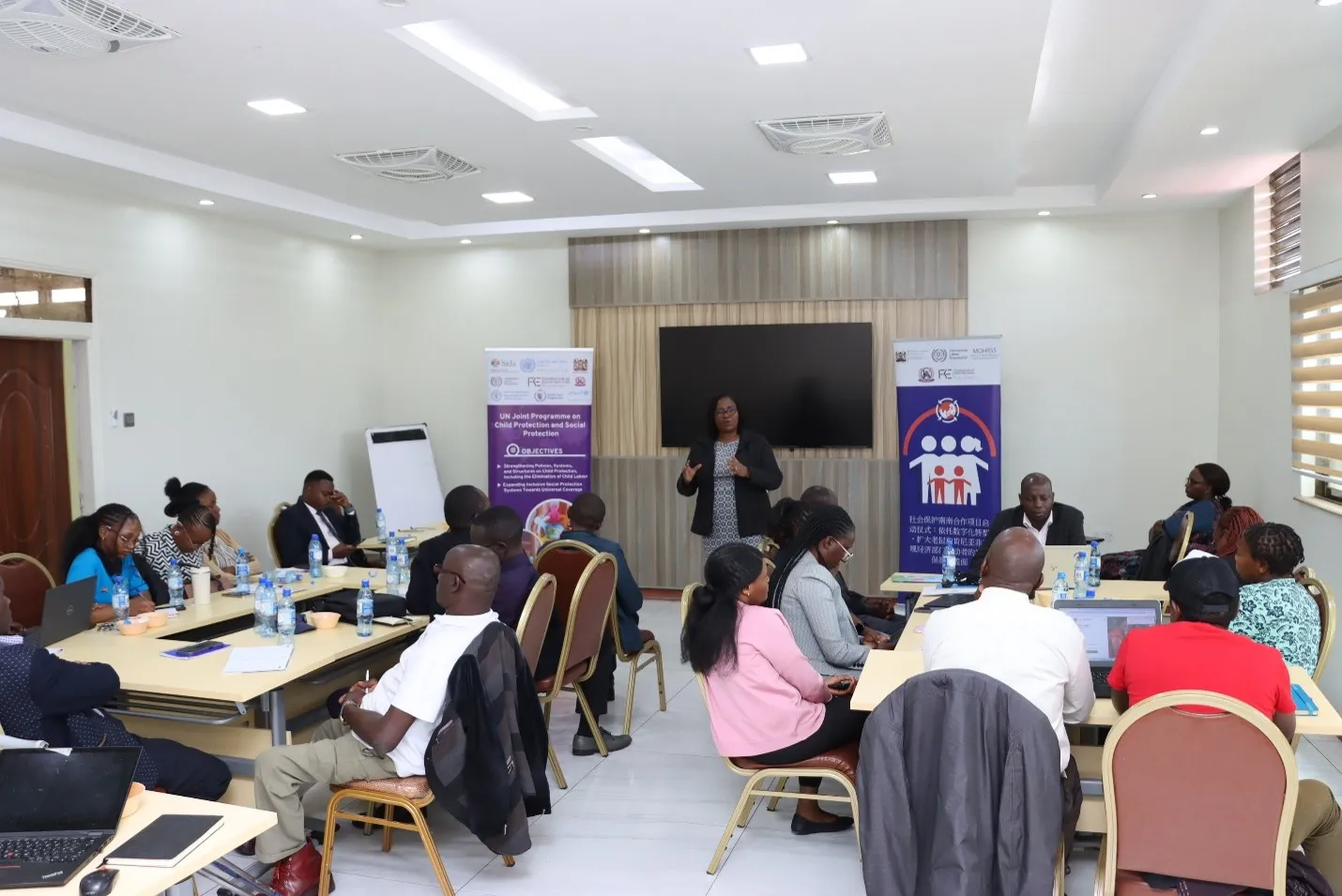
The Action Plan defines priority interventions, outlines roles and coordination structures, and identifies timelines and financial requirements. By grounding these solutions in local realities, the county is positioning itself as a strong example for others seeking to extend social protection to workers in the informal and rural economy.
As Peter Ombasa from the National Social Protection Secretariat noted, “The development of this Action Plan marks a significant milestone in translating national commitments into practical, county-level solutions. Nakuru has demonstrated how inclusive collaboration can deliver a clear roadmap for extending social protection to those who need it most.”
As similar initiatives take shape across Kenya, Nakuru’s leadership and collaborative approach signal an important step toward universal social protection and reinforce the country’s commitment to economic inclusion, social justice, and dignity for all workers.