

Local manufacturing brings affordable greenhouse upgrades to farmers in Lebanon
Local workshops and installers are receiving practical training to produce affordable, upgraded greenhouses, helping farmers improve productivity and working conditions.
26 February 2026
BEIRUT (ILO News)- The ILO’s BOUZOUR project, funded by the Swedish International Development Cooperation Agency (Sida), is expanding smallholder farmers’ access to affordable, upgraded greenhouse structures across Lebanon to improve productivity and working conditions. To achieve this, the project is building the technical and business capacities of local metal workshops and installers to design and construct larger, better-ventilated greenhouses. The project is strengthening local manufacturing and linking it directly to farmers’ needs, thereby reducing costs while supporting more resilient rural livelihoods.
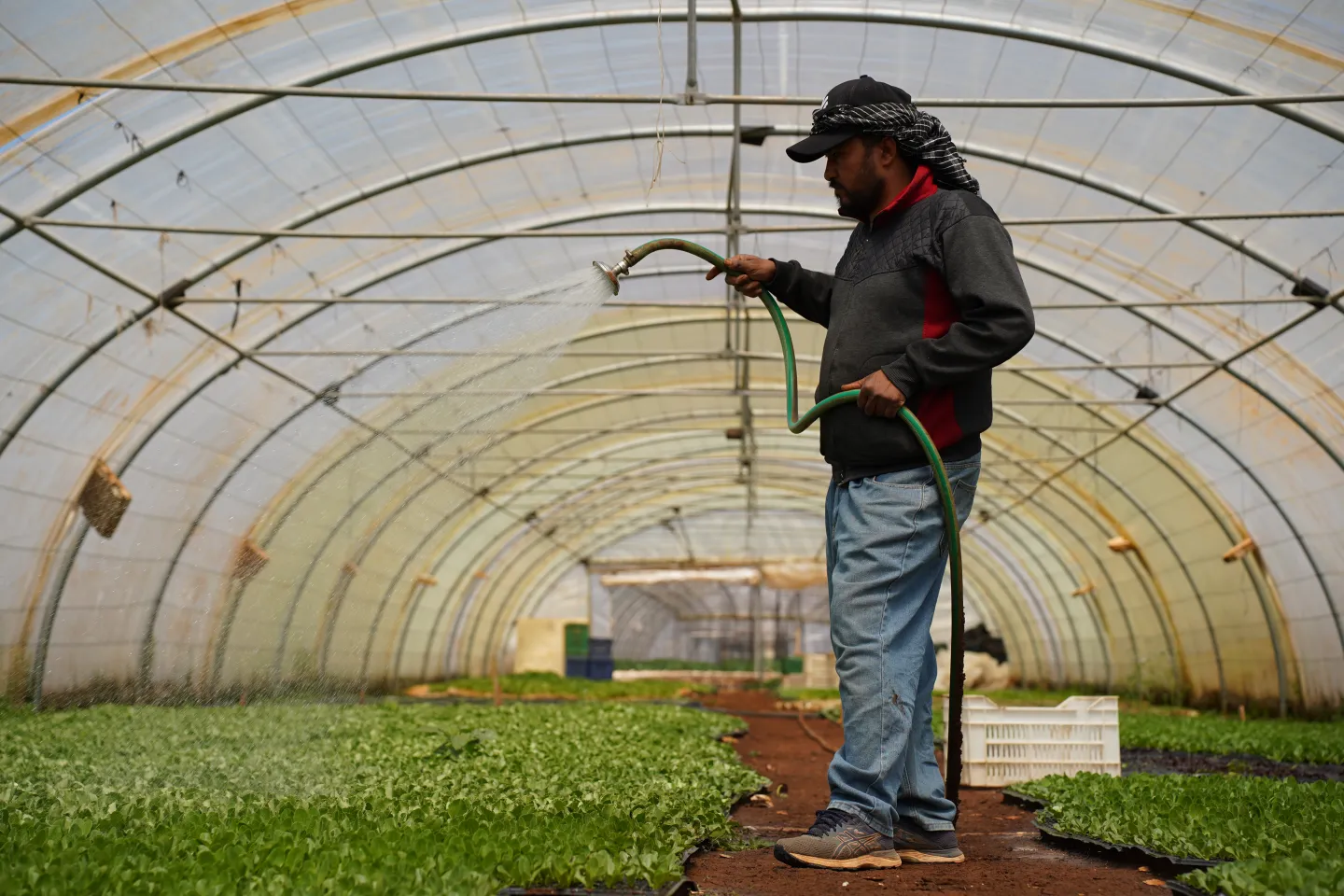
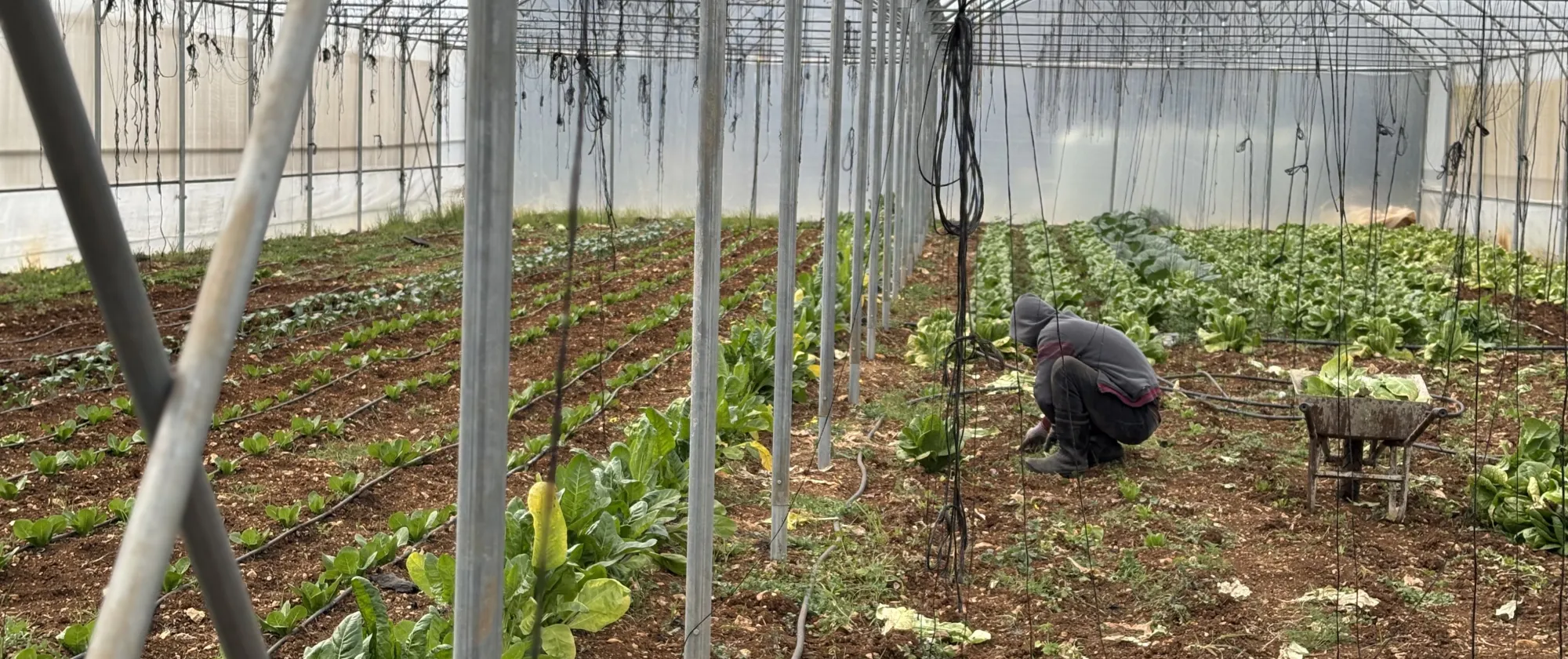
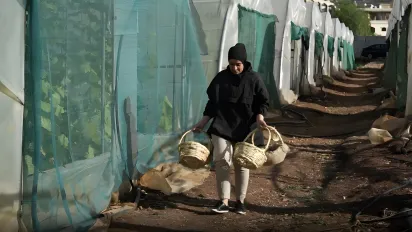
For many smallholder farmers, traditional low-tunnel structures have long limited productivity, restricted planting space, and exposed workers to high heat and poor ventilation. Although upgrading to larger double-span greenhouses can enhance yields and improve working conditions, the high cost has put these structures beyond the reach of most farmers.
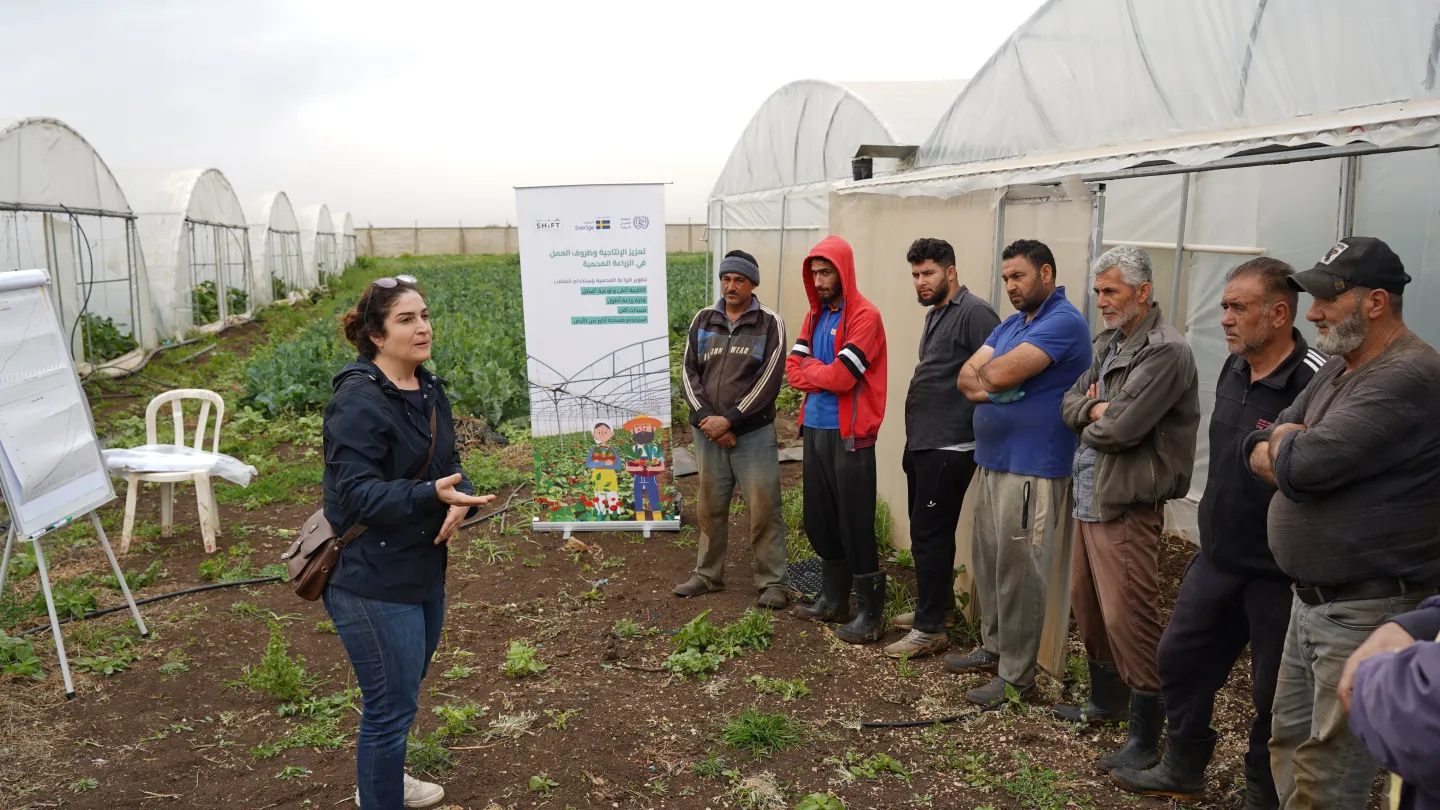
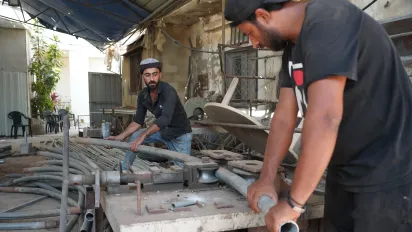
To help close this gap, the project partnered with SHIFT Social Innovation Hub, a Lebanese NGO to deliver a comprehensive support package for local metal workshops. Through hands-on training, ironworkers and installers received practical guidance on greenhouse design, ventilation systems, structural reinforcement, and the selection of appropriate plastic films and shade meshes. The programme also included coaching on pricing, marketing, and farmer engagement. For many workshops, this was their first exposure to detailed greenhouse specifications and their first opportunity to engage systematically with farmers to understand their production needs. The support has helped establish greenhouse installation as a reliable and scalable service within rural manufacturing.
Awareness-raising sessions for farmers held across multiple regions enabled farmers to examine upgraded structures first-hand. Demonstration units allowed them to compare models, assess costs, and request quotations directly from trained manufacturers. More than 460 farmers and workers participated in these sessions. Within weeks, several workshops reported a surge in quotation requests as they launched their greenhouse upgrade services, signalling strong and growing demand for improved structures.
The intervention has also created new income opportunities for installers and workshop teams.
“As an ironworker, I can now offer farmers solutions such as improving ventilation in greenhouses, because these larger structures provide real benefits,” said Mohamad, a manufacturer from Akkar in northern Lebanon, describing how the project helped him better promote his services and build stronger links with local farmers.
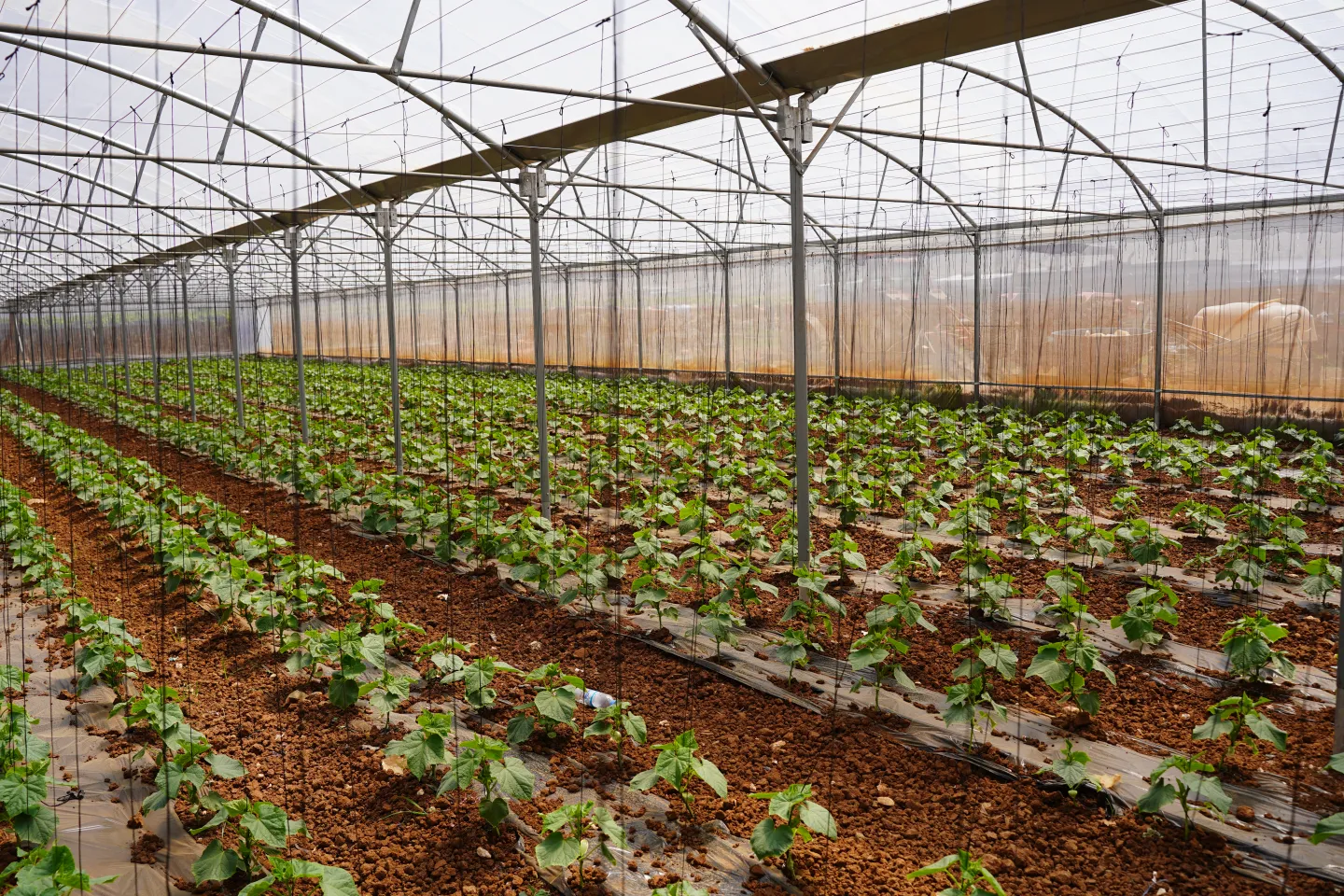
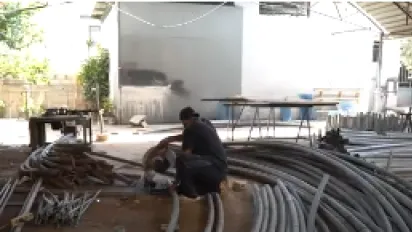
Early results are visible across field sites. Seven upgraded double-span greenhouses have been completed to date, with each structure requiring between one and three weeks of work by welders and installation teams. Farmers reported improved airflow, reduced heat stress, and easier movement for workers, alongside expectations of a 20–30 per cent increase in seasonal income due to better microclimate management and increased planting space.
The pilot is contributing to stronger local economies by linking rural manufacturing with agriculture and creating work opportunities for both Lebanese and Syrian refugee workers. As interest continues to grow, manufacturer’s workshops are preparing to scale production and retain skilled installers for year-round employment.
A decentralised network of trained, affordable greenhouse manufacturers is now emerging in Lebanon, bringing modern greenhouse technology within reach of smallholder farmers, improving conditions for agricultural workers, and strengthening the resilience of the horticulture sector.
Related content
Project
Building Inclusive Markets and Decent Work for Syrian Refugees and Lebanese Host Communities (BOUZOUR)
ILO Brief
Boosting productivity and decent work through affordable greenhouse upgrades
Video
Local manufacturing, better farming: upgrading greenhouses in Lebanon
Relevant projects
Project
Building Inclusive Markets and Decent Work for Syrian Refugees and Lebanese Host Communities (BOUZOUR)