

Article
Lebanese start-ups set to accelerate energy and water innovations in Lebanon’s agriculture sector
A cohort of eight start-ups received tailored support to develop water- and energy-smart solutions for Lebanese agriculture, improving technology readiness, operational efficiency and market access.
25 February 2026
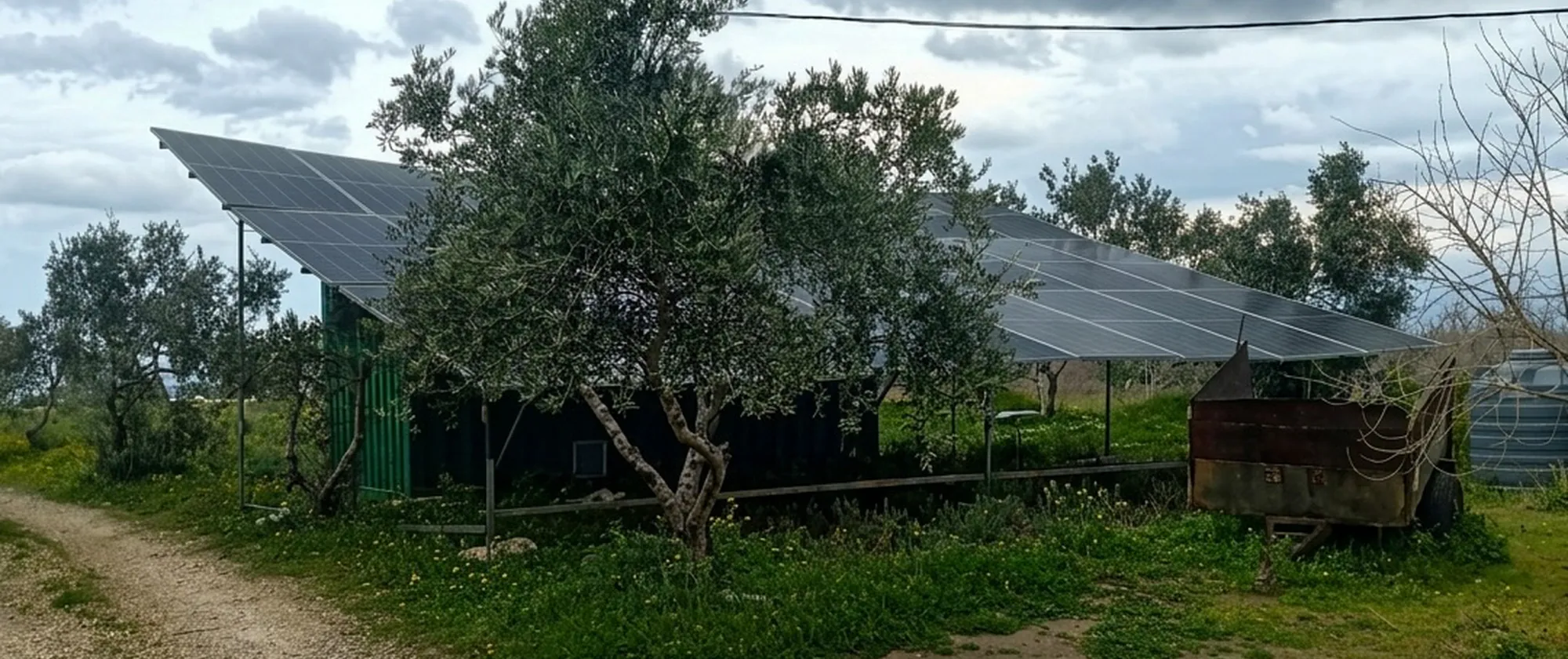
BEIRUT (ILO News) - Lebanon’s agriculture sector faces severe water stress, unreliable energy access, and rising production costs. Locally adapted clean technologies remain limited or financially out of reach for many farmers and agricultural enterprises. To address these systemic gaps, the ILO’s BOUZOUR project, funded by the Swedish International Development Cooperation Agency (Sida), launched the ILO Bouzour Accelerator – Powering a greener Lebanon through clean solutions, implemented in partnership with the Lebanese start-up incubator Berytech, to support Lebanese start-ups developing water and energy solutions for agriculture.
The overarching objective was to translate innovation into tangible outcomes for the agriculture sector, supporting job creation, improving resource efficiency, and generating positive environmental and climate impacts. The programme supported a portfolio of solutions aimed at reducing energy costs, improving reliability, expanding access to clean energy, and strengthening both energy and water-use efficiency across agricultural systems.
Eight start-ups, employing a total of over 100 Lebanese and Syrian workers, received a structured technical and business assessment followed by tailored technical assistance, including business development, go-to-market support, green business transformation, investment readiness coaching and targeted technology guidance and in-kind grant.
Start-ups across various regions and sectors were placed into two tracks based on maturity: early-stage enterprises requiring deeper technical and business support, and more advanced enterprises ready for market entry or scale-up.
The Accelerator generated measurable progress in strengthening the technical maturity and market readiness of the supported solutions through sector-specific support. Resource efficiency and digital- and energy-oriented innovations have helped with increasing the profit margins of small-scale farmers.
Reflecting their growth ambitions, several start-ups highlighted how the Accelerator helped clarify their strategic direction.
“The shift toward sustainable and resource-efficient systems is changing the types of jobs needed, increasing demand for skilled technicians, installers and system operators,” said Ali Zeineddine, Founder and CEO of NUWATT, a start-up providing smart solar monitoring and energy management software that helps farmers reduce energy and water losses. He said the start-up plans to use the skills and tools gained through the Accelerator to scale regionally and diversify its energy solutions.
“The initiative enabled us to adopt more efficient technologies, improving working conditions by reducing manual strain and helping prevent work-related injuries. Separately, the solutions we offer have achieved water savings of around 15 per cent in wheat production in Lebanon,” said Asseel Jaafar, founder of Cultiva soil, a start-up transforming agricultural biowaste into sustainable nano-biofertilizers.
The programme concluded with a round-table event where start-ups presented their solutions through discussion and short videos, creating reusable assets for investor outreach and future partnerships.
During the closing event, two start-ups from the programme launched of a collaboration initiated through the Accelerator. Reflecting on the collaboration, Jocelyne Saade, Co-Founder of Grade A+, noted: “The Accelerator created the space for us to connect and test how our solution can work alongside others. By partnering with Gharset Kheir, we are exploring how combining soil inputs with seed innovation can further improve water efficiency in nursery and field production.”
The Accelerator’s cohort serves as a strong example for aspiring young entrepreneurs seeking to build economically viable and environmentally sustainable businesses that address both employment and climate challenges in Lebanon.
Solutions in action
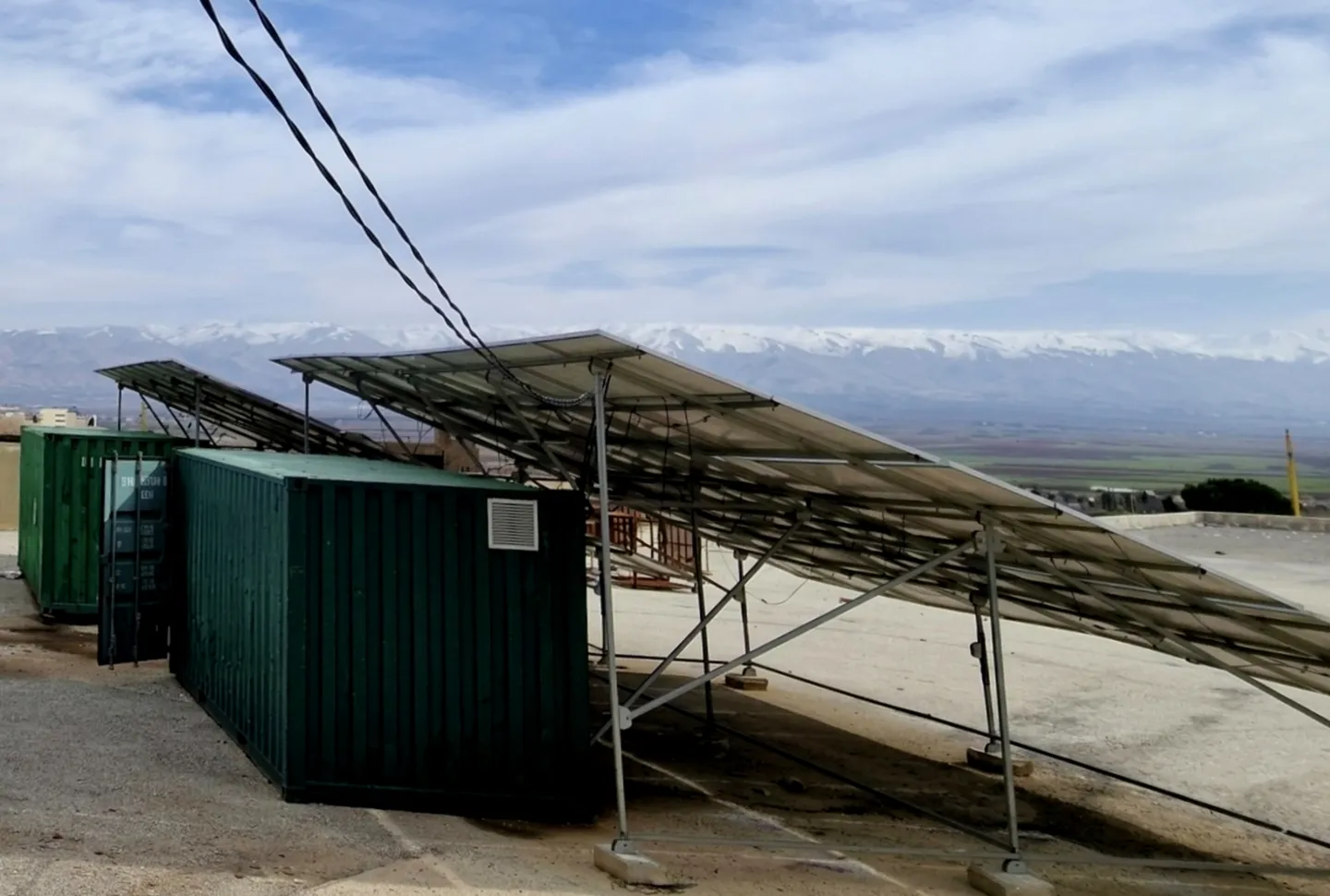
Start-ups supported through the ILO Bouzour Accelerator – powering a greener Lebanon through clean solutions, are turning innovative ideas into practical solutions for employment, energy and water challenges in Lebanese agriculture. Here we share two examples.
GreenGrid trade: sharing solar energy to power agricultural activities
GreenGrid Trade is developing a decentralised model that enables surplus solar electricity to be shared locally between households and businesses. When widely adopted, decentralised solar energy sharing could improve access to affordable and reliable electricity for agricultural activities such as irrigation, cold storage, and processing, reducing dependence on diesel and lowering operating costs for rural enterprises. It could also help address one of Lebanon’s key public health challenges; air pollution which is partially due to the use fossil fuel generators.
Reflecting on the importance of recent regulatory changes, Hala Sharafedine, Co-Founder of GreenGrid Trade, noted: “The legalisation of energy trading between individuals has created a real opportunity to scale Lebanon’s first local energy-sharing platform, expanding access to renewable electricity for households, institutions, farms, and businesses. It allows solar owners to generate small, predictable income from surplus electricity, while offering nearby users more reliable power at a lower cost than diesel-based alternatives.”
Grade A+: Turning sheep wool into water-saving soil solutions
Grade A+ develops organic soil products made from treated sheep wool, an underused agricultural by-product. When applied to soil, the material improves moisture retention around plant roots, helping crops retain water for longer periods and reducing the frequency of irrigation. The solution helps farmers use water more efficiently, particularly in water-scarce conditions. At the same time, it promotes circularity in agriculture by turning agricultural waste into a resource that strengthens crop resilience and reduces pressure on irrigation systems.
Highlighting the solution’s added value, Jocelyne Saade, Co-Founder of Grade A+, explained: “Our solution helps farmers address multiple challenges at once. It improves soil moisture retention, contributing to significant water savings, while reducing reliance on chemical fertilizers and pesticides. By using sheep wool that would otherwise be discarded, we also create new income opportunities for shepherds and generate jobs along the value chain.”
Related content
Project
Building Inclusive Markets and Decent Work for Syrian Refugees and Lebanese Host Communities (BOUZOUR)
ILO Brief
Building pathways for green jobs and climate-smart agritech in Lebanon
Report
Climate-Smart and Water-Efficient Agriculture in Lebanon: Enhancing Productivity, Sustainability, and Decent Work
Relevant projects
Project
Building Inclusive Markets and Decent Work for Syrian Refugees and Lebanese Host Communities (BOUZOUR)