

Learning from the ILO: When AI is no longer just about technology, but about people
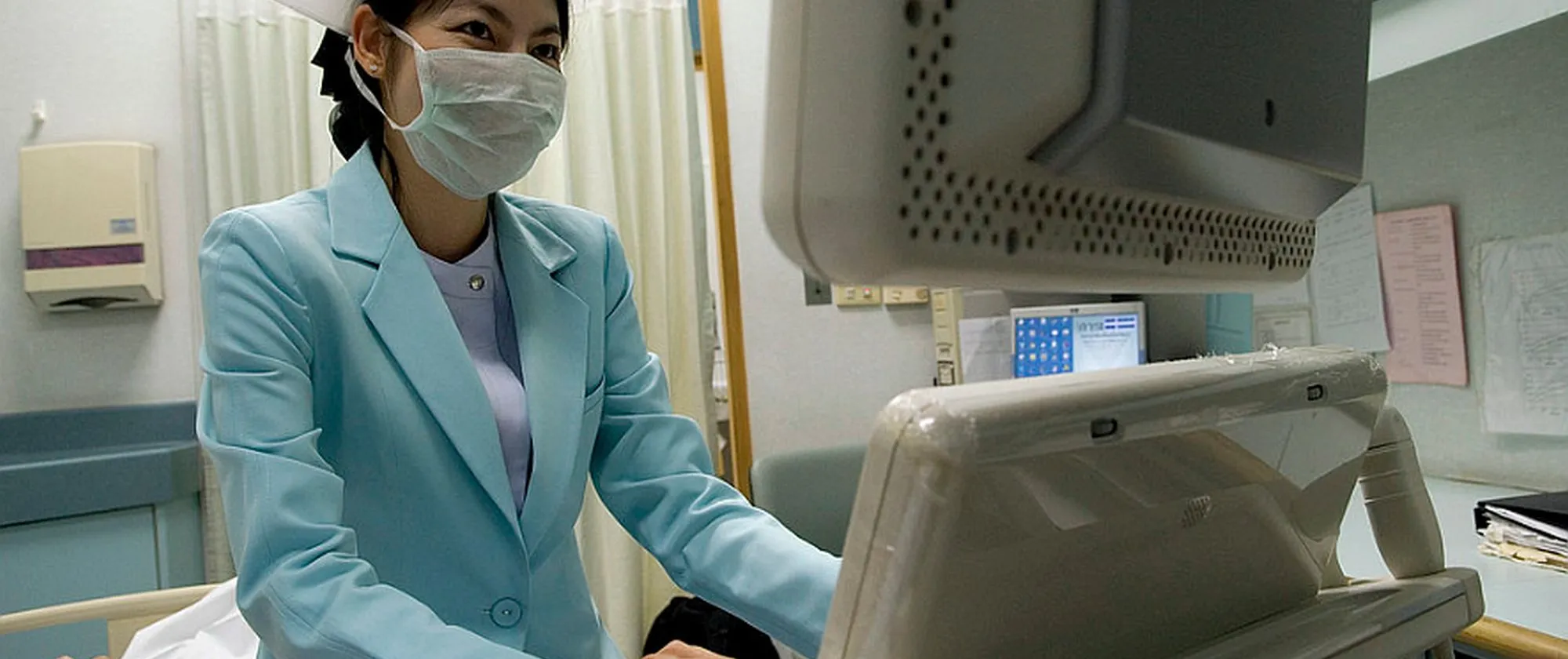
The ILO's sixth AI Forum gave three medical students from the Center for Indonesian Medical Students' Activities (CIMSA) a new perspective on how artificial intelligence can shape the future of the health workforce without leaving vulnerable workers and communities behind.
30 July 2026
JAKARTA, Indonesia (ILO News) - "Artificial intelligence will not replace humans, but humans using AI will replace humans who don't." Many students have probably heard this quote before. We used to see it as a reminder to keep pace with technological change.
However, after participating in the ILO's sixth AI Forum, "Intersectionality in Action: A Deep Dive with Policymakers & Practitioners on AI, Health Workforce, and Serving Vulnerable Indonesian Workers," we realized that the more important question is not who can master AI the fastest, but how AI can be used responsibly and who ultimately benefits from it.
The forum brought together policymakers, practitioners, academics and young people to discuss how artificial intelligence is reshaping the future of work, particularly in the health sector, while ensuring that vulnerable workers and communities are not left behind.
AI is not replacing health workers

As medical students, we often see AI as a learning companion. It helps us summarise lectures, understand complex concepts and discuss ideas while preparing scientific papers. The forum, however, showed us that AI has a much broader role.
Artificial intelligence is increasingly being used in clinical diagnosis, health administration, workforce planning and medical research. At the same time, the discussions highlighted emerging challenges, including automation bias, AI hallucinations and unequal access to digital technologies that still exists across Indonesia.
One message stood out clearly: AI is not designed to replace health workers. Instead, it should help reduce routine administrative tasks, allowing health professionals to devote more time to patient care that requires empathy, communication and clinical judgement.
Innovation must benefit everyone
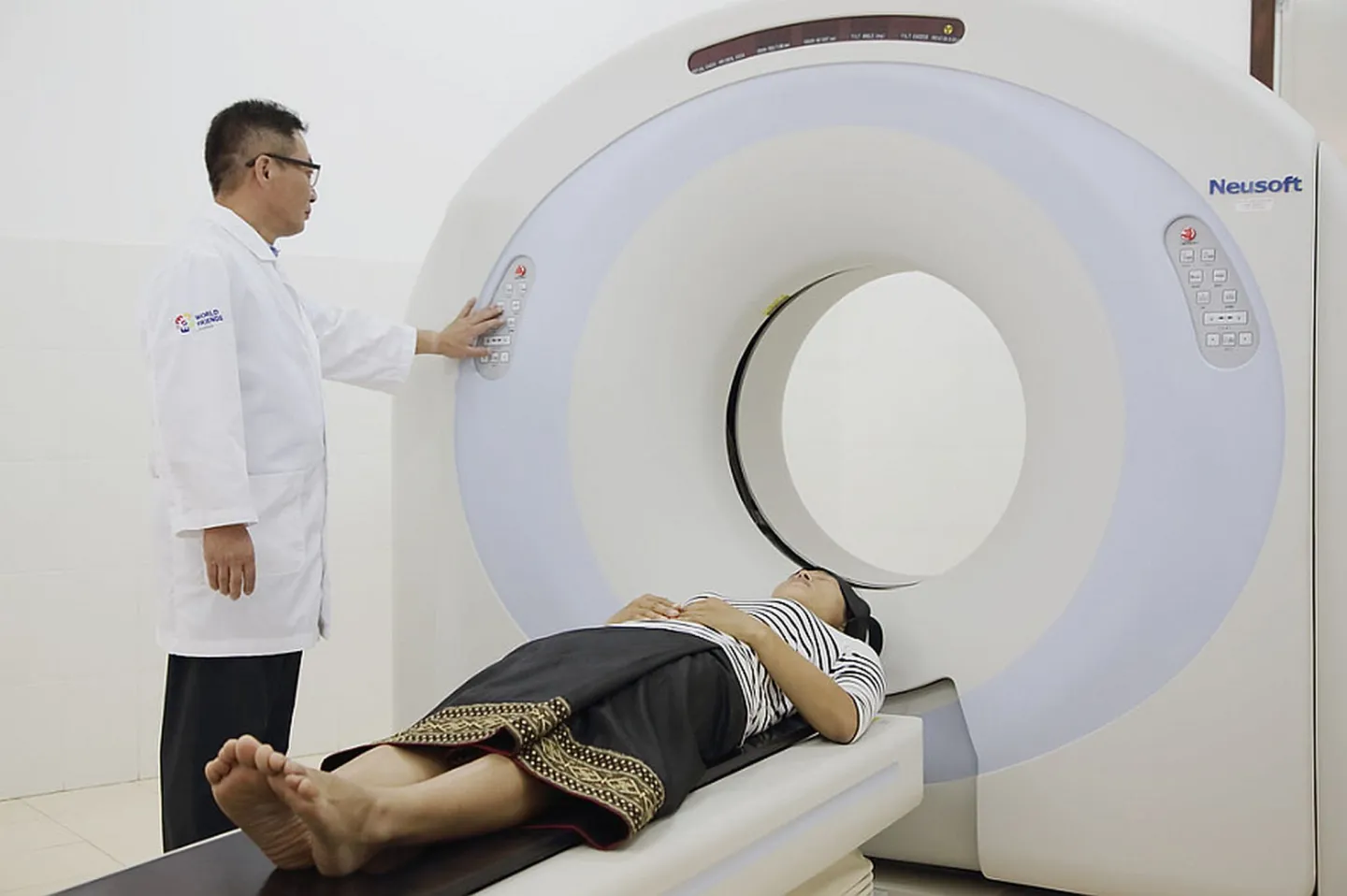
One of the forum's most valuable lessons was the importance of applying an intersectional approach to AI.
The same technology does not benefit everyone equally. People with reliable internet access, strong digital literacy or better-equipped health facilities are more likely to benefit than those living in remote areas or belonging to vulnerable groups.
For us, this reinforced an important principle: innovation should not be measured solely by how advanced it is, but also by its ability to reach those who are often left behind in the digital transformation.
The discussions also changed the way we think about the competencies future health workers will need. Rather than becoming AI developers, health professionals should understand what AI can and cannot do, critically assess AI-generated outputs and use the technology safely and ethically.
AI should remain a tool that supports learning and professional practice—not a substitute for critical thinking, professional judgement or academic integrity.
Young people have a role to play

The forum also reminded us that digital transformation is not only the responsibility of governments or technology developers. Young people have an equally important role in ensuring that AI is used responsibly.
This can begin with simple actions: using AI ethically during our studies, participating in discussions on digital health, and promoting digital literacy within our communities.
Ultimately, the forum demonstrated that the future of AI will not be determined by technology alone. It will depend on the choices people make in designing, governing and using it.
As members of CIMSA, we believe AI will only achieve its full potential if people remain at the centre of every policy and application. Only then can digital transformation contribute to a health system that is more inclusive, equitable and responsive to the needs of everyone.
Drawing on their participation in the ILO's sixth AI Forum in Jakarta in June 2026, Muhammad Aqila Putrawisesa, Syafiq Aufa Rahman and Sandrinnayla Anindita Budyanto from the Center for Indonesian Medical Students' Activities (CIMSA) share their reflections on the future of AI and the world of work in the health sector.
This article is part of the ILO Youth Network, an initiative that provides a platform for young people in Indonesia to share their ideas and perspectives on the world of work.
Related content

Press release
Harnessing AI for better healthcare and decent work in Indonesia
Policy dialogue
Intersectionality in action: A deep dive with policymakers & practitioners on AI, health workforce, and serving vulnerable Indonesian...