


Occupational Safety and Health
Learning, applying, passing it on: A man’s commitment to safer coffee farming
Nguyen Trong Tuong was first introduced to the ILO’s WIND approach in 2022. Four years later, he is teaching it himself and still looking for ways to make safer and healthier work part of everyday coffee farming in Viet Nam
1 October 2026
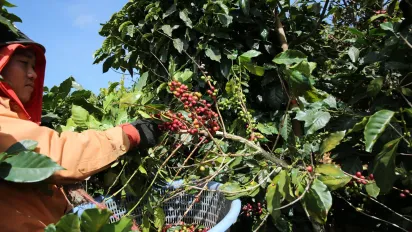
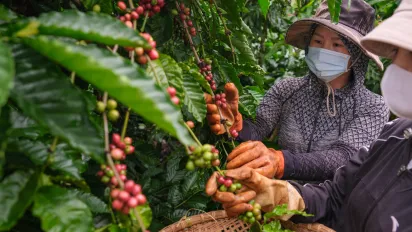
HA NOI (ILO News) – Behind every coffee harvest are countless decisions made in the course of a working day: how to prune a tree, handle chemicals, lift a heavy load or move coffee from the farm. Many are routine, repeated season after season. Yet changing even one can make a difference to the safety and health of the person doing the work.
Nguyen Trong Tuong has spent years close to that reality. In almost two decades working with the Nescafé Plan initiative in Viet Nam, he has seen first-hand the everyday working lives of coffee farmers in the Central Highlands. When he first joined training on the Work Improvement in Neighbourhood Development (WIND)* approach in 2022, it offered another lens on something already familiar to him: how the work behind coffee is done, and how it could be made safer.
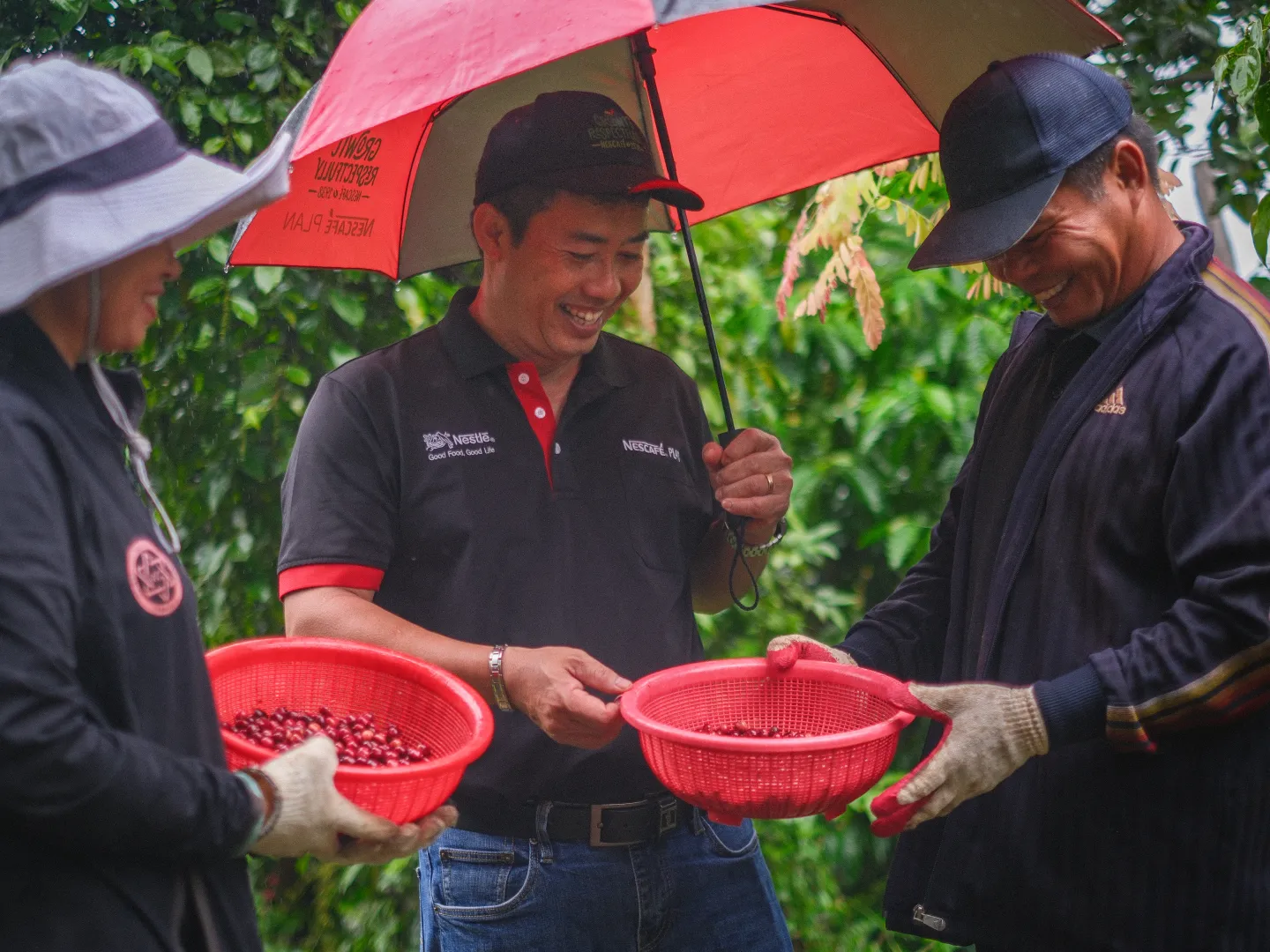
That practical focus stayed with him. As the ILO–Nestlé partnership, implemented through the Vision Zero Fund, developed its work in coffee-growing communities, Tuong kept returning to WIND through further training with ILO experts, and through his own study of the materials. He wanted to understand what lay behind the guidance: why particular measures mattered, how they could work on a coffee farm, and how to communicate them in ways farmers could relate to while staying true to the core content.
The more he learned, the more he looked for ways to connect WIND with the way farmers actually work. Coffee farming follows a seasonal rhythm, with different tasks and risks coming to the fore at different times. Instead of expecting farmers to absorb everything at once, Tuong began bringing messages back when they mattered most: safe tools and working at height around pruning, for example, or lifting and transport as harvest approached. Drawing on his field experience, while keeping the ILO WIND action checklist as the technical foundation, he adapted how the guidance was communicated to make it relevant to the work at hand.
Making the messages relevant, however, was only part of what mattered to him. WIND encourages farmers to examine their own working conditions and decide what they can improve. Tuong wanted that thinking to continue after the training ended, encouraging farmers to make feasible changes on their farms and households and document them through before-and-after photographs. More than 2,000 improvements have now been recorded this way, from safer storage of tools and chemicals to better electrical safety and working areas. Many are small, but each begins with the same decision: to look at a familiar way of working and ask whether it could be done more safely.
Along the way, Tuong’s own role has changed too. The person who once sat in WIND training learning from ILO experts is now standing in front of farmers, passing that knowledge on himself. He has led three WIND classes for more than 150 farmers across three Central Highlands provinces, drawing on what he has learned and applied over the years to bring the approach closer to farmers’ realities.

As the partnership continues, farmers will have opportunities to build their knowledge in other areas, including first aid and social protection. Tuong sees the same value in these topics that he found in WIND: knowledge that can help farmers prevent risks, respond when problems arise and better protect their livelihoods. Some of it may be knowledge farmers do not think they need, until the moment they do.
Four years after his first WIND training, Tuong’s story is about more than becoming a trainer. It shows what can happen when someone close to the work sees value in new knowledge, takes the time to make it meaningful to others and carries it forward. One improvement may start on one farm. Passed from one farmer to another, it can become part of something bigger: a safer way of growing coffee for the people behind every harvest.

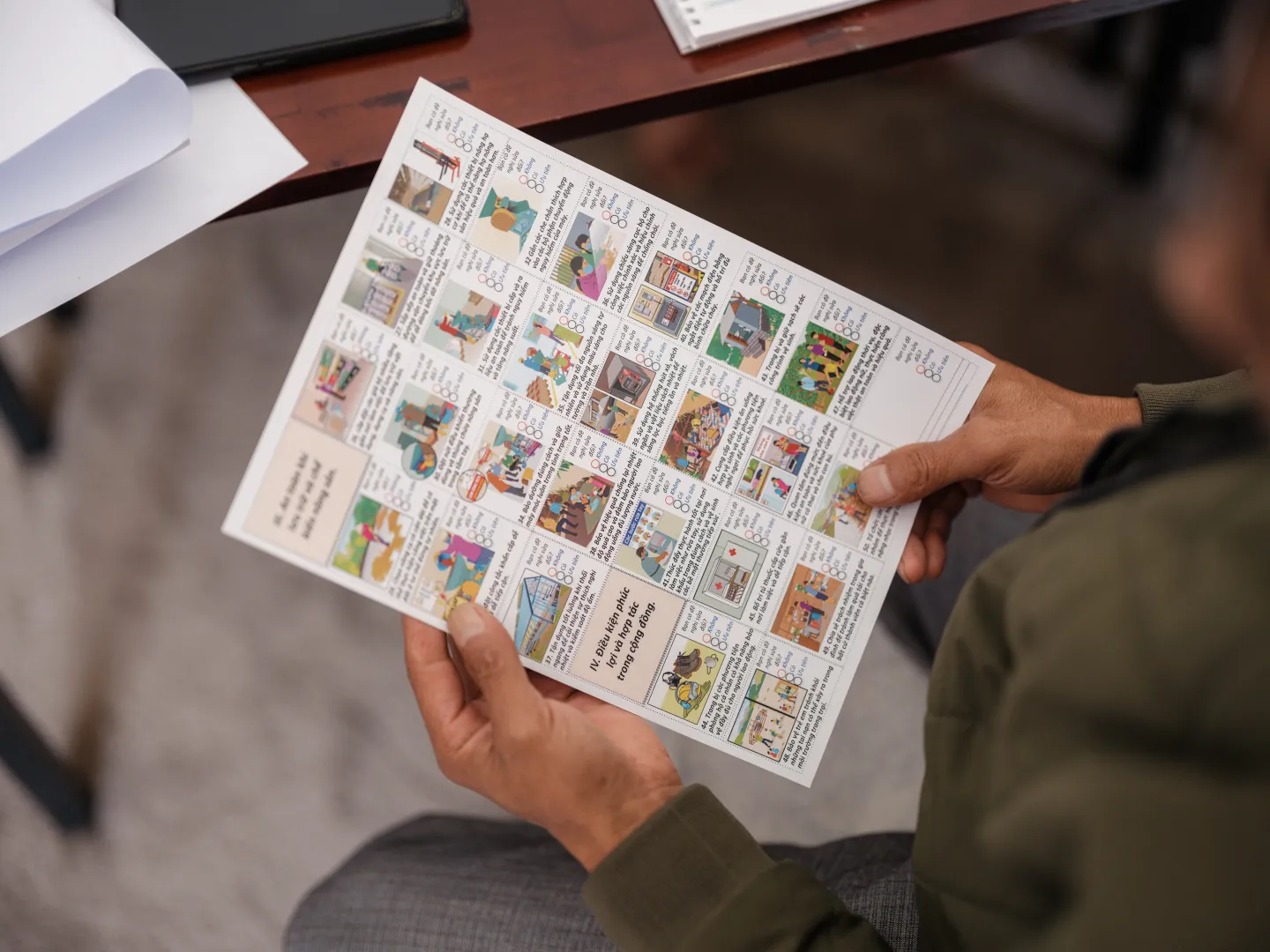
*Work Improvement in Neighbourhood Development (WIND) is a participatory, action-oriented ILO training approach that helps farmers identify practical, low-cost ways to improve working and living conditions in agricultural communities. Building on local experience and available resources, WIND encourages farmers to assess their own conditions, identify opportunities for improvement and take action themselves.
Related content
Country portal
Viet Nam
Occupational safety and health
Growing together on the path to sustainable coffee farming in Viet Nam

Occupational Safety and Health
Improving OSH and social conditions for women and men in coffee farmer communities in Vietnam – a Vision Zero Fund project
Relevant projects
Vision Zero Fund
Improving OSH and social conditions for women and men in coffee farmer communities in Indonesia
Occupational Safety and Health
Improving OSH and social conditions for women and men in coffee farmer communities in Vietnam – a Vision Zero Fund project
Occupational Safety and Health
Improving Safety and Health in the Coffee Supply Chain in Viet Nam - a Vision Zero Fund Project