


Spotlight Interviews with Co-operators
Interview with Yoshiteru Yoneoka, Director of Worker Cooperative Office, Ministry of Health, Labour and Welfare of Japan
“Spotlight Interviews with Co-operators” is a series of interviews with co-operators and other social and solidarity economy actors from around the world with whom ILO officials have crossed paths during the course of their work on cooperatives and the wider social and solidarity economy. On this occasion, the ILO interviewed Yoshiteru Yoneoka, Director of the Worker Cooperative Office in the Employment Environment and Equal Employment Bureau of the Ministry of Health, Labour and Welfare of Japan.
19 June 2025

Could you tell us about yourself and how you got involved working in cooperatives and in the social and solidarity economy (SSE) in general?
I joined the Ministry of Health, Labour and Welfare in 2007. I have been involved in various fields such as welfare for people with disabilities, support for the poor, medical policy, and non-regular labour measures. I became in charge ofcooperatives when I took up my post as Director of the Worker Cooperative Office in 2024. However, even earlier in my career, I had come to realize that many social issues – particularly welfare policy – could not be addressed by relying solely on the activities of companies focused on profit maximization.
In Japan, the rapid ageing of the population has led to a growing demand for social welfare services, making it increasingly important to secure a diversity of providers for these services. A growing number of care service providers are SSE entities, such as social welfare corporations and NPOs (non-profit organizations). Although fewer in number, cooperatives are also actively involved in delivering welfare services.
In Japan, various types of cooperatives – such as consumer cooperatives, agricultural cooperatives, and small and medium-sized enterprise cooperatives – have been institutionalized over time to serve different business purposes. In this context, "worker cooperatives wererecently regulated through a new legislation, which came into effect in October 2022. In Japan, where the birthrate is declining and the population is ageing rapidly, the range of viable models for those working to address social issues is expanding.
When and why was the Worker Cooperative Office established? What policy objectives and challenges were the Office created to address?
In Japan, when a law is proposed or amended, the government typically drafts the original bill and then submits it to the National Diet, the national legislature of Japan. However, in the case of the Worker Cooperative Act, a group of Diet members – responding to requests from related organizations – took the lead in drafting the bill, following more than 10 years of discussion.
The enacted Worker Cooperative Act outlines the following vision:
By establishing a new cooperative system that workers themselves invest in, establish and operate:
- Workers will be able to work in ways that align with their motivation and abilities, while maintaining harmony with their daily lives.
- Worker cooperatives will aim to build sustainable and vibrant local communities by operating businesses that meet diverse local needs.
With the Act set to come into force in October 2022, the Ministry of Health, Labour and Welfare established a new department, the Worker Cooperative Office, to oversee its implementation. The office’s mission is to promote and develop the worker cooperative system, including raising public awareness and setting up local government mechanisms for guidance and supervision to ensure that established worker cooperatives operate appropriately.
What sectors and communities do worker cooperatives in Japan serve? Are there any examples that you could highlight reflecting their social or economic contributions?
Since the enforcement of the Worker Cooperative Act, the number of cooperatives has steadily increased, and as of June 1 2025, 153 new cooperatives were established. Their business activities can be classified as follows:
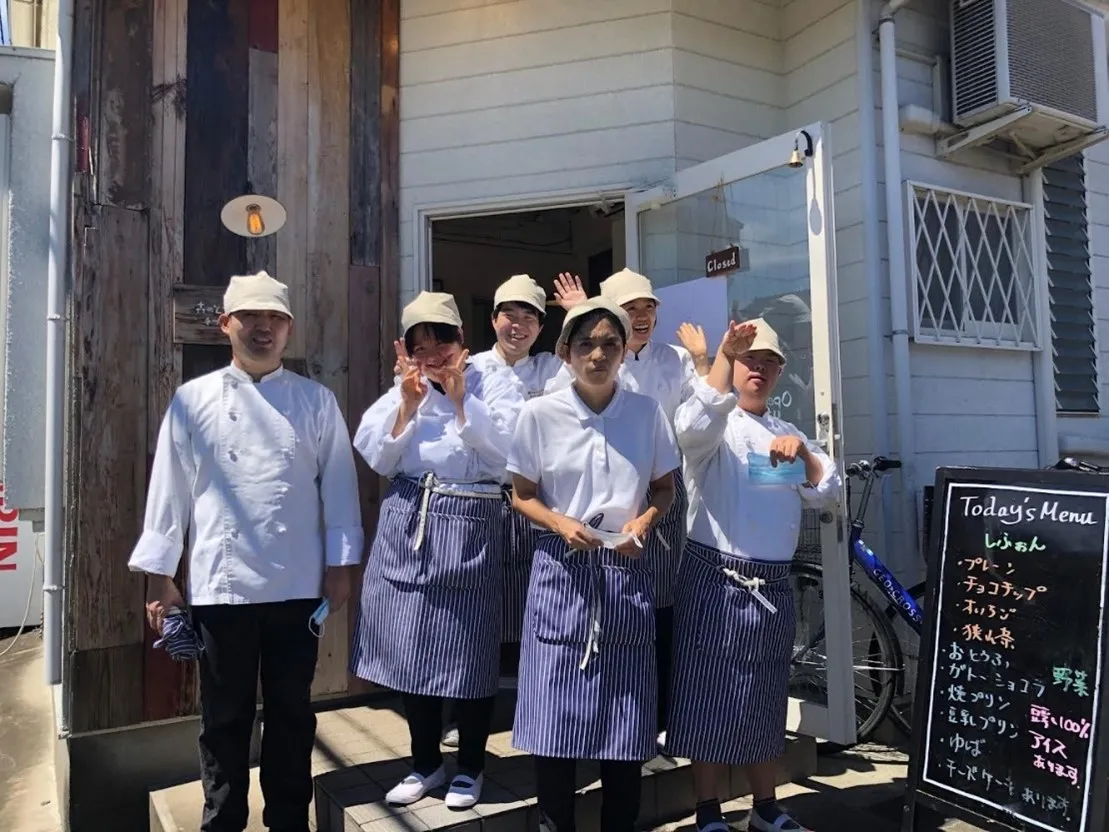
- Many of these cooperatives are engaged in welfare-related services – including elderly care, support for persons with disabilities, childcare, and assistance for those in need – accounting for about 30 per cent of the total.
- Many of them are consumer cooperative stores and delivery businesses, accounting for about 20 per cent of the newly established cooperatives.
- The other half are engaged in a wide range of other activities, such as addressing local issues, domestic work and cleaning services, production and processing of agricultural products, and campsite management.
The business activities of these worker cooperatives contribute to the following social and economic outcomes:
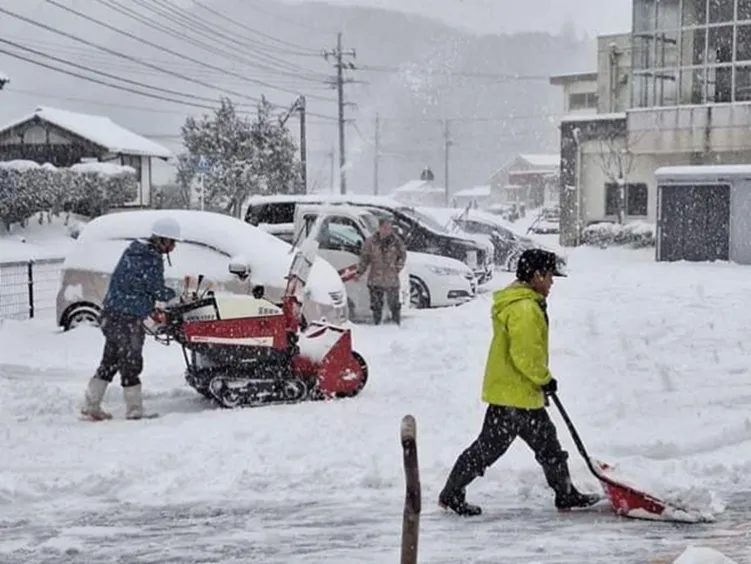
- They help address social issues in areas where companies concentrated solely on profit maximizing often struggle to operate – such as in rural communities with ageing and declining populations.
- Their participatory model – in which members collectively decide on their working styles and job content – fosters inclusive working environments for women, older persons and people with disabilities.They promote job creation based on fair wages rather than unpaid volunteer work, while also contributing to the revitalisation of local economies.
What forms of support are provided to help worker cooperatives grow and operate sustainably under the current legal framework?
Japan's Worker Cooperative Act is a new system that has been in effect for just over two and a half years. The immediate mission of the Ministry of Health, Labour and Welfare is to promote effective use of the system by the public and to encourage the establishment of more cooperatives, as well as to provide guidance to ensure that established cooperatives comply with relevant laws and regulations and operate appropriately.
To this end, we are holding online seminars for the public in order to disseminate know-how on the establishment and operation of worker cooperatives, and to introduce the business activities of cooperatives that are already active. We have also designated five regions across the country as model regions. We are working to create new businesses and jobs through worker cooperatives in collaboration with local governments, various cooperative stakeholders, labour organizations, and employer organizations.
At the same time, many of the worker cooperatives already established are small in scale, and some face challenges in achieving sustainable operations. For this reason, we believe it will be necessary to continue to monitor progress of the operations and needs of worker cooperatives, and work toward further improving the support system of accompaniment, legal advisory, business development and financial services.

Looking ahead, how do you see the potential of worker cooperatives? How can they help address societal challenges in Japan?
Japan is about to enter a full-scale era of low birthrates, ageing and population decline. And we recognize that there are several important issues that must be addressed, including:
Building a society where everyone, including women and older persons, can work and play an active role as they wish in order to secure a labour force that will support the economy and society.
Securing a system for providing social security services to meet the increasing needs for medical care and nursing care.
Strengthening the mutual support among local residents to foster a society where people can live in peace without facing loneliness or isolation.
As mentioned earlier, worker cooperatives are well suited to enabling a diverse range of people to participate meaningfully in the workforce. Many of the cooperatives already established are led by local residents and are engaged in activities that address local challenges – including welfare services and community revitalization. Given these realities, I believe that worker cooperatives hold strong potential to become key partners in tackling the social issues facing contemporary Japan. We will continue our efforts to further promote and develop worker cooperatives.
See also

Spotlight Interviews with Cooperators
Consumer cooperative in the Republic of Korea

Phase two of ILO’s SSE Knowledge Base Project Launched
ILO strengthens cooperation with Korean partners on cooperatives and the wider social and solidarity economy
ILO visited iCOOP’s Natural Dream Park in Korea
Improved statistics will strengthen global cooperative movement

Key ILO reports on the SSE translated into Korean by the Korea Social Enterprise Promotion Agency
Spotlight Interviews with Co-operators
Sung Ho Kim, International Cooperation Department, KFCC
Spotlight Interviews with Co-operators
Interview with Hyun-Gon Jung, President of KoSEA (Korea Social Enterprise Promotion Agency)
Financial mechanisms for innovative social and solidarity economy ecosystems: The case of the Republic of Korea
The relationship between cooperatives and the wider SSE was explored during two events around the World Cooperative Congress