


Spotlight Interviews with Co-operators
Interview with Rose Karimi, Regional Director of the International Cooperative Alliance – Africa
“Spotlight Interviews with Co-operators” is a series of interviews with co-operators from around the world with whom ILO officials have crossed paths during the course of their work on cooperatives and the wider social and solidarity economy (SSE). On this occasion, the ILO interviewed Rose Karimi, Regional Director of the International Cooperative Alliance – Africa (ICA-Africa).
31 August 2025
Could you briefly share your background and your journey into working in the cooperative movement? What motivated you to take on the role of Regional Director at ICA–Africa?
My background is in both supply chain management and marketing science. This is where I developed a deep understanding of how systems, markets and value chains function and how they can be optimized for efficiency, inclusivity and growth. This foundation gave me a practical lens on how enterprises thrive — not just through profitability, but by creating sustainable value for people and communities.
My engagement with cooperatives began very early in my life, right in my village. My parents were and still are members of a coffee cooperative society. As a child, I actively participated by working on our small coffee farm and delivering the ripe red cherries to the cooperative factory for primary processing. After the cooperative sold the green beans, it would send a cheque directly to my school to cover my tuition fees. This left a lasting impression on me — my education and family well-being were directly supported by the cooperative model. That was my very first encounter with how cooperatives transform lives at the grassroots.
As a Fulbright Scholar during my doctoral studies, I focused my dissertation on global coffee supply chains and strategies to improve the income of small-scale coffee farmers. This research gave me the opportunity to engage with cooperatives beyond my village, exploring their broader role in linking local producers to international markets, enhancing livelihoods and addressing global inequalities in trade. It reinforced my belief that cooperatives are not only local safety nets but also global actors in advancing fairness and sustainability.
Taking on the role of Regional Director at ICA–Africa therefore represents both a personal and professional commitment. My lived experience as a beneficiary of cooperatives, combined with my academic grounding in cooperative research, allows me to bridge policy, practice and community needs. This position gives me the opportunity to give back to the movement that once uplifted my own family and to work to ensure that millions of African families can access the same empowerment, dignity and opportunities that cooperatives provided me.

In your view, what are the most significant opportunities and challenges for cooperatives in Africa right now?
Africa’s greatest opportunity lies in its demographic dividend — about 60 per cent of the population is under 25. Cooperatives provide a ready platform to engage young people in co-creating solutions for job creation, entrepreneurship and inclusive growth. Beyond youth, cooperatives have untapped potential in agriculture, finance, renewable energy and the digital economy. Regional integration through the African Continental Free Trade Area (AfCFTA) also presents opportunities for inter-cooperative trade and scaling impact across borders.
Yet, cooperatives in Africa face persistent challenges: outdated legal frameworks, limited access to finance, weak governance and digital gaps. There is also a perception challenge — cooperatives in Africa are too often dismissed as small-scale or informal. To unlock their full potential, we must modernize cooperative laws, strengthen governance, and expand digital and financial inclusion.
With the right conducive environment, cooperatives can be the cornerstone of Africa’s inclusive and sustainable transformation.
What are ICA–Africa’s current priorities and initiatives, and how do they address the needs of African cooperatives in today’s socio-economic context?
ICA–Africa’s priorities are clear and action-driven.
- First, capacity building remains at the core — we are equipping cooperatives with skills in governance, leadership and business development to strengthen their competitiveness.
- Second, we emphasize inclusivity, ensuring youth, women and marginalized groups have meaningful participation in cooperative leadership and opportunities.
- Third, we will improve data systems so that cooperatives can use evidence-based insights to inform policies and attract investment.
- Fourth, we are working on access to markets and finance, enabling cooperatives to scale, link to regional and global value chains, and explore innovative financing models.
- Fifth, we will leverage technology to make cooperatives future-ready — whether through digital platforms, climate-smart solutions or innovation hubs.
- And finally, advocacy and partnerships remain a cornerstone. A good example is the Africa Ministerial Cooperative Conference, held every three years, which brings governments, partners and cooperative leaders together to shape policy, harmonize laws, and align cooperatives with Africa’s Agenda 2063 and the sustainable development goals (SDGs).
Through these priorities, ICA–Africa is positioning cooperatives as inclusive, resilient and future-ready engines of sustainable development.
In 2024, the Pan-African Parliament adopted the Model Law on Cooperatives, which aims to guide the development of new cooperative legislation and the review of existing laws. How do you plan to support the implementation of this Model Law in the region?
The adoption of the Model Law is a historic milestone for the cooperative movement in Africa. ICA–Africa will work closely with governments, regional blocs and cooperative members to adapt and domesticate it into national legal frameworks.
Our support will include technical assistance to policymakers, the development of toolkits to guide cooperative law reform, and convening knowledge-sharing forums for cooperative leaders and lawmakers. We will also strengthen advocacy to secure the political will and resources needed for implementation.
This is a unique opportunity to harmonize standards, modernize governance, and build a legal environment that enables cooperatives to thrive across the continent.
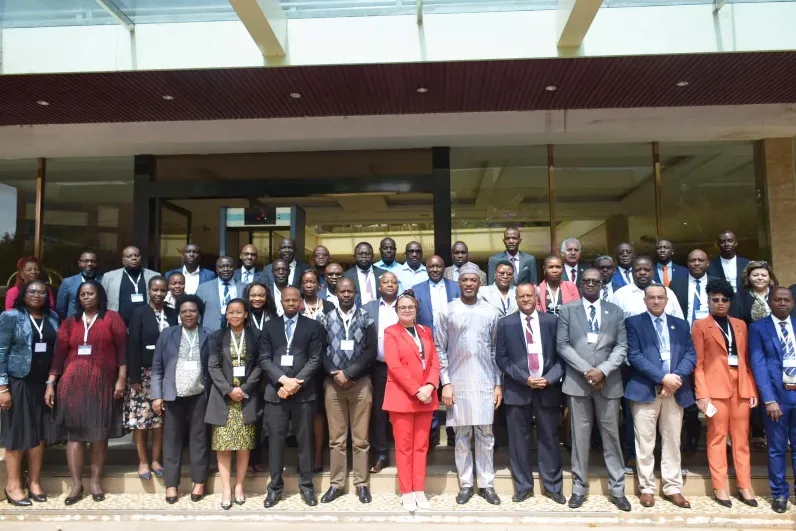
Last year the African Union (AU) adopted a Ten‑Year Social and Solidarity Economy (SSE) Strategy and its Implementation Plan (2023–2032), with support from the ILO. How do you see ICA–Africa contributing to this agenda?
Cooperatives are a cornerstone of the social and solidarity economy. ICA–Africa is already working with the AU to integrate cooperatives into continental frameworks such as Agenda 2063. At the same time, we engage with the ILO to advance decent work, social protection and enterprise formalization.
One way to enhance this collaboration is by leveraging ICA–Africa’s two annual forums — the Africa Cooperative Ministerial Conference (AMCCO) and the Africa Cooperative Leaders’ Forum (ACL). These provide ready platforms for dialogue between ICA–Africa, AU and ILO to align cooperative and SSE priorities with the Agenda 2063 and SDGs.
Through these partnerships, we aim to amplify the voice of cooperatives and ensure their role as key actors in Africa’s SSE ecosystem.
Youth and women are often highlighted as critical to the future of cooperatives. How is ICA–Africa ensuring their meaningful inclusion and leadership?
Youth and women are central to ICA–Africa’s strategy. Since 2024, we are establishing national cooperative gender platforms across Africa to strengthen women’s voice in cooperative leadership and governance.

For youth, our Global Youth Cooperative Entrepreneurship Programme is moving from pilot to scale. This initiative addresses Africa’s demographic dividend and rising unemployment by equipping young people with cooperative enterprise skills, financial literacy and mentorship — enabling them to create jobs and entrepreneurial opportunities.
Partnerships are key to scaling these efforts. We have collaborated with organizations focused on youth, includingJunior Achievement Zimbabwe, Tariro Foundation Zimbabwe, Zimbabwe National Housing Cooperatives (ZINHCO), Uganda Cooperative Alliance (UCA) and Junior Achievement Uganda. On women’s empowerment we are collaborating with We Effect. In addition, we are collaborating with Aflatoun International and Junior Achievement Africa to advocate for cooperative education to be mainstreamed into national curricula, so young people learn about the cooperative model from an early age.
Inclusion at ICA–Africa is not symbolic — it is structural and transformative. Women and youth are supported to lead, shape cooperative agendas, and drive the future of Africa’s cooperative movement. We believe the future of cooperatives is youth- and women-led, turning Africa’s demographic dividend into real jobs, innovation and sustainable growth.
Looking ahead, what is your vision for the cooperative movement in Africa over the next decade?
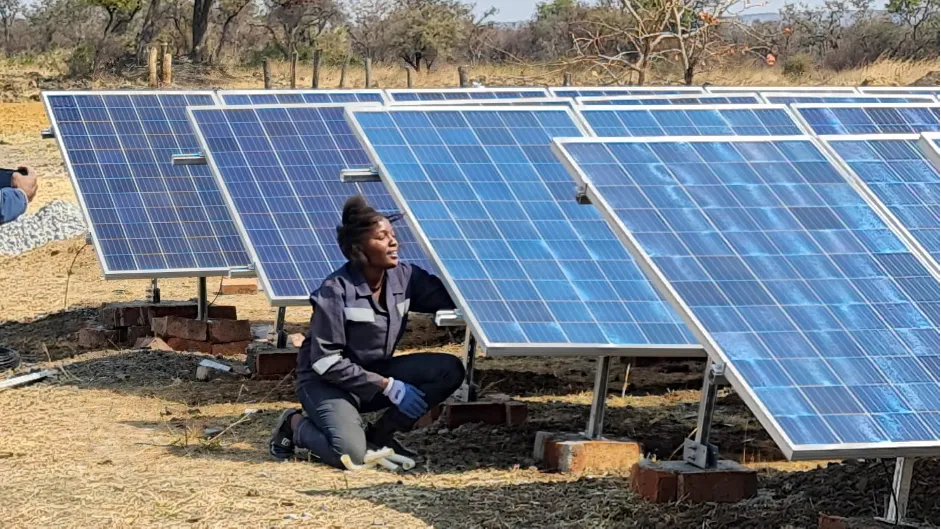
My vision is for cooperatives to be recognized not as peripheral actors but as central players in Africa’s development. Over the next decade, I see cooperatives driving food security through resilient agricultural systems, enabling financial inclusion through cooperative finance, powering green transitions with renewable energy, and creating millions of jobs for youth.
I also envision an Africa where cooperative voices strongly influence policy at national, regional and global levels — ensuring people-centred approaches are embedded in development strategies.
In short, the cooperative movement’s future is about scale, relevance and impact — delivering prosperity for members while advancing the broader continental agenda for inclusive and sustainable development.
The views expressed in this interview are those of the interviewee and do not necessarily reflect the official position or policies of the International Labour Organization.

More Spotlight Interviews with Co-operators
Inspiring stories, insights and thought-provoking reflections from cooperative and social and solidarity economy (SSE) actors from across regions and sectors
Stay tuned
To keep updated on the latest Spotlight Interviews with Co-operators, you can also:
- Visit ILO topical portals on cooperatives ilo.org/coop & the SSE ilo.org/coop
- Sign up for ILO COOP/SSE monthly newsletter
- Follow @ILOCOOPSSE on LinkedIn, X, Facebook and Instagram
You may also be interested in

ILO Guidance and resources
The social and solidarity economy: Law and policy

ILO Guidance and resources
Cooperatives and the social and solidarity economy: Education and training
International Year of Cooperatives 2025: ILO Engagements