

Implementation over intention: Translating global momentum into local action for Türkiye’s children
12 June 2026
In 2022, the global community met in Durban, South Africa to face a sobering reality: For the first time in decades, child labour was increasing: 160 million children according to 2020 estimates. It meant that the hard-won gains fighting child labour for decades had been reversed, threatening a collective commitment to protect children from exploitation and deprivation.
Earlier this year, they met again in Marrakech, Kingdom of Morocco, with a reason for renewed optimism: The latest global estimates showed that child labour has fallen to fewer than 138 million in 2024 and that the number of children engaged in hazardous work, one of the worst forms of child labour, has dropped from 79 million to 54 million.
Yet, progress should not lead to complacency. Millions of children remain trapped in child labour, many of them in hazardous conditions that threaten their health, safety and future. Without significantly accelerating current efforts, child labour will continue to affect millions of children for decades to come.
The message is clear: Child labour is not inevitable. Progress is possible when political commitment is matched by sustained action.Right policies and coordination bring results. What worked is well known: Free and quality education, social protection, rural development, and decent work for all.
Türkiye offers an important example of both the progress achieved and the work that remains ahead.
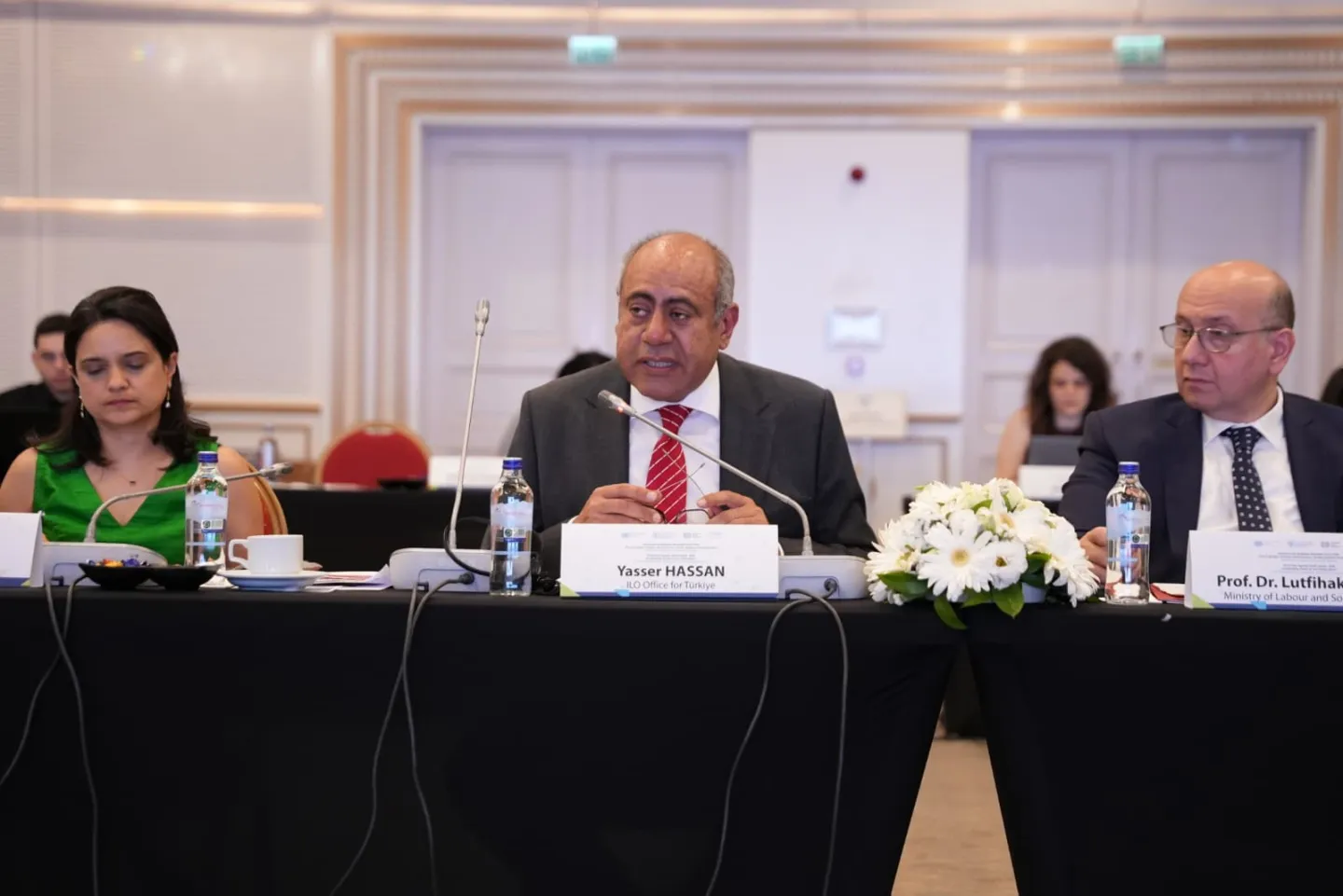
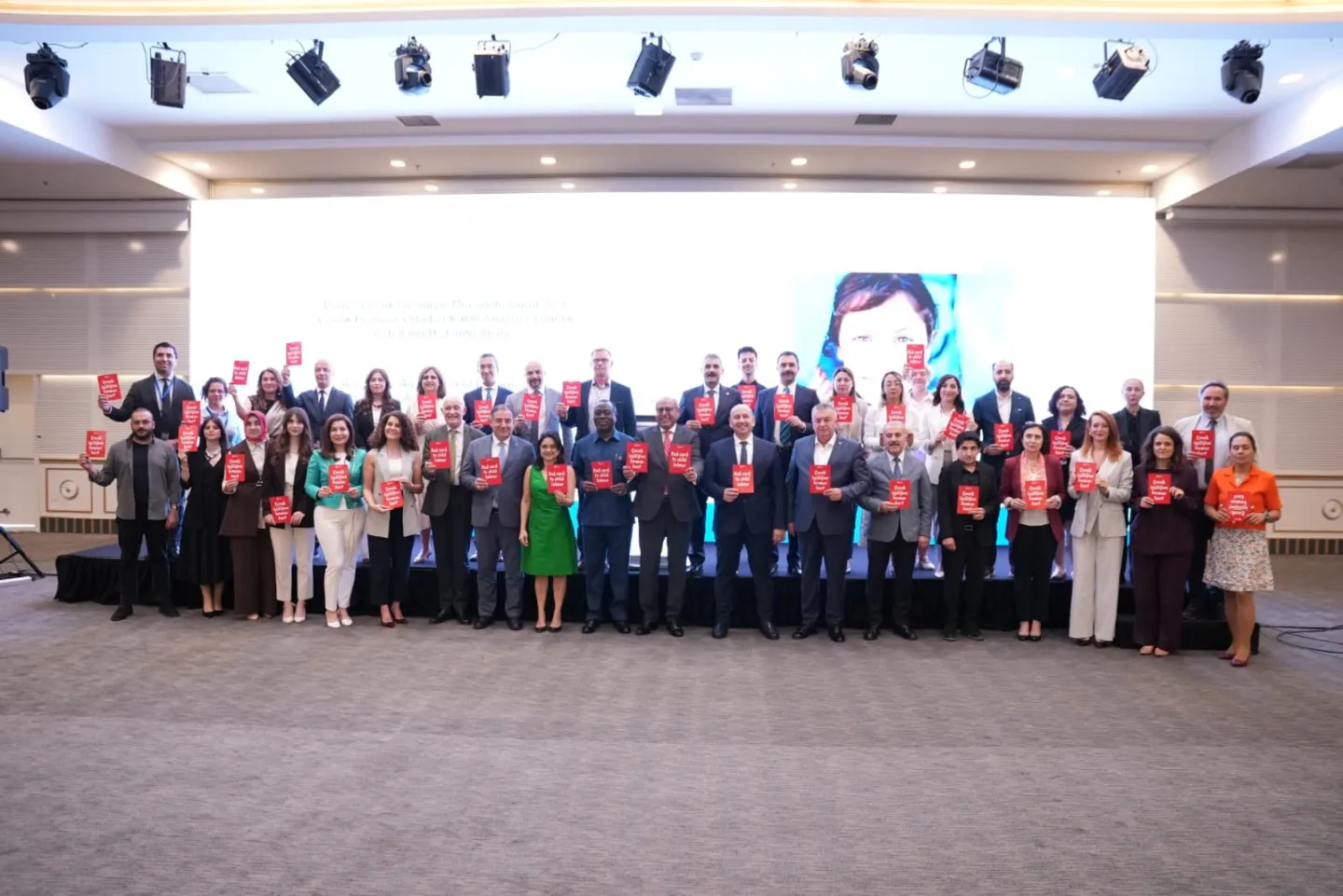
Earlier this week in Ankara, the ILO, together with UNICEF and FAO organized a roundtable discussion under the auspices of the UN Resident Coordinator in Türkiye to mark the World Day Against Child Labour, 12 June. The meeting brought together government representatives, workers’ and employers’ organizations, UN agencies and development partners to assess progress and identify practical steps to accelerate efforts to eliminate child labour in Türkiye.
Participants took note of the progress made by Türkiye in developing sound policy frameworks for eliminating child labour and have underlined importance of sustaining efforts through integrated and coordinated action. As a Pathfinder Country under Alliance 8.7 of the SDGs, Türkiye has positioned itself among the countries leading efforts to accelerate action against child labour.
The discussions point to a clear agenda for action. We need stronger alignment between education, social protection, labour market and child protection policies; greater accountability across domestic and global supply chains through human rights due diligence; stronger safeguards against emerging digital risks to children; and deeper partnerships among governments, employers, workers, UN agencies and civil society.
ILO’s work in supporting Türkiye in eliminating child labour in seasonal agriculture inform us that, over the past decade, sustained efforts by public institutions, social partners, private sector, civil society, UN agencies and development partners have helped elevate child labour from a seasonal concern to a national policy priority. This is certainly a significant achievement.
Thanks to its partnership with European Union and to the public private partnerships it has with CAOBISCO and Ferrero inTürkiye, the ILO is glad to have been contributing to policy making, enhanced capacities at national and local levels, increased awareness by stakeholders and with the families and more importantly taking children out of work and putting them in education.
And when we recently assessed the impact of our work in this area, we were reminded with some good lessons learned from our work in Türkiye.
At first, the importance of embedding child labour in national policy frameworks, of supporting institutional mandates, efficient and effective coordination, of working with local actors through evidence-based interventions, of the necessity to allocate sufficient financial resources, and of the critical role of social dialogue for sustained impact
We have learned too that the fight against child labour will be won, or lost, through prevention, and that the strong and responsive social protection systems remain among the most effective tools of prevention. When families are protected, children are protected.
We also learned that protection interventions were effective in withdrawing and preventing younger children under 14 from hazardous work during harvest periods. Yet the impact tends to erode as children enter adolescence.
And we found that awareness matters to influence families and communities, but it is not enough if we want to achieve lasting behavioural change.
At the roundtable, we all agreed on the need to continue addressing, as a priority, the root causes of child labour. Each and every participant spoke of what worked well and what did not in terms of actions to deal with poverty, informality, lack of social protection, inequality and the decent work deficits.
Domestic and international supply chains have critical roles to play in identifying, preventing and addressing risks but also in contributing to policy making.
Progress can be made by strengthening the enabling environment that turns commitment into action: Effective institutions, responsible business conduct, effective social dialogue, adequate resources and accountable implementation.
None of these can succeed or even be pursued in isolation. Together, they form the foundation of a sustainable strategy to eliminate child labour.
At the roundtable, I reminded the participants of two important messages, in my view:
One, which comes from ILO’s mandate, its Constitution, principles and values, and the methods of its work: The critical role of the active engagement of workers and employers’ organizations, indispensable in shaping workplaces and policies to deliver decent work, and a necessity for integrated action to eliminate child labour.
The second is a new message coming from Marrakech: The attention the 6th Global Conference on Child Labour drew to the digital transformation, which can boost productivity and reduce poverty, but can also bring new risks, including technology-facilitated commercial sexual exploitation of children. Accordingly, we must ensure that technology is designed and governed with children’s rights at the core.
Finally, child labour is both a cause and a consequence of poverty, and a violation of a basic human right.
We should never resign ourselves to child labour. We do not have to.
Tackling the root causes is essential.
The policy foundations are clear.
Institutional capacities are tools in our hands.
Progress is strongest when we act together.
Yasser Hassan, Director, ILO Office for Türkiye