


Child labour
ILO strengthens cooperatives to help eliminate child labour in Kenya’s tea and coffee supply chains
In March 2026, the ILO's ACCEL Africa project funded by the Ministry of Foreign Affairs of the Netherlands trained 52 local trainers across key tea and coffee counties. By building institutional capacity and embedding child labour prevention into cooperative systems, the initiative empowers farmers, improves incomes, and supports sustainable, child-labour-free supply chains.
30 March 2026
NAIROBI (ILO News) - In March 2026, the ACCEL Africa Project, financed by the Ministry of Foreign Affairs of the Netherlands, conducted a Training of Trainers (ToT) on the ILO COOP methodology to strengthen cooperatives as key actors in eliminating child labour in Kenya’s tea and coffee supply chains. The fourteen-day training equipped 52 trainers drawn from county cooperative departments, the Cooperative University of Kenya, Solidaridad, and cooperative unions across Kisii, Kericho, Meru, and Nyeri counties.
This initiative forms part of the ILO’s broader systems-based approach to addressing the root causes of child labour, including poverty, low household incomes, informality, and limited institutional capacity within agricultural value chains. In Kenya, the tea and coffee sectors are critical to rural livelihoods but remain vulnerable to child labour risks, underscoring the need for sustainable, community-based solutions.
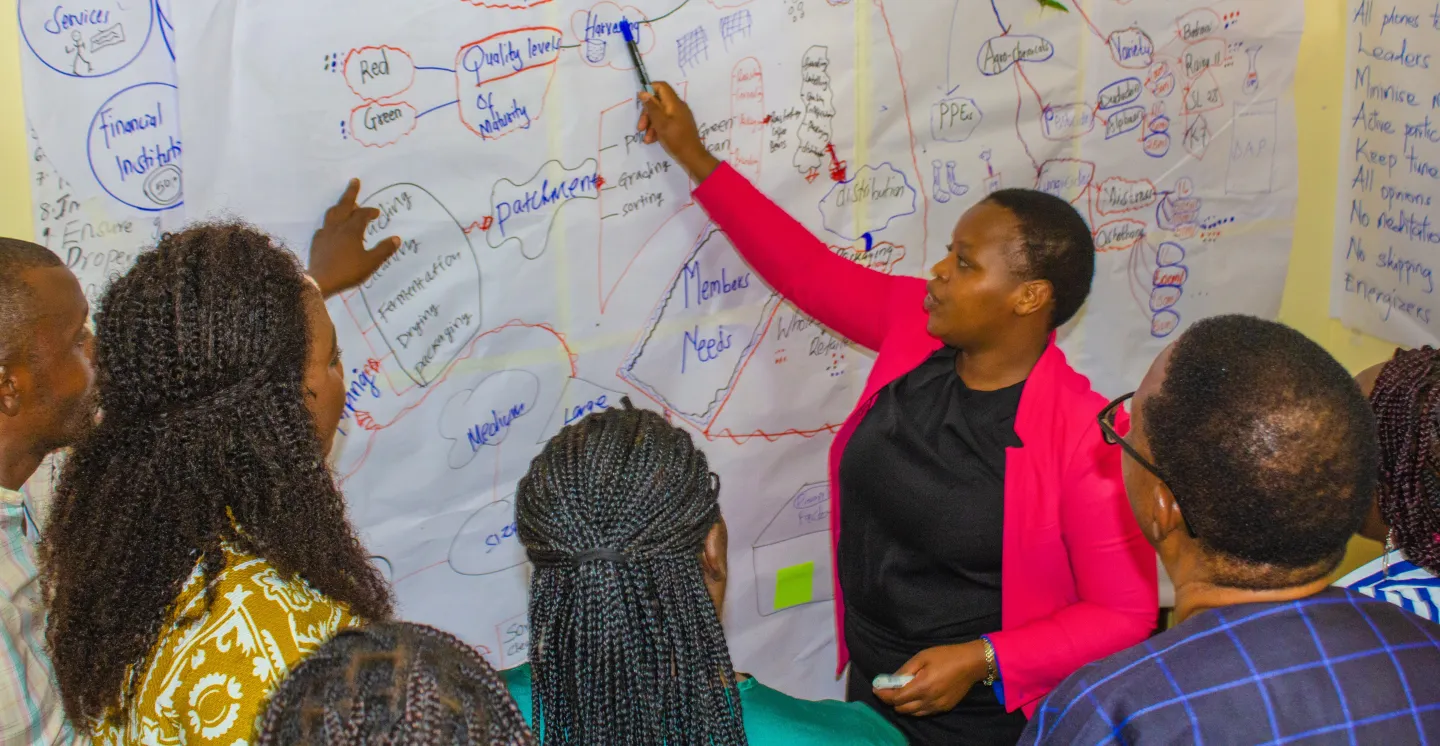
As value-based, member-driven organizations, cooperatives are uniquely positioned to promote fundamental principles and rights at work, including the effective elimination of child labour. Through democratic governance, member participation, and service provision, cooperatives can improve incomes, strengthen resilience, and address the socio-economic drivers that often lead to child labour.
The ILO leverages globally recognized cooperative development tools Think.COOP, Start.COOP, and My.COOP to support governments and stakeholders in strengthening cooperative governance, improving productivity, and enhancing economic resilience among smallholder producers. These tools also help embed child labour prevention into cooperative systems, training, and operations.
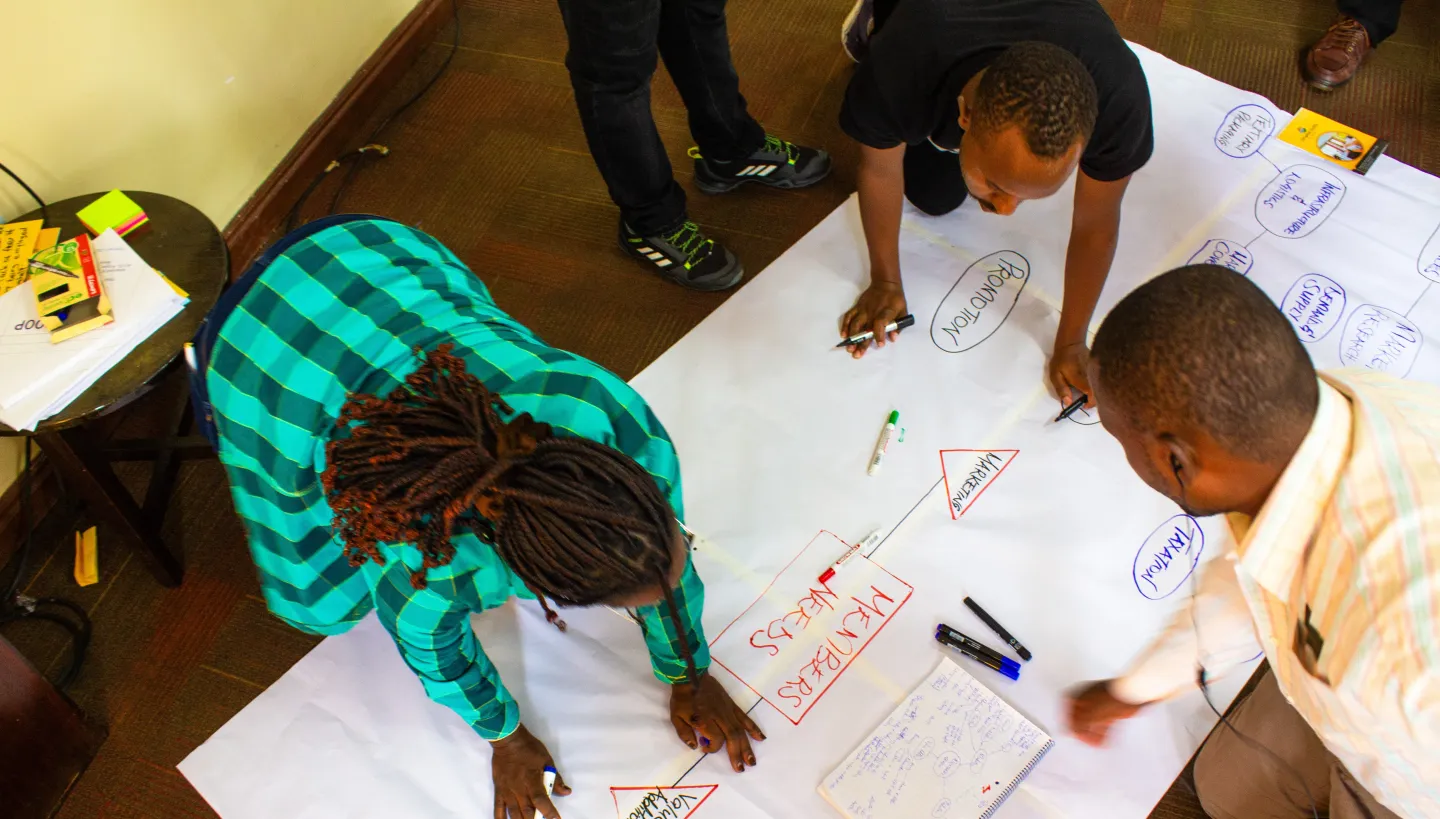
County governments play a critical role in regulating and supporting cooperative development, and the Training of Trainers (ToT) model is designed to strengthen this function by building a sustainable pool of local expertise. By equipping cooperative officers, extension staff, and government representatives with practical tools and methodologies, the training ensures that institutions can provide continuous technical support and effectively cascade knowledge to cooperatives and farmers at the grassroots level.
As noted by Dr Leonard Otii, Director of Cooperatives in Kericho County, “Kericho recognizes that sustainable growth must go hand in hand with labour standards compliance. By strengthening governance, transparency, and member education within cooperatives, we are addressing the structural factors that contribute to child labour.”
Similarly, Mr Bernard Ochieng, Deputy Director for Cooperatives in Kisii County, emphasized that “This initiative strengthens systems, not just individuals… ensuring that child labour prevention is embedded in cooperative policies, education programmes, and day-to-day practices.”
Participants highlighted the practical value of the training and its immediate relevance to their work.
Before this training, we focused mainly on production and marketing. Now we understand how cooperative governance links directly to child labour prevention. We can support farmers not just to earn more, but to protect their children.
Dorine Chepkemoi, Cooperative officer, Kericho County
We now have practical approaches to work with farmers how to raise awareness, how to identify risks, and how to support simple improvements. This will change how we interact with cooperatives at the grassroots.
Lilian Kerubo, Kisii County
By strengthening cooperative systems and building the capacity of local service providers, the ILO and its partners are advancing a sustainable, systems-based approach to eliminating child labour in Kenya’s tea and coffee sectors. Cooperatives play a transformative role in this effort by promoting child-labour-free practices, improving household incomes, raising awareness, supporting youth employment, and facilitating access to social protection.
When incomes are low, families sometimes rely on children to help on farms. But when cooperatives are well-managed and farmers earn better returns, children can stay in school.
Doreen Makena, Meru County
Through the training, participants developed concrete action plans to cascade knowledge and support cooperative members, boards, and producer groups at the grassroots level. These efforts are expected to enhance cooperative governance, improve working conditions, and contribute to the realization of child-labour-free and socially responsible agricultural supply chains.
The ToT approach ensures that knowledge does not stop here. We will train others, and they will train more farmers. This is how we create lasting change in our communities.
Henelico Macharia, Nyeri County
Related content

ILO COOP/SSE participates in a #CoffeePeople webinar on Occupational Safety and Health through Cooperatives

Cooperatives promote decent work in Uganda's coffee supply chain
Video
Cooperative members and workers benefit from occupational safety and health initiatives in Nepal

Reinforcing occupational safety and health: The ILO deploys an innovative tool for agricultural cooperatives in Côte d’Ivoire

ILO supports Occupational Safety and Health across cooperatives in Jordan
Relevant projects
Accelerating action for the elimination of child labour in supply chains in Africa (ACCEL Africa)