

Learning event
ILO-led workshop supports countries to strengthen recognition of prior learning systems
Countries from Africa and the Middle East share practical solutions to strengthen recognition of prior learning and expand access to decent work.
17 April 2026
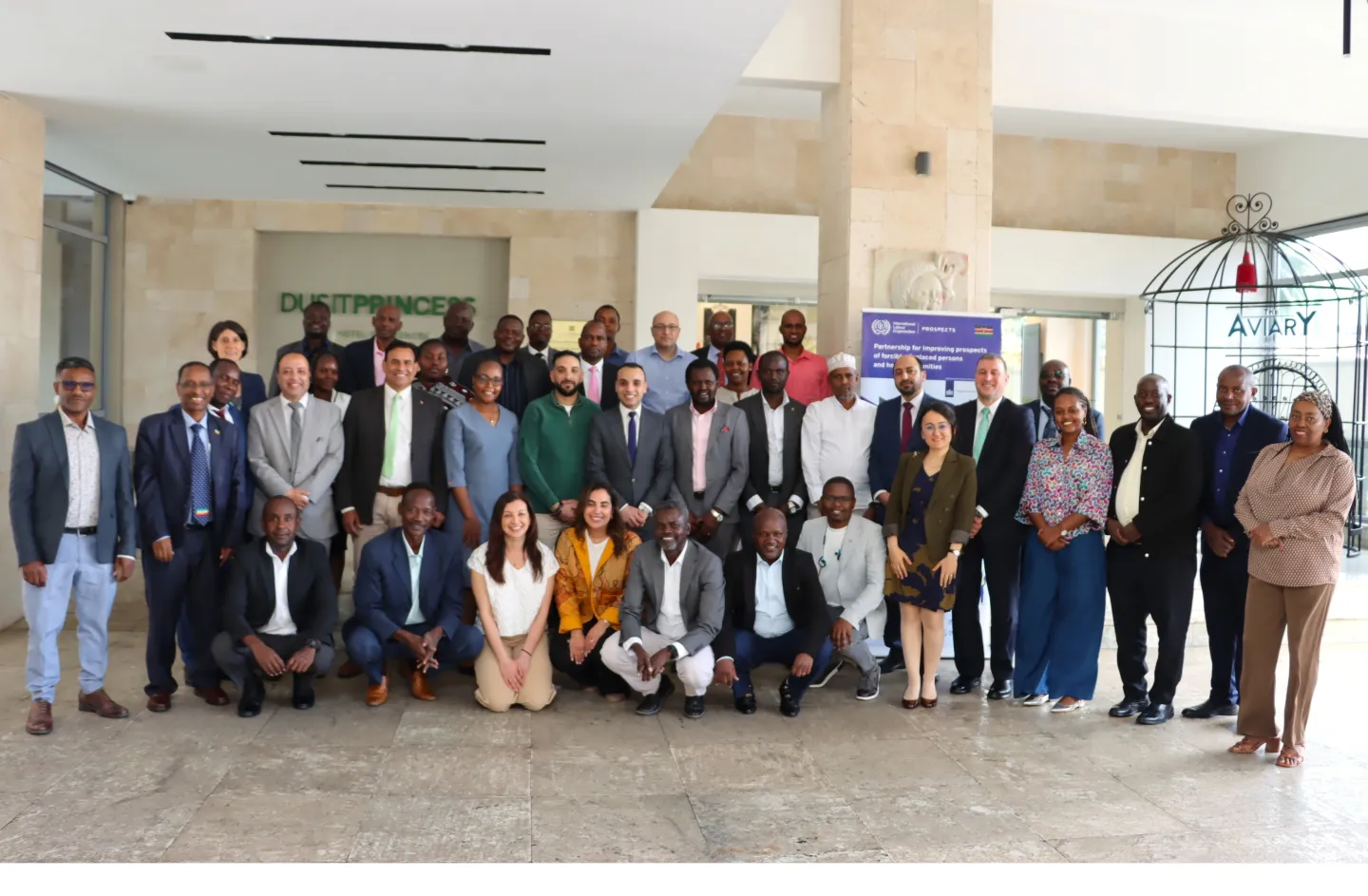
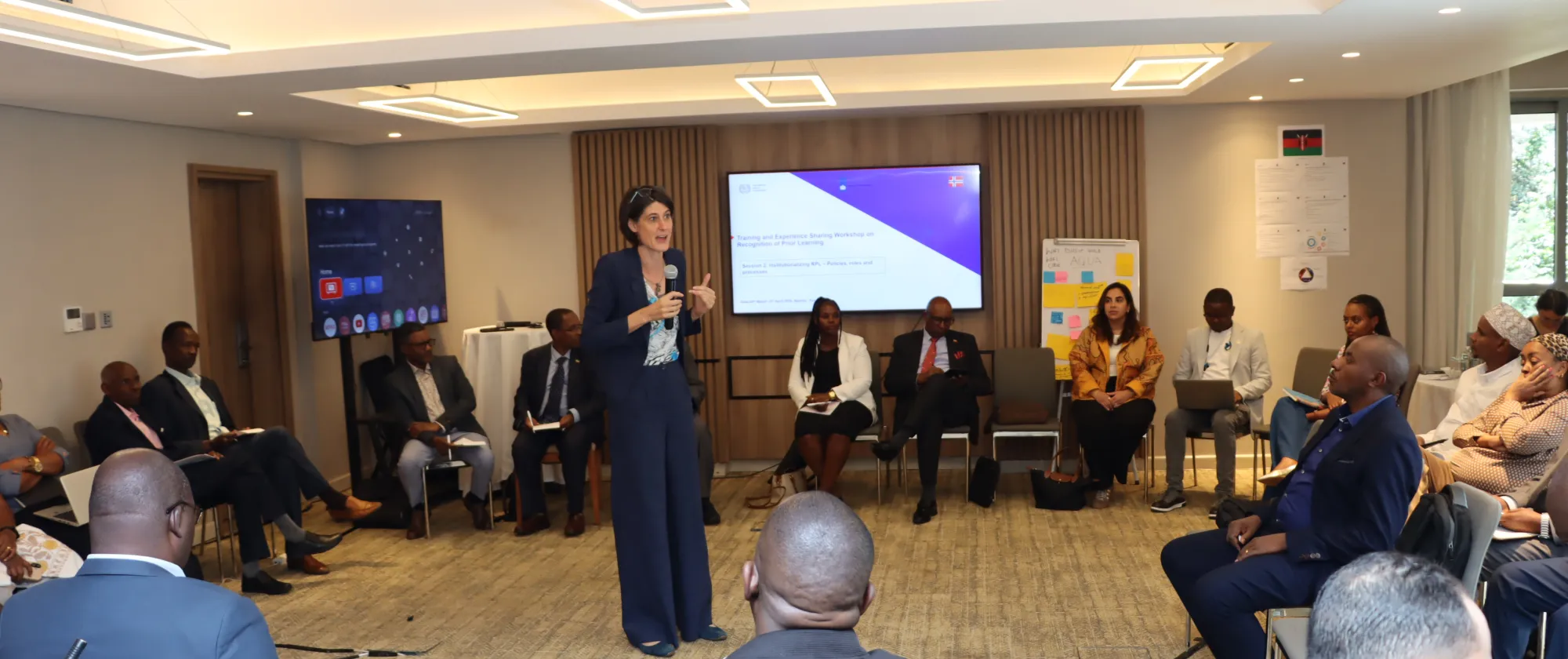
Nairobi, Kenya (ILO News) - Representatives from eight countries across Africa and the Middle East gathered in Nairobi from 30 March to 2 April 2026 for a regional training and experience-sharing workshop on Recognition of Prior Learning (RPL). The event aimed to strengthen inclusive skills recognition systems, particularly in contexts affected by forced displacement.
Organized by the International Labour Organization (ILO) under the PROSPECTS Partnership, in collaboration with the Global Skills Programme, the four-day workshop brought together governments, employers’ and workers’ organizations, and technical experts to exchange experiences and identify practical solutions to common challenges in RPL implementation.
Advancing inclusion through skills recognition
Recognition of Prior Learning enables individuals to have skills acquired through informal work, migration or life experience formally assessed and certified. This is particularly critical for refugees, returnees and host communities, who often face barriers to accessing decent work due to a lack of recognized qualifications.
Participants from Egypt, Ethiopia, Jordan, Kenya, Malawi, Sudan, Uganda and the United Republic of Tanzania shared experiences on how RPL systems can support labour market integration, productivity and resilience.
“RPL is not only about certification—it is about making skills visible and valued in the labour market,” said Christine Hofmann, ILO Senior Regional Skills Specialist for Africa. “For many workers, especially those in informal economies or displaced contexts, it can be a gateway to decent work and lifelong learning.”
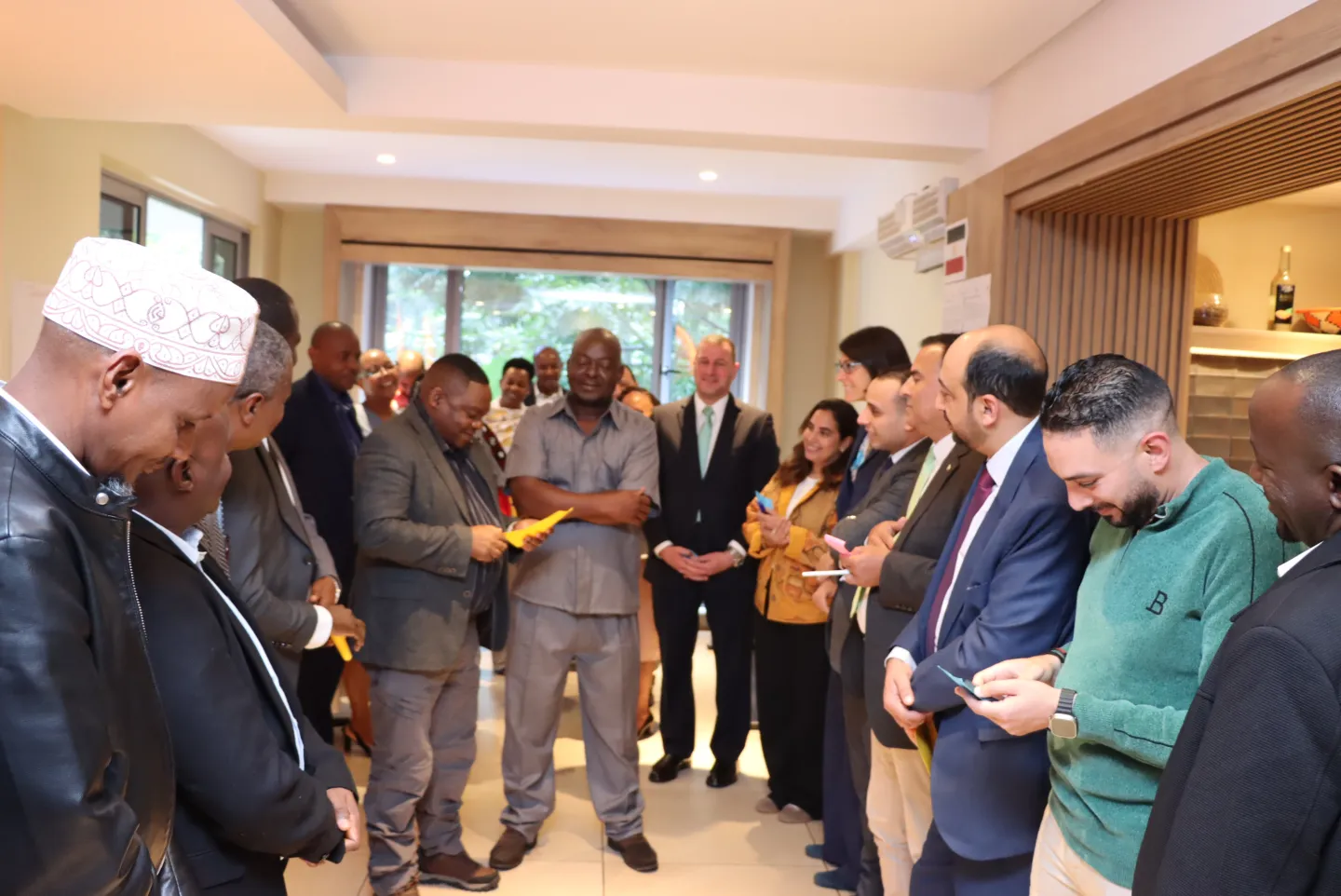
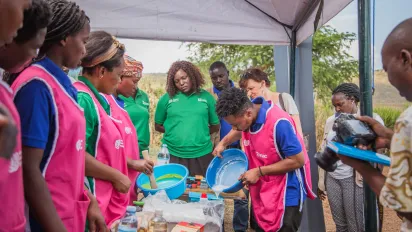
The workshop combined technical sessions on financing, quality assurance, outreach and monitoring with peer learning and a field visit in Kenya, offering practical insights into implementation.
Building sustainable and trusted systems
Across countries, several priorities emerged for building sustainable and credible RPL systems.
Participants highlighted the importance of sustainable financing, emphasizing cost-sharing approaches involving governments, employers and individuals rather than relying solely on donor funding.
“A free RPL system might look successful at first, but it quickly becomes unsustainable,” said Joseph Chirombo, Director of Assessment and Certification Services in Malawi’s Ministry of Labour. “Cost-sharing between government, employers and candidates is the only viable path forward.”
There was strong consensus on the need for greater employer engagement to ensure relevance and trust.
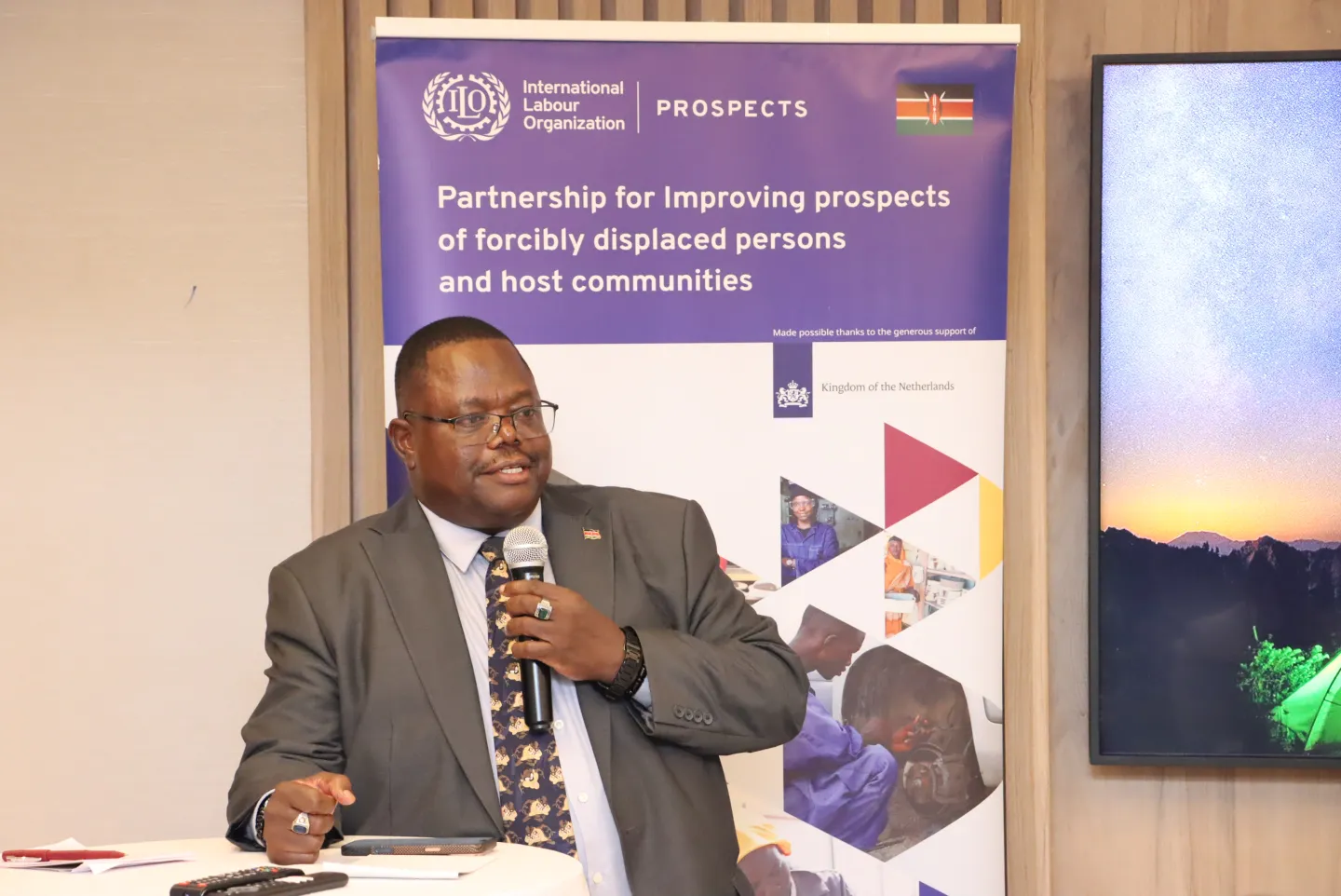
“RPL must be driven by real labour market demand,” said Paul Wanyeki, Deputy Director at Kenya’s TVET Authority. “We should not implement it just because others are doing it, but because there is a clear need in our economy.”
Ensuring quality and credibility was also seen as critical.
“If assessment tools are weak, the certificates will not reflect real competencies—and employers will lose trust in the system,” said Dan, Head of Policy and Research at the Federation of Uganda Employers.
Participants further stressed the importance of aligning RPL systems with national development priorities, such as agriculture transformation, infrastructure and industrial development, to enhance relevance and uptake.
From pilot initiatives to system-wide approaches
While many countries have made progress in piloting RPL, discussions highlighted the need to move towards institutionalized systems supported by national qualifications frameworks, clear governance structures and sustainable financing mechanisms.
Participants also emphasized the importance of data, monitoring and continuous learning to demonstrate impact, improve systems and build trust among stakeholders.
Reflecting on the workshop, Albert Okal, ILO Skills and Lifelong Learning Specialist at DWT/CO-Pretoria, said: “Countries are moving from isolated pilots to building systems. The priority now is to ensure these systems are trusted, properly financed and embedded within national skills and labour market policies.”
At the continental level, the African Union highlighted RPL as a key instrument for advancing skills development under the Continental TVET Strategy and Agenda 2063, particularly in addressing informality and youth employment challenges.

Strengthening collaboration for inclusive labour markets
The Nairobi workshop reinforced the value of cross-country learning and partnerships in advancing inclusive skills systems.
Participants underscored that collaboration with employers, workers’ organizations, civil society and local institutions is essential to reach vulnerable groups, including refugees and workers in the informal economy.
By sharing practical experiences and lessons learned, participating countries are better equipped to design and implement RPL systems that expand access to decent work and support economic inclusion.
The ILO will continue to support countries in scaling up RPL as a key pathway to recognize skills, promote lifelong learning and ensure that no worker is left behind.
Related content
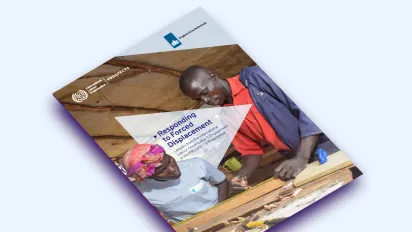
Lessons Learned report
Responding to Forced Displacement - Lessons from the International Labour Organization’s Engagement in the PROSPECTS Programme
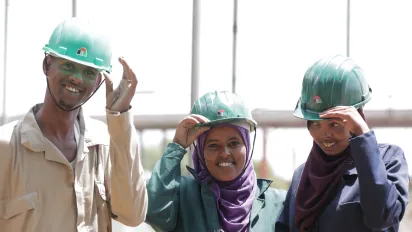
Programme
Partnership for improving prospects for forcibly displaced persons and host communities (PROSPECTS)

Recognition of Prior Learning
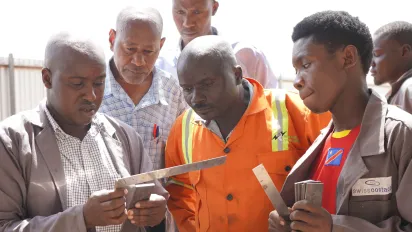
PROSPECTS Impact
Kenya’s Journey to Recognizing Informal Skills: The Making of the Recognition of Prior Learning Policy
Relevant projects
ILO-Netherlands Partnership
Partnership for improving prospects for forcibly displaced persons and host communities (PROSPECTS) in Sudan
ILO-Netherlands Partnership
Partnership for improving prospects for forcibly displaced persons and host communities (PROSPECTS) in Uganda
ILO-Netherlands Partnership
Partnership for improving prospects for forcibly displaced persons and host communities (PROSPECTS) in Egypt

ILO-Netherlands Partnership
Partnership for improving prospects for forcibly displaced persons and host communities (PROSPECTS) in Kenya