

Recognition of Prior Learning
ILO-backed skills recognition opens new career pathways for workers in Bahir Dar, Ethiopia
Recognition of Prior Learning is helping experienced workers at Kobel Industries in Bahir Dar gain formal certification, advance in their careers and improve their incomes, demonstrating how stronger collaboration between skills institutions, industry and trained assessors can turn years of work experience into recognized qualifications.
22 October 2026
Bahir Dar, Ethiopia (ILO News) – Workers at Kobel Industries in Bahir Dar are moving into higher occupational levels, earning better incomes and gaining greater recognition at work after having skills acquired through years of experience formally assessed and certified through Recognition of Prior Learning (RPL).
For some, the progression has been significant. Workers previously unable to advance because they lacked formal qualifications have moved up by as many as five occupational levels, while experienced employees have progressed into team-leader positions.
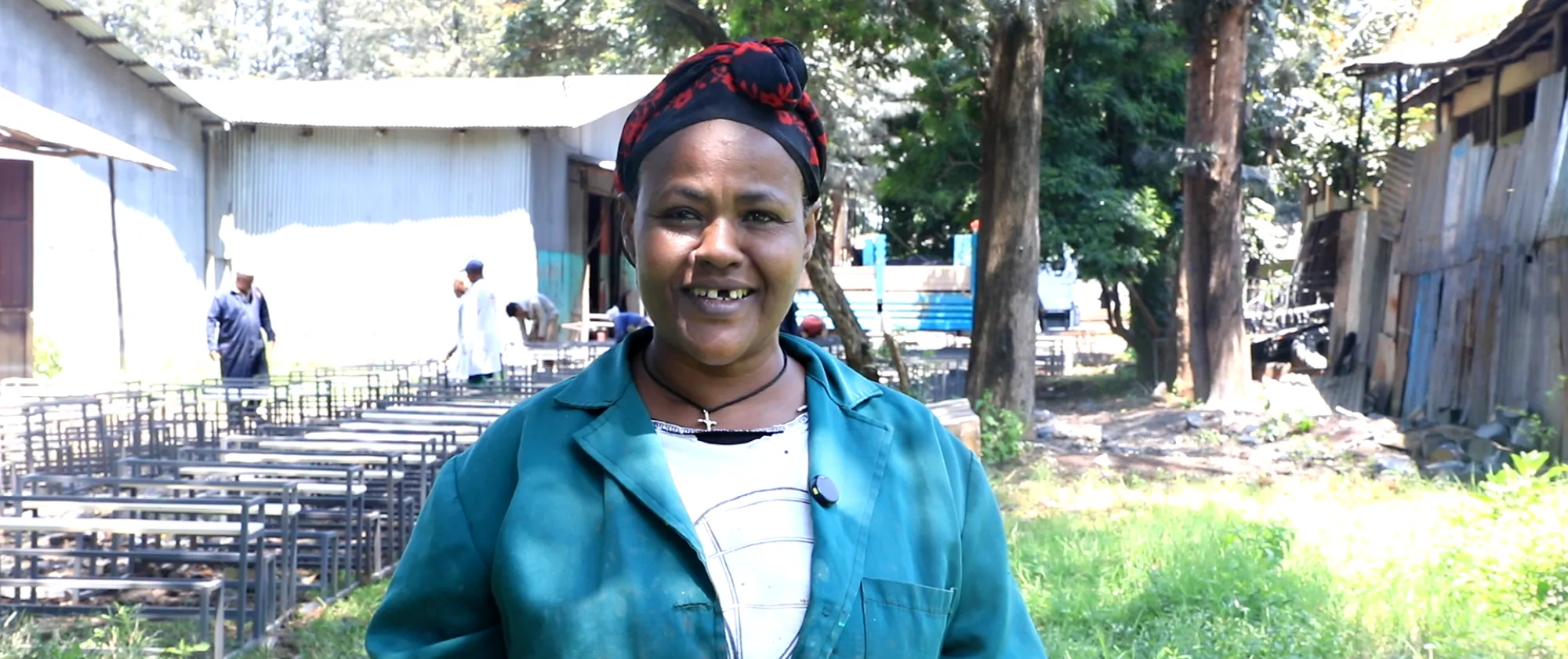
Behind those numbers are workers like Mohammed Yimer. Mohammed works in woodwork, preparing timber for furniture. He had developed his skills through practical experience and knew his trade well. What he did not have was a certificate demonstrating what he could do.
“We were competent and worked very hard, but lacked proper certificates for our skills,” he says.
Without recognized qualifications, Mohammed says, career progression was difficult. RPL provided a way for his existing competencies to be assessed and formally recognized. “Now through RPL assessment, we gained higher positions, salaries and benefit,” he says.
The change has also affected how he feels about his work. “Today thanks to RPL, we work with high motivation, peace of mind and confidence.”
Years of experience, but few formal qualifications
Kobel Industries was established to create employment opportunities for persons with disabilities affected by conflict. The majority of its workforce are persons with disabilities, many with considerable practical experience but little or no formal education.
This meant that workers could be highly competent in their occupations while remaining at lower employment levels because they lacked the formal credentials needed to demonstrate their skills.
Sisay Wedaje, who was certified in metalwork, was among them. “My career growth had stagnated due to lack of formal qualifications,” he says. The RPL process gave him “a huge chance to prove my experience.”
Adena Tebikew, who was certified in woodwork, faced a similar barrier. Without formal documentation, opportunities for promotion were limited and salaries and career levels remained unchanged. After certification through RPL, that began to change.
“Through RPL we got certified, earning better wages and improving our lives,” Adena says.
From Level One to Level Five
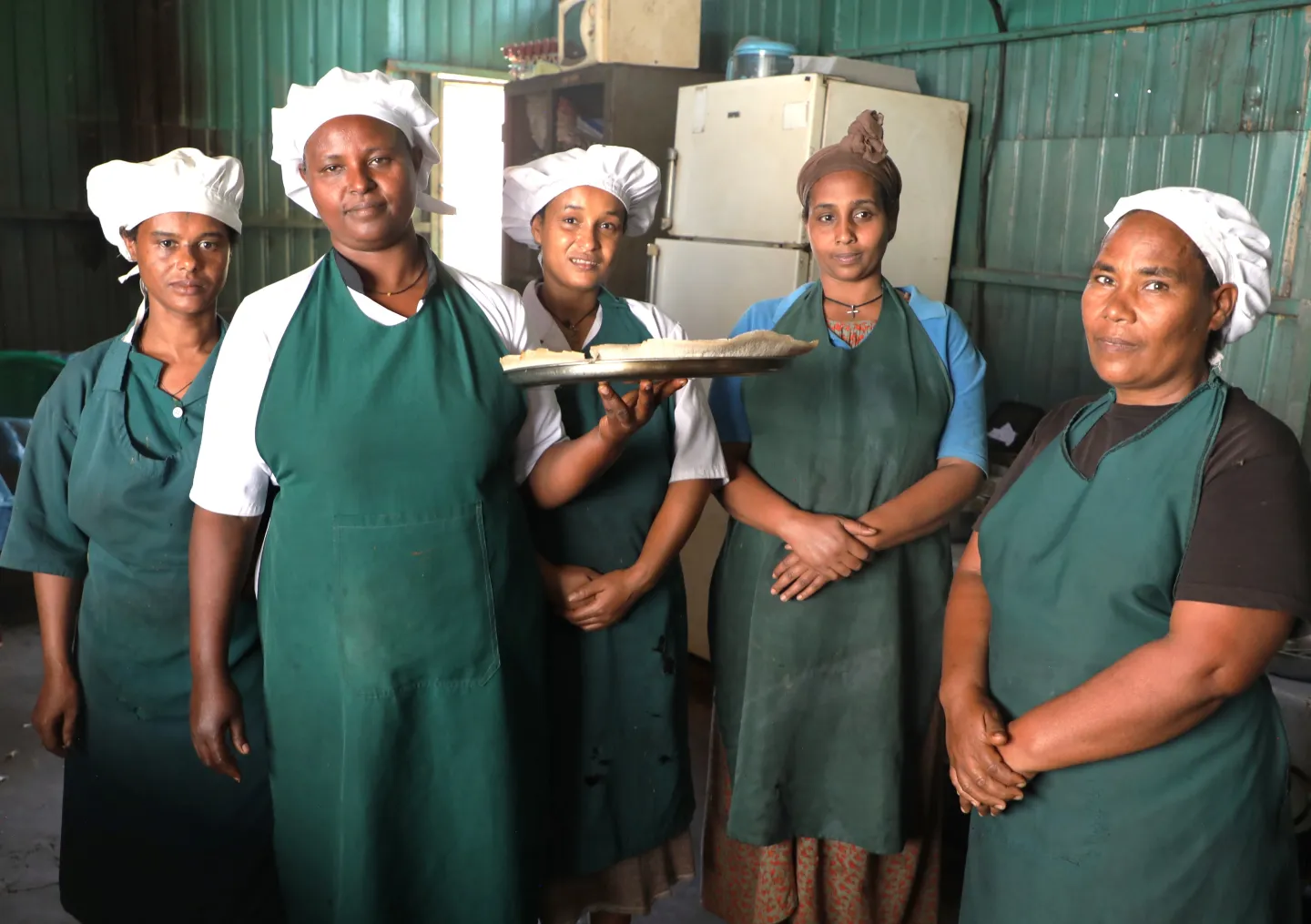
For Asmaru Delie, the impact is easy to quantify. She has worked in food preparation at Kobel Industries for nine years. Through RPL, her existing competencies were assessed and certified. The result was both professional and personal. “This improved my salary and helped me live a better life,” she says.
Asmaru progressed from Level One to Level Five following the RPL assessment. Her experience illustrates the purpose of RPL: to provide a pathway for people to demonstrate competencies they already possess, including skills acquired through work and experience, and have them assessed against recognized standards.
At Kobel, this has allowed workers who had spent years developing their skills to translate that experience into qualifications that can support career progression.
Bringing skills recognition into the workplace
The changes at Kobel followed collaboration with Bahir Dar Polytechnic College (BPTC), which engaged the company to provide workers with access to RPL assessment and certification.
For Kobel Industries, the need was clear. “Our institution is 30 years old, yet most staff are skilled without certificates,” says Haile Tadesse, Business Manager at Kobel Industries.
The lack of formal credentials had created difficulties for both employees and management. Workers could not progress despite their experience, while the company lacked a formal basis for placing and promoting them according to their competencies.
“Collaborating with Bahir Dar Polytechnic College, we opened up pathways for employees stuck in lower levels to get certified through RPL,” Haile says.
Certification allowed Kobel to better align workers’ experience and demonstrated competencies with its employment structure. Some workers advanced by as many as five levels, while staff with 10 to 15 years of experience reached team-leader positions.
According to Haile, the benefits have extended beyond promotions. The exercise has “significantly improved their income” while also boosting workers’ “morale and productivity,” he says.
Strengthening the people behind RPL
The experience at Kobel comes as the International Labour Organization (ILO) works with national and regional partners to strengthen implementation of Ethiopia’s RPL system.
In March 2026, the ILO, through its Global Skills Programme – Ethiopia and with support from the Norwegian Agency for Development Cooperation (Norad), equipped 35 RPL assessors in Bahir Dar with tools and methodologies to support implementation of Ethiopia’s National RPL Framework and Policy.
The assessors came from Technical and Vocational Training colleges and industry across the Amhara region. The training strengthened their capacity to apply competency standards, assess evidence and portfolios, follow certification procedures and conduct RPL assessments using standardized and quality-assured approaches.
This technical capacity is critical to RPL. Assessors are responsible for determining whether competencies acquired through experience meet established occupational standards, making their role central to ensuring that qualifications awarded through RPL are credible and consistent.
Bahir Dar Polytechnic College was among the institutions participating in the ILO-supported capacity building.
BPTC’s engagement with Kobel Industries provides an example of that approach being translated into action, connecting assessment capacity with workers whose skills had previously gone unrecognized.
Recognition that changes more than a certificate
For Ethiopia, RPL provides an important pathway for people whose skills have been acquired outside traditional education and training systems. Effective implementation requires different actors to play complementary roles.
The ILO supports stronger RPL systems and assessor capacity. Institutions such as BPTC take that capacity into implementation. Industry identifies and creates opportunities for skilled workers to participate. Assessors ensure that competencies are evaluated against established standards.
At the centre of that system are workers like Mohammed, Sisay, Adena and Asmaru.
Their certification did not create their skills. They had developed those skills over years of work. What RPL changed was their ability to demonstrate and formally document them.
For these workers, recognition has brought something that was previously difficult to achieve: the opportunity to progress on the strength of the skills they already had.
About Global Skills Programme
ILO’s Global Skills Programme supports countries in building inclusive, demand-driven skills systems. It promotes lifelong learning to help individuals adapt to evolving labour markets. The programme emphasizes social dialogue, equitable access, and quality assurance in skills development. It aligns with the 2030 Agenda for Sustainable Development, aiming to enhance employability and productivity worldwide. The Global Skills Programme is funded by Norway, NoRAD (Norwegian Agency for Development Cooperation).
Related content
Recognition of Prior Learning
ILO equips assessors in Bahir Dar to strengthen Ethiopia’s skills recognition system
Labour Migration in East and Horn of Africa
Ethiopia Successfully Developed RPL Assessment Tools in Prioritised Occupations

ILO Global Skills Programme