

Digital inclusion
ILO and partners bring industry-recognized digital skills certifications for Kenya’s youth
Bridging the gap between training and employment, Kenya’s first Recognition of Prior Learning (RPL) for digital skills graduates received industry-recognized certifications with support from the ILO PROSPECTS Partnership.
19 February 2025
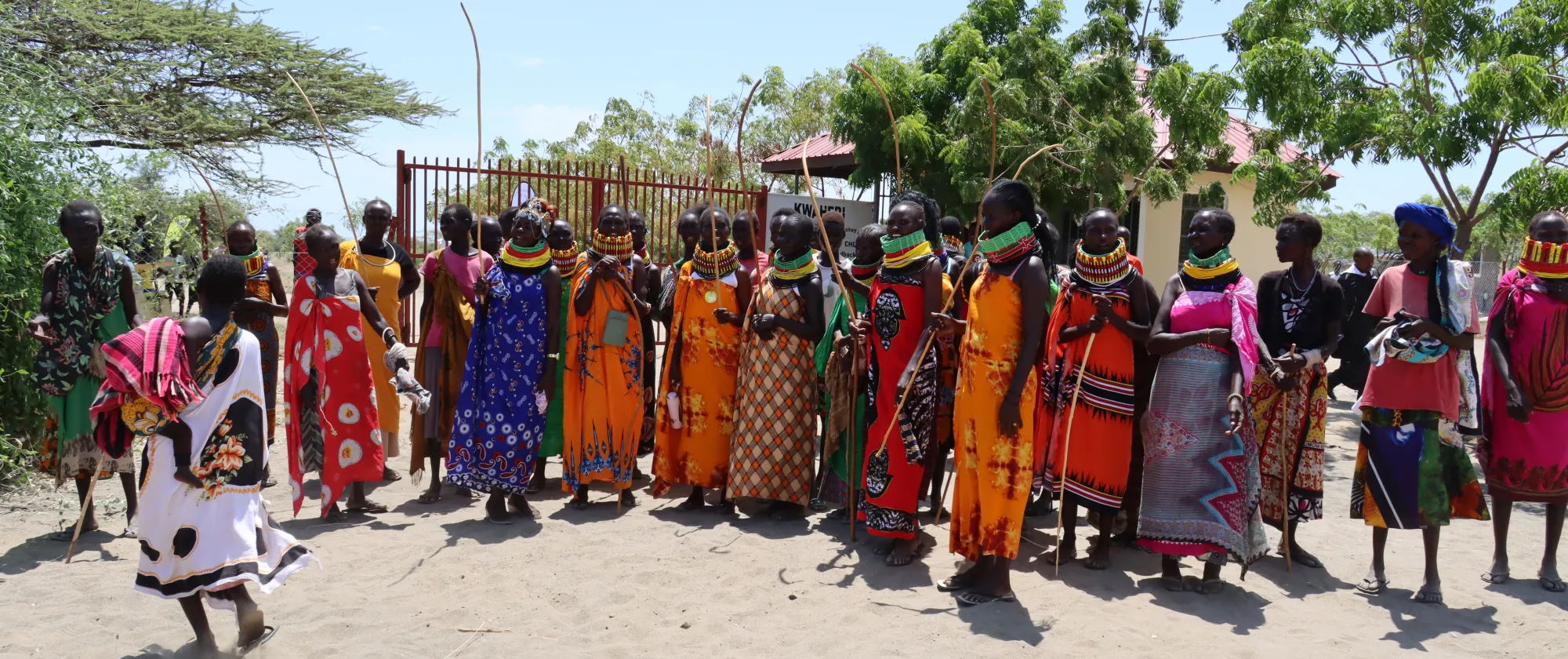
Kakuma, KENYA (ILO News) Kenya’s first cohort of Recognition of Prior Learning (RPL) graduates in digital skills is now equipped with market-driven certifications, unlocking new career opportunities in the digital economy. This milestone, achieved through the International Labour Organization’s (ILO) PROSPECTS Partnership and funded by the Kingdom of the Netherlands, has empowered young people from refugee and host communities to transition into formal employment and entrepreneurship.
The success of this initiative was made possible through strategic collaboration between ILO, Learning Lions, Eldoret National Polytechnic—a Qualification Awarding Institution (QAI)—and the Technical and Vocational Education and Training Authority (TVETA), ensuring skills accreditation aligned with industry standards.
Aligning Digital Skills with Job Market
To identify and address the mismatch between available training and employment opportunities, the ILO conducted a comprehensive market assessment evaluating the supply and demand of digital jobs. Despite the presence of numerous skills providers, the transition to employment remained minimal due to the absence of market-driven approaches.
Stephen Mwangi, ILO PROSPECTS National Project Coordinator, Digital Economy explained, “Despite the presence of numerous digital skills providers, the transition to jobs was limited because of the lack of market-driven curricula. ILO’s partners re-engineered a digital curriculum and supported the accreditation of trainees to align their skills with industry needs.”
The curriculum focused on creative computer design and web development, ensuring trainees acquired internationally recognised certifications that meet current industry standards.
RPL assessment for digital skills
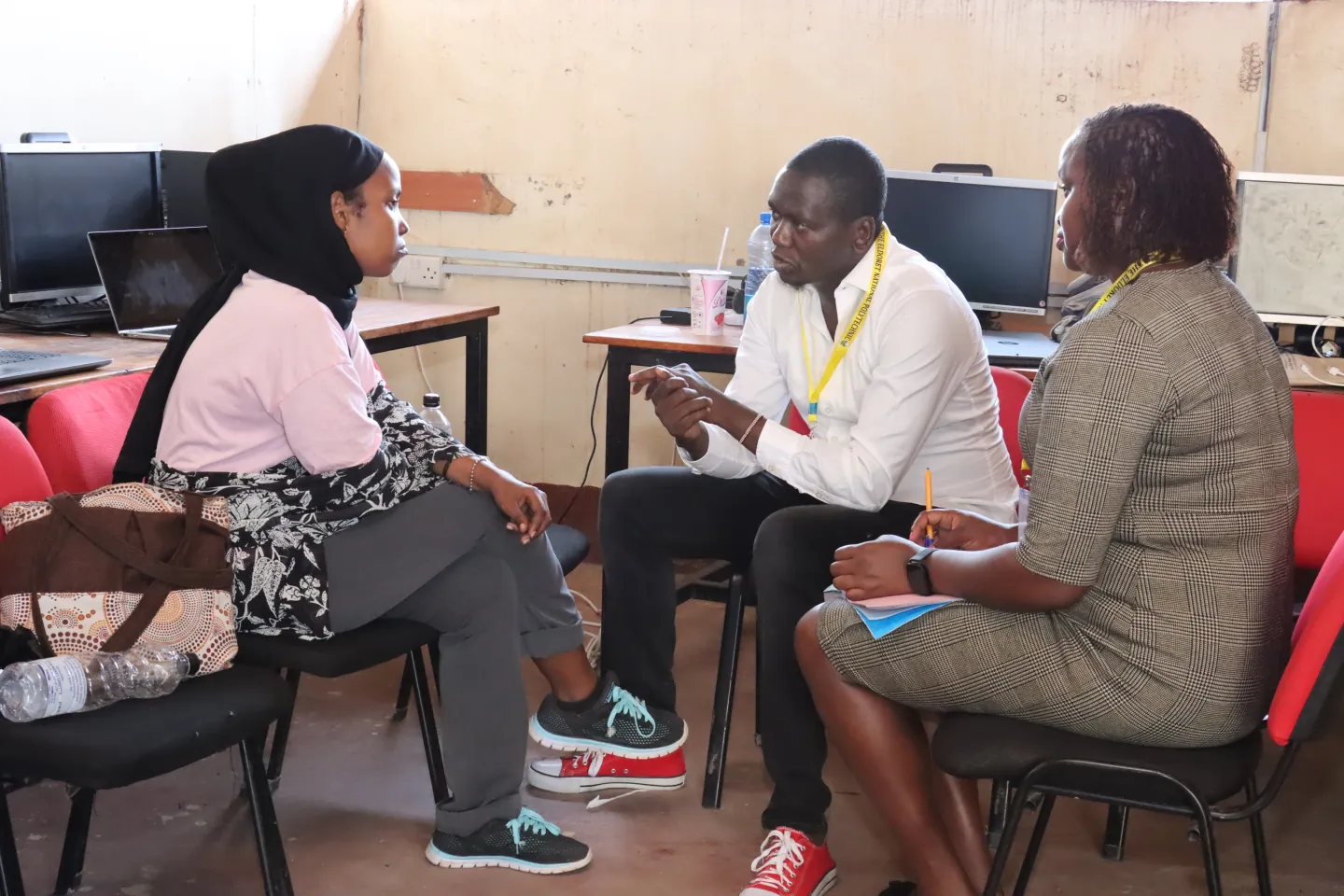
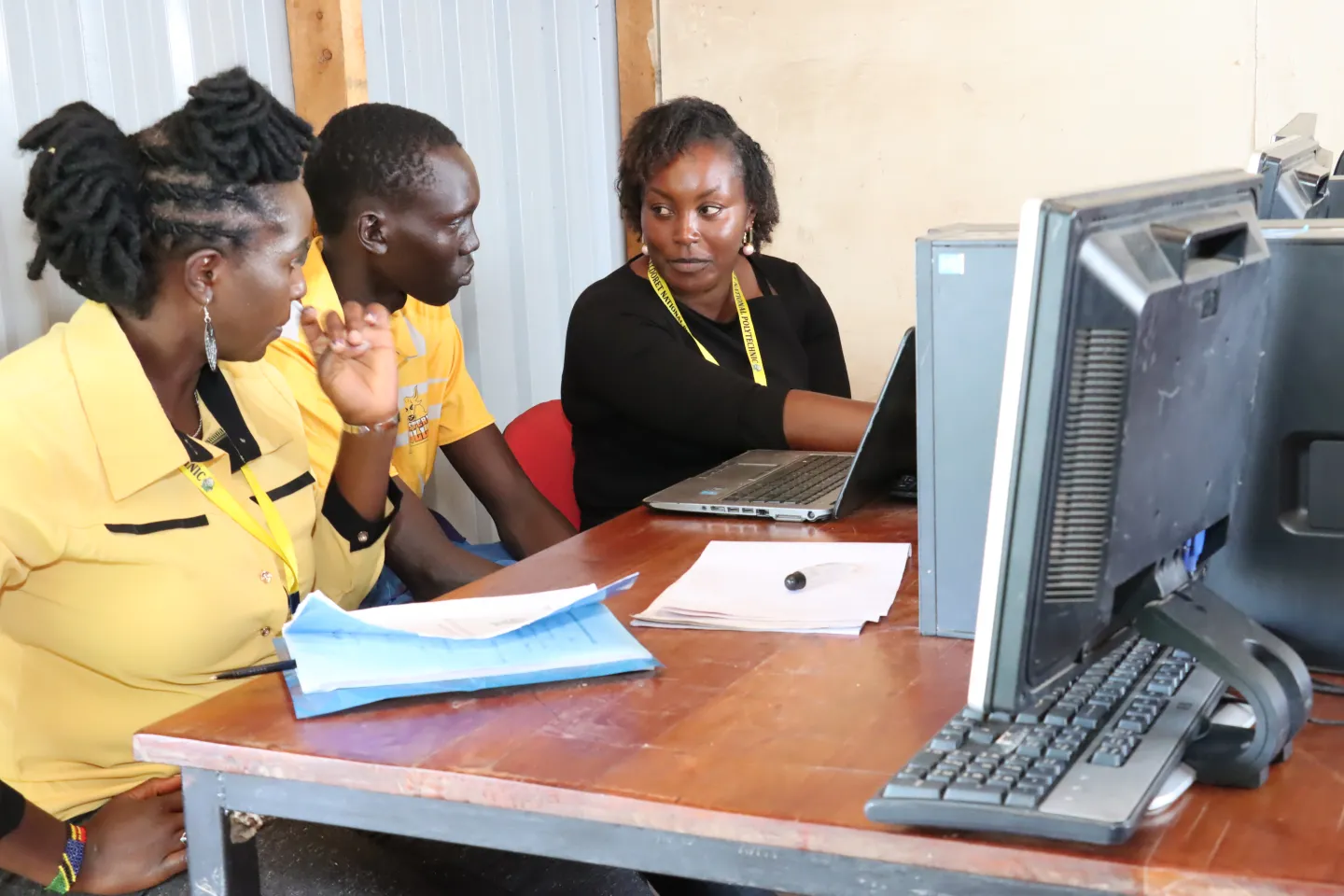
RPL assessments for Web Development and Creative Computer Design were conducted in Kakuma and Loropio towns, supported by Don Bosco Technical Institute and Learning Lions. The process included development and approval of Competency Based Education and Training (CBET) curriculum and occupational standards for these two occupations with the support of TVETA. It also led to the development of standardized RPL assessment tools and trained assessors on using them. They were enabled to screen the portfolios of RPL candidates, which identified skills gaps, and provided comprehensive RPL assessments.
“We ensured that the RPL process was robust and aligned with occupational standards. This collaboration has not only certified the skills of Web Development and Creative Computer Design trainees but also set a foundation for sustainable digital education beyond the project’s duration,” said James Mwangi, Deputy Principal-Academics at Eldoret National Polytechnic.
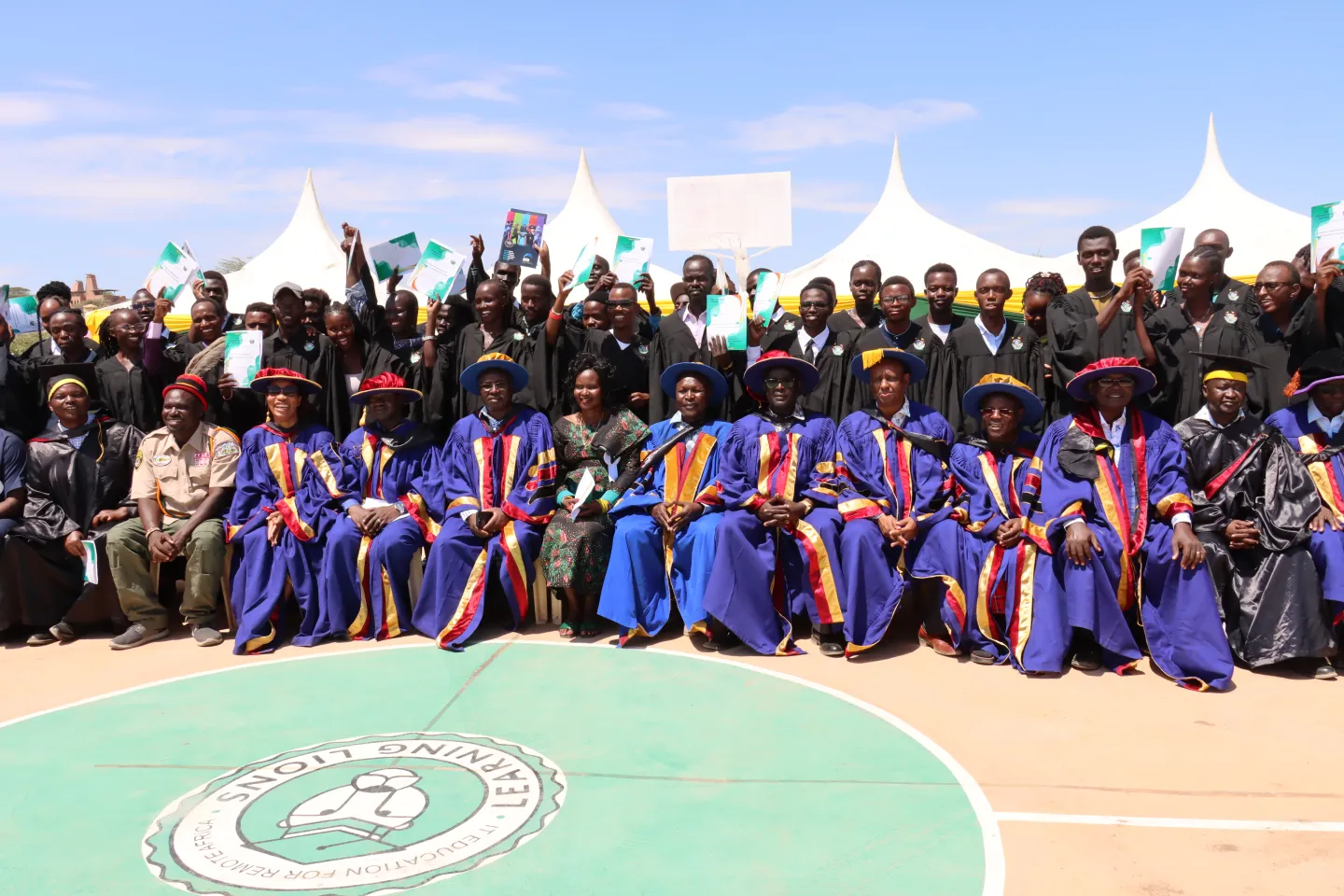
Between August 2023 to September 2024, the two-week long RPL assessments evaluated 44 candidates (15 females and 29 males) in Kakuma, including 20 refugees. Meanwhile, 55 candidates (15 females and 40 males) were assessed in Loropio, supported by Learning Lions. This effort culminated in the awarding of certificates to 70 candidates at a graduation ceremony held at Learning Lions ground in Loropio on 24 October 2024.
Celebrating graduates and their achievements
The programme’s impact is evident in the achievements of its graduates. Among them is Jesca Akiru, a 24-year-old graphic designer and web developer from Kenya. “Since completing the RPL programme, I have worked for ten clients, both locally and internationally,” she said. “The certification has opened doors to new opportunities, and I’m excited about the future.”
We had taken many exams before, but without government recognition. RPL changed that. I now want to be a freelancer—my own boss. Not begging for the jobs. I can only do all my things utilizing the Internet in good ways.
Kambale Kibbeo Disai, Refugee from DR Congo in Kenya
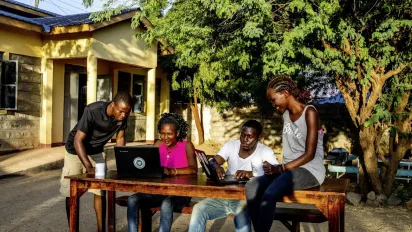
Joseph Ekitale, had joined Learning Lions through ILO supported scholarship programme as a trainee of Mobile Leap, a first level digital training package. It uses mobile devices in equipping learners with foundational and advanced digital skills, career development, financial literacy, and entrepreneurship, covering areas like digital technology, office tools, programming, design, digital media, and social media marketing. Ekitale later ventured into graphic design at Learning Lion’s business boot camp, where learners specialize in either web development, graphic design or animation. Now, over last three years, Ekitale has learned to design several products, such as posters for clients and is also a trainer and mentor at the Learning Lions.
“I decided to venture into different digital skills. I opted for 3D animation. I can use various software in 3D animation filming and have developed several games. I am motivated when I see my friends watching games I have developed,” explains Ekitale.

Sustaining success through accreditation
“The RPL process equips individuals with certified market-driven digital skills,” said Brizan Were, Co-Founder and Director of Learning Lions. ‘Beyond certification, it empowers them to become job creators. The overwhelming interest, with over 700 applicants for limited slots, demonstrates the demand for certified digital skills. Our ongoing partnership with Eldoret National Polytechnic ensures that this programme remains sustainable and continues to support more trainees in the future.”
Fred Oanda, Director of Accreditation and Outreach Services at TVETA, adds, ‘Recognition of Prior Learning is essential in validating the competencies of individuals who have acquired skills through various non-formal and informal avenues. At TVETA, we ensure that the RPL process adheres to national and international standards, providing certified qualifications that enable individuals to transition from informality to formality and secure better employment opportunities.’
The first digital skills graduation through the RPL Programme in Kenya stands as a testament to the power of strategic partnerships and market-driven approaches in empowering youth with the skills needed for the digital economy. The PROSPECTS Programme not only bridges the gap between training and employment but also fosters sustainable digital education and employment opportunities for Kenya’s youth in the refugee and host communities.
Related content
Promotion, inclusion and protection of refugees and host communities in the digital and gig economy
New tools promote women and refugee inclusion in Kenya’s digital economy

ILO Publication
Embracing digital in Kenya

Regional Forum
Driving an Inclusive and Productive Digital Transformation for Decent Work
Relevant projects

ILO-Netherlands Partnership
Partnership for improving prospects for forcibly displaced persons and host communities (PROSPECTS) in Kenya
Programme
Partnership for improving prospects for forcibly displaced persons and host communities (PROSPECTS)