

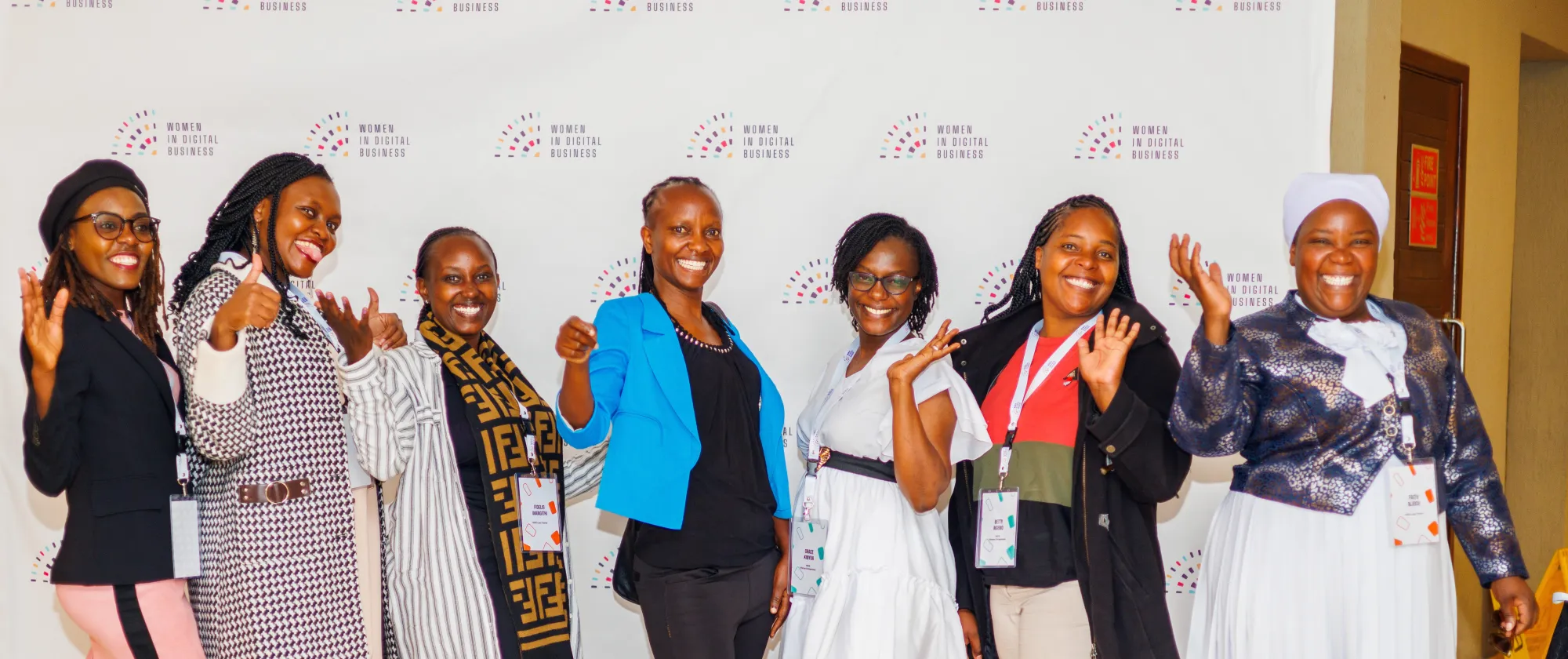
New tools promote women and refugee inclusion in Kenya’s digital economy
Digital tools by ILO PROSPECTS to support freelancers, digital entrepreneurs and small businesses were launched during a high-level event in Kenya organized by ITCILO and Microsoft Philanthropies.
4 February 2025
Nairobi (ILO News) – On 19 November 2024, a high-level event organized by the International Labour Organization (ILO) shed light on the Women in Digital Business initiative and new tools developed by the ILO PROSPECTS Partnership supporting Kenya’s digital transformation. Stakeholders from government, social partners, women entrepreneurs’ associations, international organizations and donors participated to discuss strategic support enabling women to access opportunities in the digital economy.
Tackling the digital gender gap
Kenya is emerging as a regional leader in digital innovation, marked by advancements in mobile financial services like M-Pesa and its top ranking in the 2023 Eastern Africa Youth Digital Readiness Index. Despite these, a significant digital gender gap continues to hinder women from fully participating in the digital economy as workers, entrepreneurs or freelancers.
Challenges such as limited access to reliable internet, lower levels of digital literacy, and a lack of targeted support disproportionately affect women. For those among displaced populations and in refugee-hosting regions, these challenges are compounded by inadequate infrastructure, restricted mobility and limited access to essential online services, including digital financial tools and digital skills training programmes.
“Boosting women’s economic resilience creates a ripple effect for resilient societies. When women thrive, families, communities and nations prosper,”
Geoffrey Maumo, representative of the Federation of Kenya Employers
Advancing gender equality in Kenya’s digital transformation is critical for sustainable and equitable growth. Labour Commissioner Hellen Apiyo reaffirmed the country’s commitment to inclusive, non-discriminatory employment practices aligned with ILO conventions. “Equal pay, equal access to decent work conditions and opportunities, and robust data protection that fosters trust in the digital economy are all critical to ensure women are not left behind,” she stated.
Bruno Otiato from the Central Organization of Trade Unions in Kenya also echoed these sentiments, highlighting the need for stronger representation of women in collective bargaining processes to safeguard their interests amidst the digitalization of the world of work.
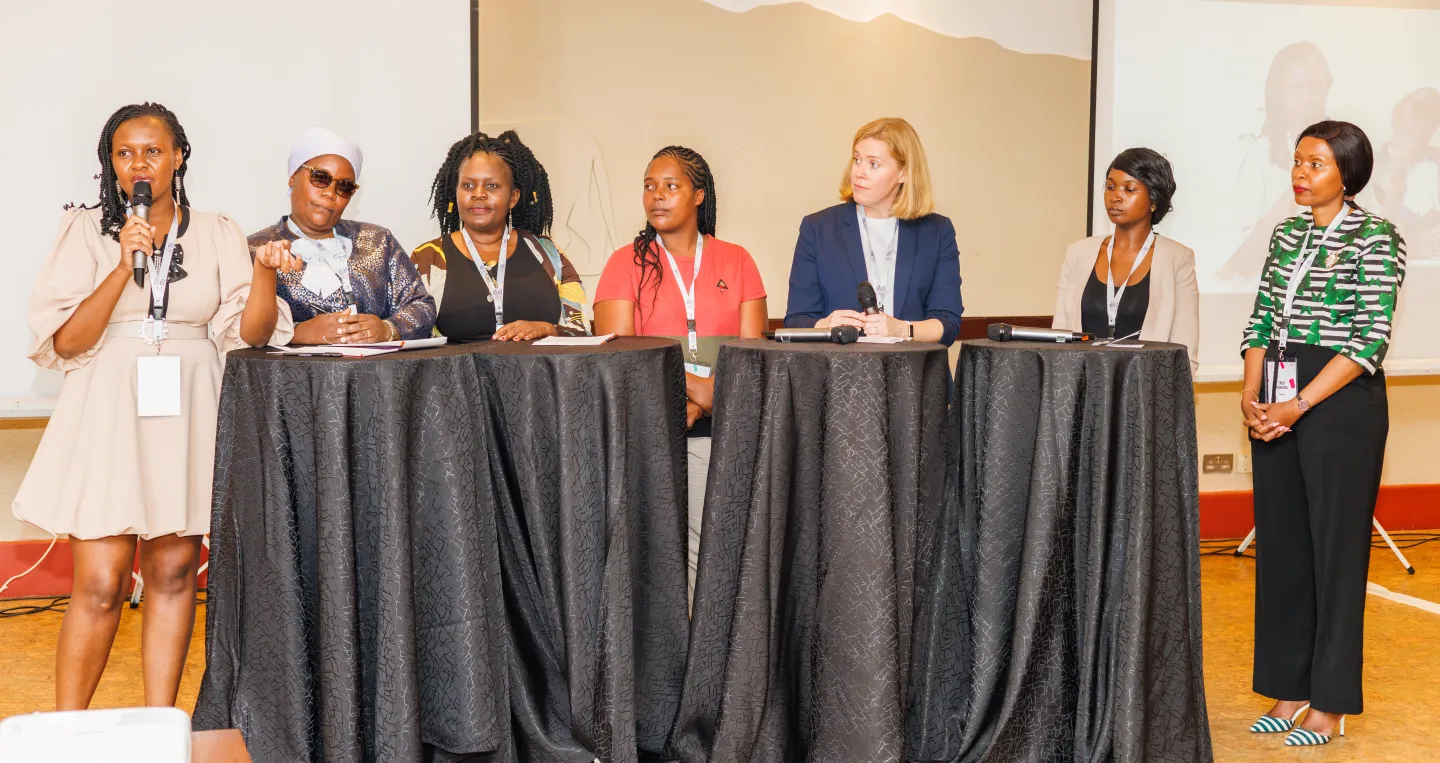
Women in Digital Business (WIDB) initiative in Kenya
To help close the digital gender gap, the International Training Centre of the ILO (ITCILO) and Microsoft Philanthropies developed the Women in Digital Business (WIDB) programme. This global initiative equips women entrepreneurs with essential digital and entrepreneurial skills to navigate and succeed in an evolving economy driven by artificial intelligence (AI).
“AI can drive innovation and augment the capacity of small and medium enterprises. However, to harness its potential, we must first localize it for Africa by training models with African data and languages,” explained Winnie Karanu, Microsoft’s AI National Skills Director.
The WIDB initiative has gained exceptional momentum in Kenya, training 660 trainers who have, in turn, reached 7,951 women entrepreneurs as of October 2024. These efforts align with Microsoft’s larger goal of equipping 1 million Kenyans with digital skills through initiatives like digital hubs and Technical and Vocational Education and Training (TVET) institutions. “The ILO and ITCILO are ideal partners in building a more inclusive digital economy,” remarked Kate Barnes, Director of Global Skills Partnerships at Microsoft Philanthropies.
Supporting Kenya’s digital transformation: new approaches and tools
“To truly empower women, we must invest in targeted tools, policies, and partnerships. Women-led businesses play a crucial role by creating jobs, supporting families, and providing essential goods and services, particularly for underserved and marginalized communities."
Lilian Obiye, Policy Officer at the Embassy of the Kingdom of the Netherlands in Kenya
Inclusive policies, public-private partnerships, and investments in digital tools are essential to creating decent work opportunities and ensuring no one is left behind in Kenya's digital transition. During the event, Obiye launched two new tools developed under the PROSPECTS Opportunity Fund project Promotion, inclusion and protection of refugees and host communities in the gig economy.
- Embracing Digital in Kenya: Based on the Digitalize your Business training of the ILO, this guide offers practical knowledge and real-world examples of how digital tools can be used to support freelancers, digital entrepreneurs and small business owners.
- Exploring the Gig Economy video series: A collection of eight videos designed for those interested in gig and platform work. Featuring stories of young people from diverse backgrounds, including refugees, the series sheds light on the opportunities and challenges of this rapidly growing sector.
Moreover, highlighting the ILO’s systemic approach to empowering women entrepreneurs, Caroline Njuki, PROSPECTS Kenya Chief Technical Advisor, announced a significant milestone: a Memorandum of Understanding between the ILO and the Women Enterprise Fund Kenya. “This partnership seeks to enhance financial support for women entrepreneurs, exploring new avenues to facilitate credit subsidies, new investments and market linkages that enable them to grow their businesses and achieve greater economic independence,” she explained.
Looking ahead, the WIDB and PROSPECTS Partnership will pursue joint and complementary actions to strengthen the support ecosystem for women entrepreneurs in the country.
***
This event was supported by ILO PROSPECTS Kenya and the Opportunity Fund “Promotion, inclusion and protection of refugees and host communities in the gig economy,” funded by the Kingdom of the Netherlands.