


CLEAR Supply Chains Project
Honduras' coffee sector strengthens its capacity to implement due diligence and prevent child labour
2 March 2026
El Proyecto CLEAR Supply Chains liderado por la OIT está empoderando a empresas y cooperativas del sector café de Honduras para prevenir el trabajo infantil con estrategias concretas a implementar a lo largo de la cadena de suministro.

Tegucigalpa, HONDURAS (ILO news) – As part of the CLEAR Supply Chains Project: “Ending Child Labour in Supply Chains,” the International Labour Organization (ILO) and the International Trade Centre (ITC) held a workshop in 2025 on Corporate Due Diligence to Prevent Child Labour in the Coffee Supply Chain. This event brought together export companies, cooperatives, and business organizations from the Honduran coffee sector to analyze risks, share experiences, and develop concrete proposals to strengthen responsible corporate policies in their operations.
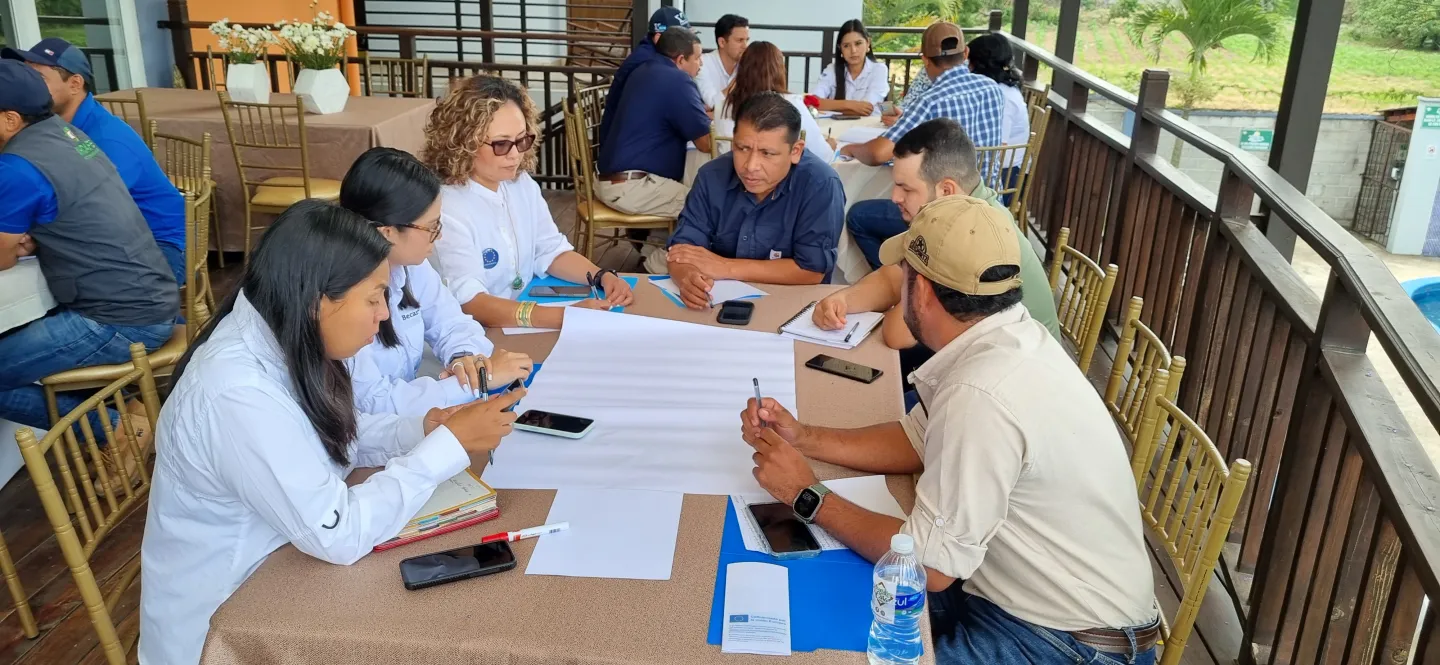
Through in-person and virtual sessions, participants delved into fundamental concepts of due diligence, as well as the main international frameworks, current national legislation, and various practical tools aimed at preventing and addressing child labour in the supply chain. The methodology allowed organizations to reflect on the causes that perpetuate this problem, evaluate their current practices, and design actions that incorporate due diligence as an essential component of their business management.
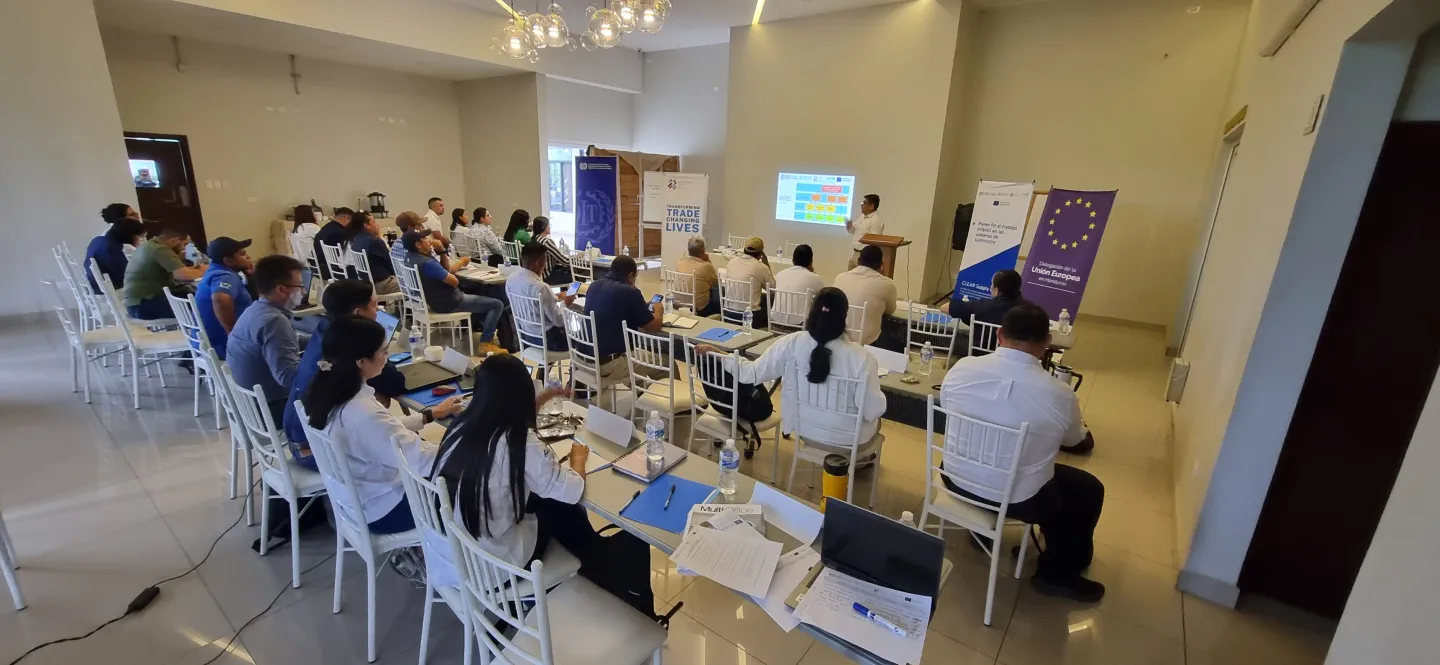
The workshop demonstrated a palpable commitment on the part of stakeholders in the sector. Many of the participating organizations reaffirmed their intention to implement due diligence processes aligned with international standards and took on the challenge of moving toward more robust and sustainable practices. Some of them have already begun internal reviews of their management tools, while others have approved updates to specific policies and plans related to the prevention of child labour. At the same time, the need to involve new organizations that did not participate in this initial phase was identified, in order to ensure that the effort is expanded and has a more representative reach within the coffee chain.
By the end of 2025, four member companies of the Platform Against Child Labour—Molinos de Honduras–Volcafe, Louis Dreyfus Company, OFI/Olam, and Fundación Cohonducafé–Nestlé—together with the COHORSIL cooperative, had adopted or strengthened due diligence measures on child labour, marking significant progress toward more responsible supply chains.
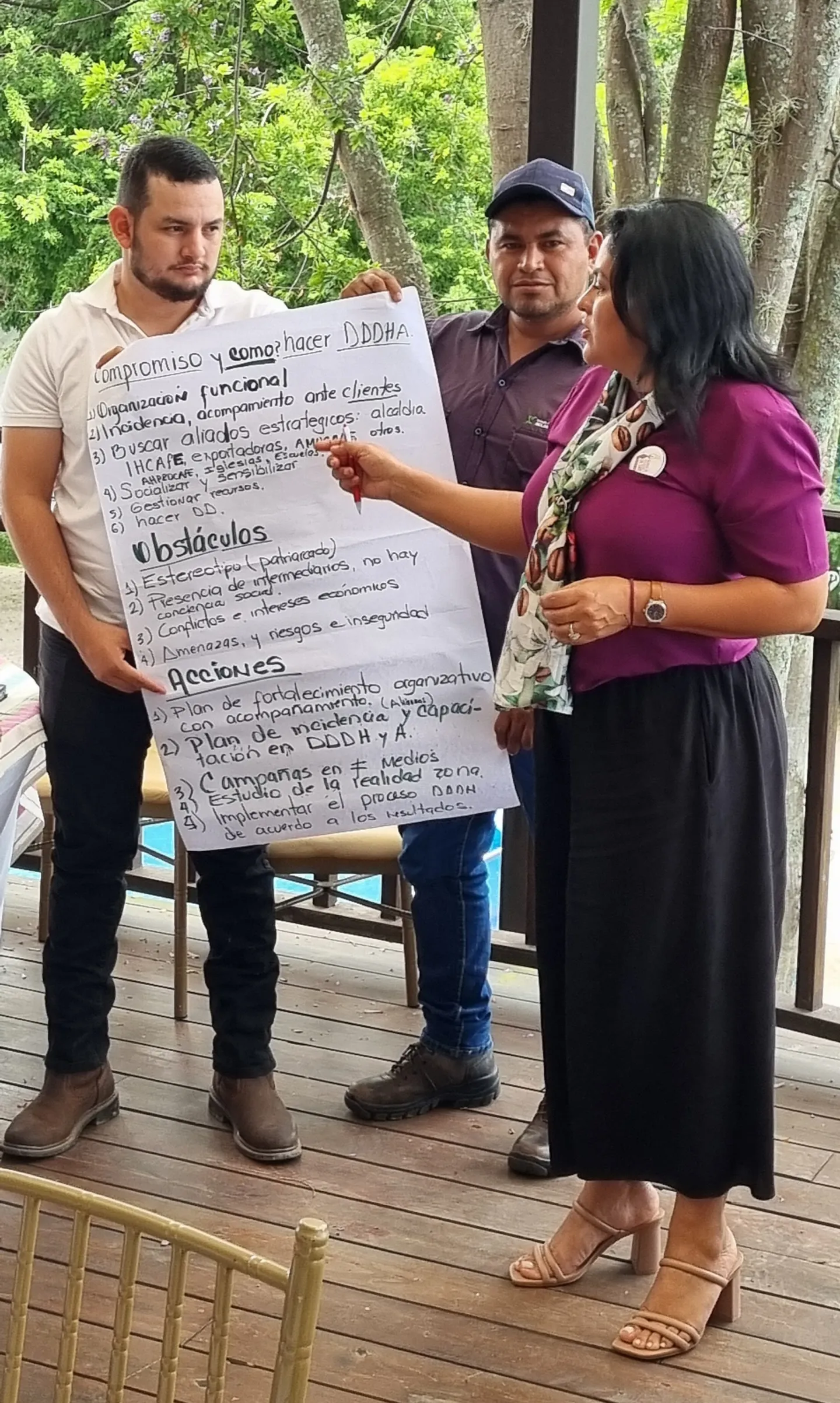
The progress made opens up a unique opportunity to consolidate the sustainability of the process through active leadership from senior management. By strengthening the technical capacities of organizations and adapting guidelines to the Honduran coffee context, the sector can integrate due diligence in a practical and effective manner. With the support of international organizations and clear monitoring mechanisms, it will be possible to accelerate learning, replicate good practices, and ensure continuous improvement. This collective momentum promotes a committed, responsible, and results-oriented business culture.
The road ahead presents an opportunity for progressive improvement, supported by dialogue, training, and alignment with international standards. Harmonizing business indicators with public policy against child labour will strengthen coordination with the government and maximize impact. With their own monitoring and evaluation systems, organizations will be able to demonstrate concrete results and scale up their achievements. Identifying and highlighting leading companies will serve as a guide and inspiration, showing that due diligence is viable, strategic, and beneficial for the entire supply chain.
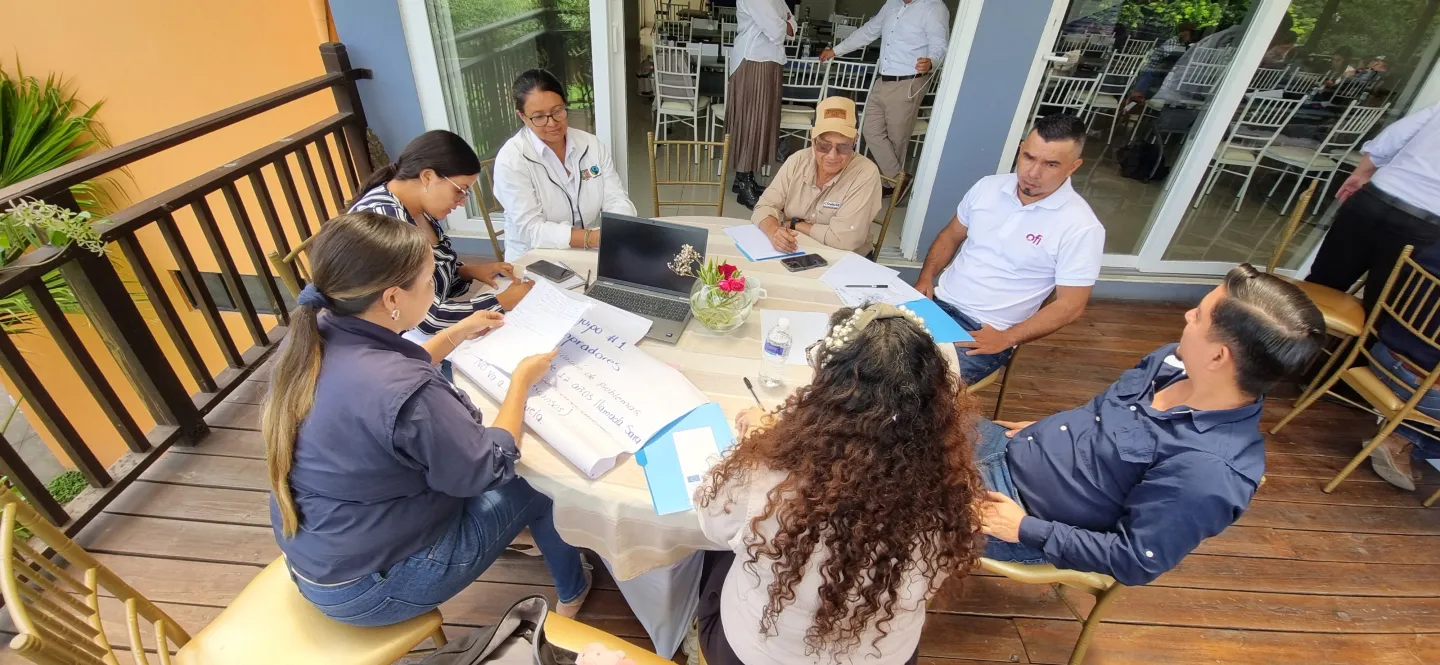
The work carried out within the framework of the CLEAR Project reflects a path that will continue throughout 2026. The active participation of the coffee sector and the commitment expressed by business organizations demonstrate that there is a real opportunity to consolidate significant and lasting changes. As more actors join and partnerships with the public sector and international organizations are strengthened, the coffee supply chain in Honduras will move toward a more responsible, humane, and child labour-free model.
For more information about the CLEAR Supply Chains Project in Honduras, visit the ILO CLEAR Supply Chains project page.
Related content

Child labour
CLEAR Supply Chains: Ending child labour in supply chains
Relevant projects
Child labour
CLEAR Supply Chains: Ending child labour in supply chains