


The Government of Mali and Japan, through the ILO, launch a project to combat child labour in Ségou
Funded by the Government of Japan and implemented by the ILO in partnership with the Sasakawa Africa Association, the project aims to strengthen the economic resilience of vulnerable cotton-farming households and promote sustainable agricultural practices that respect children's rights.
18 June 2026
BAMAKO (ILO News) – The Ministry of Labour, Public Service and Social Dialogue hosted the official launch ceremony of the project “Eradicating Child Labour and Promoting the Economic Resilience of Communities in the Ségou Region of Mali.” The project is funded by the Government of Japan and implemented by the International Labour Organization (ILO) in partnership with the Sasakawa Africa Association.
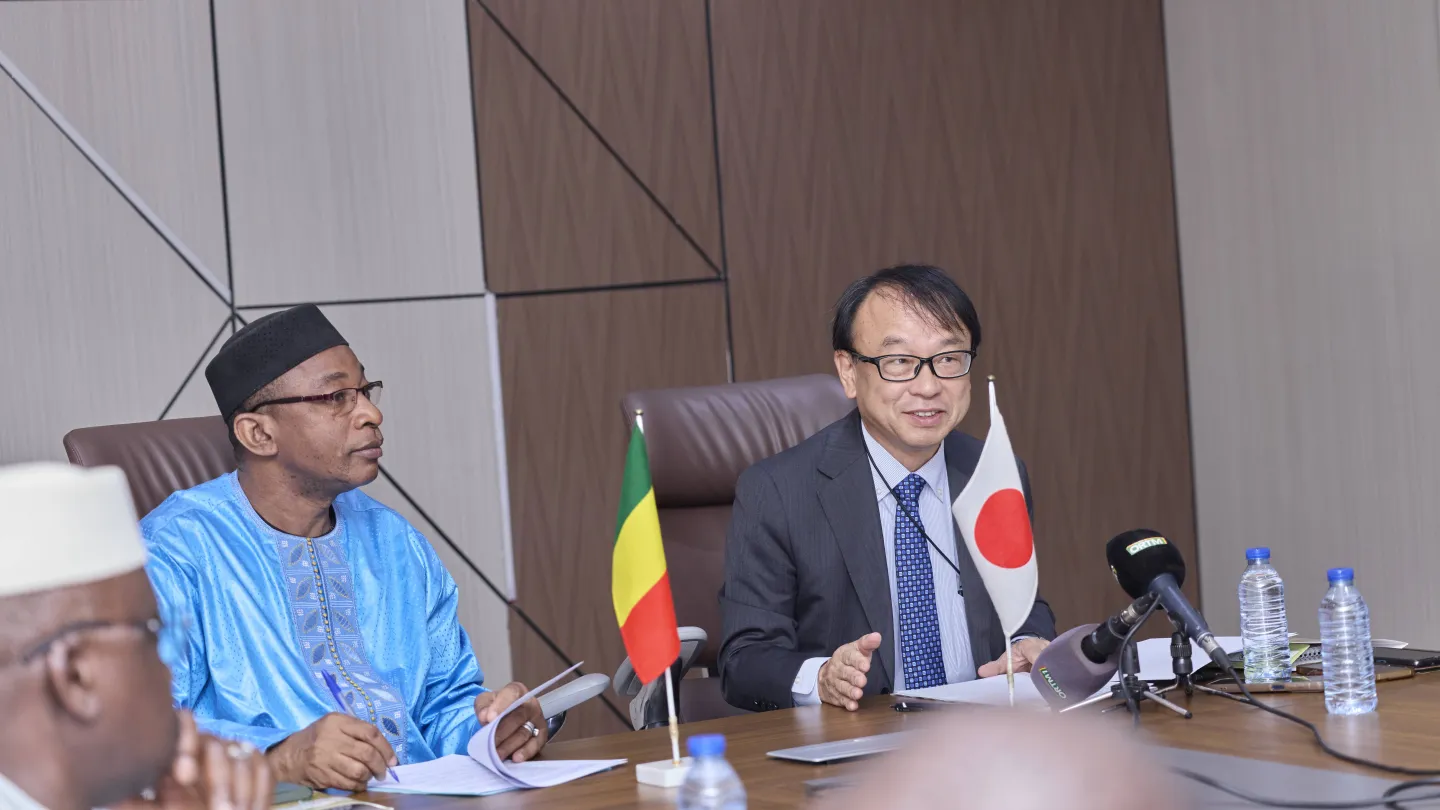
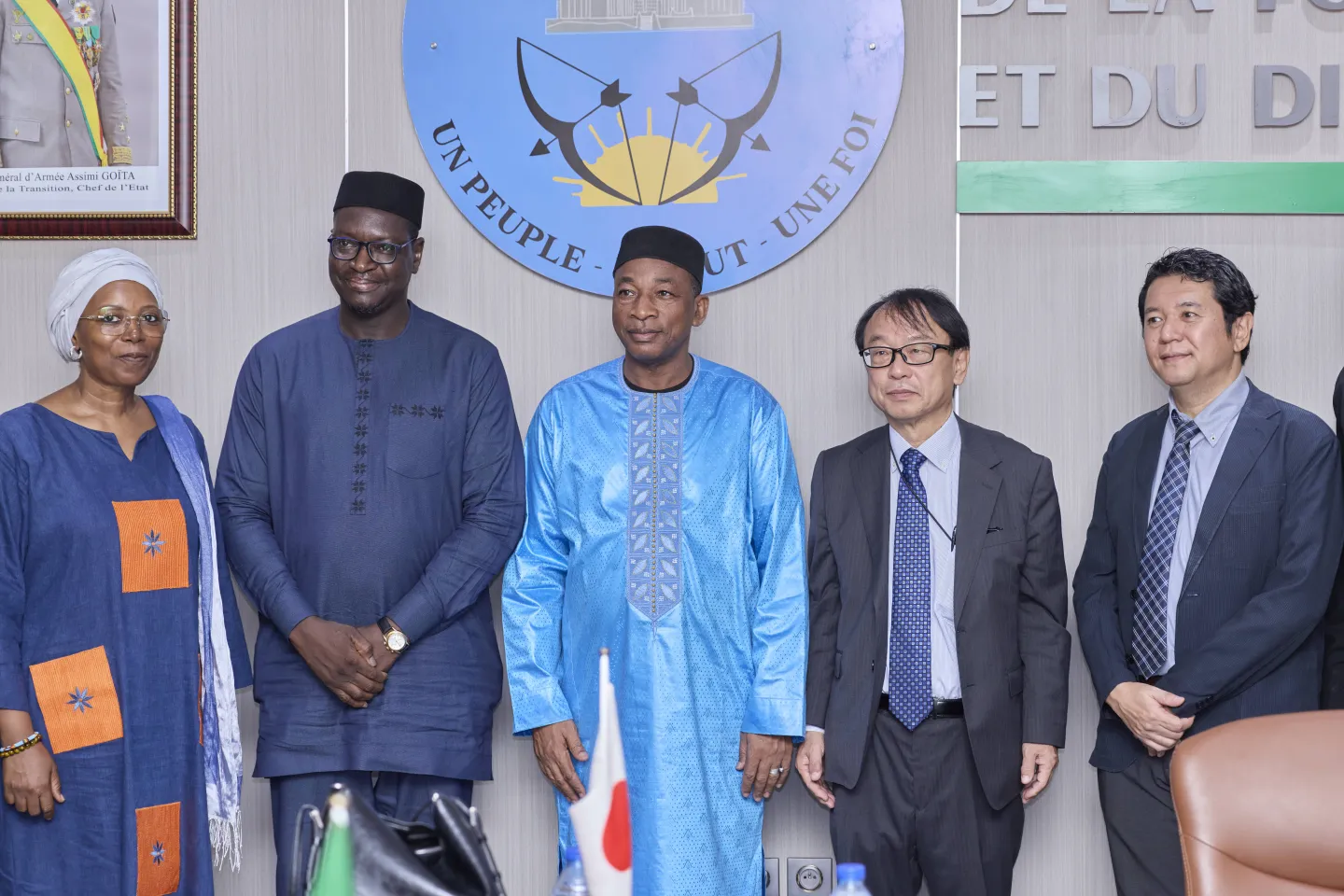
The ceremony brought together representatives of the Government of Mali, the Embassy of Japan, social partners, producer organizations, and stakeholders engaged in the fight against child labour and the promotion of decent work.
The cotton sector plays a strategic role in Mali’s economy and is a vital source of income for thousands of rural families. Despite its economic and social importance, it continues to face several major challenges, including the persistence of child labour in certain agricultural value chains.
For many years, efforts have been undertaken in collaboration with national authorities, as well as employers’ and workers’ organizations, to strengthen the legal framework, support public policies, promote social dialogue, and improve understanding of the child labour phenomenon.
The sustainable elimination of child labour requires a comprehensive approach that addresses its root causes. These include household poverty, low incomes among farming families, limited access to social protection and quality education, and a lack of economic opportunities for young people and adults. Against this backdrop, interventions are designed to strengthen the resilience of rural communities while promoting decent working conditions and inclusive economic development.
To sustainably reduce child labour, we must address the economic and social conditions that lead to it.
Minoru Ogasawara, Chief Technical Adviser, ILO
The project, launched on 16 June 2026, is specifically designed to address these challenges through an integrated approach that combines improved livelihoods, enhanced agricultural productivity, reduced labour intensity, collective producer organization, and the prevention of child labour.
Planned interventions will focus in particular on improving agricultural practices, promoting climate-resilient techniques, introducing light mechanization equipment, facilitating access to appropriate agricultural inputs, strengthening agricultural cooperatives, and improving market access.
The ILO also emphasized that the initiative aims to serve as a model intervention, demonstrating that the fight against child labour can be closely linked to the promotion of decent work, increased agricultural productivity, and strengthened economic resilience among rural families.
For his part, the Ambassador of Japan reaffirmed the Japanese Government’s longstanding commitment to inclusive development and the protection of children’s rights in Mali. He noted that this financial contribution reflects Japan’s determination to support national efforts to eliminate child labour through the sustainable improvement of livelihoods for the most vulnerable populations.
The implementation of this project will strengthen the capacities of cotton-growing households to adopt resilient production practices that respect children’s rights, while also facilitating access to markets.
H.E. Yukuo Murata, Ambassador of Japan to Mali
The presentation also highlighted the importance of the partnership between the ILO and the Sasakawa Africa Association, whose recognized expertise in farmer training, productivity enhancement, and the promotion of sustainable agricultural practices is a major asset for the project’s success.
Discussions also highlighted the project’s efforts to promote the use of STEIN technology, developed by the Japanese company SPEC, in rural infrastructure works. Participants were informed of an upcoming roundtable dedicated to this innovative approach, supported by the Government of Japan. STEIN technology promotes labour-intensive construction methods while enhancing infrastructure durability, thereby contributing to the creation of decent jobs and improving rural communities’ access to markets, essential services, and economic opportunities.
The project is aligned with national and international frameworks on child labour, which ensures that its results will directly contribute to the Government’s efforts.
H.E. Fassoun Coulibaly, Minister of Labour, Public Service and Social Dialogue
Through this project, the ILO, the Government of Mali, the Government of Japan, and their partners reaffirm their shared commitment to a future in which every child can grow up free from labour, access quality education, and fully realize their potential, while families benefit from more resilient and sustainable economic opportunities.
Project details
Implemented with the support of the Government of Japan, the project aims to sustainably improve the living conditions of rural communities by strengthening agricultural productivity, increasing household incomes, and expanding access to decent economic opportunities. Its main interventions include:
- Training producers in good agricultural practices;
- Introducing light mechanization techniques adapted to the needs of farming operations;
- Improving access to agricultural inputs and appropriate equipment;
- Strengthening the capacities of agricultural cooperatives;
- Facilitating access to fair value chains and contract farming opportunities.
Through these actions, the project contributes to the creation of decent jobs, the improvement of rural household livelihoods, and the reduction of vulnerability factors, including child labour.
Relevant projects
Accelerating action for the elimination of child labour in supply chains in Africa (ACCEL Africa)