

Ghana-Switzerland exchange: Lessons in innovation and sustainability for the textile and garment industry
22 October 2025
Switzerland may be known for punctuality, but during a recent study trip organized by ITC for SECO-funded projects, another side of the country stood out: its innovation ecosystem and how it addresses sustainability in the textile and garment (T&G) sector — one of the world’s most critical industries for decent work creation.
For Ghana, whose T&G output is modest compared to major producers like Vietnam, sustainability remains a pressing challenge. The country imports around 119,000 tons of used textiles annually, much of which ends up in landfills. Despite Ghana’s limited contribution to global emissions, it bears a disproportionate share of environmental impacts, with its local industry facing inefficiencies and pollution challenges.
The study trip revealed how Switzerland tackles these issues. At Worn Again Technologies in Winterthur, a startup is pioneering chemical recycling for polyester and cellulose textiles. Though still in development, the technology signals potential paths forward. Upstream, Rieter, a leading manufacturer of spinning equipment, showed how advanced machinery can reduce resource use while producing sustainable fibers. Rieter’s recent sales to West Africa suggest regional applicability, and highlight the need for Ghana to strengthen local fiber production and value chain integration.
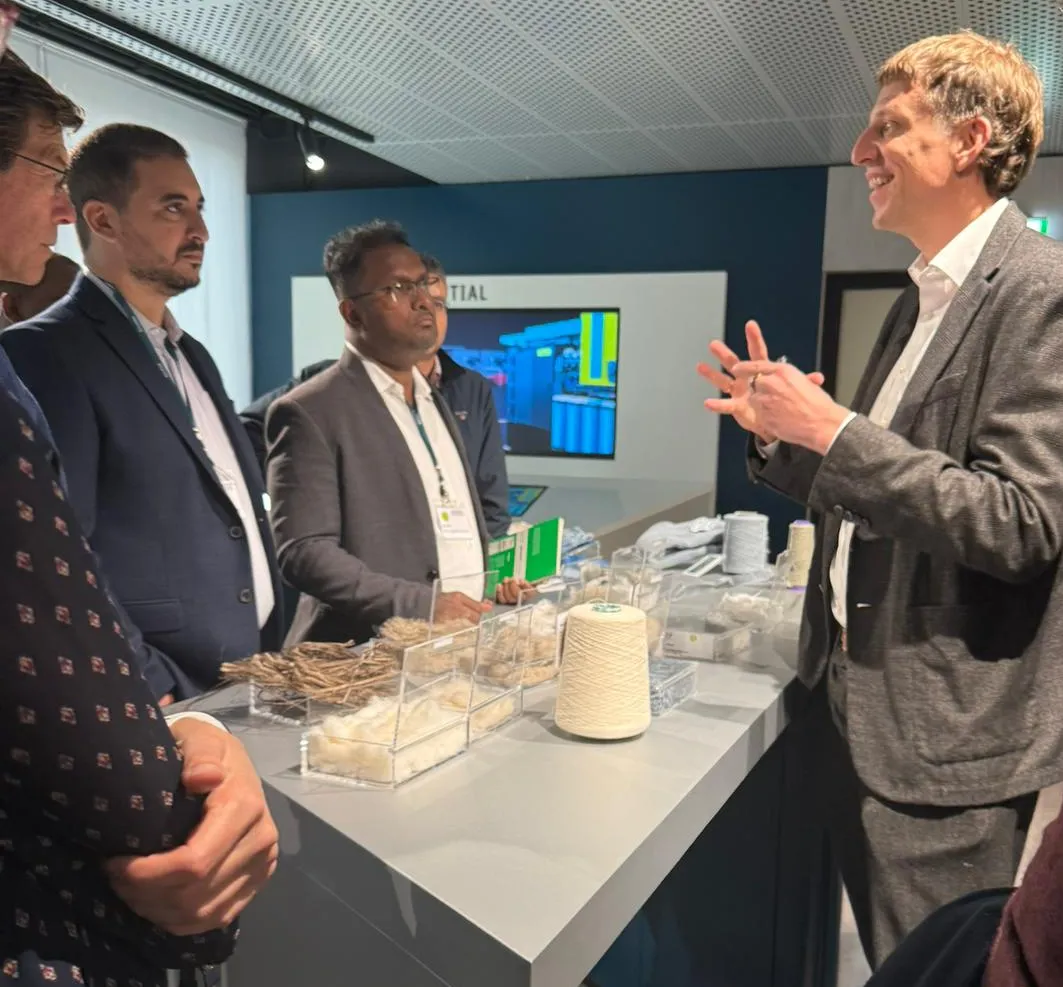
The Lucerne University of Applied Sciences and Arts is rethinking textile design to enhance recyclability and reduce energy use — insights especially relevant to Ghana’s SMEs. Visits to circular innovation firms like HeiQ, creator of biodegradable fiber AeoniQ, showcased the materials that could one day replace landfill-bound imports in Ghana.
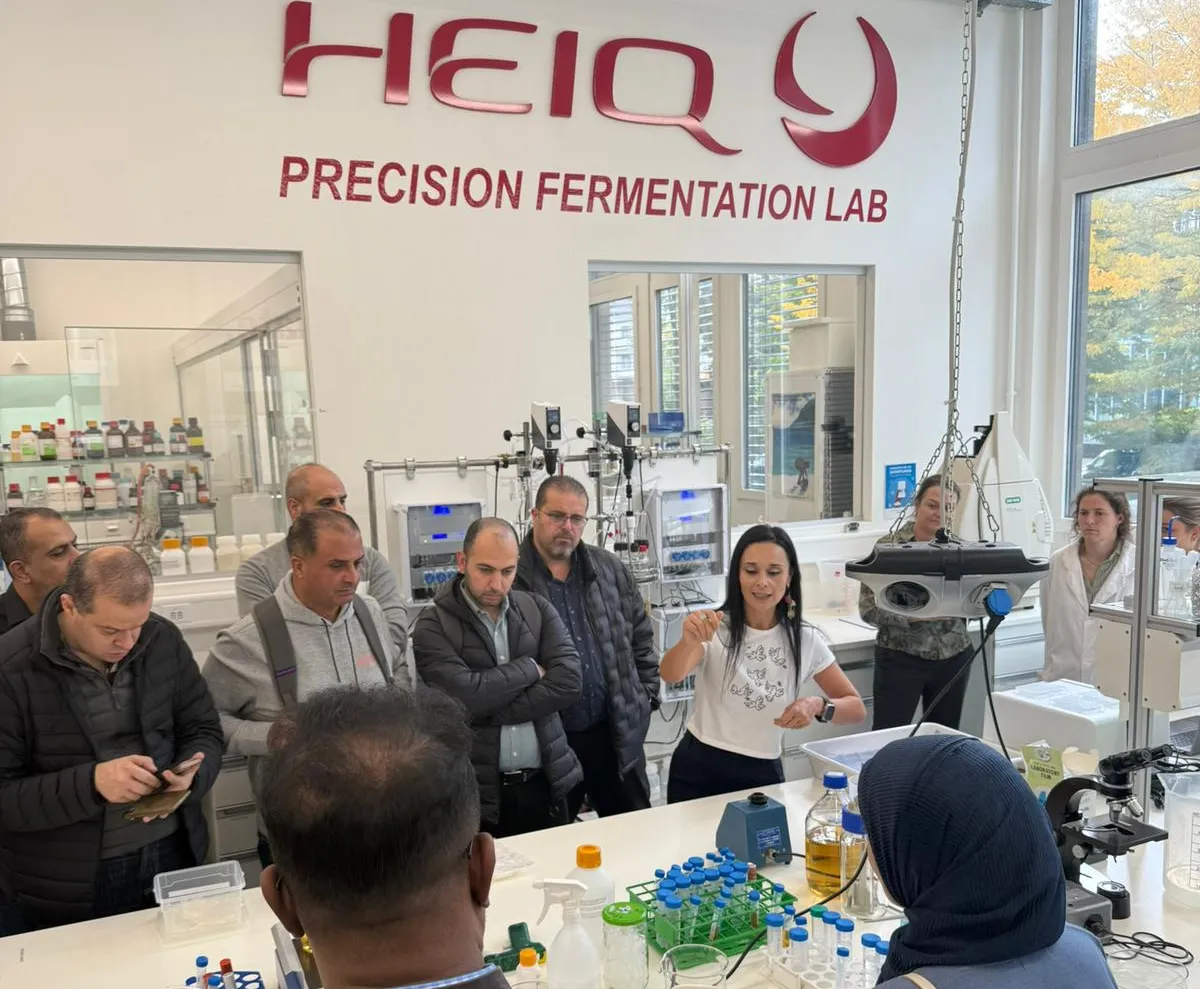
A key success factor behind Swiss innovation became clear at EMPA (Swiss Federal Laboratories for Materials Science and Technology): close collaboration between academia, startups, and industry. These networks bridge research and commercial application, aligning scientific inquiry with market needs — a model Ghana could adapt.
Switzerland offers a compelling vision: sustainability and profitability need not be at odds. But real impact must happen where challenges are greatest. The Productivity Ecosystems for Decent Work programme is working with Ghana’s government to support industrial policy design, promote technical innovation, and connect universities with private sector needs. By linking local efforts with global expertise, Ghana can build a more sustainable, competitive T&G sector — with decent work at its core.
More information

Productivity ecosystems for decent work
Relevant projects
Productivity ecosystems for decent work