

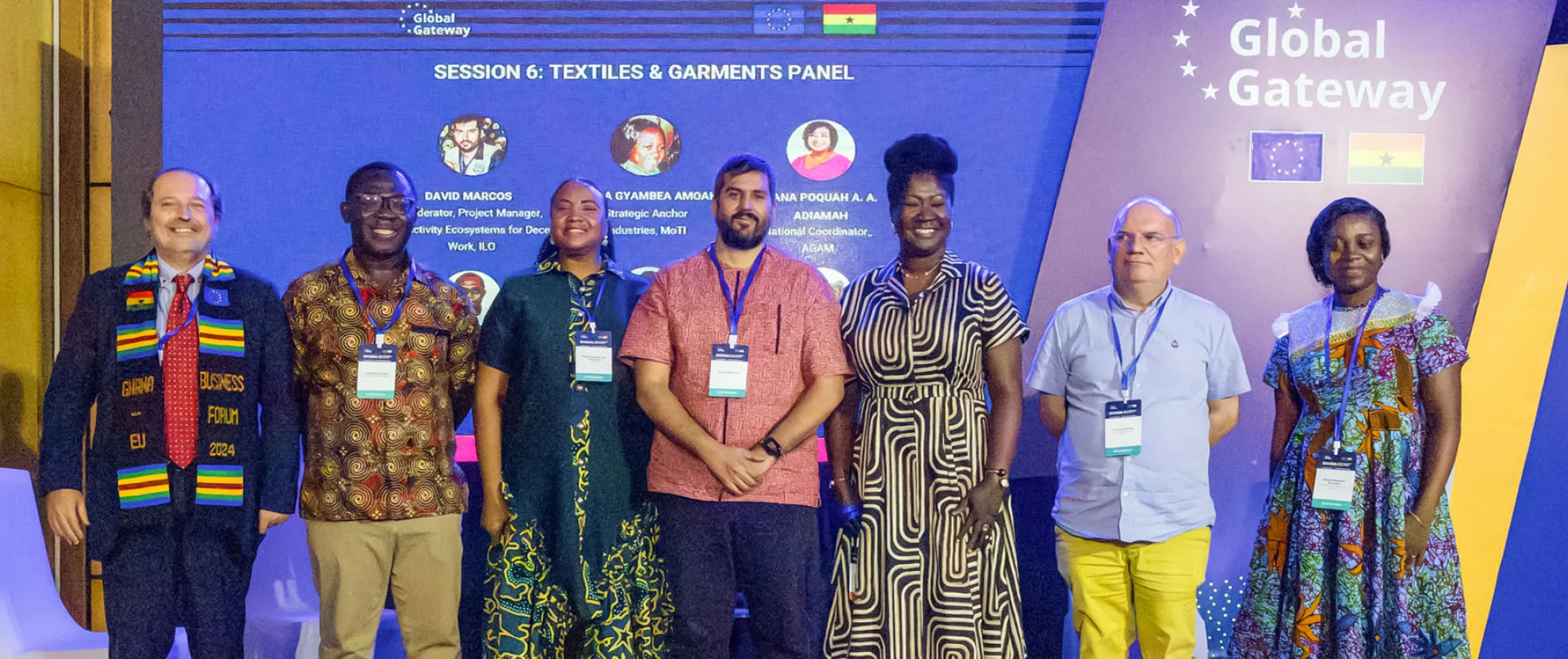
Ghana-EU Business Forum: Catalyzing Growth in Ghana's Textile and Garment Industry
The ILO's Productivity Ecosystems for Decent Work project played a key role in the Ghana-EU Business Forum's panel on textiles, highlighting opportunities for growth, the essential role of female entrepreneurs, and the industry's potential to drive economic development and decent job creation in Ghana.
13 August 2024
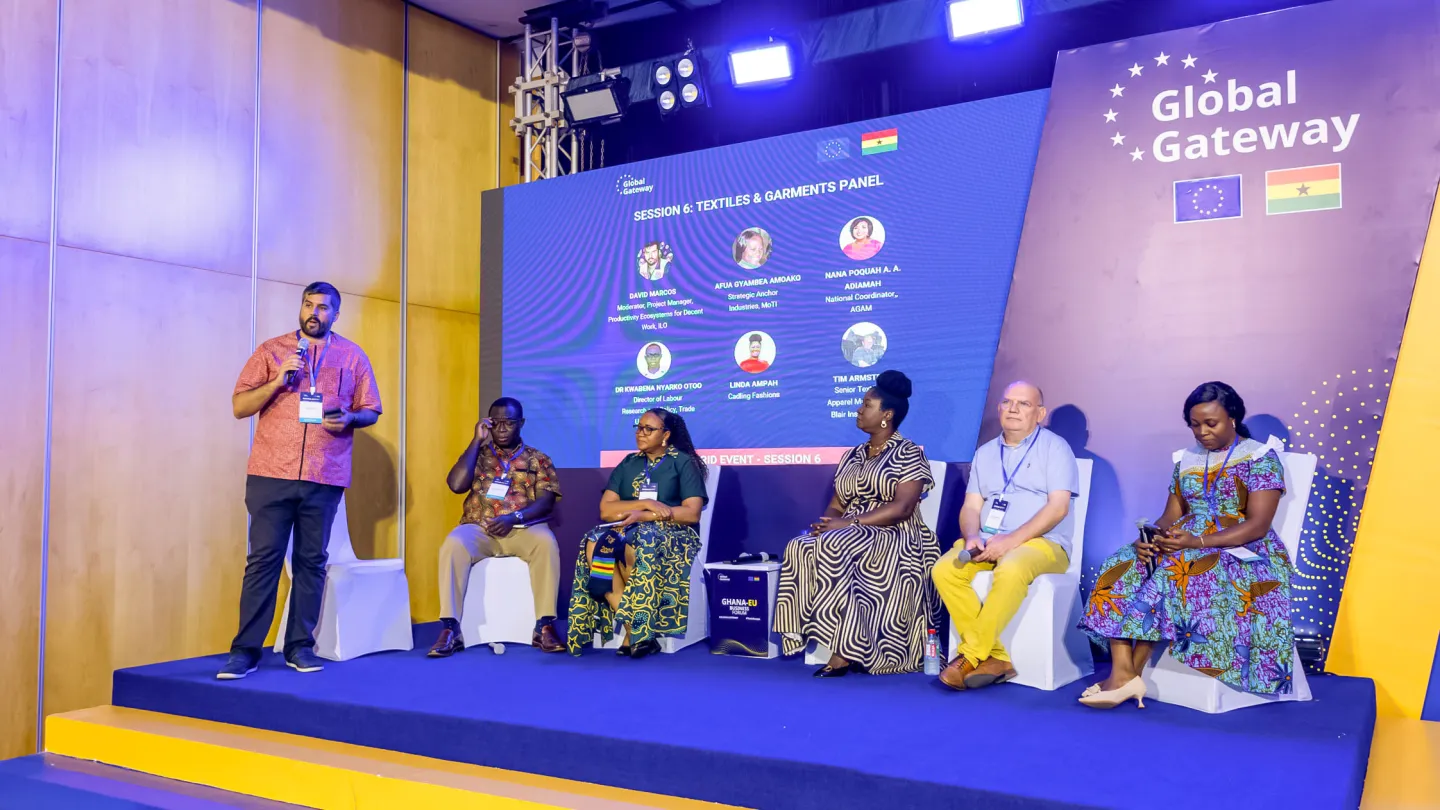
The 2nd edition of the Ghana-EU Business Forum, held on July 3rd and 4th, 2024, took place in Accra under the theme "Fostering Investment in Non-Traditional Value Chains under the EU Global Gateway Strategy."
This forum, organized and funded by the EU, brought together private sector companies and policymakers from Ghana and several European countries to engage on issues of joint concern, ranging from supply chain development to investment in just transition.
One of the standout sessions was the ILO-moderated panel on the current state of the textile and garment industry in Ghana. At the invitation of the EU, this was organized by the ILO’s Productivity Ecosystems for Decent Work Programme in partnership with the German Development Cooperation (GIZ). Speakers delved into the opportunities and challenges within this vital sector, including how ILO-sponsored productivity improvements within firms can help open the doors to new export markets in Europe.
Opportunities for Expansion and Innovation
The discussions centred on several key opportunities for growth. The panellists, including Afua Gyambea Amoako from the Ministry of Trade and Industry, Nana Poquah Adiamah from the Association of Ghana Apparel Manufacturers, Dr. Kwabena Nyarko Otoo from the Trade Unions Congress of Ghana, Linda Ampah of Cadling Fashions, and Tim Armstrong from the Tony Blair Institute Global, outlined a vision for the industry's future. They emphasized the importance of enhancing investment incentives and improving productivity through access to skills development and technology.
Amoako highlighted Ghana's youthful, skilled, and English-speaking workforce as a significant asset, while Adiamah pointed out the geographical advantage of Ghana, positioned strategically for swift delivery times to international markets. These factors, combined with Ghana's political stability and supportive business environment, present a compelling case for investment.
Several panellists singled out the crucial role played by the ILO’s Productivity Ecosystems for Decent Work Programme Ghana in supporting the industry. Examples included improved working conditions, enhanced productivity and competitiveness, access to advanced machinery, and comprehensive skill development programs. Through collaborative efforts with government agencies, employer and worker organizations, and international partners, the programme is helping to create an industry that benefits workers, entrepreneurs, and the broader community.
Despite the optimistic outlook, the panel did not shy away from addressing the substantial challenges facing the industry, from high energy costs through to financing constraints. The panellists collectively called for more regional integration to overcome these hurdles, with a specific focus on aligning with international standards and certifications to enhance market access.

The Role of Female Entrepreneurs
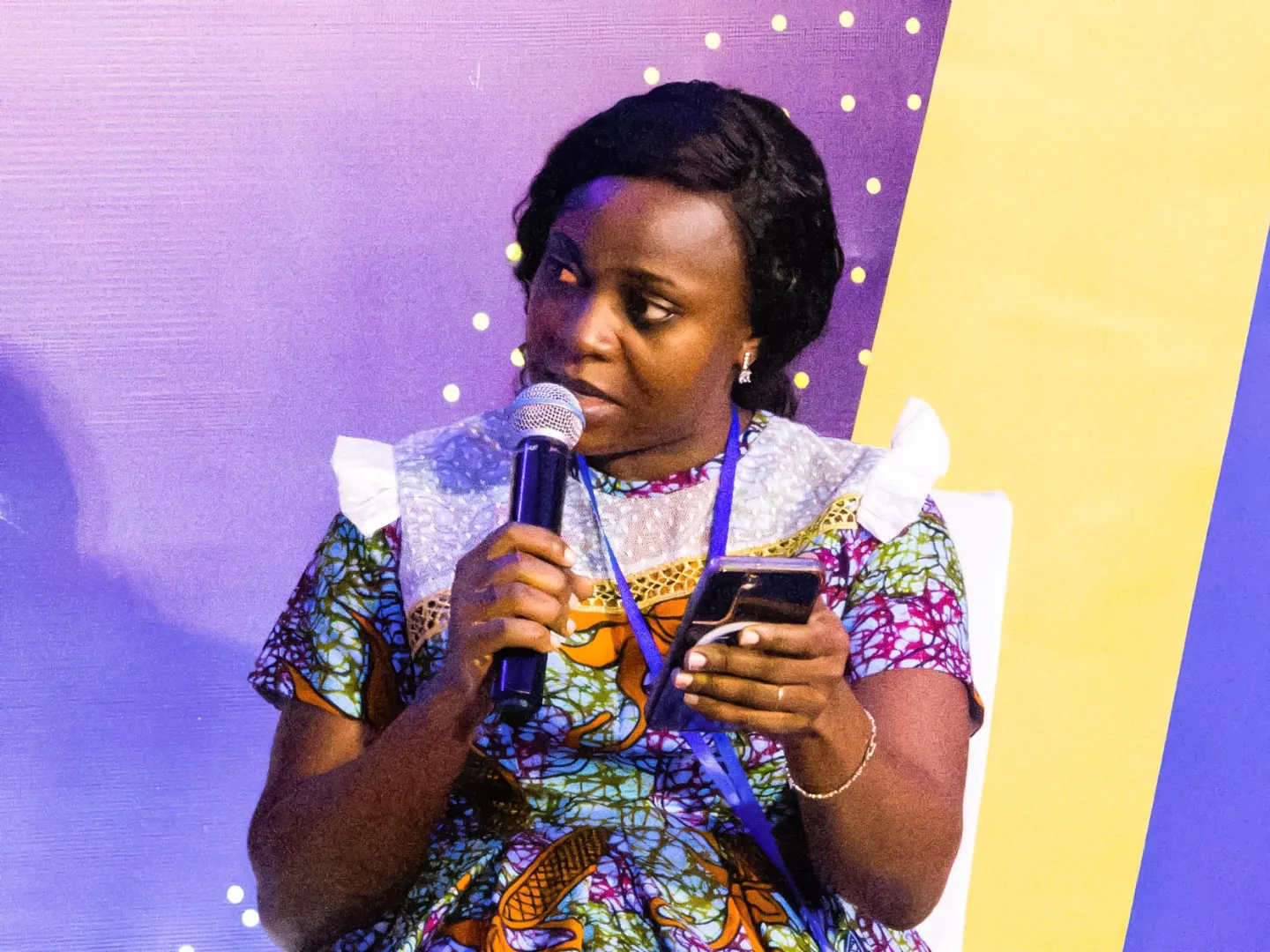
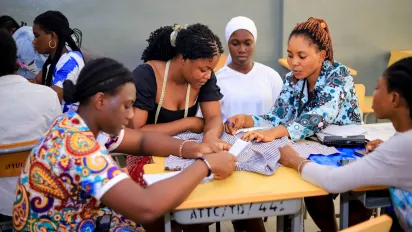
A unique and inspiring aspect of the panel was the spotlight on the significant role of women in the textile and garment sector. Both Poquah and Ampah shared their experiences as women in this industry, illustrating how female leadership drives resilience and innovation. They noted that the sector's predominantly female workforce and management are crucial in fostering a supportive and inclusive work environment.
“It’s because women are leading that we are still here,” stated Ampah to great applause.
The discussion also highlighted the importance of improving working conditions as a pathway to accessing global markets. The panellists acknowledged the ongoing efforts to enhance compliance with international labour standards, and the ILO and Ghanaian government's proactive stance in ensuring workplace safety, as essential steps towards sustainability and growth.
The panel ended with an invitation from the moderator, the Project Manager of the Productivity Ecosystems for Decent Work Programme in Ghana, David Marcos, for more companies to view productivity improvements as a pathway to profitability. Given the
strategic importance of the textile and garment industry to Ghana's economy and its deep cultural roots, everyone present agreed that the sector has vast potential for expansion.
The Ghana-EU Business Forum panel was more than just a meeting of minds; it showed how far the industry has come in a few short years. It was evidence that a commitment to innovation, inclusivity and sustainable development can help drive economic growth and decent job creation. As Ghana continues to position itself as a hub for textile and garment manufacturing, the insights and initiatives discussed during this panel will undoubtedly play a further role in shaping the future of the industry.
The Productivity Ecosystems for Decent Work Programme Ghana is funded by the State Secretariat for Economic Affairs of Switzerland (SECO) and the Norwegian Agency for Development Cooperation (NORAD). For more information, visit the ILO project page.
Relevant projects
Productivity ecosystems for decent work