

Digitalization and financial inclusion
East Sumba’s seaweed sector in Indonesia is thriving due to enhanced financial access and digitalization
Empowering Indonesia’s seaweed sector in the province of East Nusa Tenggara, the ILO partners with the local government to expand financial access, strengthen financial skills, and drive digital integration across the value chain.
11 August 2025
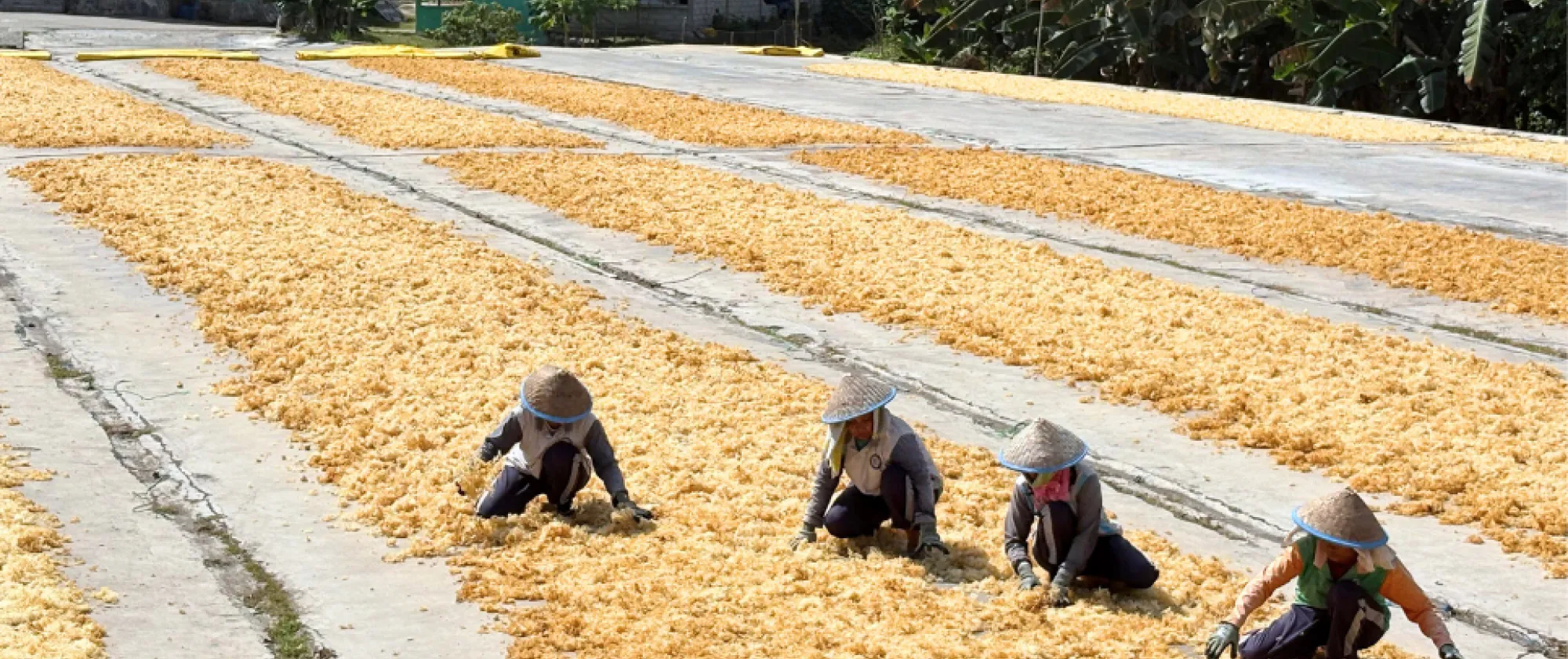
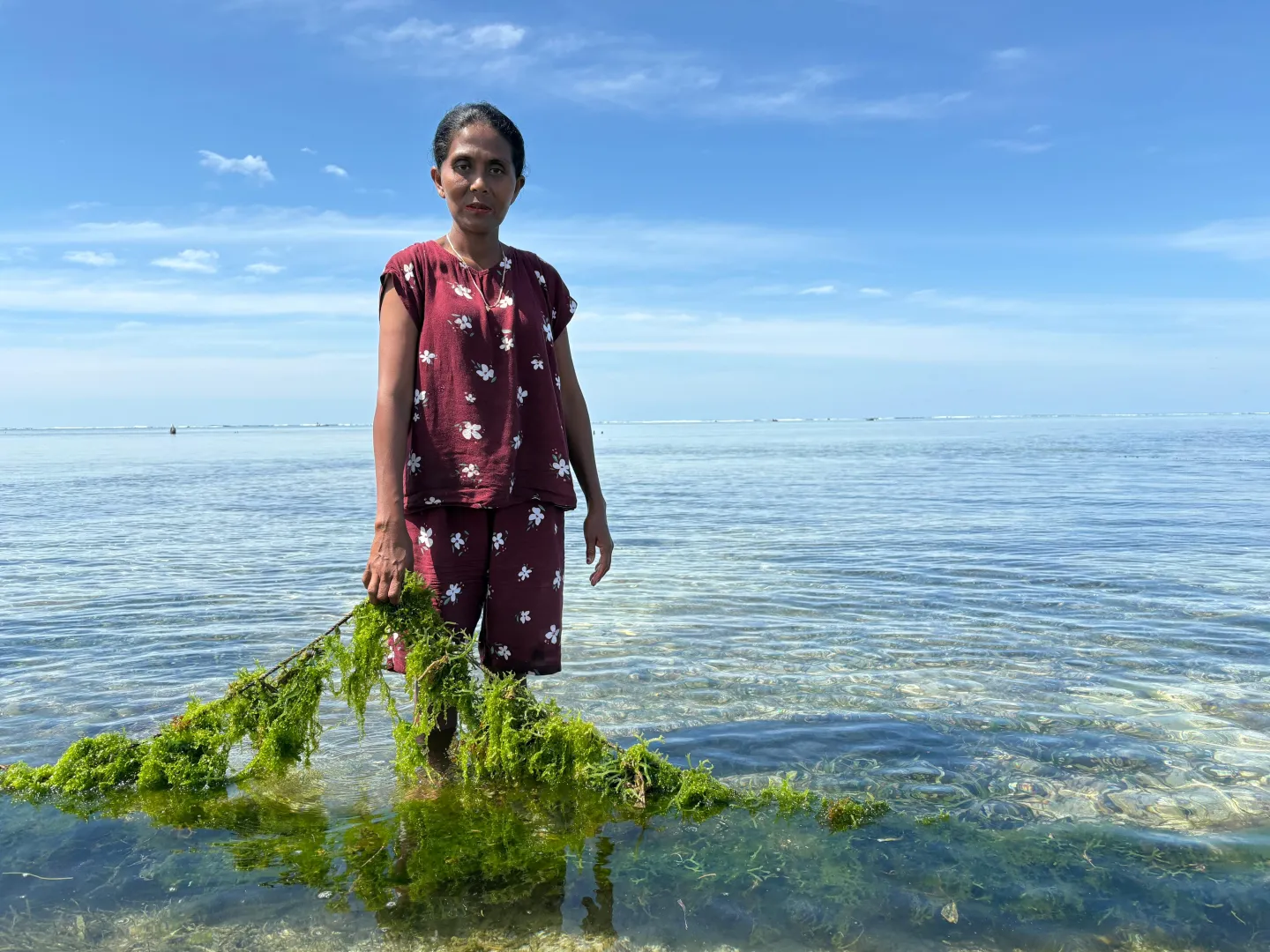
EAST SUMBA, East Nusa Tenggara, Indonesia (ILO News) - Wehelmina Bangu has been a seaweed farmer for over a decade in Kaliuda Village, Pahunga Lodu District, East Sumba Regency, East Nusa Tenggara (NTT) Province. NTT is the largest producer of high-quality seaweed in Indonesia, and seaweed is a leading commodity in East Sumba. Kaliuda Village is recognized as a Seaweed Cultivation Village and serves as a pilot site for the Financial Inclusion Ecosystem Programme (EKI) initiated by the Indonesia Financial Services Authority (OJK).
Wehelmina is one of 200 seaweed farmers who participated in financial education training provided by the International Labour Organization (ILO) through its Promoting Micro and Small Enterprises through Entrepreneurial Access to Financial Services (Promise II Impact) project. Funded by the Swiss State Secretariat for Economic Affairs (SECO), the project aims to strengthen the seaweed value chain through financial literacy training and the use of digital platforms to enhance financial access and literacy within the community.
Held from 2023 to 2024, the training programmes focused on practical skills such as household budgeting, basic bookkeeping and guidance on accessing financial products and services. A key outcome is increased confidence among farmers in managing their finances and seeking funding for new business ventures.
Wehelmina is also one of 80 farmers selected to receive microcredit and eight months of business assistance through the ILO’s Promise II Impact. To date, she has accessed two microloans from Bank NTT.
She used the first loan to open a small retail business and the second to start rice farming on her family’s inherited land. She acknowledged that improved access to microloans has helped her and other seaweed farmers cope with price fluctuations and limited infrastructure—two of their main challenges.
“My small retail business didn’t go as well as I expected, and it made me realize the importance of better business planning, which I learned from the financial training. So, for my rice farming, I’m paying closer attention to planning to ensure the farm succeeds,” she said.
Digital traceability systems help farmers build credit profiles and connect with larger markets, while offering processors greater visibility and efficiency.
Djauhari Sitorus, Project Manager of ILO’s Promise II Impact
Beyond individual skills, the ILO’s Promise II Impact also strengthens the seaweed value chain by developing a digital platform in collaboration with Koltiva, an agritech company focused on building traceable, inclusive, and climate-smart supply chains. The application helps monitor and record every stage of seaweed cultivation, including maintenance, processing, and product distribution. It also facilitates connections between farmers, regulators, and buyers.
Additionally, the platform links farmers with PT Algae Sumba Timur Lestari (PT ASTIL), a regionally owned enterprise in East Sumba. To date, over 650 seaweed farmers are engaged in this digitalization initiative, benefiting from real-time data collection, traceability, and tools that support quality control and logistics.
Djauhari Sitorus, Project Manager of ILO’s Promise II Impact, stated that the initiative promotes access to finance, builds financial capabilities and supports integration within the seaweed value chain through digital technology. "Digital traceability systems help farmers build credit profiles and connect with larger markets, while offering processors greater visibility and efficiency," added Djauhari.
Recognizing the great potential of seaweed for East Sumba’s local economic development, Umbu Lili Pekuwali, Regent of East Sumba, affirmed that the local government has positioned seaweed as a key economic sector, stating, “By improving productivity and supporting farmers, we can enhance local welfare and create growing opportunities for small-scale producers.” He added, “With continued investment in financial inclusion and digital innovation, East Sumba’s seaweed sector is becoming more resilient and inclusive.”
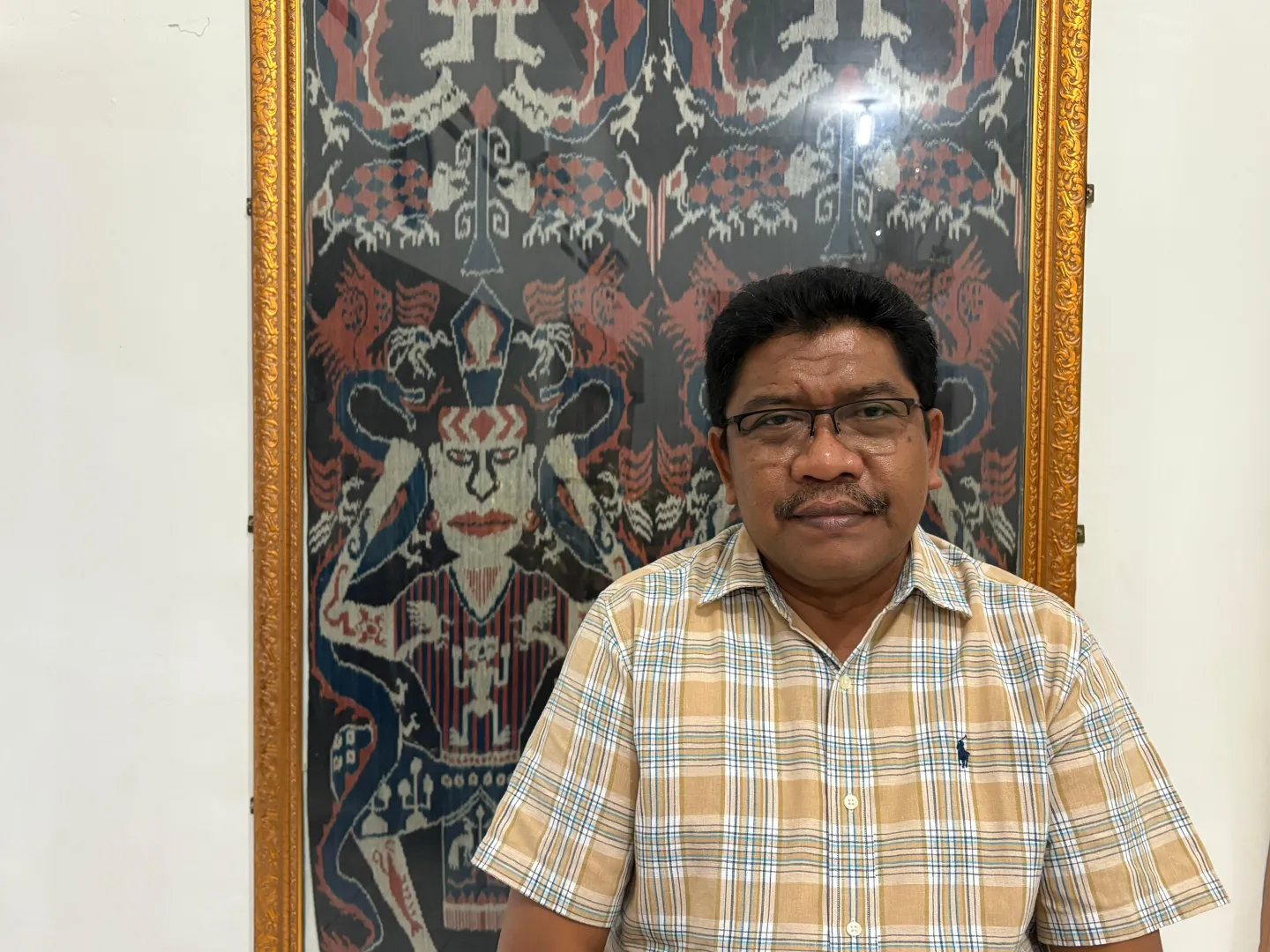
With continued investment in financial inclusion and digital innovation, East Sumba’s seaweed sector is becoming more resilient and inclusive.
Umbu Lili Pekuwali, Head of Regent of East Sumba
Related content
Promise II Impact
Promoting SME Enterprises through Improved Entrepreneurs’ Access to Financial Services

Topic portal
Social finance

Financial skills and literacy improve the livelihoods of East Sumba’s seaweed farmers

Digitalization and financial inclusion
Digital application helps optimizing the harvest production of Indonesia's seaweed farmers

Press release
OJK, Bank NTT and ILO launch financial literacy programme through EKI Village and Independent Credit programmes in East Sumba
Relevant projects
Promise II Impact
Promoting SME Enterprises through Improved Entrepreneurs’ Access to Financial Services