

Child labour
Dumpsites to dreams: A symphony of hope to end child labour
Alibai, who often had to quit school to work in a dumpsite, found new hope when an ILO project in the conflict-affected Bangsamoro region in the Philippines launched a Child Labour Monitoring System to tackle child labour and keep children in school.
25 July 2025
COTABATO CITY, Philippines (ILO News) — A broken microphone lies in a towering pile of rubbish at a dumpsite in Poblacion 9, Cotabato City in the southern Philippines.
Alibai Midtanggal Ulama, clutches the microphone she found among the garbage. Her voice rises above the waste, turning the dumpsite into her stage. Each note echoes her struggles and the silent pains of poverty.
Alibai has known the harsh realities of life from a young age as the eldest of eight siblings. “I was born at this dumpsite. This is where my eyes were opened to the harsh reality of poverty and life’s difficulties,” she recalls.
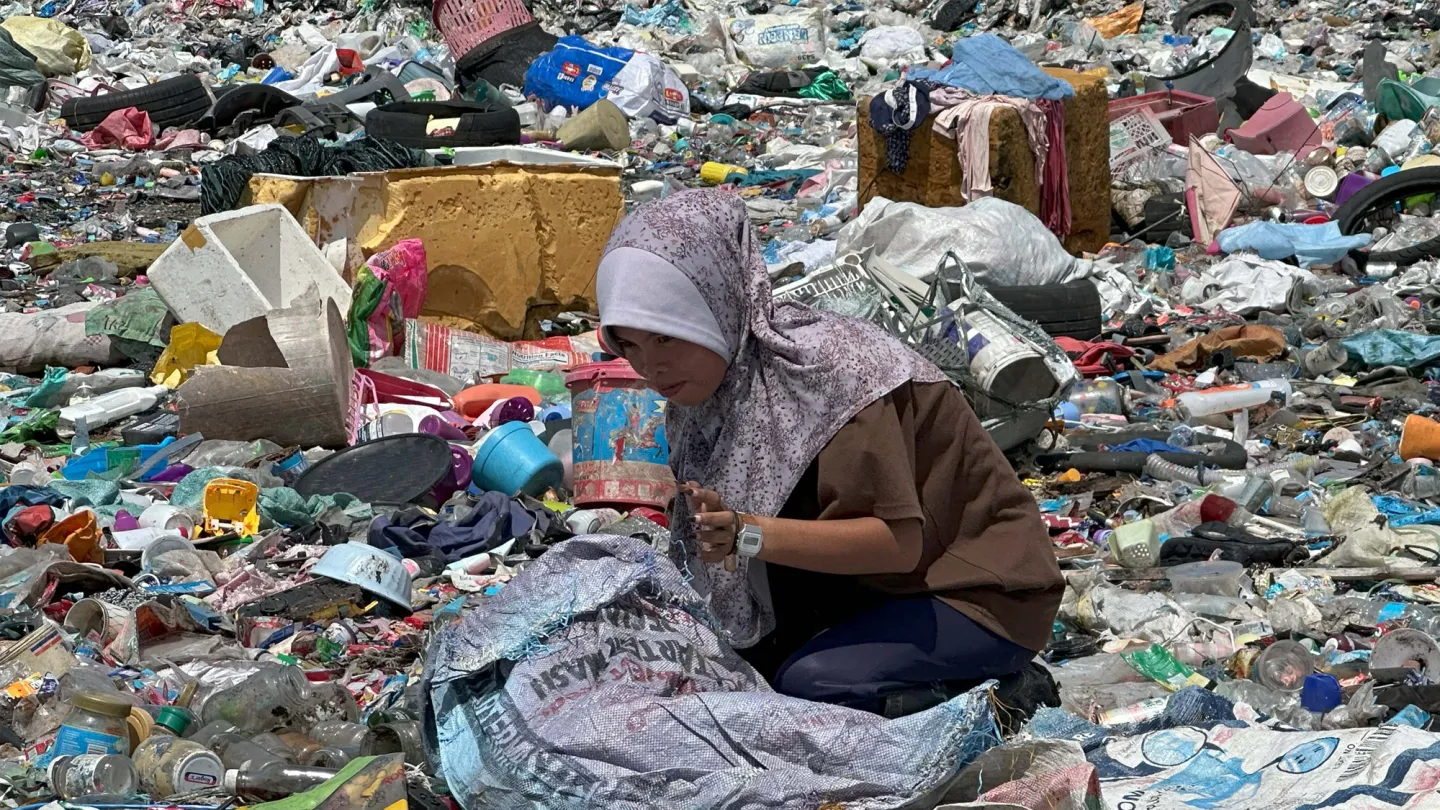
For years, her days began at four in the morning, scavenging as a child under the scorching sun, earning just 100 to 150 pesos a day to help feed her family. The dumpsite, littered with broken glass and hazardous waste, became her playground — and her prison.
Floods during the rainy season and constant poverty forced Alibai to stop schooling over and over again. “I stopped schooling because the dumpsite gets flooded, especially during the rainy season. It’s hard to go to school,” she explains.
Despite these hardships, Alibai’s spirit refused to break. At 13, she fought to continue her education, but the daily grind of scavenging and wading through floods to reach school almost washed her dreams away.

Her turning point came when the community — with the help of a Child Labour Monitoring System (CLMS) and a Community Social Infrastructure Programme (CSIP) — stepped in to lift the burden. Together, they identified families with child labourers – like Alibai’s, linked families to livelihood support, and helped keep children where they belong: in school.
Through the ILO’s Achieving Reduction of Child Labour in Support of Education (ARISE) Project, funded by the Government of Japan, families now have new ways to earn income through climate-resilient livelihoods like duck raising and floating vegetable gardens — so their children no longer have to work.
The CLMS empowers communities to track, withdraw and prevent child labour cases, while the CSIP provides practical livelihood hubs that help families earn a decent living and break their dependence on child labour.
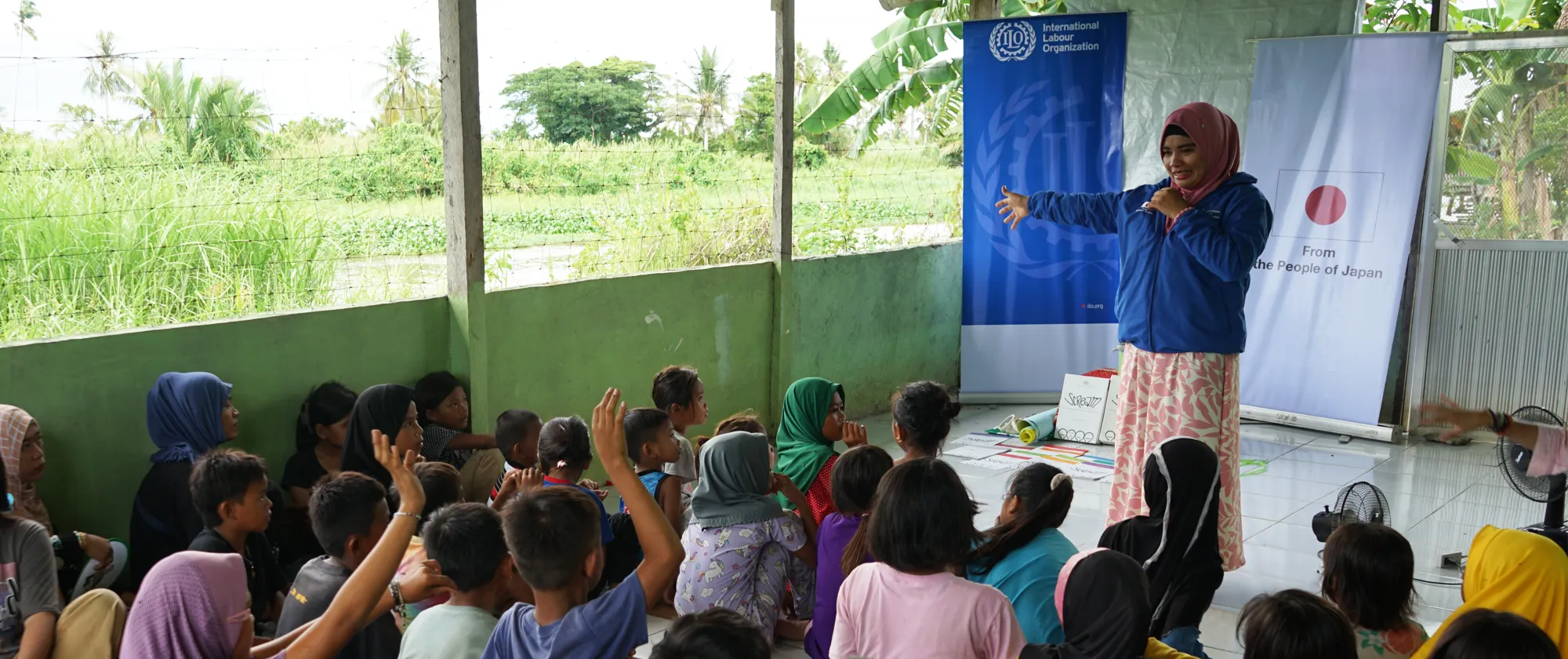
An Alternative Learning System (ALS) centre was also set up in Alibai’s community, giving her and other out-of-school youth a pathway back to learning and skills for decent work. “The floating garden and duck raising will help our community earn more. We can sell eggs and harvest vegetables,” Alibai says, now looking ahead with hope.
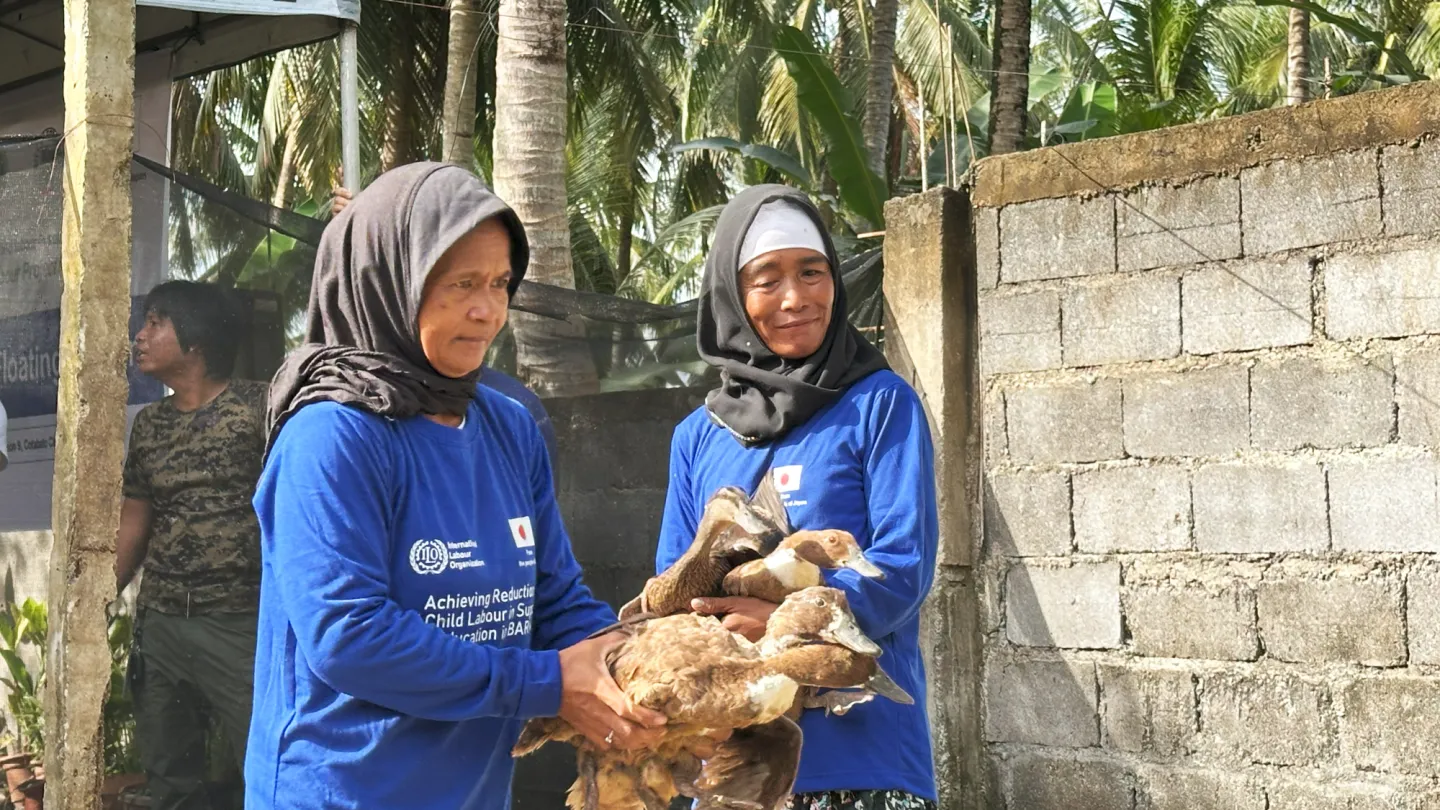
Alibai’s story proves that when communities take the lead in monitoring child labour — backed by real livelihood support and local ownership — change takes root and lasts.
“When we help families earn with dignity, they keep their children safe. CLMS and CSIP make communities part of the solution — and this makes real change last," said Khalid Hassan, Director of the ILO Country Office for the Philippines.
"Now, we must expand this proven model — the CLMS and CSIP — to reach more communities like Poblacion 9. Every child deserves to sing their own song of hope — far from dumpsites and danger. Let us turn dumpsites into dreams. Join us in ending child labour — for good."

Relevant projects

Reduction of child labour in Myanmar
Achieving Reduction of Child Labour in Support of Education (ARISE): Programme to reduce the worst forms of child labour in agriculture

Child labour
Achieving reduction of child labour in support of education