

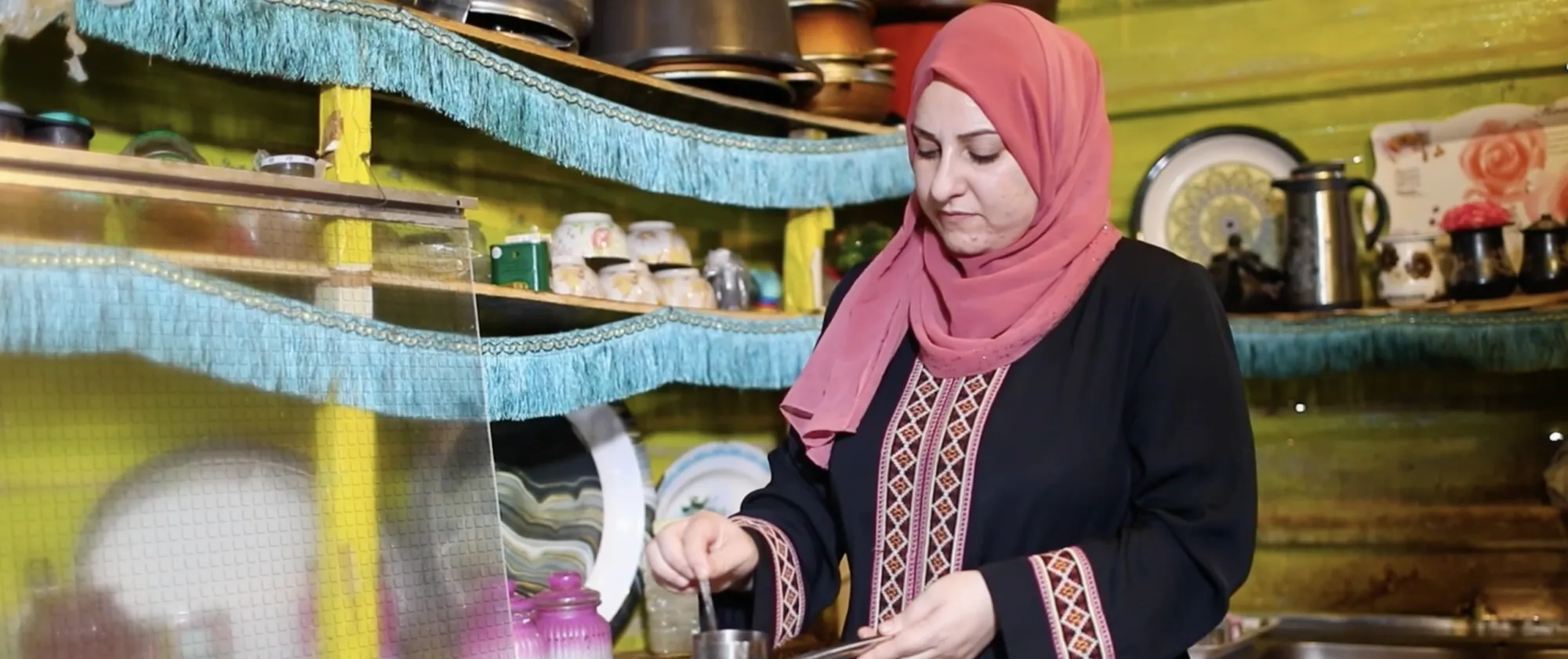
From displacement to employment: Syrians build better lives through decent work in Jordan’s Zaatari Camp
ILO employment services are helping Syrian refugees like Hanan and Malika access training and secure jobs, while also supporting Syrians wishing to return to their country.
7 January 2026
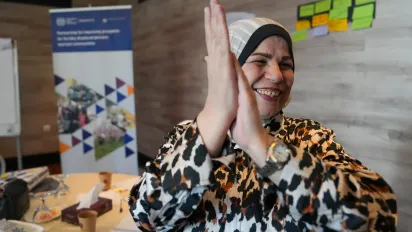
ZAATARI CAMP (ILO News) – Hanan Khaled Al-Khawalda still vividly remembers the day she and her family left their hometown in Syria and arrived in the Zaatari refugee camp in northeastern Jordan.
“We came on 23 October 2012, during the early days of the conflict in Syria. We fled across the border and reached the camp, which was then only a scattering of tents,” Hanan recalls. She was 20, newly married and unsure what the future would hold.

The first winter was harsh. Families lived in tents with minimal heating, and the summers brought extreme heat and frequent electricity cuts. As the camp expanded, more durable shelter units became available, and conditions gradually improved.
With limited job opportunities in the camp, Hanan and her family, like many others, relied on humanitarian aid to survive. She remained unemployed until earlier this year, when she heard through social media about the ILO’s Zaatari Office for Employment, which helps refugees connect to training opportunities and secure jobs in Jordan.

“One day, I decided to visit the office. The staff helped me submit an employment application,” she says. Soon after, she and other women were taken to factories in the area for job interviews, and Hanan secured a position as a tailor in a clothing factory outside the nearby city of Al Mafraq.
The offices, operated by the ILO’s PROSPECTS programme with funding from the Netherlands, provide services including training placements, employment matching and support with job applications in sectors open to refugees in Jordan, such as agriculture, factory work, crafts and food production. Staff also offer career guidance and counselling and awareness raising sessions on rights at work and occupational safety and health. The offices also provide sessions on social security benefits as well as pension withdrawal for returnees, in coordination with Jordan’s Social Security Corporation.
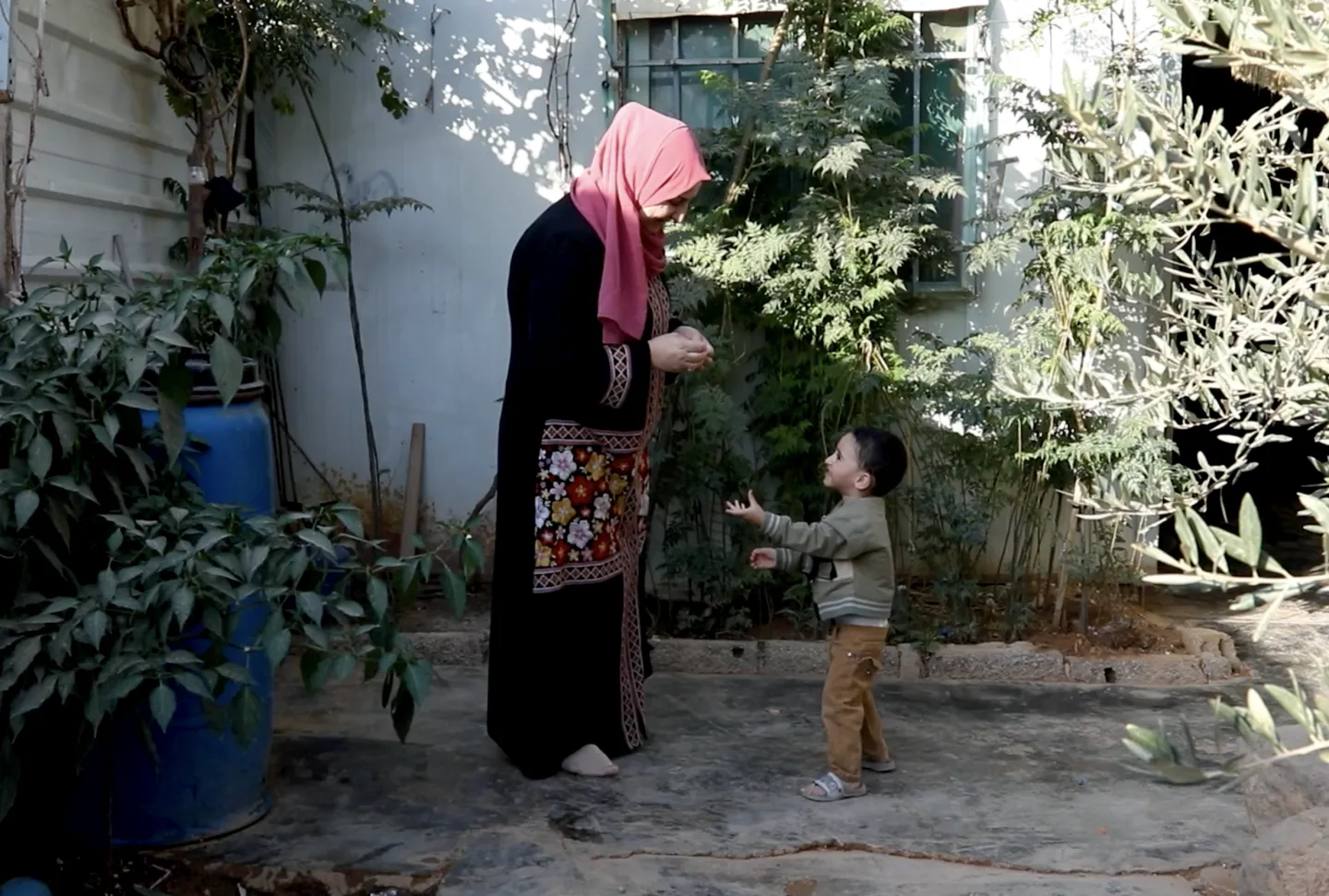
Hanan’s income now allows her to contribute to the upkeep of her household and begin planning ahead. She hopes to become an independent professional tailor and help her children “attain a good position in life.”
The ILO runs two employment offices, the one in Zaatari camp, and a second one in Azraq refugee camp in east-central Jordan. Together, the two offices have served more than 1,000 Syrian refugees since July of this year.
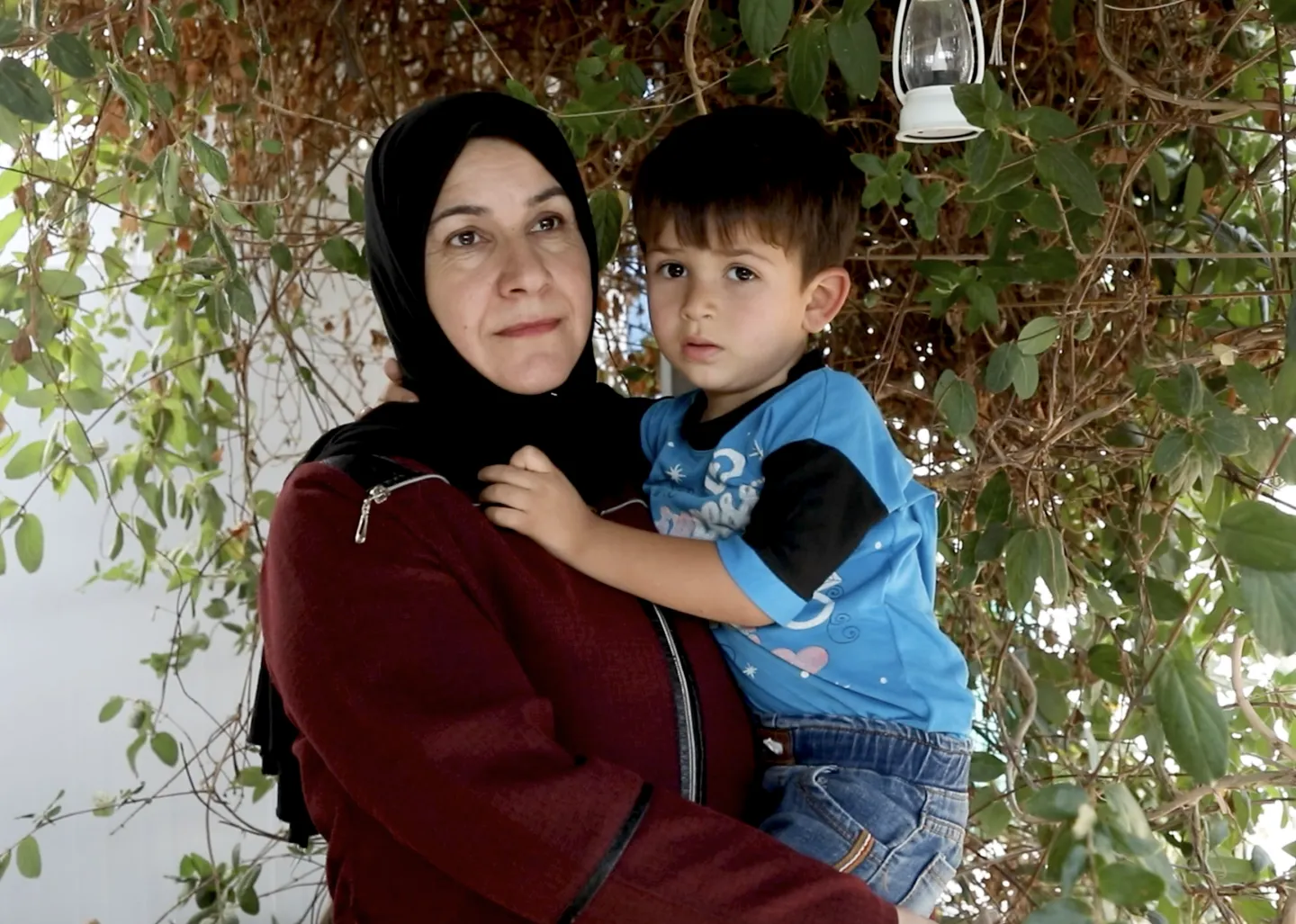
Malika Abdel-Rahim Al-Haraki works with Hanan. She also became a refugee in Jordan in 2012.
She was 29 at the time, with young children and a husband injured in the war. She remembers the same early hardships: cold winters, scorching summers, scarce electricity and severely limited access to services.
For years, Malika struggled to meet basic needs. But an announcement from the ILO’s Zaatari Office for Employment changed the course of her family’s life. She and her husband visited the office, registered their interest, and soon received assistance in obtaining work permits. Malika was eventually hired as a tailor in the same factory that employs Hanan.
Her salary, she says, has restored stability, even as her large family still faces financial pressure. “Work is our only livelihood here. Without it, we cannot eat or survive.”
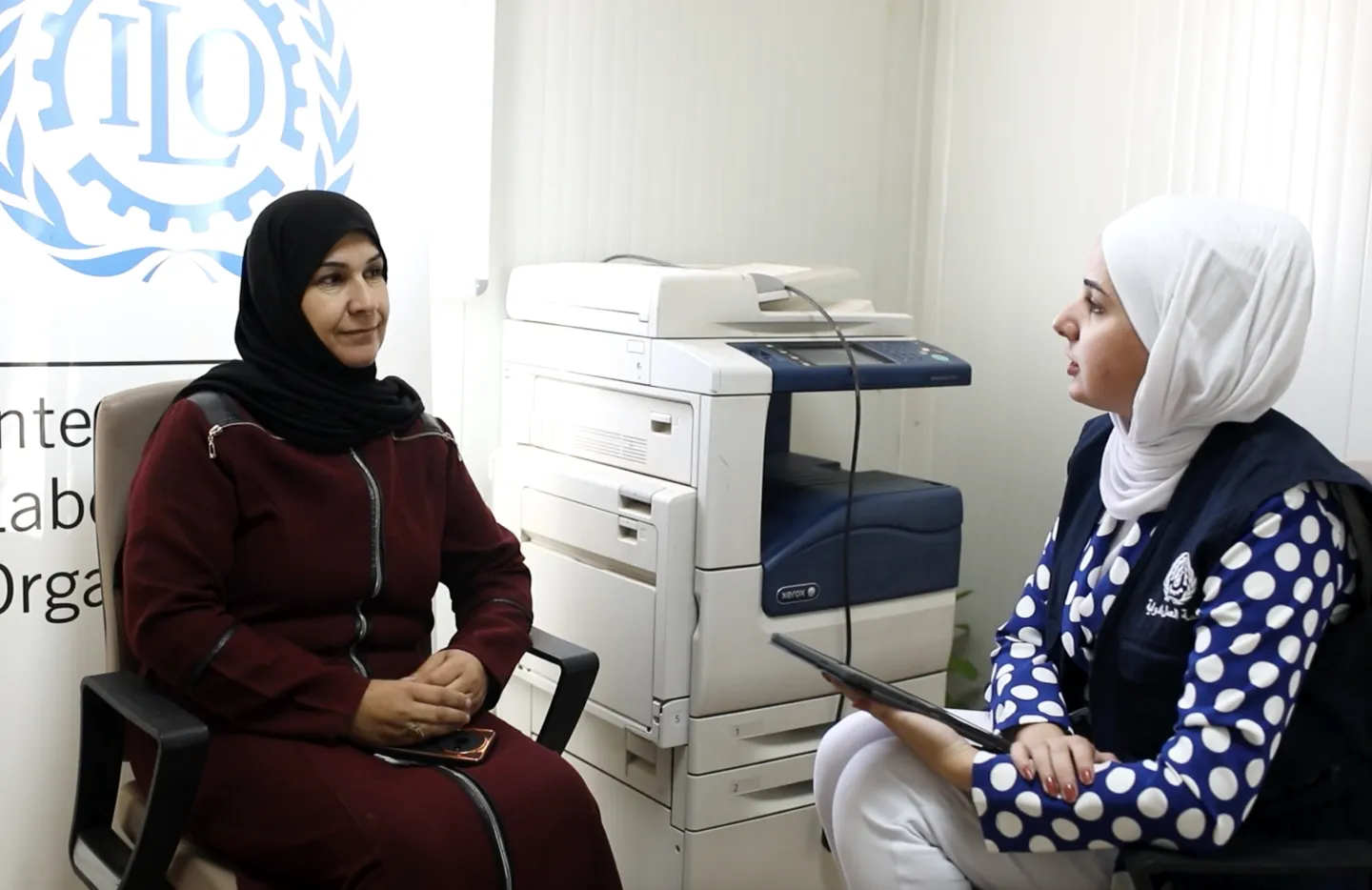
Malika hopes simply to see her children grow up, pursue meaningful careers and build dignified lives. “I want them to be better off than me,” she says.
Following the change in Syria’s government in 2024, the offices are also supporting refugees preparing to return home voluntarily by referring them to vocational training, work-based learning, skills recognition and capacity building in enterprise development, aligned with labour market needs in Syria.
The Netherlands-supported global PROSPECTS partnership brings together the International Finance Corporation (IFC), the International Labour Organization (ILO), the UN Refugee Agency (UNHCR), the UN Children's Fund (UNICEF) and the World Bank to improve access to education, social protection and decent work for forcibly displaced people and the communities that host them.
Related content

ILO-Netherlands Partnership
Partnership for improving prospects for forcibly displaced persons and host communities (PROSPECTS) in Jordan
PROSPECTS podcast - Refugees at Work
Refugee inclusion in practice: Experiences, outcomes, and impacts
Relevant projects
ILO-Netherlands Partnership
Partnership for improving prospects for forcibly displaced persons and host communities (PROSPECTS) in Jordan
Programme
Partnership for improving prospects for forcibly displaced persons and host communities (PROSPECTS)