


Digital skills
Digital construction skills for a better future of work
As the construction industry embraces digital transformation, the International Labour Organization and the Government of the Republic of Korea are helping young Filipinos gain the skills needed to thrive in a more technology-driven future.
10 June 2026
MANILA (ILO News) - Imagine building a skyscraper twice. The first version is built in a digital world, where every pipe and every wire is visible. Errors are identified before a single bag of cement is poured. This is Building Information Modelling, or BIM. It is a shared digital model that makes construction projects transparent and reduces waste. It has become a widely used tool for construction project delivery in many countries.
For 30-year-old Dean Ashton Domingo Plamenco, BIM is more than just software. It is a mission to reshape the future of construction and create better prospects for young Filipinos. As the head of transformation and enterprise development at ESCA Engineering, Ashton is among a growing group of industry champions advocating for BIM adoption in the Philippines.
He is grateful to the International Labour Organization (ILO) through the ILO-Korea Partnership Programme on Advancing Digital and Green Skills for Youth in ASEAN for developing a pool of BIM master trainers. They will help equip workers and institutions with the digital skills needed for a rapidly changing construction sector.
A digital skills bridge for the youth
The construction industry in the Philippines is at a crossroads. While demand for infrastructure continues to grow, the workforce is ageing and fewer young people are attracted to traditional, manual construction jobs.
"Construction in the past has really been about geographical barriers," Ashton explains. “You had to be on the site to contribute. Now, with digital skills like BIM, you can work from anywhere.”
Growing up in Bulacan, Ashton also experienced firsthand the realities of traditional construction work. As a young civil engineer, he spent countless hours managing paperwork, checking drawings, and manually coordinating project information. "If you are doing everything manually and repetitively, there is a lot of room for mistakes," Ashton says.
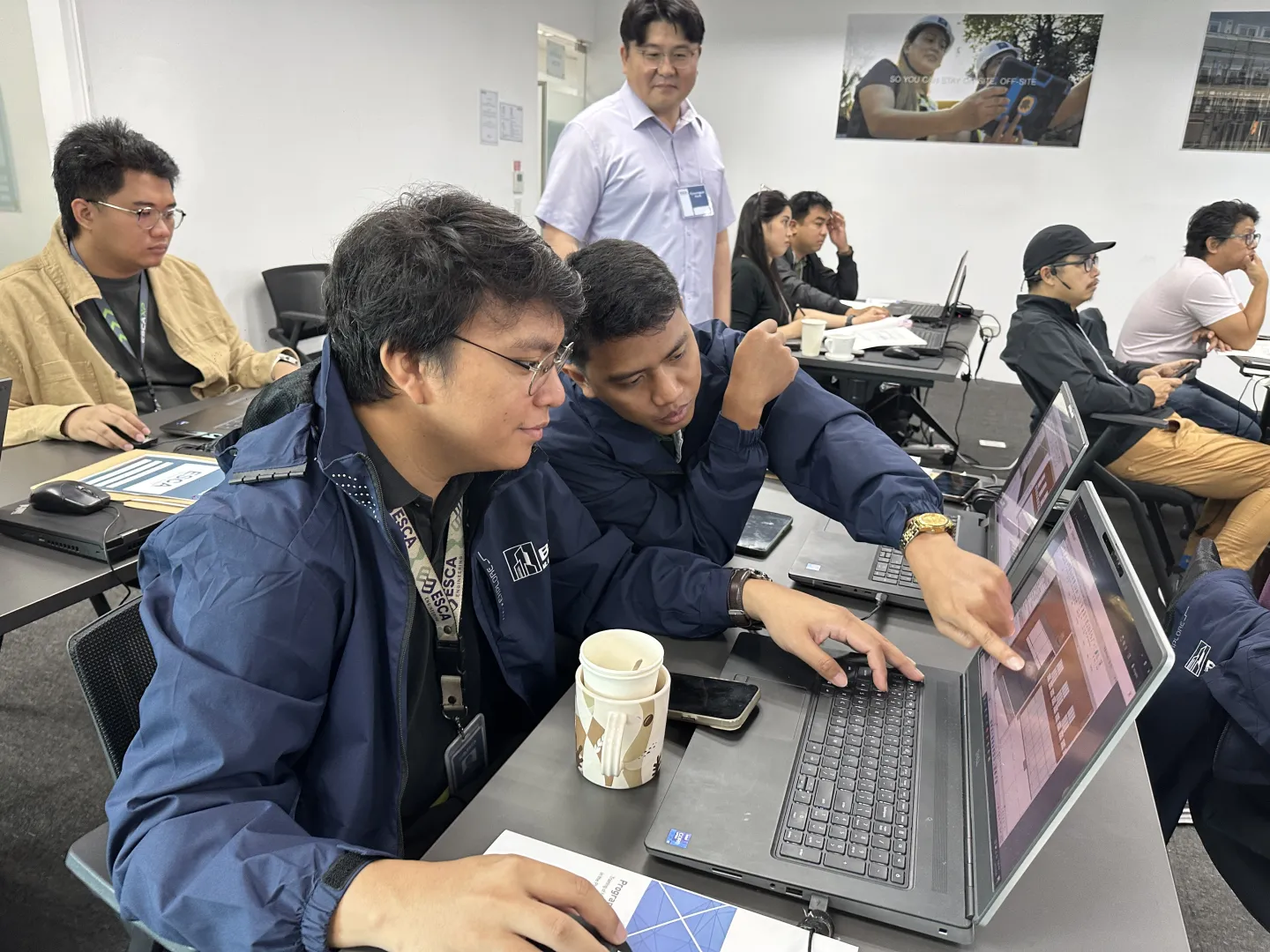
In construction, those mistakes can have serious consequences. Delays, cost overruns, and safety risks can affect not only projects but also the lives of workers and communities.
BIM enables engineers, designers, and specialists to collaborate remotely, opening access to projects across regions and even international markets. For digitally savvy young people, construction is no longer limited to physical labour. It is becoming a technology-driven profession with opportunities for innovation, creativity, and global careers.
A pool of master trainers
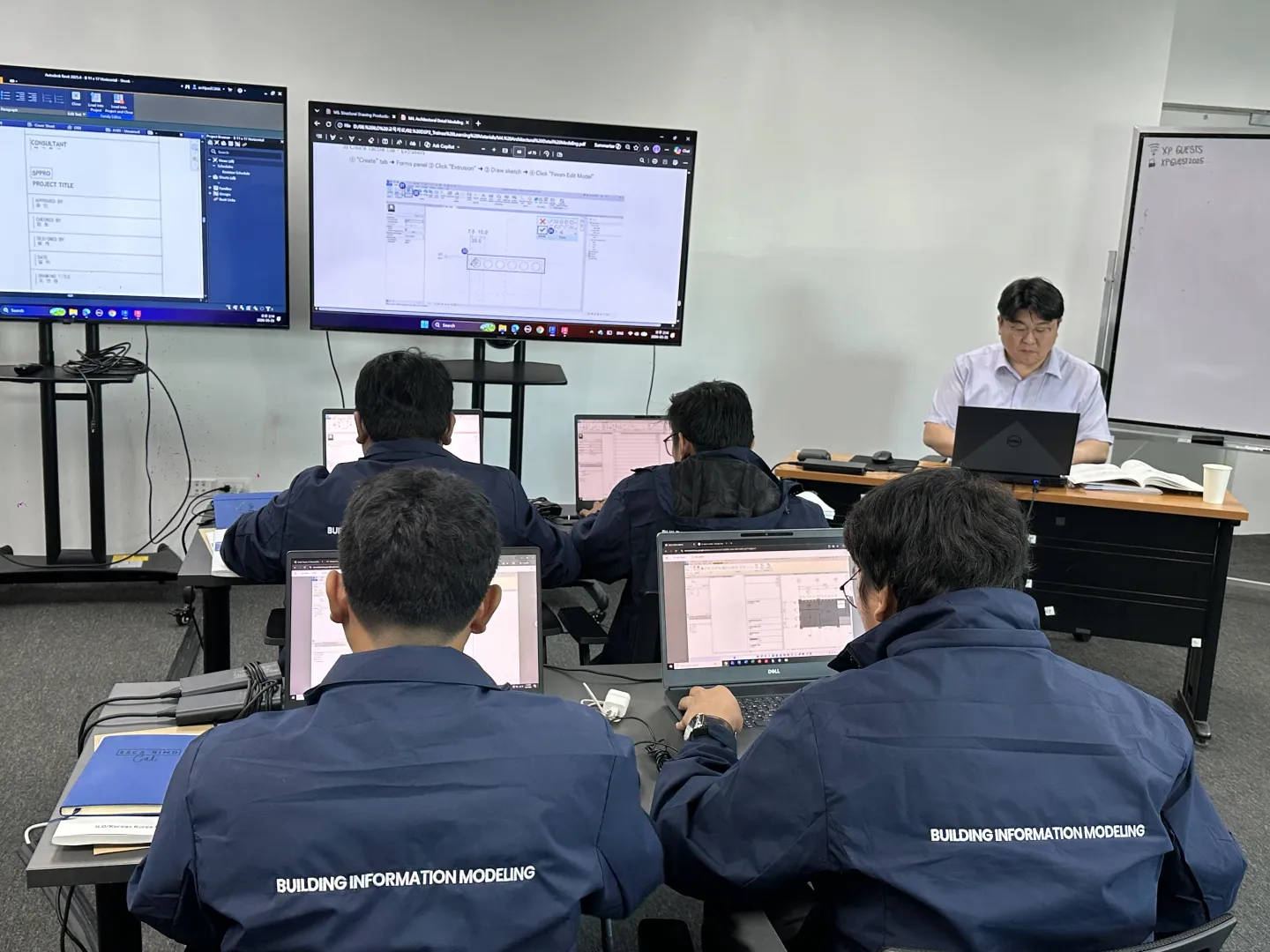
Recognizing the need to prepare workers for this shift, the ILO-Korea Partnership Programme, in collaboration with the Korea Polytechnic University, has supported BIM capacity-building initiatives in the Philippines.
Through a specialized training programme, the initiative has developed a pool of BIM master trainers who are now helping expand digital construction skills across training institutions and industry networks.
The programme aims to ensure that young Filipinos can participate in emerging opportunities created by digital transitions in the construction sector.
“The transformation of the construction sector through digital and green technologies like BIM creates opportunities for safer, formal, and better-paying jobs,” says Joshua Miguel Lopez, National Project Coordinator of the programme.
By strengthening local expertise, the initiative helps prepare workers not only for domestic infrastructure projects but also for increasingly competitive regional and international labour markets.
Technical and vocational training institutions are also playing a vital role in this transformation. Engineer Michael Gayona, Centre Coordinator of the TESDA Green Technology Centre, identifies BIM as an essential skill for the modern era. He calls it a "valuable emerging competency in preparing a more future-ready workforce".
In a world where technology moves fast, the way we value labour is also changing. “Skills are becoming the new currency in the job market,” says Engineer Ronaldo Elepaño Jr., Immediate Past President of the Philippine Constructors Association.
For many workers, mastering digital tools such as BIM can mean better career prospects, higher productivity, and greater mobility across the industry.
From small steps to big impact
Ashton’s own BIM journey began shortly after graduation. During a seminar, he was introduced to the vision of a more digital, transparent, and efficient construction industry.
"That inspired me to join a local company despite having access to jobs abroad that offer better pay," Ashton shares.
Now, he spends his days helping others transition to this new way of working and supports the ILO’s BIM master trainers. He believes that even small steps can lead to a big impact. He wants the youth to know that they do not need to be intimidated by the technology.
"It doesn't really take a whole lot of brain power to do lots of meaningful things," Ashton says to those looking to start their careers. "It can really start with a small participation, attending the lessons, and learning for ourselves how we can do things differently."
For Ashton, BIM is far more than a digital model. It is a blueprint for safer workplaces, greener construction practices, and better jobs. It is a tool that can help make the construction industry more attractive, productive, and inclusive.
And for the next generation of Filipino workers, it offers a chance to build not only better buildings, but a brighter future.
Relevant projects

Skills
Advancing Digital and Green Skills for Youth in ASEAN