

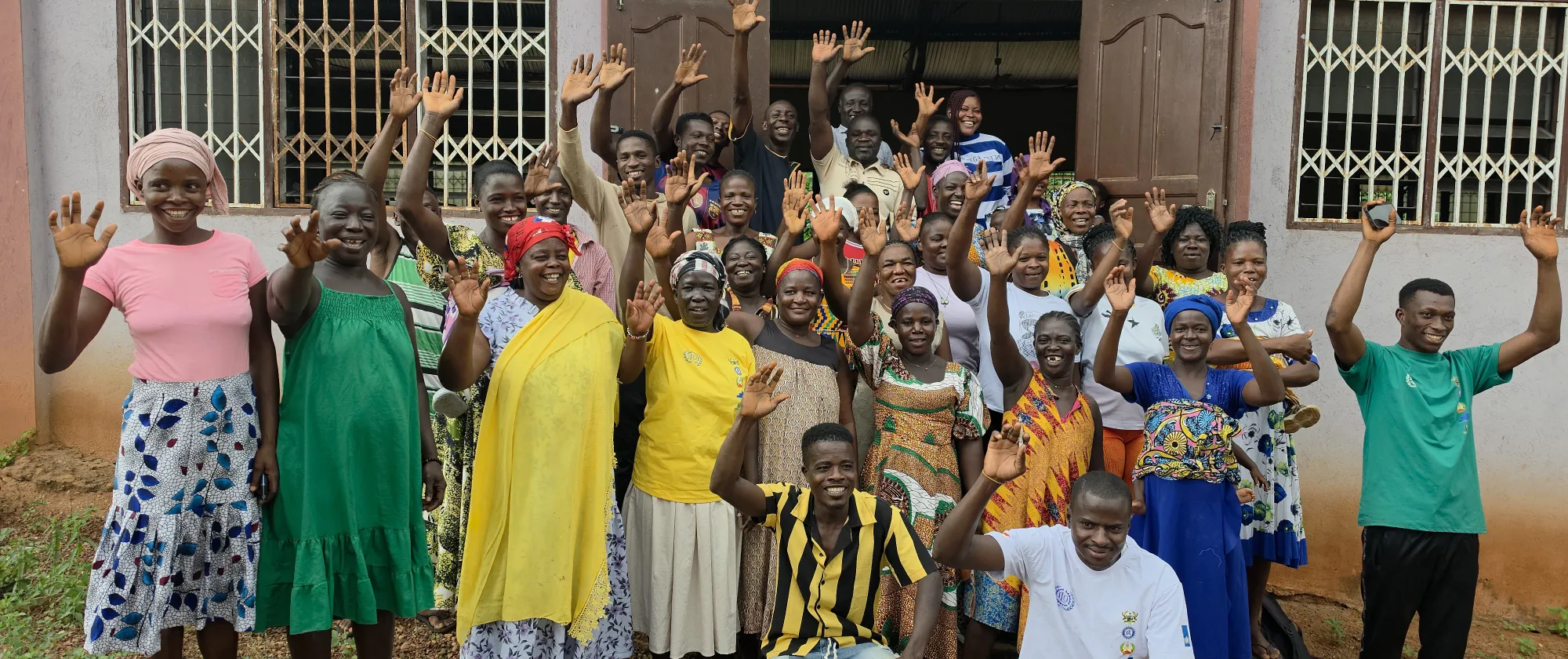
Community action in Ghana strengthens the fight against child labour
In Ghana’s cocoa-growing and artisanal gold-mining communities, the fight against child labour is being advanced through practical, community-led action. Under the ACCEL Africa project, financed by the Ministry of Foreign Affairs of the Netherlands, local partners are working with children, parents, schools, community protection structures, district authorities, savings groups, cooperatives and private sector actors to create safer, more resilient environments for children.
10 August 2026
ACCRA (ILO News) - A recent field mission to project communities in Ghana highlighted how the efforts to combat child labour are taking root at the local level. Across communities in Juaboso, Bia East, Bibiani Anhwiaso Bekwai and Wassa Amenfi East, the work is bringing together child protection, household economic resilience and local accountability.
One of the strongest features of the initiative is the active role being played by communities themselves. Community Child Protection Committees are helping to identify children affected by or at risk of child labour, follow up on cases, support referrals and strengthen awareness among families. Their work is helping communities move from concern to action, ensuring that children are not only identified but also supported to remain in school and live in safer conditions.
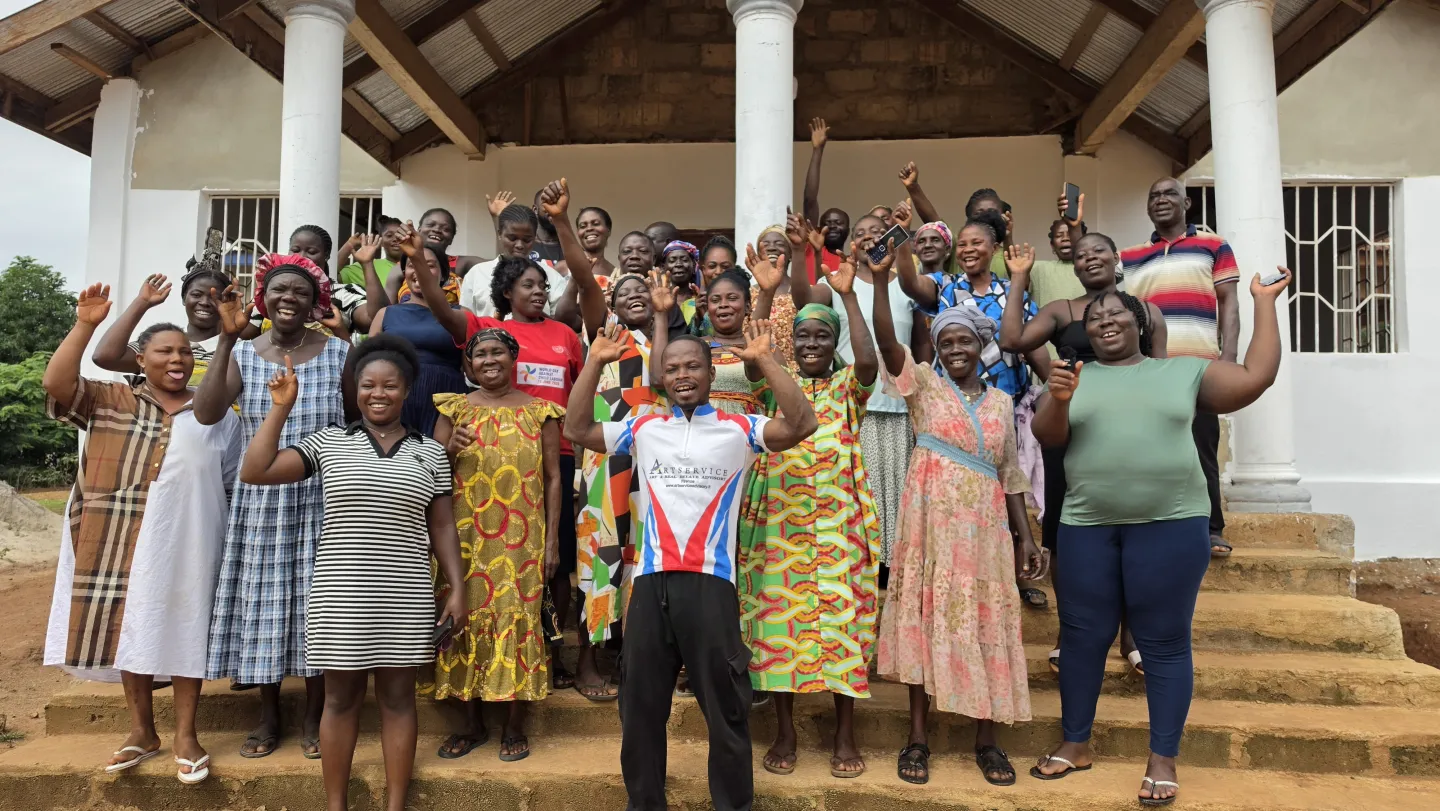
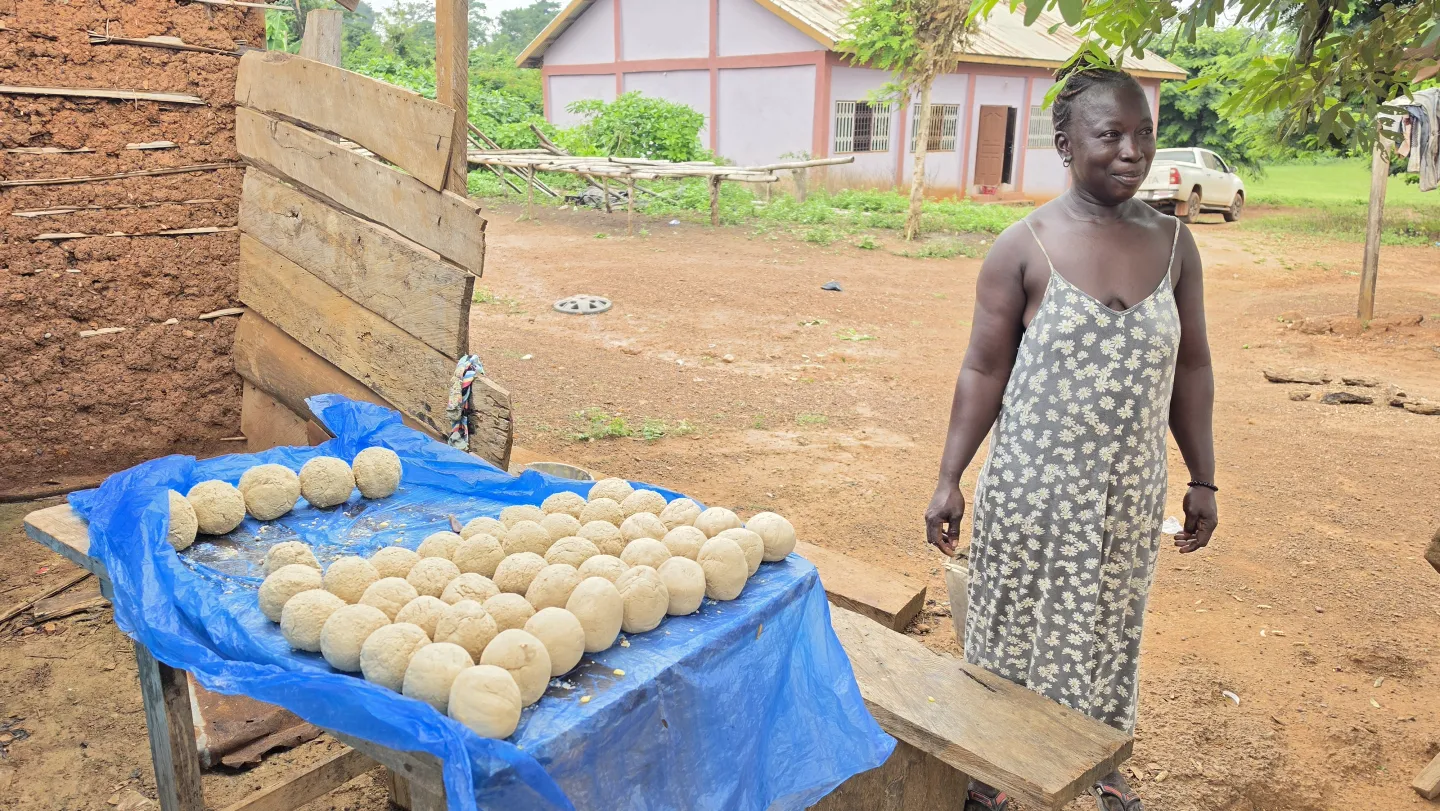
Household economic resilience is another essential part of the approach. Many families face financial pressures that can increase the risk of child labour, especially in cocoa farming, artisanal mining, domestic work and petty trading. To address this, Village Savings and Loans Associations (VSLAs) are being strengthened and linked to financial literacy training, coaching and formal financial institutions. These savings groups are helping caregivers manage money, access loans, invest in small businesses and plan for children’s education.

Women are playing a particularly important role, both as members and leaders of these groups. By improving household income and access to credit, families are better placed to pay school-related costs and reduce dependence on children’s labour. Market linkages are also helping small producers move beyond training into sustainable income generation.
The mission also highlighted the importance of targeted support for children already affected by child labour. In project communities children identified through community monitoring received school-support packages, including notebooks, uniforms, footwear and school bags. This support is helping remove immediate barriers to school attendance and provides children with a renewed opportunity to learn in safer environments.
Before the project, I did not know how to manage my money, during the harvest period, I would get paid and immediately spend my earnings. Now, I save some money, and I have been able to open a business.
Community beneficiary
The Ghana experience shows that eliminating child labour requires more than awareness alone. It requires families with stronger livelihoods, children who know their rights, schools that support participation, communities that can identify and respond to risks, and district systems that coordinate action. By combining these elements, ACCEL Africa and its partners are helping communities build practical, sustainable pathways to protect children.
The mission confirmed that progress is possible when communities are trusted as partners and equipped with the tools to act. From school clubs to savings groups, from livelihood training to district dialogue, Ghana’s project communities are demonstrating that child labour prevention is strongest when it is locally owned, inclusive and connected to the everyday realities of families.