

Breaking the cycle of poverty: Financial education for cocoa-growing communities in Côte d'Ivoire
30 August 2024
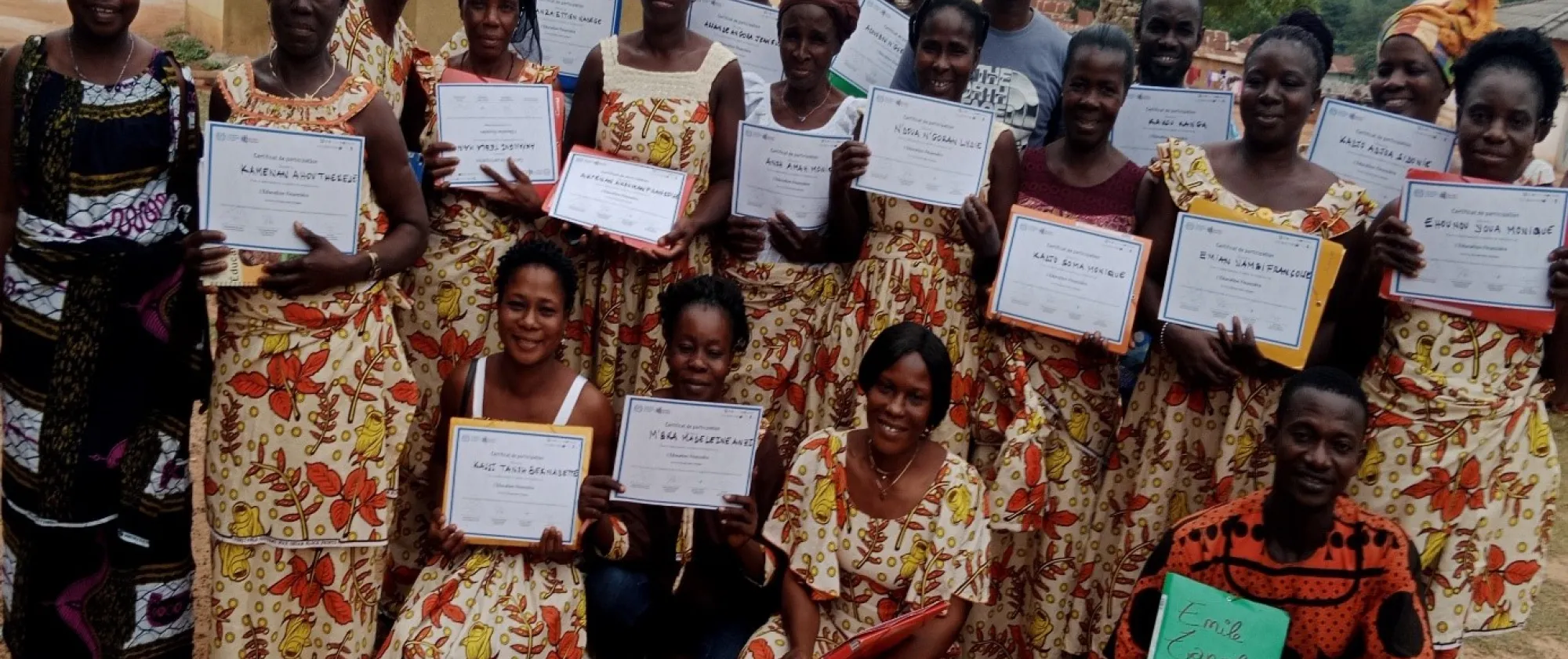
August 18 to 23, 2024, Grand-Zattry and M’Batto, Côte d'Ivoire – The ACCEL Africa project (Accelerating Action for the Elimination of Child Labour in Supply Chains in Africa) and the ENACTE project (Together to Address the Root Causes of Child Labour in Nawa) are deploying financial education interventions for households to break the cycle of poverty that leads to child labour in small agricultural holdings and cocoa-growing communities in Côte d'Ivoire.
These projects, implemented by the ILO, aim to accelerate the elimination of child labour in the cocoa and gold supply chains in Côte d'Ivoire. The approach of these projects is to address the root causes of child labour.
To this end, financial education modules from the ILO, contextualized and adapted in collaboration with the APIF, were used to extend financial education to rural workers and farmers in the cocoa value chain in the Nawa region (Southwest) and Moronou (East) in Côte d'Ivoire. Thus, their deployment is part of the implementation of the National Financial Education Program (PNEF).
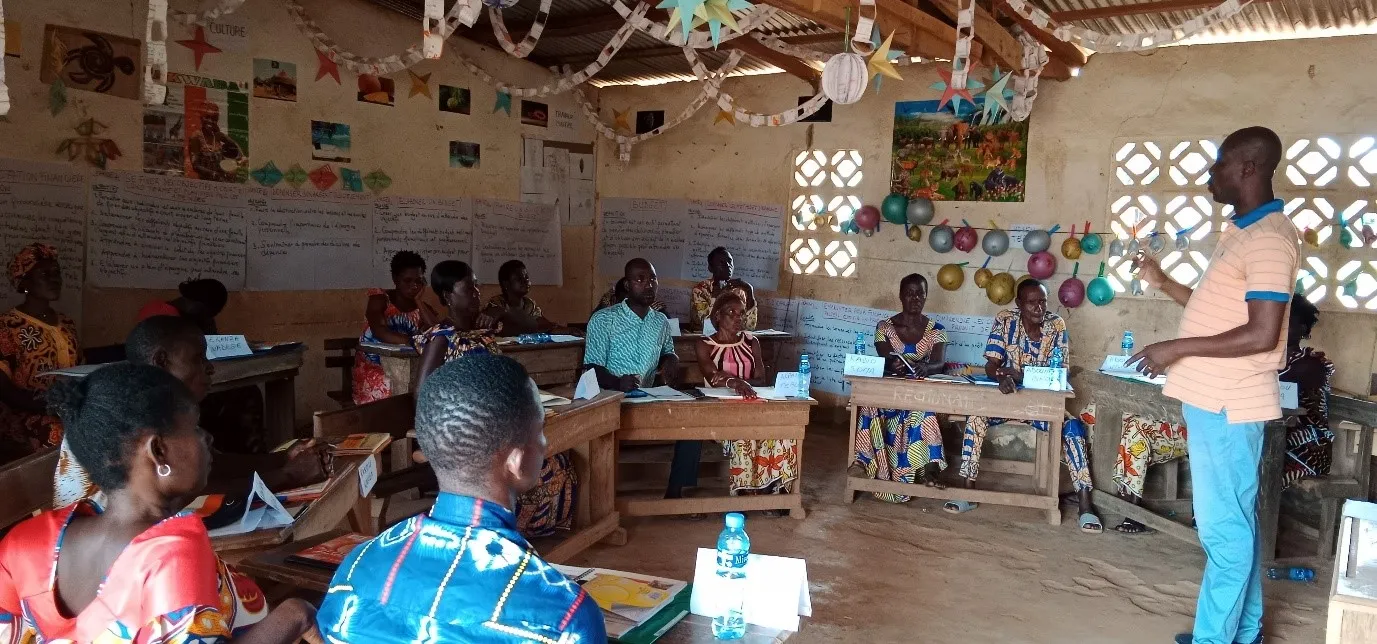
In this context, seven (7) training sessions took place from August 18 to 23, 2024, in the localities of Grand-Zattry and M’Batto. Eight (8) trainers from the Ministry of Finance, NGOs, and the National Rural Development Support Agency (ANADER), with the support of the ILO, conducted these sessions, training 140 beneficiaries, including members of cooperatives and Village Savings and Loan Associations (AVEC) groups from five (5) communities involved in the ACCEL Africa projects.
The financial education training for farmers and rural workers enabled participants to acquire essential skills in setting financial goals, developing budgets (personal, professional, and family), and becoming familiar with financial institutions. It should be noted that a significant number of beneficiaries (70%) are illiterate; however, they reported through testimonies that they grasped the key messages of this training.
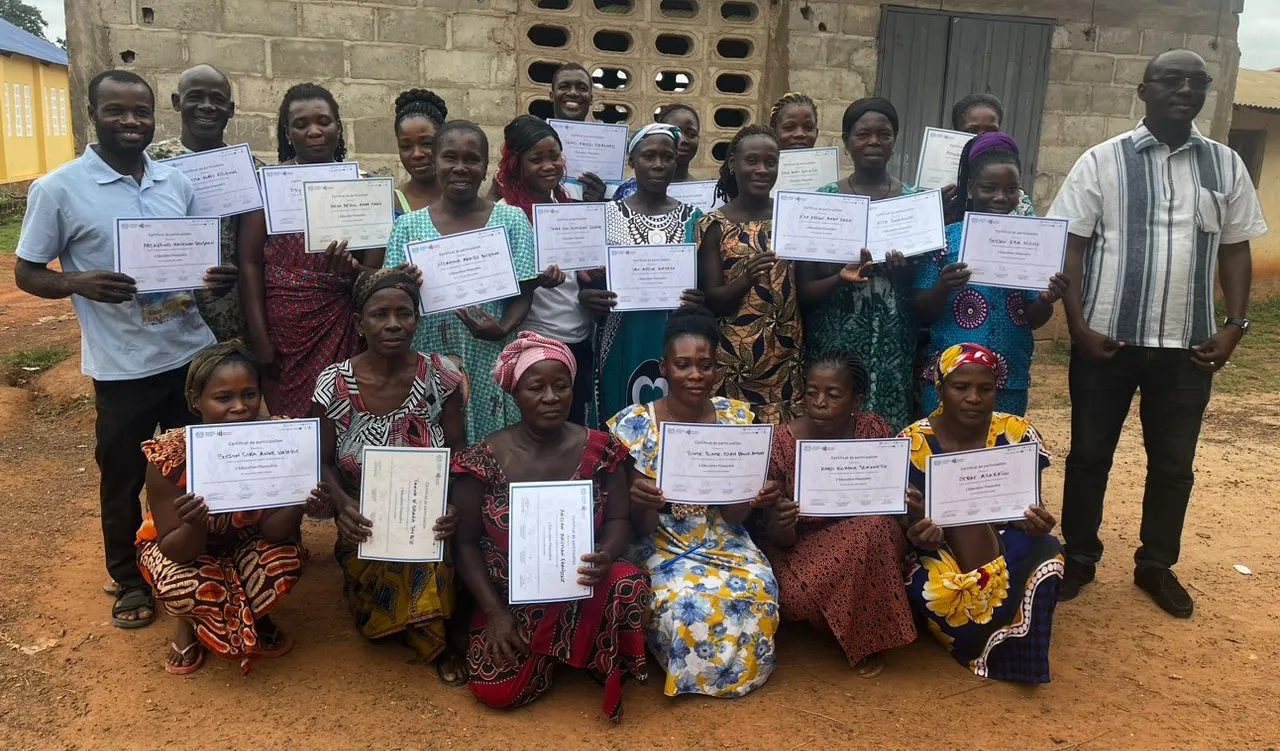
During the sessions, the participants showed remarkable commitment and motivation, which contributed to the success of the training.
At the end of the seven (7) training sessions, 140 action plans were developed and will be implemented and monitored by eleven (11) change agents trained for this activity.
The beneficiaries left very satisfied and promised to make good use of the essential skills acquired in setting financial goals, developing budgets (personal, professional, and family), and becoming familiar with financial institutions. The action plans will be followed up by the change agents and supervised by the project teams and trainers from ANADER to observe changes in the beneficiaries’ habits.
Relevant projects
Feasibility study and design of an impact bond to reduce child labour in Côte d’Ivoire