

Labour migration
Towards fair seas: Recruitment and working conditions for migrant workers in the fishing and seafood processing sectors in South-East Asia
This comprehensive regional survey assesses the working and living conditions for migrants in the fishing and seafood processing sectors, including the prevalence of forced labour.
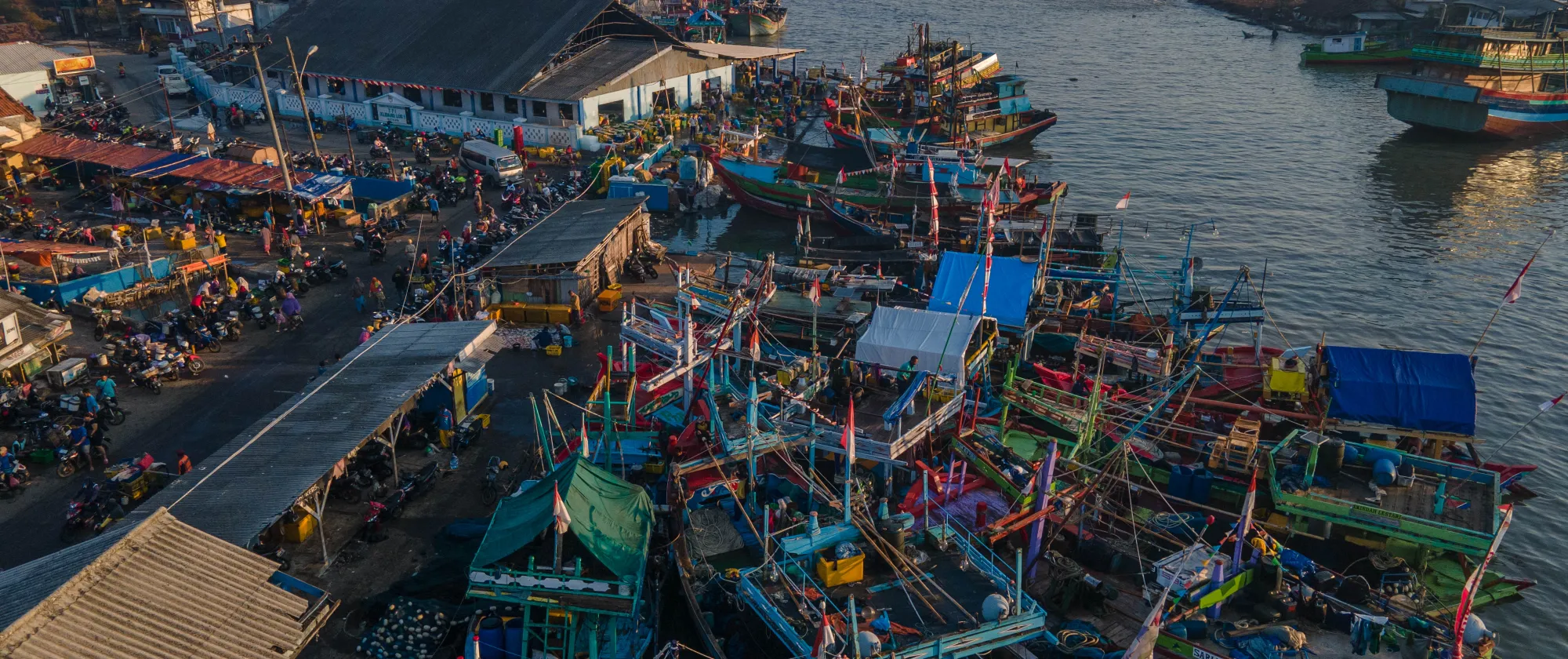
During the last 30 years, the labour force in South-East Asia’s fishing and seafood processing sectors has shifted dramatically in response to the region’s rapid but uneven social and economic development. Migrant workers now fill a substantial share of these jobs because of the reluctance of nationals to pursue work that is often viewed as low-paid, demanding and hazardous.
Increasingly, there has been recognition of the need to improve labour rights protection for migrants in South-East Asia’s blue economy. Nevertheless, severe abuses against migrant fishing and seafood processing workers remain pervasive, including cases of contract substitution, retention of identification documents, debt bondage, excessive working hours, wage theft, violence and harassment, and forced labour. In addition, serious accidents remain an all-too-common occurrence and provisions for a safe and healthy working and living environment on-board vessels are inadequate. Women migrants in the seafood processing supply chain continue to experience discrimination because of their gender and nationality, including gender wage gaps, lack of maternity protection, violence and harassment, and inadequate provision for childcare.
In response to these major sectoral challenges, the International Labour Organization (ILO), the International Organization for Migration (IOM) and the United Nations Development Programme (UNDP) implemented the Ship to Shore Rights South East Asia programme. To provide an evidence base for the interventions, the Programme conducted a baseline study to comprehensively examine the working and living conditions of migrant workers in the fishing and seafood processing sectors, including the prevalence of forced labour. This research represents the largest quantitative survey of these issues conducted in the region to date. It paints a vivid picture of the dire situations faced by many migrant workers and highlights the critical need to ensure safe migration and decent work in South-East Asia’s blue economy.
Additional details
Author(s)
- Benjamin Harkins
- Daniel Lindgren
- Dewi Ratnawulan
References
- DOI: https://doi.org/10.54394/MJBL0660
- ISBN Print: 9789220423202
- ISBN Web PDF: 9789220423219
Relevant projects

Labour migration
Ship to Shore Rights South-East Asia: Safe migration for decent work in the blue economy